Wondering how much full face motorcycle helmets cost in 2025? This guide covers price ranges, factors affecting costs, and tips to find the best helmet for your budget. Whether you’re a beginner or a seasoned rider, you’ll get clear insights to make a smart purchase.
Key Takeaways
- Price Range: Full face motorcycle helmets typically cost between $100 and $700, depending on features and brand.
- Safety Standards Matter: Helmets with DOT, ECE, or Snell certifications often come at higher prices but offer better protection.
- Materials Influence Cost: Lightweight materials like carbon fiber raise prices, while polycarbonate options are more affordable.
- Additional Features: Visor type, ventilation, and built-in tech can increase the helmet’s price.
- Budget vs. Premium: Budget helmets are good for casual riders, but premium helmets offer comfort and advanced safety.
- Try Before You Buy: Proper fit is crucial, so try helmets on or check return policies.
- Invest in Safety: Spending more on a quality helmet can save your life and provide better comfort.
How Much Are Full Face Motorcycle Helmets?
If you’re in the market for a full face motorcycle helmet in 2025, one of the first questions on your mind is likely: how much will it cost? This guide will walk you through everything you need to know about pricing, helping you understand what affects helmet costs and how to pick the right one for your budget and safety needs.
Step 1: Understand What a Full Face Motorcycle Helmet Is
A full face motorcycle helmet covers your entire head, including the chin and face, providing the highest level of protection. It usually features a visor to shield your eyes and face from wind, debris, and weather. Because of its comprehensive coverage, it’s one of the safest helmet types available.
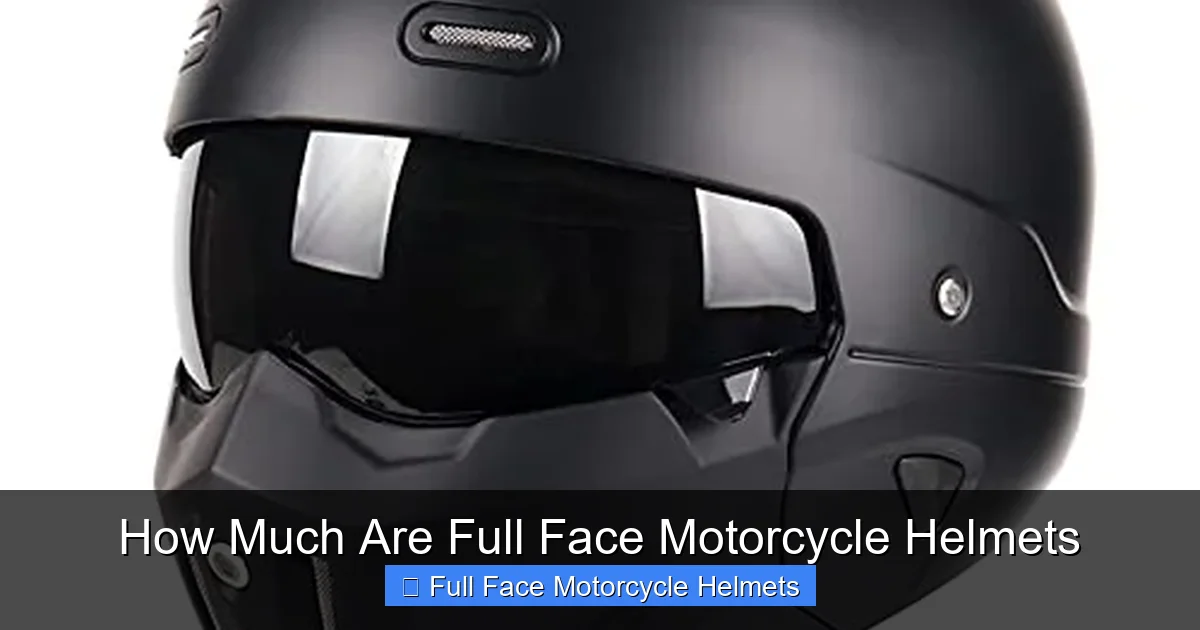
Visual guide about How Much Are Full Face Motorcycle Helmets
Image source: m.media-amazon.com
Step 2: Know the Typical Price Ranges
Budget Helmets ($100 – $200)
These helmets are great for new riders or those on a tight budget. They often use polycarbonate shells and meet minimum safety standards like DOT certification. While they provide basic protection, you might sacrifice some comfort and features.
Mid-Range Helmets ($200 – $400)
Mid-range helmets offer better materials, improved ventilation, and extra features like anti-fog visors. They often come with dual certifications (DOT and ECE) and can include more comfortable padding and better aerodynamics.
Premium Helmets ($400 – $700+)
Premium helmets use lightweight materials like carbon fiber or fiberglass composites. They include advanced safety certifications such as Snell, superior ventilation, noise reduction, and tech integrations like Bluetooth. These helmets are designed for serious riders who want maximum protection and comfort.
Step 3: Factors That Affect Helmet Pricing
Material
Helmet shells are made from polycarbonate, fiberglass, carbon fiber, or composites. Carbon fiber helmets are the lightest and strongest but also the most expensive. Polycarbonate helmets are heavier but affordable.
Safety Certifications
Helmets certified by DOT (Department of Transportation), ECE (Economic Commission for Europe), or Snell meet rigorous safety tests. The more certifications, the higher the price usually is.
Features and Technology
Extra features like anti-scratch visors, quick-release systems, ventilation, and built-in communication systems add to the cost.
Brand
Premium brands like Shoei, Arai, and AGV often charge more due to their reputation and quality control. Lesser-known brands may offer cheaper options but with varying quality.
Step 4: Where to Buy Full Face Motorcycle Helmets
Local Motorcycle Shops
Buying in-store allows you to try helmets on for fit and comfort. You can also get expert advice.
Online Retailers
Online stores often offer discounts and a wider selection. Make sure to check return policies in case the helmet doesn’t fit.
Used Helmets
While cheaper, buying used helmets is risky because safety integrity can be compromised after impacts.
Step 5: How to Choose the Right Helmet within Your Budget
Prioritize Safety
Never compromise on safety certifications. Look for at least DOT certification as a minimum.
Fit and Comfort
A helmet that fits well is safer and more comfortable. Try different sizes and shapes to find the best fit.
Consider Your Riding Style
Commuters may prefer budget helmets with good ventilation, while sport riders might need premium helmets with aerodynamics and noise reduction.
Think About Maintenance and Accessories
Visors, liners, and padding can wear out. Check availability of replacement parts.
Step 6: Practical Tips for Saving Money
- Shop during sales events like Black Friday or end-of-season clearances.
- Look for bundle deals that include accessories.
- Check for manufacturer warranties and customer service reputation.
- Consider investing slightly more upfront to avoid replacement costs later.
Troubleshooting Common Concerns
Helmet Feels Too Tight or Loose
Try different brands and sizes. Remember, a helmet should be snug but not painful. Use sizing charts and measure your head circumference accurately.
Visor Fogging Up
Look for helmets with anti-fog coatings or consider adding a pinlock insert. Proper ventilation also helps reduce fog.
Noise Levels Are Too High
Premium helmets often have better noise insulation. You can also use earplugs to reduce wind noise.
Conclusion
In 2025, full face motorcycle helmets range widely in price, from affordable options around $100 to high-end models exceeding $700. The cost depends on materials, safety certifications, brand, and features. When choosing a helmet, prioritize safety and fit, then balance features with your budget. Remember, a quality helmet is an investment in your safety and comfort on the road. Take your time, try different options, and buy from trusted sellers to get the best value for your money.
🎥 Related Video: Full Face or Half Face Helmet? No Problem LS2 Advant Got you covered!🔥 #shorts #short #fyp #helmets
📺 Langga Gail