Choosing the right full face motorcycle helmet is essential for safety and comfort on the road. In this guide, you’ll learn how to pick the best helmets for 2025, including key features to consider, top-rated models, and expert advice to help you ride confidently and safely.
Key Takeaways
- Safety First: Full face helmets provide the best protection for your head and face compared to other helmet types.
- Fit Matters: A proper fit ensures comfort and maximum safety during your rides.
- Look for Certifications: Check for DOT, ECE, or Snell certifications to guarantee helmet safety standards.
- Materials Count: Lightweight materials like carbon fiber improve comfort without sacrificing protection.
- Ventilation is Key: Good airflow keeps you cool and prevents fogging on long rides.
- Top Brands in 2025: Shoei, Arai, HJC, AGV, and Bell continue to lead with innovative full face helmets.
- Maintenance and Care: Proper cleaning and storage extend your helmet’s lifespan and safety performance.
What Are the Best Full Face Motorcycle Helmets? A Complete How-To Guide for 2025
Full face motorcycle helmets are the gold standard for rider safety. They cover your entire head and face, offering the best protection from impacts, wind, debris, and weather. If you’re looking to buy a new helmet or upgrade your current one in 2025, this guide will help you find the best full face motorcycle helmets that suit your needs perfectly.
In this guide, you will learn about the essential features of full face helmets, how to choose the right size and fit, the top helmet models on the market, and practical tips for maintaining your helmet. Let’s ride safely and smart with the best gear available!
Step 1: Understand Why a Full Face Helmet Is the Best Choice
Full face helmets provide comprehensive protection by covering the chin, jaw, and face, areas often exposed in other helmet types. They reduce the risk of facial injuries and shield you from wind, rain, and flying debris.
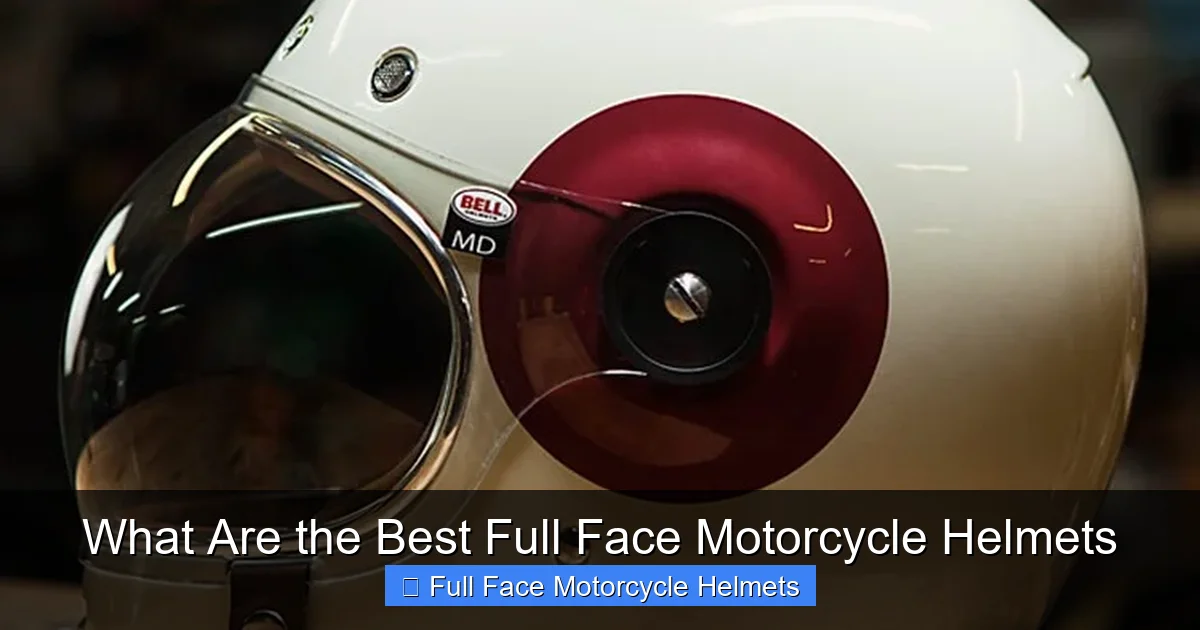
Visual guide about What Are the Best Full Face Motorcycle Helmets
Image source: cdn.thecoolist.com
Benefits of Full Face Helmets
- Maximum Safety: Covers your entire head, reducing injury risk.
- Better Aerodynamics: Design reduces wind resistance for smoother rides.
- Weather Protection: Shields your face from rain, dust, and cold air.
- Noise Reduction: Less wind noise compared to open-face helmets.
Choosing a full face helmet is ideal for street riding, sport riding, and long-distance trips where safety and comfort are priorities.
Step 2: Know the Essential Safety Certifications
Safety certifications prove a helmet meets strict testing standards. In 2025, the most recognized certifications are:
- DOT (Department of Transportation): Mandatory for helmets sold in the USA.
- ECE 22.06 (Economic Commission for Europe): Recognized worldwide, with updated testing protocols for better impact resistance.
- Snell M2020: A voluntary standard known for rigorous testing, popular among racers and enthusiasts.
Always check that your helmet has at least one of these certifications to ensure it offers reliable protection.
Step 3: Find the Right Fit for Comfort and Safety
A helmet that doesn’t fit well can compromise safety and cause discomfort. Here’s how to find your perfect fit:
Measure Your Head
- Use a soft measuring tape.
- Measure the circumference around your head, about 1 inch above your eyebrows.
- Note the measurement in centimeters or inches.
Try Different Helmet Shapes
- Helmets come in different interior shapes: round oval, intermediate oval, and long oval.
- Choose the shape that matches your head for a snug fit without pressure points.
Fit Test Tips
- The helmet should feel snug all around but not painfully tight.
- Try to move the helmet side to side and up and down. It should stay firmly in place.
- Wear the helmet for 10-15 minutes to test comfort.
Keep in mind that helmet padding breaks in slightly over time, but the fit should be close from the start.
Step 4: Consider Helmet Materials and Weight
The material affects helmet weight, durability, and price. Common materials include:
- Polycarbonate: Affordable and impact-resistant but heavier.
- Fiberglass Composite: Lightweight and strong, offering good protection.
- Carbon Fiber: Premium, very lightweight, and highly durable, but more expensive.
- Kevlar: Sometimes combined with carbon fiber for extra strength.
In 2025, many top helmets use advanced composite materials to balance weight and safety, reducing neck fatigue on long rides.
Step 5: Check Ventilation and Comfort Features
Good airflow prevents overheating and keeps your visor from fogging. Look for these features:
- Multiple adjustable vents on the chin, forehead, and top of the helmet.
- Rear exhaust vents to allow hot air to escape.
- Anti-fog and scratch-resistant visors.
- Removable and washable interior liners.
- Comfort padding that adapts to your face shape.
Practical tip: If you ride in hot climates, prioritize helmets with excellent ventilation systems.
Step 6: Explore Additional Features
Modern helmets come with extra features to improve your riding experience:
- Integrated Sun Visors: Built-in tinted visors that drop down easily.
- Bluetooth Compatibility: Helmets with built-in or removable communication systems.
- Emergency Release Systems: Removable cheek pads for safe helmet removal after accidents.
- Noise Reduction Technology: Foam liners and aerodynamic designs that reduce wind noise.
Choose features that fit your riding style and preferences to get the most out of your helmet.
Step 7: Review the Best Full Face Motorcycle Helmets of 2025
Here are some top-rated helmets trusted by riders and experts this year:
- Shoei RF-1400: Known for premium comfort, superior aerodynamics, and excellent ventilation.
- Arai Corsair-X: Offers a perfect fit with advanced safety features and smooth airflow.
- HJC RPHA 11 Pro: Lightweight carbon fiber shell and great value for sport riders.
- AGV Pista GP RR: Top choice for racers, with exceptional safety and aerodynamic design.
- Bell Race Star Flex DLX: Innovative materials and noise reduction for long-distance comfort.
Consider your budget, riding style, and helmet features when choosing from these top options.
Step 8: How to Maintain Your Full Face Helmet
Proper care keeps your helmet safe and comfortable for years:
- Clean the exterior with mild soap and water only.
- Use anti-fog sprays or wipes for your visor as needed.
- Remove and wash interior liners periodically.
- Store your helmet in a cool, dry place away from direct sunlight.
- Inspect for cracks or damage regularly, and replace if impacted in a crash.
Troubleshooting Common Helmet Issues
Helmet Feels Too Tight or Too Loose
If your helmet is uncomfortable, try adjusting the padding or trying a different size or shape. Remember, a helmet should be snug but not painful.
Visor Fogging Up
Use anti-fog treatments or install a Pinlock visor insert. Also, ensure vents are open to improve airflow inside the helmet.
Excessive Wind Noise
Check that your helmet fits correctly and that the chin strap is secure. Adding earplugs can also help reduce noise on long rides.
Conclusion: Ride Safely with the Best Full Face Motorcycle Helmet in 2025
Choosing the best full face motorcycle helmet is a crucial decision that affects your safety and comfort. By understanding the key features, certifications, and fit requirements, you can find a helmet that protects you well and enhances your riding experience. Remember to prioritize safety, comfort, and the features that matter most to you. With the right helmet, you’ll enjoy every ride with confidence and peace of mind.
🎥 Related Video: The Top 5 Best Motorcycle Helmet In 2025
📺 Tech World
Top 5 Best Motorcycle Helmets of 2025 1. Full Face Motorcycle Helmets for Adults Men and Women DOT Street Bike Racing …