Fitting a full face motorcycle helmet correctly is key for safety and comfort on the road. This guide walks you through every step, from measuring your head to adjusting straps, so you can find the perfect fit that protects you and feels great.
Key Takeaways
- Measure your head accurately: Use a soft tape measure to find the right helmet size for your head circumference.
- Check helmet sizing charts: Different brands may vary, so always compare your measurements with the manufacturer’s chart.
- Try the helmet on properly: It should fit snugly without causing pain or pressure points.
- Fasten and adjust the chin strap: Ensure it’s secure but comfortable to keep the helmet in place during rides.
- Test helmet stability: Shake your head and move side to side to confirm the helmet doesn’t shift or slide.
- Break in your helmet: Wear it for short periods before long rides to allow padding to mold to your head.
- Replace when needed: Helmets have a lifespan; replace them after impact or every 5 years for safety.
How to Fit a Full Face Motorcycle Helmet
Wearing a full face motorcycle helmet is one of the best ways to protect yourself while riding. But even the safest helmet won’t keep you fully protected if it doesn’t fit properly. A helmet that’s too loose can move around and cause distractions, while one that’s too tight can be uncomfortable and cause headaches. In this guide, you’ll learn exactly how to fit a full face motorcycle helmet the right way. We’ll cover everything from measuring your head to testing the fit and adjusting the straps. By the end, you’ll have the confidence that your helmet fits perfectly, keeping you safe and comfortable on every ride.
Step 1: Measure Your Head Size
The first step in finding the right helmet size is to measure your head accurately.
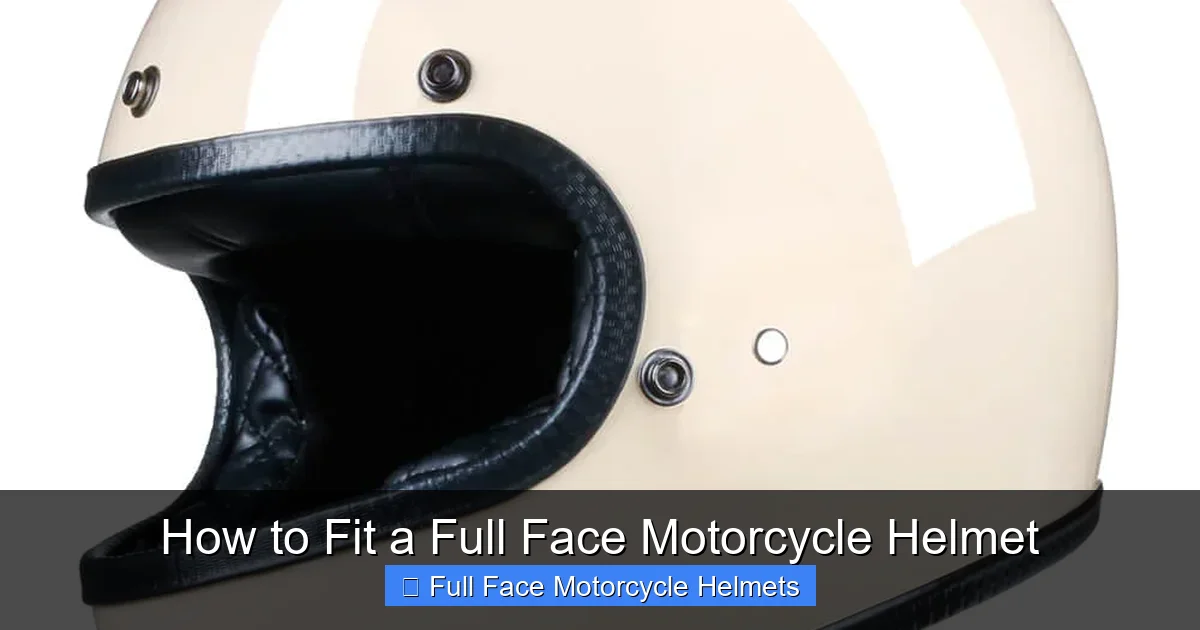
Visual guide about How to Fit a Full Face Motorcycle Helmet
Image source: beaniehelmets.com
What You’ll Need
- A soft measuring tape (like a tailor’s tape)
- A mirror (optional)
How to Measure
- Place the tape measure around your head about 1 inch (2.5 cm) above your eyebrows and ears. This is usually the widest part of your head.
- Make sure the tape is snug but not tight.
- Note the measurement in centimeters or inches.
- Repeat the measurement a couple of times to ensure accuracy.
Tip: If you don’t have a soft tape measure, you can use a piece of string and then measure the string with a ruler.
Step 2: Check the Helmet Sizing Chart
Helmet sizes can vary between brands. Once you know your head measurement, compare it to the sizing chart provided by the helmet manufacturer. This will help you pick the correct helmet size.
Common Sizes
- Small: 55-56 cm (21.7-22 inches)
- Medium: 57-58 cm (22.4-22.8 inches)
- Large: 59-60 cm (23.2-23.6 inches)
- Extra Large: 61-62 cm (24.0-24.4 inches)
Note: Always trust the sizing chart over general labels like S, M, L because helmet fit is all about the exact measurement.
Step 3: Try the Helmet On
Now it’s time to physically try on the helmet. This step is crucial to understand how the helmet feels on your head.
How to Try It On
- Hold the helmet by the chin straps and pull the front opening wide.
- Place your chin into the helmet first, then pull the helmet down over your head.
- The helmet should fit snugly all around your head without any gaps.
- Wear the helmet for a few minutes to see how it feels.
Signs of a Good Fit:
- The helmet feels snug but not painfully tight.
- There are no pressure points or uncomfortable spots.
- The helmet doesn’t move freely when you shake your head.
- You can blink and breathe comfortably.
Warning: If the helmet feels too tight or causes pain, try a larger size or a different model.
Step 4: Fasten and Adjust the Chin Strap
The chin strap keeps your helmet securely in place. A loose strap can cause the helmet to come off during an accident.
How to Fasten the Strap
- Buckle the chin strap securely under your chin.
- Adjust the strap length so it fits snugly but doesn’t choke you.
- You should be able to fit one or two fingers between the strap and your chin.
Tip: Many helmets use a D-ring fastener. Make sure the strap passes through both rings and then loop back through the first ring for extra security.
Step 5: Test the Helmet’s Stability
After putting the helmet and chin strap on, check how stable the helmet feels.
Stability Test Steps
- Shake your head side to side and up and down.
- The helmet should stay firmly in place without sliding.
- Try to move the helmet with your hands; it should resist movement.
If the helmet shifts or feels loose, consider going down a size or adjusting the padding.
Step 6: Break in Your Helmet
New helmets can feel stiff or tight at first. Wearing the helmet for short rides or periods helps the padding to soften and mold to your head shape.
- Wear the helmet around the house or on short rides for 1-2 hours at a time.
- Over time, the fit will become more comfortable.
- Monitor for any discomfort or pressure points during the break-in period.
Troubleshooting Common Fit Issues
Helmet Feels Too Tight
- Try a larger size or a helmet with a different interior shape.
- Check if the padding is removable and replace it with thinner pads if possible.
Helmet Feels Too Loose
- Try a smaller size.
- Use thicker or additional padding inserts if available.
- Ensure the chin strap is tightened properly.
Helmet Causes Pressure Points
- Identify the exact spot causing discomfort.
- Try adjusting the helmet position slightly.
- Consider a different helmet model with a shape better suited to your head.
Helmet Fogging or Poor Ventilation
- Check if the helmet has adjustable vents and use them.
- Use an anti-fog visor insert or spray.
When to Replace Your Helmet
Even the best-fitting helmet needs replacement over time or after impact. Helmets degrade due to sun exposure, sweat, and general wear.
- Replace your helmet every 5 years, even if it looks fine.
- Replace immediately if the helmet has been in a crash or dropped hard.
- Look for visible cracks, broken straps, or worn padding as signs it’s time for a new helmet.
Conclusion
Knowing how to fit a full face motorcycle helmet properly is essential for your safety on the road. Taking the time to measure your head, try on different sizes, adjust the chin strap, and test stability will ensure your helmet fits comfortably and securely. Remember, a well-fitted helmet protects you better and makes your rides more enjoyable. Don’t rush the process—your head deserves the perfect fit every time you ride.
🎥 Related Video: How to wear motorcycle helmet!
📺 SpiderMartin Vugrinec