Are full face helmets hot? It’s a common question among riders. This guide explores the reasons why full face helmets can feel warm and offers practical advice on how to stay cool while enjoying their excellent protection. Learn how ventilation, helmet design, and riding habits affect comfort so you can make the best choice for your rides in 2025.
Key Takeaways
- Full face helmets can feel hot: Due to their enclosed design, they sometimes trap heat around your head and face.
- Ventilation is crucial: Modern helmets with good airflow systems significantly reduce heat buildup.
- Material and liner matter: Breathable, moisture-wicking liners help keep you comfortable.
- Helmet fit affects heat: A proper fit allows better air circulation and prevents excessive sweating.
- Riding conditions play a role: Hot weather and slow speeds increase heat retention inside the helmet.
- Maintenance helps: Regular cleaning of vents and liners improves airflow and hygiene.
- Choosing the right helmet for your climate: Look for helmets designed specifically for warmer weather if you ride mostly in hot conditions.
Are Full Face Helmets Hot? A Complete Guide to Staying Cool and Comfortable
Full face helmets are known for their unbeatable protection, but many riders wonder, “Are full face helmets hot?” In this comprehensive guide, you will learn why full face helmets can feel warm, what factors contribute to heat retention, and practical steps to stay cool while wearing one. Whether you’re a seasoned rider or a beginner, this guide will help you enjoy your rides comfortably in 2025.
Understanding Why Full Face Helmets Can Feel Hot
Before diving into how to stay cool, it’s important to understand why full face helmets might feel hot. These helmets cover your entire head and face, shielding you from wind, debris, and crashes. This full coverage can trap heat and limit airflow, especially when temperatures soar. The materials used, liner thickness, and how well the helmet fits can all contribute to warmth.
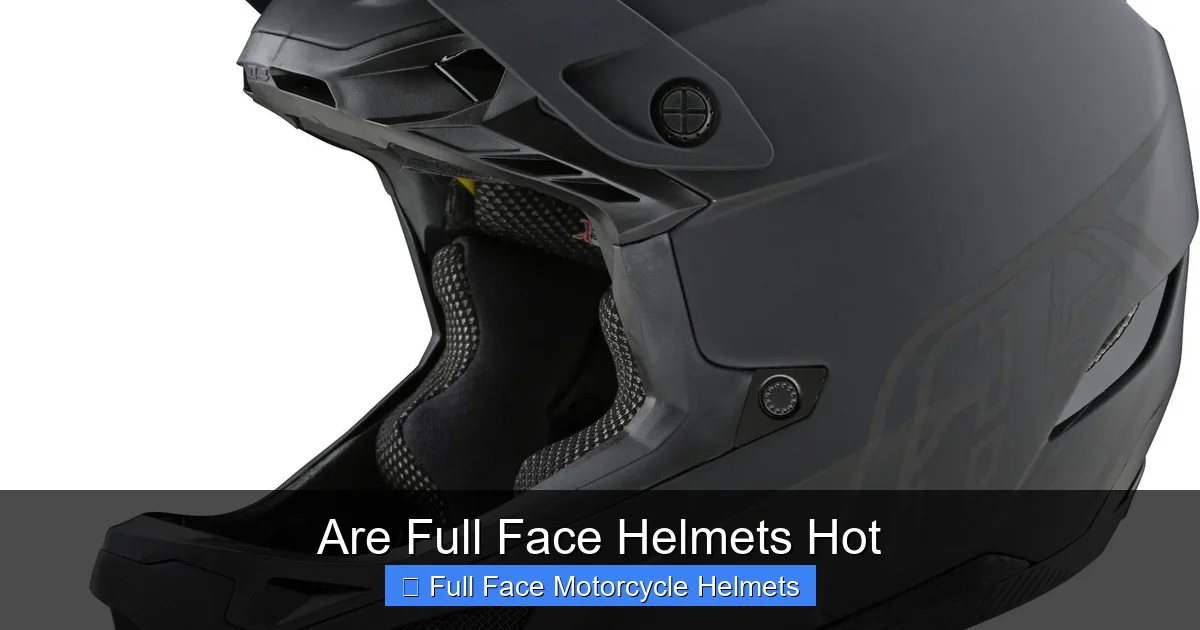
Visual guide about Are Full Face Helmets Hot
Image source: expocafeperu.com
Step 1: Choose a Helmet with Excellent Ventilation
Look for Multiple Air Vents
Modern full face helmets are designed with air vents at the front, top, and rear. These vents create a flow of air that cools your head while you ride. When shopping for a helmet, prioritize models with multiple adjustable vents.
Check the Vent Placement
Vents near the chin and forehead areas help direct airflow where it’s most needed. Rear exhaust vents allow hot air to escape, maintaining cooler internal temperatures.
Try the Helmet On
Put on the helmet and open the vents to feel the airflow. If possible, test it in a fan or while riding to see how well air circulates.
Step 2: Select Breathable, Moisture-Wicking Liners
Understand Liner Materials
Linings made with moisture-wicking fabrics pull sweat away from your skin, helping it evaporate quickly. This reduces discomfort and heat buildup.
Removable and Washable Liners
Choose helmets with removable liners you can wash regularly. Clean liners improve hygiene and maintain breathability over time.
Step 3: Ensure Proper Helmet Fit for Comfort and Airflow
Get the Right Size
A helmet that’s too tight can restrict airflow and cause excessive sweating. Conversely, a helmet that’s too loose won’t protect well and can feel drafty.
Consider Helmet Shape
Different helmets fit different head shapes. Find one that matches your head for optimal comfort and ventilation.
Step 4: Use Additional Cooling Accessories
Cooling Helmet Pads
Some riders use cooling gel pads or inserts designed to absorb heat and provide a cooler feel inside the helmet.
Use a Moisture-Wicking Balaclava
A thin, moisture-wicking balaclava under your helmet can help manage sweat and improve comfort.
Step 5: Adapt Riding Habits to Reduce Heat
Ride During Cooler Times
Whenever possible, plan your rides in early mornings or late afternoons when temperatures are lower.
Take Breaks Often
Stopping in shaded areas or indoors allows your head to cool down and prevents overheating.
Keep Moving at Moderate Speeds
Higher speeds increase airflow, helping to cool the helmet. Riding too slow can make heat build up inside.
Step 6: Maintain Your Helmet for Optimal Cooling
Clean Vents Regularly
Dirt and debris can block vents and reduce airflow. Clean your helmet vents with compressed air or a soft brush.
Wash Liners and Pads
Keep liners fresh by washing them according to manufacturer instructions. This maintains their breathability and prevents odor.
Troubleshooting Common Heat Issues
Problem: Helmet Feels Too Hot Even with Vents Open
- Solution: Check if vents are clogged and clean them. Try adding cooling pads or a moisture-wicking balaclava. Consider a lighter, more ventilated helmet model if heat remains an issue.
Problem: Excessive Sweating Causes Discomfort
- Solution: Use moisture-wicking liners and balaclavas. Take more frequent breaks and hydrate well to regulate body temperature.
Problem: Helmet Fogging Up
- Solution: Use anti-fog sprays or pinlock visors. Proper ventilation also helps reduce fog buildup.
Conclusion: Stay Safe and Cool in Your Full Face Helmet
Full face helmets provide excellent protection, but they can feel hot if you’re not careful. By choosing a helmet with good ventilation, breathable liners, and the right fit, you can enjoy the benefits of full face protection without overheating. Combine these choices with smart riding habits and regular helmet maintenance to stay comfortable on every ride. Remember, staying cool is essential not just for comfort but also for safety. In 2025, there are many innovative helmet options designed with heat management in mind—take advantage of them to keep your head cool and your ride safe!
🎥 Related Video: Half face or full face helmet?
📺 Aakash Dhawan