Choosing the best full face motorcycle helmet is essential for rider safety and comfort. This guide walks you through the key features to look for, how to find the right fit, and tips for making a smart purchase. Whether you’re a beginner or experienced rider, you’ll gain valuable insights to select a helmet that meets your needs.
Key Takeaways
- Safety First: Look for helmets with DOT, ECE, or Snell certification to ensure maximum protection.
- Proper Fit Matters: A helmet should fit snugly without pressure points to provide comfort and safety.
- Materials Impact Weight and Durability: Composite, fiberglass, and polycarbonate shells offer different benefits.
- Ventilation Affects Comfort: Good airflow helps prevent overheating and fogging during rides.
- Visor Quality and Features: Choose helmets with anti-scratch, UV protection, and easy-to-change visors.
- Additional Features: Consider noise reduction, padding, and compatibility with communication devices.
- Budget vs. Quality: Investing in a reliable helmet is worth more than saving money on low-quality options.
What Is the Best Full Face Motorcycle Helmet? A Complete How-To Guide
Riding a motorcycle is thrilling, but safety should always come first. One of the most important pieces of gear you can invest in is a high-quality full face motorcycle helmet. This guide will help you understand what makes a helmet the best choice for you. You’ll learn how to pick a helmet that fits well, meets safety standards, and offers comfort and features suited to your riding style.
Step 1: Understand What a Full Face Motorcycle Helmet Is
A full face motorcycle helmet covers your entire head, including your chin and face, unlike open-face or half helmets. This design provides the best protection against impacts, wind, debris, and weather. Full face helmets are popular among sportbike riders, commuters, and touring motorcyclists due to their superior safety and aerodynamic shape.
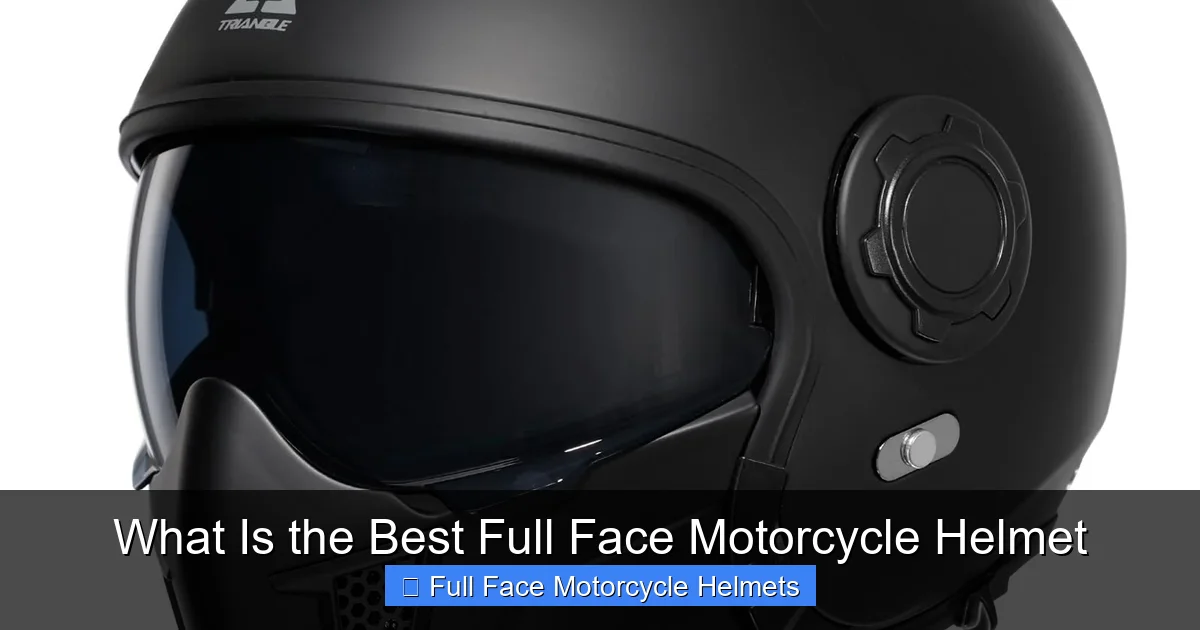
Visual guide about What Is the Best Full Face Motorcycle Helmet
Image source: m.media-amazon.com
Step 2: Check for Safety Certifications
What Certifications to Look For
Safety certifications are your assurance that a helmet meets minimum safety requirements. The most common certifications include:
- DOT (Department of Transportation): Required in the U.S., it ensures helmets meet basic crash protection standards.
- ECE (Economic Commission for Europe) 22.05 or 22.06: Widely accepted internationally, ECE tests helmets under rigorous conditions.
- Snell: A voluntary certification known for strict testing, often preferred by racers.
Choose a helmet with at least one of these certifications to guarantee it will protect your head effectively.
Step 3: Find the Right Helmet Size and Fit
Measure Your Head Correctly
Use a flexible tape measure to find the circumference of your head, about 1 inch above your eyebrows. Compare this measurement with the helmet manufacturer’s sizing chart.
Try It On
Fit is crucial. The helmet should feel snug but not painfully tight. It should sit evenly on your head, with no gaps, and you should be able to move your head without the helmet shifting.
Check Pressure Points
Wear the helmet for 10-15 minutes to identify any uncomfortable pressure spots. A well-fitting helmet will have uniform pressure without pinching.
Step 4: Choose the Helmet Shell Material
Polycarbonate
Usually the most affordable. Polycarbonate helmets are heavier but still offer good protection for everyday riders.
Fiberglass Composite
Lighter and stronger than polycarbonate. These helmets offer better impact absorption and durability.
Carbon Fiber
The lightest and strongest option. Carbon fiber helmets reduce neck fatigue on long rides but come with a higher price.
Step 5: Evaluate Ventilation Systems
Good airflow keeps you cool and prevents visor fogging. Look for helmets with adjustable vents at the chin, forehead, and rear exhausts. Some models have advanced vent designs that channel air efficiently around your head.
Step 6: Consider the Visor Features
Anti-Scratch and UV Protection
Visors should resist scratches and block harmful UV rays to improve visibility and protect your eyes.
Pinlock-Ready or Fog-Resistant
Many helmets come with or support Pinlock inserts, which prevent fogging in humid or cold conditions.
Quick-Release Mechanism
A quick-release visor lets you swap or clean the visor easily without tools.
Step 7: Look for Extra Comfort Features
- Removable and Washable Liners: Helps keep your helmet fresh and hygienic.
- Noise Reduction: Some helmets have special padding or aerodynamic shapes to lower wind noise.
- Chin Curtain: Blocks wind from entering the helmet bottom.
- Communication System Compatibility: If you plan to use Bluetooth devices, check if the helmet has space or built-in mounts.
Step 8: Set Your Budget Wisely
Full face helmets vary widely in price, from under $100 to over $1,000. While it’s tempting to save money, your helmet is your primary safety gear. Invest in the best helmet you can afford that meets safety standards and fits well. Sometimes, spending a bit more means better comfort and longer durability.
Step 9: Try Before You Buy
Visit local motorcycle stores to try on different helmets. Test how easy it is to put on and take off, check the visibility, and feel the weight. If buying online, make sure the store has a good return policy in case the fit is off.
Troubleshooting Common Helmet Issues
Helmet Feels Too Tight
Try a different size or helmet shape. Different brands fit differently; some are rounder, others more oval.
Visor Fogging
Use Pinlock inserts or anti-fog sprays. Make sure vents are open to improve airflow.
Excessive Noise
Check if the helmet fits snugly around your neck and jawline. Adding a neck roll or chin curtain can help reduce wind noise.
Conclusion
Finding the best full face motorcycle helmet involves balancing safety, comfort, and features. Always prioritize helmets with certified safety ratings and a proper fit. Consider your riding style and environment to choose materials, ventilation, and visor options that suit you. With the right helmet, you protect yourself and enjoy a better riding experience. Take your time, try different models, and invest wisely in your safety gear.
🎥 Related Video: LS2 DRAGON UNBOXING! Is this the best Full-face motorcycle Helmet on the market?
📺 K-parts
Welcome to this satisfying ASMR unboxing of one of the most exciting motorcycle helmets: the LS2 Dragon! Listen to the crisp …