Putting on a full face motorcycle helmet the right way is crucial for your safety and comfort on the road. In this guide, you’ll learn step-by-step how to wear your helmet properly, adjust the straps, and check the fit. By following these simple steps, you’ll ensure maximum protection and enjoy a more comfortable ride every time.
Key Takeaways
- Proper fit is essential: A snug, comfortable helmet protects better in a crash.
- Adjust straps carefully: Secure the chin strap to avoid helmet movement.
- Wear the helmet correctly: Position it evenly and fully cover your head.
- Check for comfort and visibility: Ensure the helmet doesn’t obstruct vision or cause pressure points.
- Regular maintenance helps: Clean and inspect your helmet for damage and wear.
- Use the visor properly: Keep it closed or open depending on riding conditions for safety and comfort.
- Practice putting it on: Familiarity speeds up the process and reduces hassle.
How to Put on a Full Face Motorcycle Helmet
Riding safely starts with wearing your helmet the right way. A full face motorcycle helmet offers excellent protection, but only if it fits and is worn correctly. In this guide, you’ll learn how to put on a full face motorcycle helmet step-by-step. We’ll cover how to check the fit, adjust the straps, and wear the helmet comfortably. Whether you’re a new rider or just want to improve your helmet-wearing routine in 2025, this guide will help you get it right every time.
Step 1: Prepare Your Helmet
Inspect the Helmet
Before putting on your helmet, always inspect it for any damage. Look for cracks, dents, or any signs of wear on the outer shell and inner lining. A damaged helmet won’t protect you properly and should be replaced immediately.
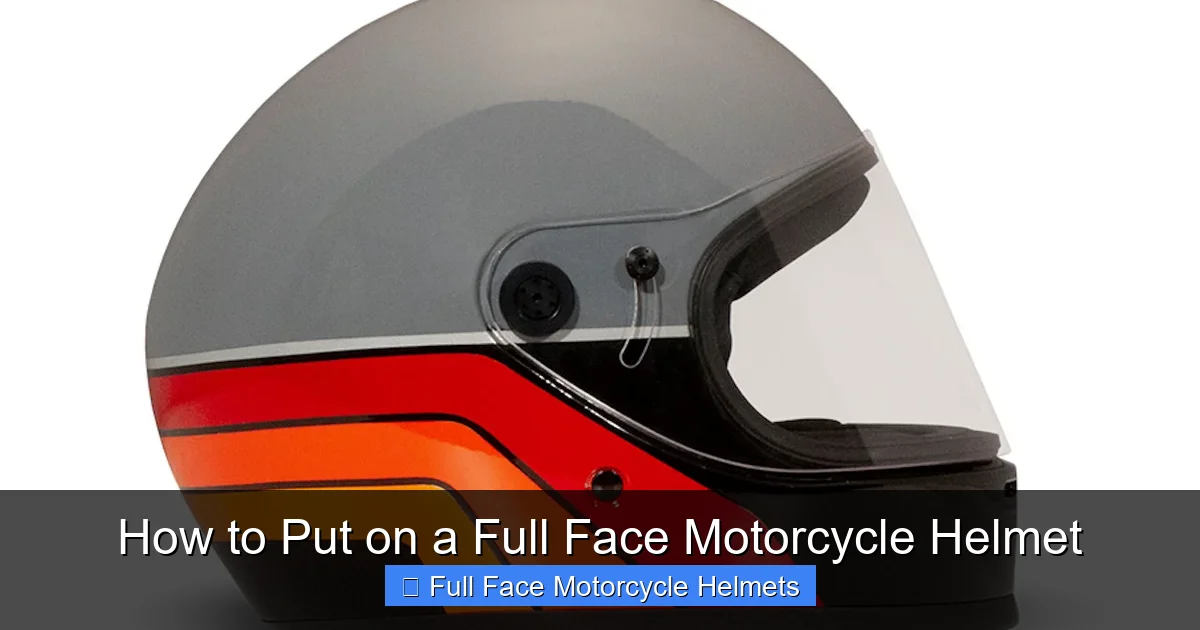
Visual guide about How to Put on a Full Face Motorcycle Helmet
Image source: cdn.renchlist.com
Open the Chin Strap
Undo the chin strap fully to make it easier to slide the helmet on. Most helmets have a D-ring or quick-release buckle. Make sure you know how your helmet’s strap system works so you can fasten it securely later.
Step 2: Position the Helmet Correctly
Hold the Helmet by the Chin Bar
Pick up your helmet using both hands, gripping the chin bar (the front part). This helps you control the helmet as you put it on and prevents damage to the visor or padding.
Place the Helmet Over Your Head
Lower the helmet straight down onto your head, from front to back. Avoid pushing it on from the back or side, as this can misalign the fit. The helmet should cover your entire head and sit just above your eyebrows for optimal protection.
Check Helmet Orientation
Make sure the helmet is level and not tilted forward, backward, or to the side. The front edge should be about one inch above your eyebrows, allowing you to see clearly without obstruction.
Step 3: Secure the Chin Strap
Fasten the Strap
Pull the chin strap under your chin and thread it through the D-rings or click it into the buckle. Follow the manufacturer’s instructions for your specific strap system.
Adjust for a Snug Fit
Tighten the strap until it’s snug but comfortable. You should be able to fit one or two fingers between the strap and your chin—not more. A loose strap can let the helmet move or come off during a ride, which is dangerous.
Check Strap Security
Once fastened, try to pull the helmet off by gripping the back and pulling upward. If it moves too much, tighten the strap again. The helmet should stay firmly in place.
Step 4: Adjust and Check the Fit
Feel for Pressure Points
Wear the helmet for a few minutes to see if any spots feel uncomfortably tight. Some pressure is normal, but sharp pain means the fit isn’t correct. Consider adjusting the padding or trying a different size.
Check Your Vision
Look around to ensure your peripheral vision isn’t blocked. The helmet’s field of view should be wide enough for safe riding, allowing you to see traffic and obstacles clearly.
Test Helmet Movement
Move your head side-to-side and up-and-down. The helmet should move slightly but not shift around. Excessive movement means the helmet is too big or the straps aren’t tight enough.
Step 5: Use the Visor Correctly
Lower the Visor
Close the visor when riding to protect your eyes from wind, debris, and insects. Most full face helmets have a smooth mechanism for opening and closing the visor.
Clean the Visor Regularly
Keep the visor clean for clear vision. Use a soft cloth and mild soap or a visor-specific cleaner. Avoid harsh chemicals that can damage the coating.
Use Anti-Fog Solutions if Needed
If you encounter fogging, apply an anti-fog spray or insert an anti-fog film. Fogging reduces visibility and is a safety hazard.
Practical Tips for Wearing a Full Face Motorcycle Helmet
- Practice putting on your helmet at home: This helps you get comfortable with the process and speeds it up before you hit the road.
- Replace your helmet every 5 years: Even if it looks fine, materials degrade over time.
- Store your helmet properly: Keep it away from direct sunlight and extreme temperatures.
- Don’t wear hats or bulky hairstyles under the helmet: These can affect the fit.
- Always wear a helmet certified to safety standards: Look for DOT, ECE, or Snell certifications.
Troubleshooting Common Helmet Fit Issues
Helmet Feels Too Tight
If your helmet causes pain or leaves marks, try loosening the straps or using thinner helmet liners. If discomfort persists, consider a larger size or a different helmet shape that fits your head better.
Helmet Moves Around Too Much
Double-check that your chin strap is snug and properly fastened. If it still shifts, try a smaller helmet or thicker padding for a better fit.
Visor Fogging Up
Use anti-fog sprays or pinlock inserts designed for your helmet model. Also, ensure the helmet has proper ventilation to reduce moisture buildup.
Difficulty Closing or Opening the Visor
Check if dirt or debris is blocking the visor mechanism. Clean it gently and lubricate if recommended by the manufacturer.
Conclusion
Putting on a full face motorcycle helmet correctly is simple once you know the steps. Follow this guide to ensure your helmet fits snugly, is comfortable, and provides the best protection while you ride. Remember, your helmet is your most important piece of safety gear, so take the time to wear it properly every time you get on your bike. With the right fit and adjustments, you’ll enjoy a safer, more enjoyable ride in 2025 and beyond.
🎥 Related Video: You're Putting on Your Motorcycle Helmet Wrong…
📺 Jacob Baldry
Today, we’re breaking down the RIGHT way to put on a helmet, whether you ride with a full-face or modular setup. ✓ We’ll cover: …