In this guide, you’ll learn what makes a full face motorcycle helmet quiet and explore the top quiet helmets of 2025. We’ll walk you through choosing the best helmet to minimize wind and road noise, ensuring a peaceful and enjoyable ride every time.
Key Takeaways
- Noise reduction matters: A quieter helmet improves focus and reduces fatigue on long rides.
- Helmet design affects noise: Aerodynamics, padding, and seal quality all play a role.
- Top quiet helmets 2025: Models from Shoei, Arai, and HJC lead the pack in noise control.
- Proper fit is crucial: Even the quietest helmet won’t perform well if it doesn’t fit correctly.
- Additional tips: Using earplugs and helmet liners can further reduce noise.
- Maintenance helps: Regular cleaning and checking seals keep noise levels low.
What Is the Quietest Full Face Motorcycle Helmet 2025?
Riding a motorcycle is thrilling, but wind noise can quickly turn an enjoyable ride into a tiring experience. If you’re wondering what is the quietest full face motorcycle helmet 2025, you’ve come to the right place. This guide will help you understand the factors that affect helmet noise, introduce top quiet helmet models for 2025, and give you tips on how to select and maintain the perfect helmet for a peaceful ride.
Why Does Helmet Noise Matter?
Wind noise isn’t just annoying; it can be dangerous. Excessive noise leads to fatigue and distracts from focusing on the road. A quiet helmet helps you stay alert, reduces stress, and can even protect your hearing over time. That’s why choosing a helmet with excellent noise reduction is important for every rider.
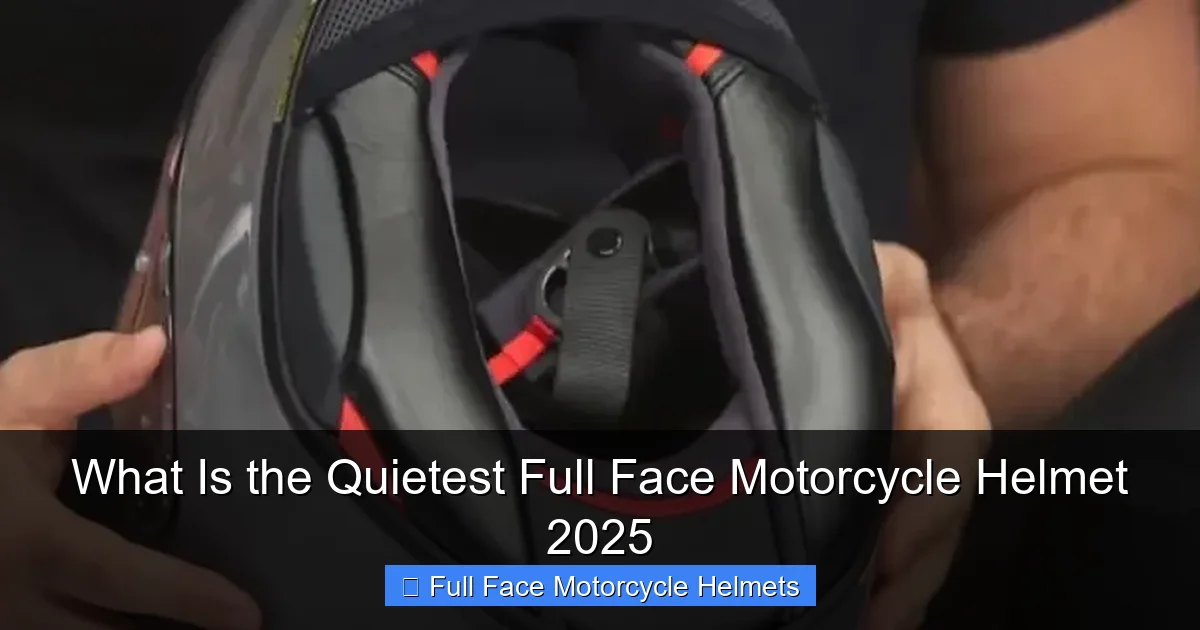
Visual guide about What Is the Quietest Full Face Motorcycle Helmet 2025
Image source: motorcyclegearpuzzle.com
How to Choose the Quietest Full Face Motorcycle Helmet in 2025
Step 1: Understand Noise-Reducing Features
Quiet helmets share certain design elements. Here’s what to look for:
- Aerodynamic shape: Smooth, streamlined designs reduce wind turbulence around the helmet.
- Quality padding and seals: Cushioned interior and tight seals around the visor and neck help block noise.
- Visor fit: A visor that closes snugly prevents wind from whistling through gaps.
- Ventilation system: Proper vent placement minimizes noise while maintaining airflow.
Step 2: Check Helmet Certifications and Ratings
Look for helmets that meet safety standards like DOT, ECE, or Snell. Some brands also provide noise level ratings measured in decibels (dB). Though not always available, these ratings help compare models objectively.
Step 3: Try On for Fit and Seal
Fit is critical. A helmet that doesn’t seal well around your head and neck lets in air and noise. When trying helmets:
- Wear the helmet for a few minutes to check pressure points.
- Check that the chin strap holds the helmet firmly but comfortably.
- Look for even contact around the cheeks and jawline to reduce gaps.
Step 4: Research Top Quiet Helmets of 2025
Here are some of the quietest full face helmets available or anticipated in 2025:
Shoei RF-SR
- Known for excellent aerodynamics and premium padding.
- Visor seal reduces wind intrusion effectively.
- Advanced noise reduction foam inside.
Arai Corsair-X
- Superior fit customization for tight seals.
- Multi-layer noise dampening liners.
- Optimized ventilation that minimizes whistling.
HJC RPHA 70 ST
- Great value with noise-reducing aerodynamic design.
- Integrated sun visor with tight sealing reduces noise leaks.
- Comfort padding improves fit and blocks sound.
Step 5: Use Additional Noise-Reducing Accessories
Even the best helmet can benefit from extras:
- Earplugs: High-fidelity earplugs reduce wind noise while allowing you to hear important sounds.
- Helmet liners: Aftermarket liners or cheek pads improve fit and sound insulation.
- Neck curtains/scarves: These block noise from entering under the helmet.
How to Maintain Your Helmet for Optimal Noise Reduction
Keep the Helmet Clean
Dust and dirt can wear down seals and padding. Clean the visor and interior regularly with mild soap and water. Avoid harsh chemicals.
Check Visor and Seal Integrity
Over time, visors may warp or seals may loosen. Inspect these parts often and replace if damaged to keep noise at bay.
Replace Worn Padding
Helmet liners compress with use, reducing their noise-blocking ability. Many brands sell replacement liners—change them every 1-2 years depending on wear.
Troubleshooting Common Noise Issues
Problem: Excessive Wind Noise Even with a Quiet Helmet
- Check the fit: A loose helmet allows wind to enter and create noise.
- Inspect visor seals: Gaps or worn seals cause whistling sounds.
- Use earplugs: Sometimes additional sound protection is necessary.
Problem: Noise Only at Certain Speeds
- Wind turbulence changes with speed and head position.
- Try slightly adjusting your riding posture to reduce airflow hitting the helmet at problematic angles.
- Consider helmets with wind tunnel-tested aerodynamics.
Conclusion: Ride Quietly and Confidently in 2025
Choosing the quietest full face motorcycle helmet 2025 means prioritizing fit, design, and quality materials. With the right helmet, you’ll enjoy less noise fatigue, better concentration, and safer rides. Remember to try helmets on, consider top models like the Shoei RF-SR or Arai Corsair-X, and keep your helmet well-maintained. Pair your helmet with earplugs or liners for the ultimate quiet riding experience. Now, gear up and enjoy the road with peace and quiet!
🎥 Related Video: Top 10 Quietest Helmets of 2025 – Out Now! – ChampionHelmets #helmet #review #top10 #motorcyclegear
📺 Champion Helmets
Browsing for a quiet helmet? With the information in our top 10 video, you’re sure to find the very best helmet for your needs.