Choosing a good full face motorcycle helmet is essential for every rider’s safety and comfort. This guide covers everything you need to know, from selecting the right fit and materials to understanding safety certifications and maintenance tips. With clear steps and expert advice, you’ll be equipped to pick the perfect helmet for your riding style and needs.
Key Takeaways
- Proper Fit is Crucial: A helmet must fit snugly without pressure points to ensure maximum protection and comfort.
- Safety Certifications Matter: Look for DOT, ECE, or Snell ratings to guarantee the helmet meets safety standards.
- Material Makes a Difference: Helmets made from fiberglass, carbon fiber, or polycarbonate offer different levels of protection and weight.
- Ventilation Enhances Comfort: Good airflow prevents overheating and keeps you comfortable on long rides.
- Visor Quality is Key: Anti-fog and scratch-resistant visors improve visibility and safety.
- Additional Features Add Value: Removable liners, communication system compatibility, and aerodynamic design can enhance your riding experience.
- Regular Maintenance Extends Helmet Life: Cleaning and proper storage keep your helmet safe and fresh.
What Is a Good Full Face Motorcycle Helmet?
A good full face motorcycle helmet protects your head fully, covering your chin and face, while providing comfort and clear visibility. It’s designed to reduce injury risks during accidents and shield you from wind, debris, and weather. In this guide, you’ll learn how to identify the best helmet for your needs, with a focus on safety, fit, features, and maintenance.
Step 1: Understand the Importance of Safety Certifications
Before buying a full face motorcycle helmet, check for safety certifications. These certifications prove the helmet has passed rigorous testing for impact resistance and durability.
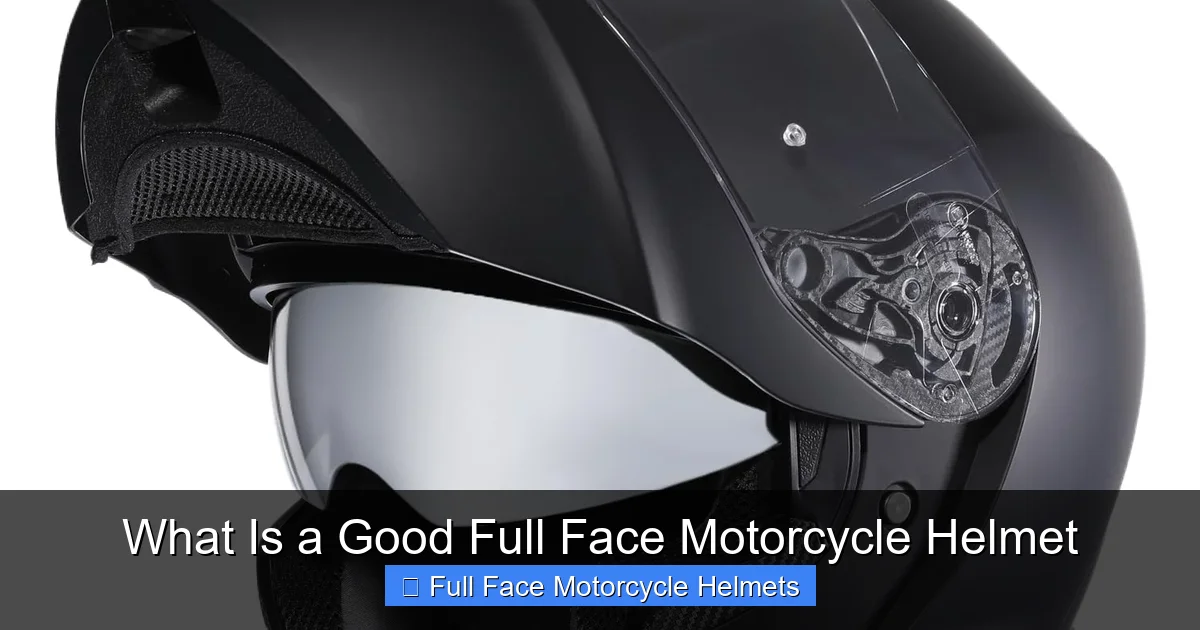
Visual guide about What Is a Good Full Face Motorcycle Helmet
Image source: m.media-amazon.com
What Certifications to Look For
- DOT (Department of Transportation): Mandatory in the US, ensures minimum safety standards.
- ECE 22.05 or ECE 22.06: European standards, considered more stringent than DOT.
- Snell Certification: Voluntary but highly respected for its strict testing.
Choosing a helmet with one or more of these certifications means you’re selecting a product tested for safety.
Step 2: Choose the Right Helmet Material
The material affects helmet weight, strength, and comfort. Common materials include:
Fiberglass Composite
Lightweight and strong, offers good impact absorption. Often found in mid to high-end helmets.
Polycarbonate
Durable and affordable but usually heavier. Great for budget-conscious riders.
Carbon Fiber
Top-tier material, very light and strong. Popular among sportbike riders and professionals but tends to be pricier.
Consider your budget and riding style when selecting material.
Step 3: Find Your Perfect Fit
A helmet that fits well is the most important factor for safety and comfort.
Measure Your Head
- Use a soft measuring tape around the largest part of your head, just above the eyebrows.
- Note the measurement in centimeters or inches.
Try Different Brands and Sizes
- Helmet sizing can vary by brand, so test several models.
- The helmet should feel snug but not painfully tight.
- Wear it for 10-15 minutes to check for pressure points.
Check Helmet Shape
Heads come in different shapes: round, oval, or intermediate oval. Pick a helmet shape matching your head for best fit.
Step 4: Assess Helmet Comfort Features
Comfort keeps you focused and safe during rides. Look for:
Padded Liners
Removable and washable liners improve hygiene. Quality padding also absorbs sweat.
Ventilation Systems
Multiple vents help air flow, reducing heat buildup inside the helmet.
Weight Considerations
Lighter helmets reduce neck strain on long rides.
Step 5: Evaluate Visor Quality and Functionality
The visor protects your eyes and face from wind, dust, and insects.
Anti-Fog Coating
Prevents your visor from fogging up in cold or humid conditions.
Scratch Resistance
Durable coatings keep your visor clear and safe over time.
UV Protection
Shields your eyes from harmful sun rays during daytime rides.
Pinlock Insert Compatibility
Allows you to add a fog-resistant insert for extra clarity.
Step 6: Look for Extra Features That Suit Your Riding Style
- Communication System Ready: Some helmets have built-in mounts or space for Bluetooth devices.
- Chin Curtains and Breath Guards: Reduce wind noise and keep cold air out.
- Aerodynamic Design: Helps reduce drag and noise at high speeds.
- Quick-Release Buckles: Make putting on and removing your helmet easier and safer.
Step 7: Test and Inspect Your Helmet
Before finalizing your purchase, perform these checks:
- Ensure straps fasten securely and comfortably.
- Check visor movement—should open and close smoothly without gaps.
- Look for any manufacturing defects or loose parts.
Step 8: Maintain and Care for Your Full Face Helmet
Proper care keeps your helmet safe and looking good for years.
Cleaning the Helmet
- Remove liners and wash with mild soap and water.
- Use a soft cloth and gentle cleaner for the helmet shell.
- Avoid harsh chemicals that can damage materials.
Storage Tips
Keep your helmet in a cool, dry place away from direct sunlight. Use a helmet bag or cover to prevent scratches.
Replace When Necessary
Helmets should be replaced every 5 years or immediately after a significant impact.
Troubleshooting Common Issues
Helmet Feels Too Tight or Too Loose
If the helmet is uncomfortable, try a different size or brand with a different shape. Custom fit padding kits can help adjust fit.
Visor Fogging Up
Use anti-fog sprays or install a Pinlock visor insert. Opening vents slightly can also improve airflow.
Uncomfortable Ventilation
If your helmet feels too hot, check if vents are blocked. Adjust vent openings to improve airflow.
Conclusion
Choosing a good full face motorcycle helmet involves understanding safety certifications, selecting the right materials, and finding a perfect fit. Comfort features and quality visors enhance your riding experience. By following this guide, you’ll confidently pick a helmet that keeps you safe, comfortable, and stylish on every ride. Remember to maintain your helmet properly and replace it when needed to ensure ongoing protection.
🎥 Related Video: Full Face or Half Face Helmet? No Problem LS2 Advant Got you covered!🔥 #shorts #short #fyp #helmets
📺 Langga Gail