
Full face helmets can fog up, especially in cold or humid conditions. This guide explains why fogging happens and shares practical steps to prevent and clear helmet fog. By following these tips, riders can enjoy safer, clearer vision on every journey.
Key Takeaways
- Fogging occurs due to temperature differences: Warm breath meets a cold visor causing condensation.
- Full face helmets are prone to fogging: Their enclosed design traps heat and moisture.
- Anti-fog treatments help: Use sprays, wipes, or inserts designed for helmet visors.
- Proper ventilation reduces fogging: Adjust vents to allow airflow.
- Pinlock visors are effective: They create a double-pane barrier to block fog.
- Regular visor cleaning prevents fog buildup: Dirt and oils worsen fogging.
- Simple habits like breathing downward reduce fog: Direct breath away from the visor.
Do Full Face Helmets Fog Up?
If you’ve ever ridden with a full face helmet, you might have noticed your visor fogging up. It’s a common issue that can be frustrating and even dangerous. In this guide, you will learn why full face helmets fog up, how to prevent it, and effective ways to deal with it while on the road. By the end, you’ll have practical tips to keep your vision clear and your ride safe.
Why Do Full Face Helmets Fog Up?
Understanding why fogging happens is the first step to preventing it. Fog forms when warm, moist air hits a cold surface. When you wear a full face helmet, your breath produces moisture inside. If the visor is cooler than the inside air, condensation forms, creating fog.
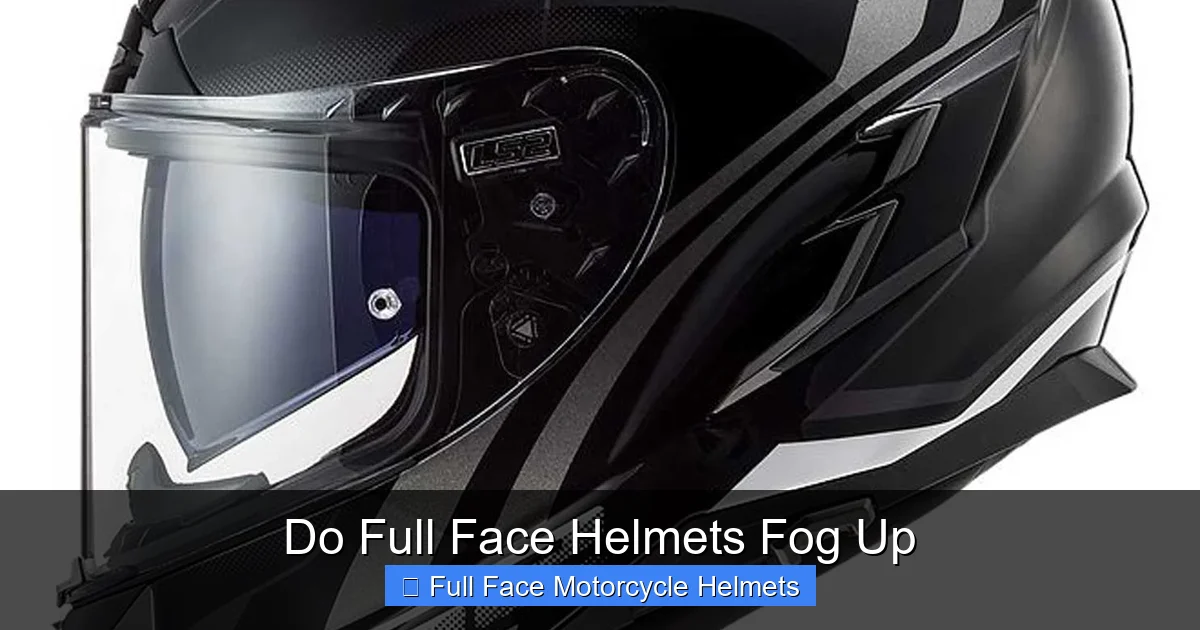
Visual guide about Do Full Face Helmets Fog Up
Image source: cdn11.bigcommerce.com
Full face helmets are designed to protect your head completely. This enclosed space traps your breath’s moisture and heat, especially when the outside air is cold or humid. Without proper ventilation or anti-fog features, fogging is almost inevitable.
Step-by-Step Guide to Prevent Fogging in Full Face Helmets
1. Choose a Helmet with Good Ventilation
Ventilation is key to reducing fog. Look for helmets with adjustable vents on the chin, top, and rear. These vents allow fresh air to flow inside and push out moist air.
- Tip: Open vents slightly when riding in cold weather to reduce temperature differences inside the helmet.
2. Use Pinlock or Anti-Fog Visors
Pinlock visors are a popular solution. They work like double-glazed windows, creating an insulating air layer between two visor surfaces. This stops condensation from forming.
- Tip: If your helmet supports a Pinlock insert, invest in one for your visor.
- If you don’t have a Pinlock, consider anti-fog sprays or wipes designed specifically for helmet visors.
3. Apply Anti-Fog Treatments
Anti-fog sprays or wipes create a thin film that prevents water droplets from sticking. Here’s how to apply them:
- Clean your visor thoroughly with a microfiber cloth and mild soap.
- Apply the anti-fog spray or wipe evenly on the inside of the visor.
- Let it dry completely before use.
Pro tip: Reapply treatments regularly, especially after cleaning your visor.
4. Adjust Your Breathing Technique
Where your breath goes matters. Try to breathe downward, directing warm air away from the visor. This simple habit minimizes moisture buildup on the glass.
5. Keep Your Visor Clean
Dirt, oils, and smudges on your visor make fogging worse. Clean your visor regularly using a soft cloth and gentle cleaner. Avoid harsh chemicals that can damage anti-fog coatings.
6. Use Helmet Liners and Moisture-Wicking Pads
Helmet liners absorb sweat and reduce moisture inside the helmet. Moisture-wicking materials keep your head dry, which helps limit fog formation.
7. Consider Using a Breath Deflector
Some helmets come with or allow you to add a breath deflector. This small accessory redirects your breath downward and away from the visor, reducing fogging.
Troubleshooting Common Fogging Issues
Fogging Despite Anti-Fog Products
If your visor still fogs, check for the following:
- Is the visor clean? Residue can reduce anti-fog effectiveness.
- Are you applying the anti-fog treatment correctly and regularly?
- Are vents open and unobstructed?
Try combining multiple methods like using a Pinlock insert plus an anti-fog spray for best results.
Fogging in Extreme Weather
Cold or rainy climates make fogging worse. Here, keep your vents open to allow airflow. Consider heated visors if you ride frequently in freezing conditions.
Fogging When Stationary
Fog often appears when stopped because airflow stops. If safe, open your visor slightly or remove your helmet briefly to clear the fog.
Additional Practical Tips
- Wear a balaclava or face mask that absorbs moisture to reduce breath humidity inside the helmet.
- Store your helmet in a dry place to prevent mold and moisture buildup.
- Replace visors if scratched or damaged, as this can worsen fogging and impair visibility.
Conclusion
Yes, full face helmets can fog up, but with the right knowledge and tools, you can keep your vision clear and safe. Understanding why fogging happens helps you choose the right helmet features and anti-fog methods. From ventilation to Pinlock inserts and proper breathing, these simple steps make a big difference. Don’t let fogging ruin your ride—try these tips and enjoy a clearer view in 2025 and beyond.
🎥 Related Video: How to stop your motorcycle helmet visor from fogging up
📺 E.T.Matrix