Finding the lightest weight full face motorcycle helmet can greatly improve your riding comfort and reduce neck strain. This guide walks you through the best helmet materials, key features to look for, and top lightweight helmet options available today.
Key Takeaways
- Lightweight helmets reduce fatigue: A lighter helmet lessens neck strain during long rides.
- Material matters: Carbon fiber and composite shells are typically the lightest options.
- Proper fit is essential: The lightest helmet is ineffective if it doesn’t fit properly.
- Safety ratings can coincide with light weight: Lightweight doesn’t mean compromising protection.
- Ventilation and comfort features: Look for helmets that balance light weight with good airflow.
- Price vs performance: High-end lightweight helmets come with premium features but also cost more.
- Try before you buy: Testing helmets helps ensure comfort and fit along with lightness.
What Is the Lightest Weight Full Face Motorcycle Helmet?
Riders often ask, “What is the lightest weight full face motorcycle helmet?” This question matters because a lighter helmet can improve your riding experience by reducing fatigue and neck strain. In this guide, you will learn exactly how to find the lightest full face helmets, what materials make them light, and key features to consider. We’ll also share tips on fitting and buying the perfect lightweight helmet.
Step 1: Understand Why Helmet Weight Matters
Reduce Neck Fatigue
A helmet’s weight directly affects your comfort. Heavier helmets can tire your neck muscles on long rides, leading to discomfort or even pain. So, choosing a light helmet helps keep you comfortable on the road.
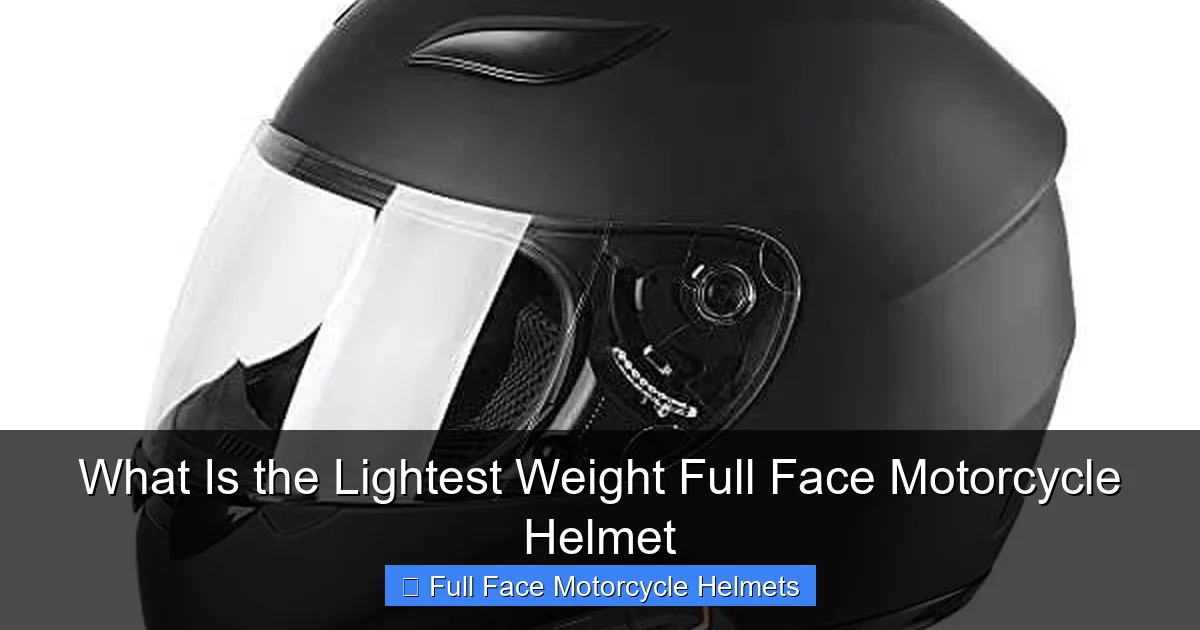
Visual guide about What Is the Lightest Weight Full Face Motorcycle Helmet
Image source: agvsport.com
Improve Riding Safety
When your helmet is light and fits well, you can move your head quickly to check blind spots or react to hazards. This agility improves your overall riding safety.
Step 2: Know the Key Materials for Lightweight Helmets
Carbon Fiber
Carbon fiber is known for being extremely strong yet very light. Helmets made with carbon fiber shells are often the lightest on the market.
Fiberglass Composite
Fiberglass composite helmets combine fiberglass with other materials to create a lightweight, durable shell. They tend to be lighter than polycarbonate but heavier than pure carbon fiber.
Polycarbonate
Polycarbonate helmets are usually heavier but more affordable. While some polycarbonate helmets are designed to be light, they generally don’t match the weight savings of carbon fiber or composites.
Step 3: Check the Helmet’s Weight Specifications
Helmet weight is typically measured in grams. For full face helmets, a weight under 1400 grams (about 3 pounds) is considered lightweight. Premium carbon helmets can weigh as little as 1100 grams or less.
Step 4: Consider Helmet Size and Fit
Proper Fit Is Crucial
A helmet that fits well distributes weight evenly around your head. Even a light helmet can feel uncomfortable if it presses on certain areas. Always try helmets on before buying.
Check for Comfort Features
Look for helmets with removable liners, adjustable cheek pads, and good ventilation. These features improve comfort, making the helmet feel lighter on your head.
Step 5: Review Top Lightest Full Face Motorcycle Helmets
Here are some popular lightweight full face helmets known for their light weight and safety:
- Shoei RF-SR: Weighs around 1300 grams, made with fiberglass composite shell, offers excellent ventilation.
- Arai Corsair-X: About 1350 grams, renowned for comfort and safety with a composite shell.
- Bell Race Star Flex DLX: Roughly 1300 grams, carbon fiber shell with advanced impact protection.
- AGV Pista GP RR: Weighs near 1400 grams, carbon fiber shell designed for professional racers.
- HJC RPHA 11 Pro: Around 1200-1300 grams, carbon composite shell and aerodynamic design.
Step 6: Balance Light Weight With Safety Ratings
Light weight should never come at the expense of safety. Always check for DOT, ECE, or Snell certifications. Manufacturers often design lightweight helmets to meet or exceed these standards.
Step 7: Try Before You Buy
Because fit and comfort are personal, visit a store to try on various helmets. Wear the helmet for at least 10-15 minutes to see how it feels on your head. Ask about return policies if ordering online.
Practical Tips for Choosing a Lightweight Full Face Helmet
- Test for balance: The helmet should feel balanced and not front-heavy.
- Consider your riding style: Lightweight helmets are great for sport and touring riders.
- Check ventilation: Good airflow keeps you cool, which makes wearing the helmet more comfortable.
- Don’t compromise on visor quality: A clear, scratch-resistant visor enhances safety.
- Look for noise reduction features: Lightweight helmets sometimes let in more noise; padding can help.
Troubleshooting Common Issues
Helmet Feels Too Tight or Loose
If your helmet is uncomfortable, try different sizes or brands. Adjustable cheek pads or liners can help improve fit.
Helmet Feels Heavy Despite Being Lightweight
This could be due to poor fit or balance. Check the helmet’s weight distribution and try alternative models.
Fogging Visor
Fogging reduces visibility. Use anti-fog inserts or pinlock visors to keep the shield clear.
Conclusion
Finding the lightest weight full face motorcycle helmet can make your rides more comfortable and safer. Focus on helmets made with carbon fiber or composite materials, ensure proper fit, and look for certified safety standards. Trying helmets on before purchase helps you find the best option for your head shape and riding style. By balancing weight, comfort, and protection, you’ll enjoy every mile on the road without unnecessary fatigue.
🎥 Related Video: Full Face or Half Face Helmet? No Problem LS2 Advant Got you covered!🔥 #shorts #short #fyp #helmets
📺 Langga Gail