Should you wear a full face helmet mountain biking? This guide explores the pros and cons of full face helmets for mountain biking. You’ll learn when and why a full face helmet can boost your safety, how to pick the right one, and practical tips for use. Stay protected and confident on every trail with the right gear!
Key Takeaways
- Safety First: Full face helmets provide superior protection for your head and face during mountain biking crashes.
- Trail Type Matters: Choose a full face helmet for downhill and aggressive trails, and consider lighter helmets for easier rides.
- Comfort and Fit: Proper fit is essential for comfort and safety; a well-fitted full face helmet improves protection.
- Ventilation is Key: Look for helmets with good airflow to stay cool during intense rides.
- Helmet Weight: Full face helmets are heavier, so balance protection with comfort for longer rides.
- Additional Features: Some helmets include removable chin bars and visors for versatility.
- Maintenance and Care: Regularly check and clean your helmet to maintain its protective qualities.
Should You Wear a Full Face Helmet Mountain Biking?
Mountain biking is an exciting and adventurous sport, but it also comes with risks. One of the most common questions riders ask is whether they should wear a full face helmet mountain biking. This guide will help you understand the advantages and disadvantages of full face helmets, how to choose the right one, and when to wear it to stay safe on the trails.
Why Consider a Full Face Helmet for Mountain Biking?
Full face helmets offer extensive protection for your entire head, including your chin and jaw, which regular open-face helmets do not cover. This extra coverage can be a lifesaver in high-speed crashes or when riding technical, rocky trails. But full face helmets also have some trade-offs, like weight and ventilation. Let’s explore these aspects.
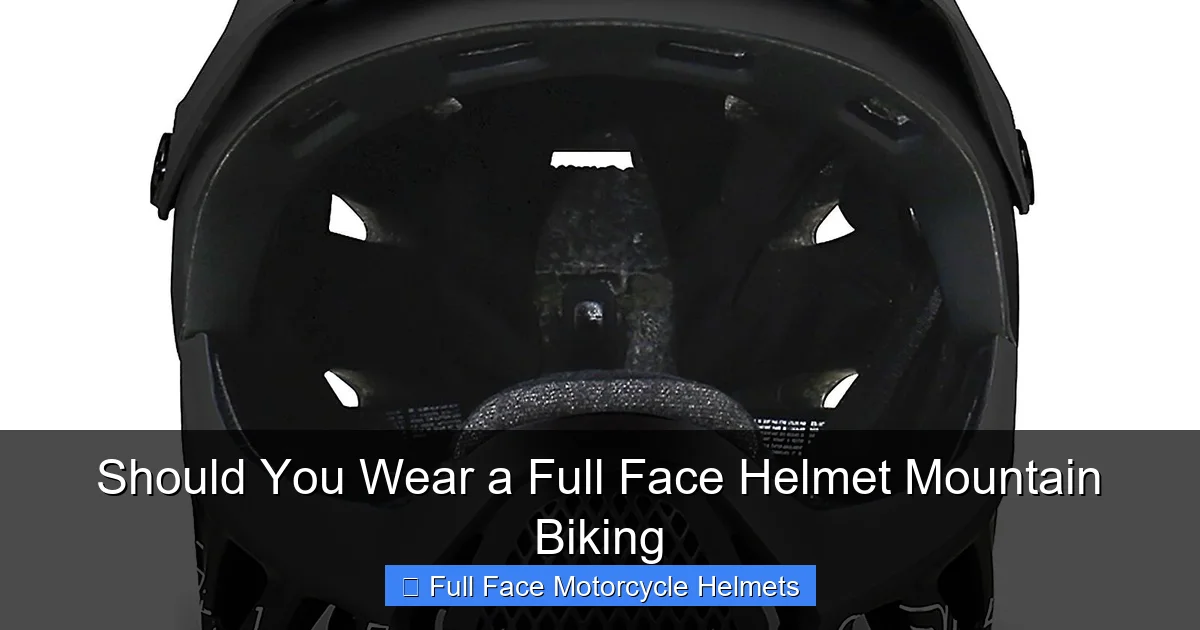
Visual guide about Should You Wear a Full Face Helmet Mountain Biking
Image source: img.fruugo.com
Step 1: Understand the Benefits of Full Face Helmets
Comprehensive Protection
A full face helmet covers your entire head and face, shielding your chin, jaw, and cheeks. This is important because many mountain biking injuries involve facial impacts, especially during downhill or aggressive rides.
Improved Confidence
Wearing a full face helmet can boost your confidence on challenging trails. Knowing your face is protected lets you focus more on the ride rather than worrying about potential injuries.
Better Impact Absorption
Full face helmets are designed to absorb impacts from multiple angles. Their robust construction helps reduce the force transmitted to your skull and face during a fall.
Step 2: Identify When to Wear a Full Face Helmet
Downhill and Enduro Riding
These riding styles involve high speeds and technical terrain. Full face helmets are highly recommended here because the risk of crashing is greater, and injuries tend to be more severe.
Technical Trails and Jumps
If your rides include big jumps, drops, or rocky descents, full face helmets provide added peace of mind and protection.
Casual or Cross-Country Riding
For easier trails or cross-country rides, a lightweight open-face helmet may be sufficient. Full face helmets can feel heavy and hot in these situations.
Step 3: How to Choose the Right Full Face Helmet
Fit and Size
Measure your head circumference and try on different helmets to find one that fits snugly but comfortably. The helmet should not move around when you shake your head.
Ventilation
Look for helmets with multiple vents and good airflow channels. This keeps you cool and prevents overheating during long rides.
Weight
Choose a helmet that balances protection with a lightweight design. Heavy helmets can cause neck fatigue on long rides.
Certification
Ensure your helmet meets safety standards such as CPSC, ASTM, or EN certifications, which guarantee tested impact protection.
Additional Features
- Removable Chin Bars: Some helmets have detachable chin guards for versatility.
- Visors: Adjustable visors protect your eyes from sun and debris.
- Compatibility: Check if the helmet fits with goggles or communication devices you use.
Step 4: How to Properly Wear and Maintain Your Full Face Helmet
Wearing Your Helmet Correctly
- Place the helmet level on your head, covering your forehead without tilting backward or forward.
- Fasten the chin strap securely to prevent the helmet from moving during your ride.
- Adjust internal padding for a snug fit that is comfortable but tight enough to stay in place.
Maintaining Your Helmet
- Clean the helmet regularly using mild soap and water.
- Inspect the helmet for cracks or damage after any crashes.
- Replace your helmet every 3-5 years or immediately if it suffers a significant impact.
Step 5: Practical Tips for Using a Full Face Helmet Mountain Biking
Stay Hydrated
Full face helmets can be warmer, so drink plenty of water to stay hydrated.
Practice Wearing It
If you’re new to full face helmets, wear it around the house or on short rides to get used to the feel.
Pair with Proper Gear
Use goggles with your full face helmet for eye protection and better visibility.
Check Weather Conditions
On hot days, ensure your helmet’s ventilation is adequate or consider lighter alternatives.
Troubleshooting Common Issues
Helmet Feels Too Tight or Uncomfortable
Try adjusting the internal padding or straps. If discomfort persists, try a different helmet size or model to find a better fit.
Fogging Inside the Helmet or Goggles
Use anti-fog sprays and ensure proper ventilation. Opening vents or taking breaks can also help reduce fogging.
Helmet Slips During Riding
Double-check that the chin strap is securely fastened. Adjust the fit system inside the helmet. If it still slips, a different helmet size may be required.
Conclusion: Is a Full Face Helmet Right for You?
Wearing a full face helmet mountain biking is a smart choice for riders tackling downhill, enduro, or technical terrain. The enhanced protection for your face and head can prevent serious injuries and boost your confidence on challenging trails. However, for casual or cross-country rides, lighter helmets may offer more comfort without sacrificing safety.
Ultimately, the decision comes down to your riding style, trail difficulty, and personal comfort. If you decide to go with a full face helmet, choose one that fits well, offers good ventilation, and meets safety standards. With the right helmet, you can enjoy mountain biking with greater peace of mind and protection.
🎥 Related Video: Do You Need A Full Face Helmet For Mountain Biking? | Full Face Vs Half Shell MTB Helmets
📺 Global Mountain Bike Network
Do you need a full face helmet? In this video we’ll talk you through the advantages and disadvantages of the two different types of …