A full face motorcycle helmet is a popular type of protective gear that covers the entire head and face, offering maximum safety while riding. This guide explains what a full face helmet is, its key features, and how to select the perfect fit for your riding needs.
Key Takeaways
- Comprehensive Protection: Full face helmets cover the entire head and face, providing superior safety compared to other types.
- Integrated Visor: They include a built-in visor to protect your eyes from debris, wind, and sunlight.
- Comfort and Fit: Proper fit and comfort are crucial for effectiveness and rider satisfaction.
- Ventilation: Modern full face helmets have advanced ventilation systems to keep riders cool.
- Noise Reduction: Their design helps reduce wind noise, making rides more enjoyable.
- Style and Design: Available in many styles and graphics, full face helmets appeal to diverse rider preferences.
- Maintenance: Regular cleaning and care extend helmet life and performance.
What Is a Full Face Motorcycle Helmet?
If you’re new to motorcycling or thinking about upgrading your gear, understanding what a full face motorcycle helmet is will help you make a smarter choice. A full face helmet is a type of motorcycle helmet that covers your entire head, including your chin and face, offering the highest level of protection. This guide will walk you through everything you need to know—from the key features and benefits to how to pick the right one and maintain it properly.
Step 1: Understanding the Basics of Full Face Helmets
What Makes a Full Face Helmet Different?
Unlike open-face or half helmets, full face helmets shield your entire head and face. This includes the chin bar, which protects one of the most vulnerable parts of your face during impact. The hard outer shell absorbs and distributes force, while the inner foam liner cushions your head.
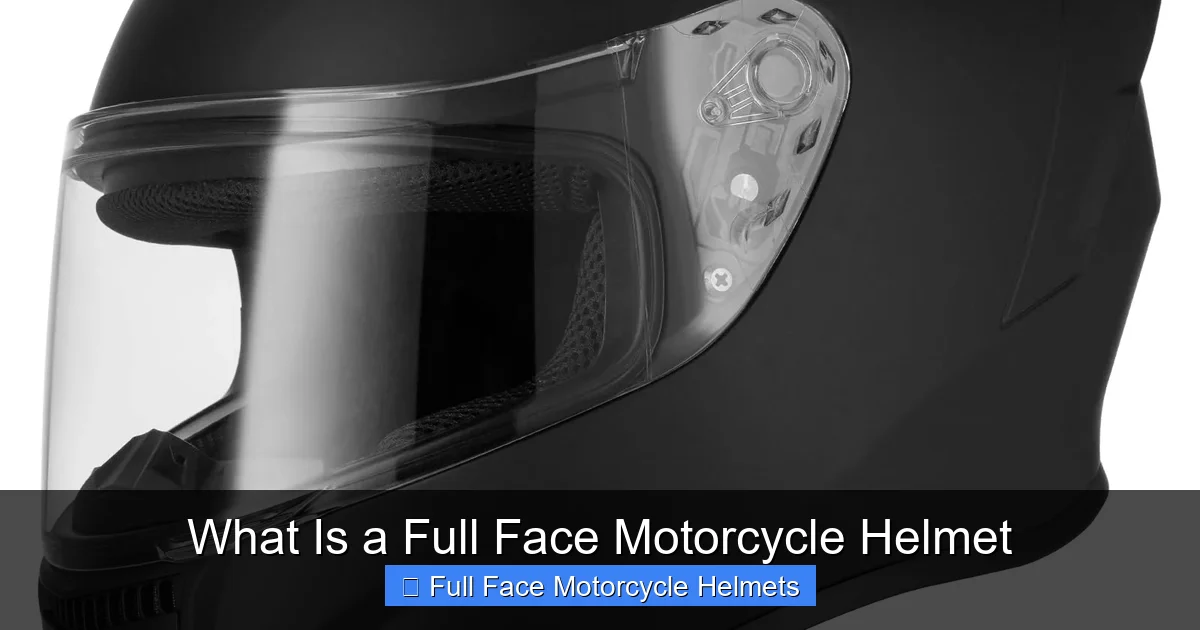
Visual guide about What Is a Full Face Motorcycle Helmet
Image source: m.media-amazon.com
Key Components
- Outer Shell: Made of polycarbonate, fiberglass, carbon fiber, or composites, it withstands impacts.
- Impact-Absorbing Liner: Usually EPS foam, it absorbs shock during crashes.
- Comfort Padding: Soft inner lining provides comfort and fit.
- Visor/Face Shield: A clear or tinted shield protects eyes from wind, debris, and UV rays.
- Chin Strap: Secures the helmet firmly on your head.
Step 2: Benefits of Wearing a Full Face Motorcycle Helmet
Maximum Safety
The full coverage design means your head, face, and chin are protected. Studies show full face helmets reduce the risk of severe injuries more effectively than other helmet types.
Protection from Weather and Debris
The visor shields your eyes from rain, dust, insects, and wind. This keeps your vision clear and improves riding safety.
Noise Reduction
Because the helmet encloses your head, it blocks wind noise, reducing fatigue and making communication easier.
Comfort Features
Modern helmets come with adjustable vents, removable liners, and aerodynamic shapes to improve comfort on long rides.
Step 3: How to Choose the Right Full Face Helmet
Measure Your Head Correctly
Use a soft tape measure to find the circumference of your head, about an inch above your eyebrows. Compare this measurement with the helmet size chart provided by the manufacturer.
Try Different Brands and Models
Helmet shapes vary—round, oval, or intermediate oval. Trying helmets on helps find the best fit for your head shape.
Check for Safety Certifications
Look for DOT (Department of Transportation), ECE (Economic Commission for Europe), or Snell certification labels. These ensure the helmet meets safety standards.
Consider Additional Features
- Ventilation: Look for multiple vents to keep airflow steady.
- Weight: Lighter helmets reduce neck strain.
- Visor Type: Some come with anti-fog, UV protection, or quick-release mechanisms.
- Noise Insulation: Check rider reviews for noise levels.
Set a Budget
Full face helmets come in a range of prices. While it’s tempting to choose cheaper options, investing in a quality helmet is key to your safety.
Step 4: How to Properly Wear and Adjust a Full Face Helmet
Put the Helmet On Correctly
Hold the helmet by the chin straps, place it over your head, and pull the straps evenly.
Secure the Chin Strap
Fasten the strap snugly under your chin. It should be tight enough to keep the helmet from moving, but not so tight to cause discomfort.
Check the Fit
- The helmet should feel snug but not painful.
- Try moving the helmet side to side and up and down. It should stay firmly in place.
- Wear the helmet for 10-15 minutes to see if any pressure points develop.
Adjust the Visor
Ensure the visor opens and closes smoothly. It should seal completely to protect your face from wind and rain.
Step 5: Maintaining Your Full Face Motorcycle Helmet
Regular Cleaning
Use mild soap and water to clean the helmet’s exterior. Avoid harsh chemicals that can damage the shell and visor coatings.
Clean the Interior Padding
Most helmets have removable liners. Wash them gently by hand and air dry to prevent odors and bacteria buildup.
Check for Damage
Inspect the helmet regularly for cracks, dents, or worn straps. Replace your helmet if it sustains impact or shows signs of wear.
Proper Storage
Store your helmet in a cool, dry place away from direct sunlight and chemicals. Use a helmet bag if possible to prevent scratches.
Troubleshooting Common Issues
Helmet Feels Too Tight or Too Loose
If your helmet is uncomfortable, try a different brand or size. Remember that liners compress over time, so a snug fit is ideal.
Visor Fogging Up
Consider anti-fog treatments or pinlock visors. Also, ensure ventilation is open to reduce moisture buildup.
Excessive Wind Noise
Check if the helmet fits correctly. Wind noise often comes from gaps around the neck or visor. Wearing earplugs can help reduce noise further.
Conclusion
A full face motorcycle helmet is the best choice for riders seeking top-level protection and comfort. By understanding what it is, how to choose the right helmet, and how to care for it, you ensure safer and more enjoyable rides. Take your time to find a helmet that fits your head perfectly, meets safety standards, and suits your riding style. Remember, investing in a quality full face helmet means investing in your safety every time you hit the road.
🎥 Related Video: Full Face or Half Face Helmet? No Problem LS2 Advant Got you covered!🔥 #shorts #short #fyp #helmets
📺 Langga Gail