Wearing a full face helmet is essential for many motorcyclists, offering superior protection and comfort. This guide explains when to choose a full face helmet, including specific riding conditions, safety benefits, and practical tips to help you make the right decision every time you hit the road.
Key Takeaways
- Full face helmets provide maximum protection: They cover your entire head, face, and chin, reducing injury risk during accidents.
- Ideal for high-speed or long-distance rides: They offer better wind and noise protection, enhancing comfort on highways.
- Best choice in bad weather: They protect against rain, dust, and debris, keeping your face dry and vision clear.
- Use in urban traffic for safety: Even in city riding, full face helmets provide optimal impact coverage.
- Consider full face helmets for off-road riding: They shield your face from dirt, branches, and other hazards.
- Ensure proper fit and ventilation: Comfort matters; a well-fitting helmet with good airflow prevents fatigue.
- Regular maintenance extends helmet life: Clean and inspect your helmet to keep it effective and safe.
When to Wear Full Face Helmet: A Complete How-To Guide
If you’re a motorcyclist, choosing the right helmet can make a big difference in your safety and comfort. One of the most popular and protective types is the full face helmet. But when exactly should you wear a full face helmet? In this guide, you’ll learn about the best times and situations to use one, how to select the right helmet, and tips for getting the most out of it.
Why Choose a Full Face Helmet?
Before diving into when to wear a full face helmet, it’s important to understand why it’s a top choice for riders. Full face helmets cover your entire head, including the chin and jaw area. This design offers superior protection compared to open-face or half helmets, especially in crashes.
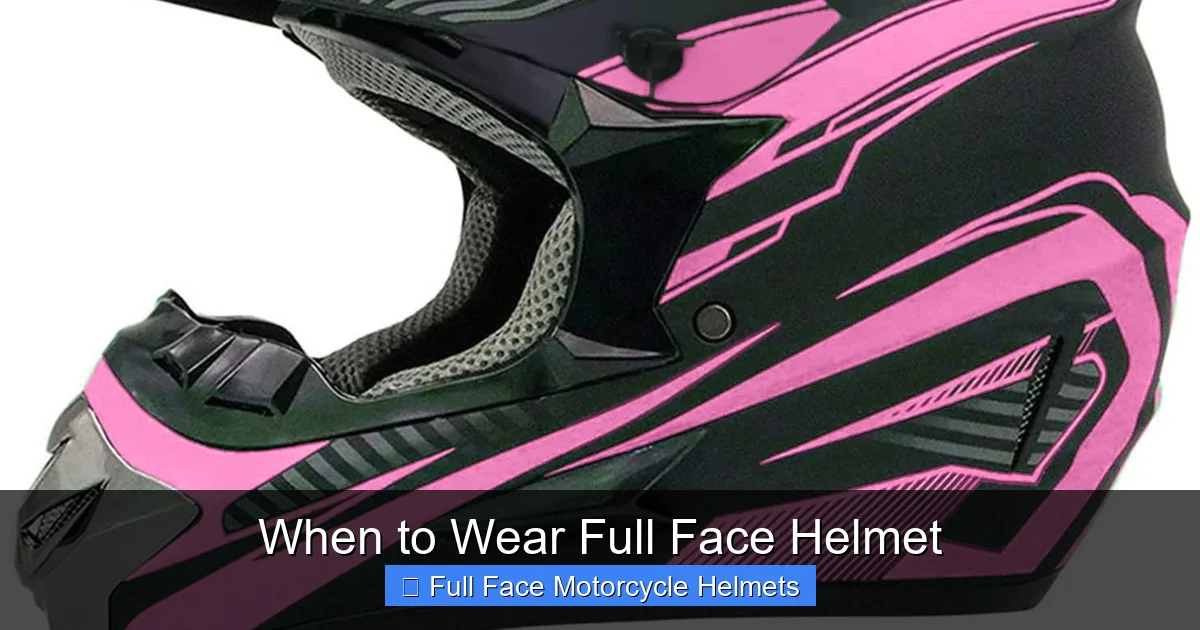
Visual guide about When to Wear Full Face Helmet
Image source: m.media-amazon.com
Besides safety, full face helmets help block wind, rain, insects, and debris. They also reduce noise and improve aerodynamics, making rides more comfortable and less tiring.
Step 1: Assess Your Riding Environment
Consider Your Usual Riding Speed
High-speed riding, like highway or freeway trips, increases the risk of accidents and the severity of injuries. Wearing a full face helmet at these speeds makes sense because it provides full protection against impact and windblast.
Evaluate Traffic Conditions
Even in city traffic, where speeds may be lower, full face helmets are beneficial. Urban areas can have unexpected hazards like sudden stops, pedestrians, or other vehicles. A full face helmet guards your face and head better than other helmets.
Think About Weather and Environmental Factors
Full face helmets are excellent in bad weather conditions. Rain, wind, dust, and bugs can distract you or cause injury. The helmet’s face shield protects your eyes and skin from these elements, helping maintain clear vision and concentration.
Example
If you commute daily through busy city streets and occasionally take highway rides, a full face helmet covers all scenarios, ensuring consistent protection.
Step 2: Understand Different Riding Scenarios
Long-Distance and Touring Rides
For trips lasting several hours or days, comfort and protection are key. Full face helmets provide good ventilation and noise reduction, reducing fatigue. Wearing one during touring keeps you safer and more comfortable.
Sport Riding and Racing
Sport riders often reach high speeds and face intense wind pressure. Full face helmets are almost mandatory in these cases due to their superior aerodynamic design and impact resistance.
Off-Road and Adventure Riding
Off-road riders face dust, mud, branches, and rocks. A full face helmet with a visor or goggles protects the entire face from these hazards while providing a secure fit.
Daily Commuting
Even if you’re riding short distances, wearing a full face helmet enhances safety. Urban traffic can be unpredictable, and a full face helmet offers the best coverage for potential impacts.
Step 3: Choose the Right Full Face Helmet
Ensure Proper Fit
A helmet that fits well is crucial. Measure your head circumference and try on several helmets to find one that feels snug but not tight. The helmet should not move around when you shake your head.
Check for Certification
Look for safety certifications like DOT, ECE, or Snell. Certified helmets meet specific safety standards and provide reliable protection.
Consider Ventilation and Comfort
Good airflow prevents overheating and sweating. Choose a helmet with adjustable vents. Also, check the interior padding for comfort and moisture-wicking properties.
Pick a Helmet with a Clear Face Shield
The shield should be scratch-resistant and offer UV protection. Some helmets come with anti-fog coatings or pinlock inserts, which help maintain clear vision in different weather conditions.
Step 4: Wear Your Full Face Helmet Correctly
Put It On Properly
Slide the helmet over your head without forcing it. Make sure the chin strap is securely fastened and adjusted to prevent the helmet from moving or coming off during a ride.
Use the Face Shield
Always lower the face shield while riding. This protects your eyes and face from wind, debris, and insects. If the weather is hot, you can open the vents but keep the shield down for safety.
Maintain Clear Visibility
Clean the face shield regularly. Use a soft cloth and mild detergent to avoid scratches. Replace the shield if it becomes damaged or foggy.
Step 5: Maintain and Replace Your Helmet
Regular Cleaning
Clean the outer shell and interior padding to keep your helmet fresh and effective. Remove padding if possible and wash according to the manufacturer’s instructions.
Inspect for Damage
Check your helmet for cracks, dents, or worn-out padding. Replace it immediately if you notice any damage or after a crash, even if no damage is visible.
Replace Every 5 Years
Helmet materials degrade over time. Experts recommend replacing your helmet every 5 years, even if it looks fine, to ensure maximum protection.
Troubleshooting Common Issues
Helmet Feels Too Tight or Too Loose
If your helmet is uncomfortable, try different sizes or brands. Remember, a helmet should be snug but not painful. Use helmet liners or pads if minor adjustments are needed.
Face Shield Fogging Up
Use anti-fog sprays or pinlock inserts. Keep vents open to improve airflow. Avoid breathing directly onto the shield by positioning your mouth slightly away from it.
Helmet Noise Is Too Loud
Noise can cause fatigue and distraction. Check that the helmet fits properly and the chin strap is secure. Wearing earplugs can also reduce wind noise.
Conclusion
Knowing when to wear a full face helmet is key to staying safe and comfortable on your rides. Whether you’re cruising on the highway, navigating city traffic, or tackling rugged trails, a full face helmet offers unmatched protection and peace of mind. Remember to choose the right helmet, wear it properly, and maintain it regularly. Your head is your most valuable asset — protect it well.
🎥 Related Video: Seven rules for choosing a comfortable bike helmet – Sportsbikeshop
📺 SPORTSBIKESHOP.co.uk
Never had an uncomfortable, ill-fitting bike helmet? Count yourself luckier than a hedgehog that’s survived an hour sitting in the …