Choosing the best full face motorcycle helmet is crucial for safety and comfort on the road. This guide covers top manufacturers, key features to consider, and practical tips to help you find the perfect helmet that fits your style and protection needs.
Key Takeaways
- Top Brands Matter: Leading manufacturers like Shoei, Arai, and AGV consistently produce high-quality full face helmets offering superior safety and comfort.
- Safety Certifications: Look for DOT, ECE, or Snell certifications to ensure your helmet meets strict safety standards.
- Fit is Crucial: A helmet that fits snugly without pressure points provides the best protection and comfort.
- Ventilation and Noise Control: Good airflow and sound dampening improve rider comfort on long trips.
- Helmet Weight: Lightweight helmets reduce neck fatigue and increase riding enjoyment.
- Additional Features: Consider removable liners, visor options, and aerodynamic design.
- Budget vs Quality: Investing in a reputable brand may cost more upfront but ensures better safety and durability.
Who Makes the Best Full Face Motorcycle Helmet?
If you’re a motorcycle rider, you know how important it is to have a helmet that offers top-notch protection. But with so many brands and models out there, choosing the best full face motorcycle helmet can be overwhelming. In this guide, we’ll help you understand who makes the best helmets, what features to look for, and how to pick the right one for your riding style and budget.
Step 1: Understand What a Full Face Helmet Is
A full face motorcycle helmet covers your entire head, including the chin and face, providing the most complete protection. Unlike open-face or modular helmets, full face helmets protect against wind, debris, and impact more effectively. They are popular among sportbike riders, commuters, and long-distance travelers alike.
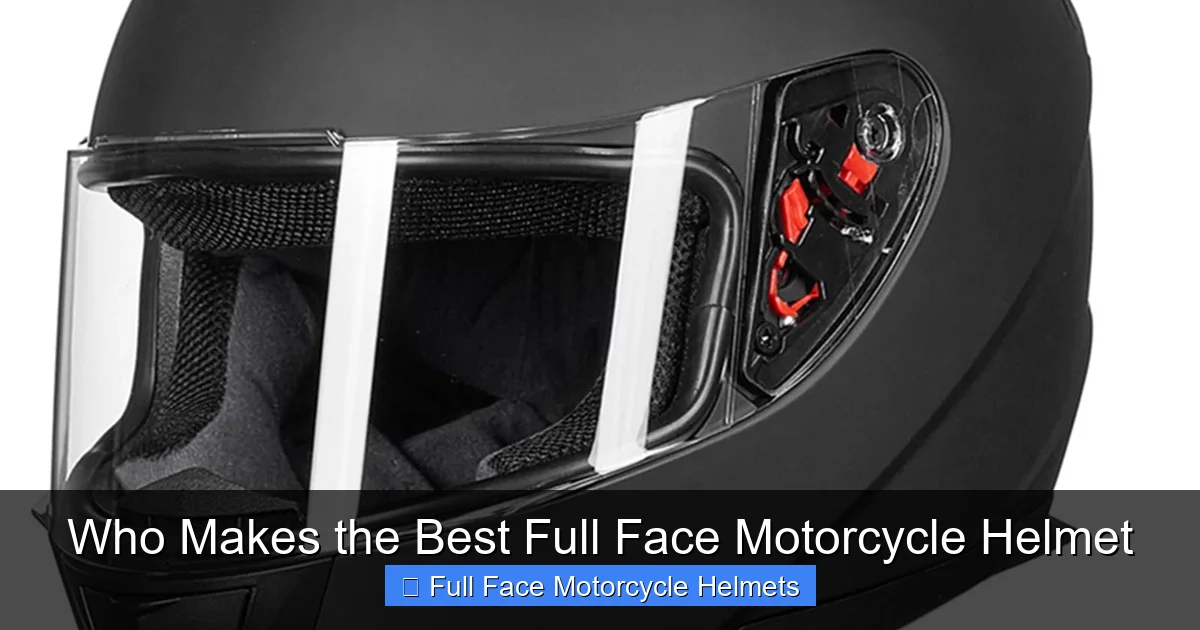
Visual guide about Who Makes the Best Full Face Motorcycle Helmet
Image source: m.media-amazon.com
Step 2: Identify Top Helmet Manufacturers
When it comes to quality, some brands consistently stand out. Here are some of the best manufacturers known for making full face motorcycle helmets:
Shoei
Shoei is a Japanese company famous for its precision engineering and safety standards. Their helmets often feature advanced composite shells and excellent ventilation. Models like the Shoei RF-SR and Shoei GT-Air II are popular among riders.
Arai
Another Japanese leader, Arai helmets are renowned for their comfort and superior fit. Their helmets undergo rigorous testing, and they often feature unique shell designs that distribute impact energy effectively.
AGV
AGV, an Italian brand, has a strong racing heritage. Their helmets combine style with safety, often featuring aerodynamic designs and innovative ventilation systems. The AGV Pista GP is a favorite among professional racers.
Bell Helmets
Bell is an American brand with decades of experience. They produce high-quality helmets with a focus on safety, often incorporating advanced impact absorption materials. The Bell Race Star is one of their flagship models.
Other Noteworthy Brands
Brands like HJC, Scorpion, and Schuberth also make excellent full face helmets at various price points, offering features that rival premium brands.
Step 3: Check for Safety Certifications
Safety should be your top priority. Look for helmets that carry these certifications:
- DOT (Department of Transportation): A U.S. standard ensuring minimum safety requirements.
- ECE (Economic Commission for Europe): A widely recognized safety standard used in over 50 countries.
- Snell Memorial Foundation: A voluntary and rigorous safety standard often exceeding DOT and ECE.
Helmets with multiple certifications often provide better protection.
Step 4: Choose the Right Fit
A helmet that fits well is essential for safety and comfort. Here’s how to get the perfect fit:
Measure Your Head
Use a flexible tape measure to find the circumference of your head about an inch above your eyebrows. Compare this measurement to the helmet sizing chart provided by the manufacturer.
Try It On
When you put on the helmet, it should feel snug but not painfully tight. It should sit evenly on your head without tilting forward or backward.
Check for Pressure Points
Wear the helmet for 10-15 minutes to see if there are any uncomfortable pressure spots.
Perform a Shake Test
Move your head side to side and up and down. The helmet should stay in place without excessive movement.
Step 5: Consider Ventilation and Noise Control
Good airflow keeps you cool, especially during warm weather rides. Look for helmets with adjustable vents on the chin, top, and rear. Noise reduction features like padded ear sections and aerodynamic designs can reduce wind noise, making for a more comfortable ride.
Step 6: Evaluate Helmet Weight
Heavier helmets can cause neck fatigue, especially on long rides. Composite materials like carbon fiber and fiberglass offer strength with less weight compared to polycarbonate shells. Balance weight with cost as premium materials tend to be pricier.
Step 7: Look for Additional Features
- Removable and washable liners: Keep your helmet fresh and hygienic.
- Anti-fog and UV-protected visors: Maintain clear vision in varying weather conditions.
- Pinlock system compatibility: Prevent visor fogging.
- Integrated sun visors: Handy for changing light conditions.
- Communication system compatibility: For riders who use Bluetooth devices.
Step 8: Set Your Budget
Full face helmets vary widely in price, from budget options under $150 to premium models over $700. While it might be tempting to opt for cheaper helmets, investing in a reputable brand with proven safety can save your life. Look for sales and discounts to get the best value.
Step 9: Test and Maintain Your Helmet
Once you have your helmet, break it in by wearing it on short rides. Regularly check the straps, padding, and visor for wear. Replace your helmet every 5 years or immediately after an impact.
Troubleshooting Common Helmet Issues
Helmet Feels Too Tight or Loose
If your helmet is uncomfortable, try different sizes or helmet shapes (round, oval, intermediate oval). Some brands fit differently, so don’t hesitate to try multiple options.
Visor Fogging
Use helmets with Pinlock inserts or apply anti-fog sprays. Opening vents slightly can also improve airflow and reduce fogging.
Excessive Wind Noise
Check if the helmet sits correctly and use earplugs if necessary. Some helmets offer noise reduction kits that can be installed.
Conclusion
Finding the best full face motorcycle helmet involves balancing safety, comfort, and style. Prioritize certified helmets from trusted brands like Shoei, Arai, and AGV, and focus on fit and features that match your riding needs. Remember, your helmet is your most important safety gear — invest wisely and ride safely!
🎥 Related Video: The Best Motorcycle Helmets of 2026
📺 RevZilla
https://rvz.la/4cYDbsE | Learn more about the Best Motorcycle Helmets https://rvz.la/4re5Ld1 | Check here for more about all of our …