In this guide, you’ll learn what a full face helmet is and why it’s a top choice for motorcycle riders. We’ll cover its key features, benefits, and how to select the right helmet to keep you safe and comfortable on the road.
Key Takeaways
- Full face helmet definition: A helmet that covers the entire head, including the chin and face, offering maximum protection.
- Safety benefits: Provides superior impact protection compared to other helmet types.
- Comfort features: Includes ventilation, removable liners, and adjustable straps for a personalized fit.
- Choosing the right size: Proper fit is crucial for safety and comfort.
- Visor options: Clear and tinted visors protect against wind, debris, and sunlight.
- Maintenance tips: Regular cleaning and visor care extend the helmet’s lifespan.
- Legal and safety standards: Look for certifications like DOT, ECE, or Snell when buying.
What Is a Full Face Helmet?
If you’re new to motorcycling or thinking about upgrading your gear, you might wonder, what is a full face helmet? Simply put, a full face helmet is a type of motorcycle helmet that covers your entire head, including the chin and face. Unlike open-face or half helmets, it offers complete protection by enclosing the head in a hard outer shell and a comfortable inner lining.
In this guide, you will learn everything you need to know about full face helmets: their features, benefits, how to pick the right one, and how to maintain it. By the end, you’ll be confident about choosing and using a full face helmet for your rides.
Step 1: Understanding the Anatomy of a Full Face Helmet
Outer Shell
The outer shell is the hard exterior of the helmet. It’s made from materials like polycarbonate, fiberglass composite, or carbon fiber. Its main job is to absorb and distribute impact energy during a crash, protecting your skull.
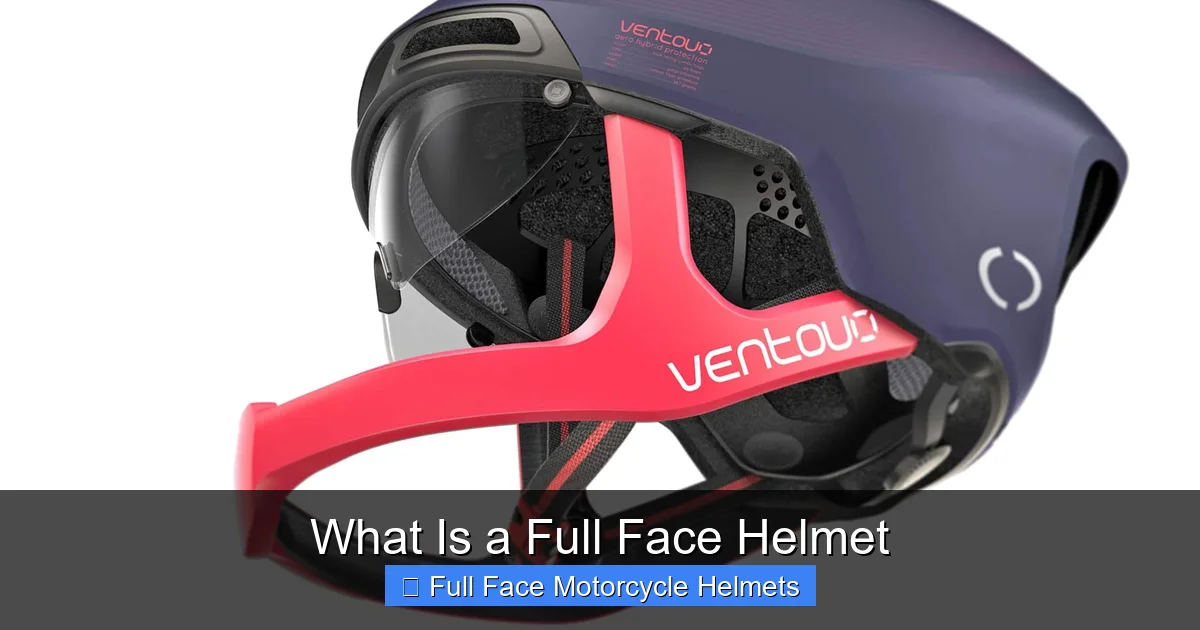
Visual guide about What Is a Full Face Helmet
Image source: bikerumor.com
Inner Liner
Inside the helmet, you’ll find an EPS (expanded polystyrene) foam liner. This layer cushions your head and further absorbs shock in case of impact.
Comfort Padding
Comfort liners and cheek pads provide a snug fit and help reduce helmet movement. Many helmets have removable and washable padding for hygiene.
Visor or Face Shield
The clear visor shields your eyes and face from wind, rain, dust, and bugs. Some helmets offer tinted or photochromic visors for different lighting conditions.
Chin Bar
The chin bar is a key feature setting full face helmets apart. It protects your chin and jaw, areas vulnerable in crashes but unprotected in open-face helmets.
Step 2: Key Benefits of a Full Face Helmet
Maximum Protection
Because it covers the whole head, a full face helmet offers the best protection available. The chin bar ensures your lower face is safe.
Better Noise Reduction
Its enclosed design reduces wind and road noise, making riding more comfortable especially at high speeds.
Weather Defense
It shields you from rain, cold air, and sun glare. The visor helps keep your vision clear in bad weather.
Improved Aerodynamics
Full face helmets are designed to reduce wind drag, which helps with stability and fuel efficiency during rides.
Enhanced Comfort
With adjustable vents and padding, these helmets keep you cool and comfortable on long rides.
Step 3: How to Choose the Right Full Face Helmet
Measure Your Head Size
Use a soft tape measure to find the circumference of your head just above your eyebrows. This measurement will guide you to the correct helmet size.
Check the Fit
Try on helmets and look for a snug fit without pressure points. The helmet should sit evenly on your head and not move when you shake your head.
Look for Safety Certifications
Choose helmets certified by DOT (Department of Transportation), ECE (Economic Commission for Europe), or Snell. These standards ensure the helmet meets minimum safety requirements.
Consider Helmet Weight
Lighter helmets reduce neck fatigue, especially on long rides. Carbon fiber helmets tend to be lighter but more expensive.
Ventilation System
Look for adjustable vents that allow airflow to keep you cool. Proper ventilation prevents fogging and sweat buildup.
Visor Features
Some helmets come with anti-scratch, anti-fog coatings, or quick-release visor mechanisms. These features add convenience and safety.
Set Your Budget
Full face helmets vary in price from affordable to premium. Decide your budget but never compromise on safety.
Step 4: How to Properly Wear a Full Face Helmet
Put It On Correctly
Hold the helmet from the chin straps, place it over your head, and pull it down gently. Avoid forcing it on to prevent damaging the padding.
Fasten the Chin Strap
Secure the chin strap firmly. It should be tight enough to keep the helmet in place but still comfortable.
Check for Proper Fit
Once on, try to move the helmet side to side and up and down. It should stay snug without causing pain.
Step 5: Caring for Your Full Face Helmet
Clean the Outer Shell
Use mild soap and water with a soft cloth. Avoid harsh chemicals that can damage the shell or paint.
Maintain the Visor
Clean the visor regularly with a microfiber cloth to prevent scratches. Use anti-fog sprays if needed.
Wash the Interior Liners
Remove and hand wash the liners with gentle detergent. Let them air dry completely before reassembling.
Store Properly
Keep your helmet in a cool, dry place away from direct sunlight and chemicals.
Troubleshooting Common Full Face Helmet Issues
Helmet Feels Too Tight or Too Loose
If the helmet is uncomfortable or shifts too much, try a different size or brand. Remember, a proper fit is crucial for safety.
Visor Fogging Up
Use anti-fog sprays or install a Pinlock insert if your helmet supports it. Open vents slightly to improve airflow.
Noise Problems
Check that the helmet fits snugly around your ears. Consider adding earplugs for extra noise reduction.
Helmet Smells Bad
Regularly clean the interior liners, and allow the helmet to air out after rides.
Conclusion
Now you know exactly what a full face helmet is and why it’s one of the safest and most comfortable choices for motorcycle riders. These helmets provide outstanding protection for your entire head, reduce noise, and shield you from weather elements. By choosing the right helmet size, features, and taking care of it properly, you can enjoy safer and more enjoyable rides. Always prioritize certified helmets and remember, the best helmet is the one you wear consistently.
🎥 Related Video: Full Face VS Modular: Which Helmet Is Right For You?
📺 Joe Goe Motorcycle Adventures
In this video, we dive into the world of motorcycle helmets and explore the pros and cons of two popular types: full face helmets …