Finding what is the best motorcycle boot is not a one-size-fits-all endeavor. For the modern rider navigating American highways or mountain passes, the right footwear serves as the first line of defense during a mishap and a critical tool for bike control. Because feet are often the first point of contact in an accident, safety experts emphasize that choosing proper over-the-ankle gear is non-negotiable for injury prevention.
Why Context Dictates Choice
When evaluating what is the best motorcycle boot, a rider must prioritize their specific riding style. A boot designed for the racetrack offers vastly different benefits than one built for cross-country touring or urban commuting. Research regarding motorcycle safety and protective equipment suggests that gear should be tailored to the specific biomechanical risks of the intended environment.
Key factors that influence this decision include:
- Terrain Requirements: Street-biased rubber soles versus aggressive, high-traction off-road treads.
- Weather Protection: The necessity of waterproof riding gear to maintain focus during inclement weather.
- Structural Integrity: Assessing if the boot meets rigorous international safety standards, which can be verified through standardized testing organizations.
Establishing Your Priorities
To determine what is the best motorcycle boot for their personal needs, a rider should categorize their requirements into three distinct pillars:
- Safety & Protection: Does the boot provide adequate impact absorption and torsion protection for the ankle?
- Comfort & Ergonomics: Can the rider easily operate the shifter and rear brake without interference?
- Durability: Is the construction capable of withstanding both daily abuse and the high-speed stresses of a crash?
By balancing these elements, riders ensure they invest in equipment that protects them while enhancing their overall connection to the motorcycle. Whether they are seeking high-performance track boots or versatile waterproof riding gear, the ultimate choice depends on matching technical specifications to real-world application.
Key Takeaways
Identifying what is the best motorcycle boot requires a balance of protection, comfort, and specialized utility. Because riding conditions vary significantly—from high-speed track days to casual urban commuting—there is no single “perfect” boot for everyone. Instead, riders must prioritize gear that matches their specific riding environment and safety requirements.
To make an informed decision, riders should consider these essential factors:
- Prioritize Safety Certifications: Always look for gear that meets CE safety standards, as these ratings guarantee the footwear has passed rigorous testing for abrasion and impact resistance.
- Ankle Protection is Non-Negotiable: Regardless of the style, effective boots must provide robust support. For more information on why this is vital, review this guide on over-the-ankle motorcycle boots.
- Match Material to Use-Case: Leather remains the gold standard for high-speed abrasion resistance, while modern synthetic textiles offer superior breathability for touring and daily commuting.
- Fitment Matters: A boot that is too loose will fail to protect the foot during a slide, while one that is too tight can cause numbness and distractions. According to motorcycle safety research, proper gear fitment is directly linked to rider focus and reduced fatigue.
- Specialized Traction: Adventure and dual-sport riders should seek boots with aggressive tread patterns for off-road grip, whereas track riders require smooth soles for optimal foot-peg movement.
By evaluating these core pillars, riders can confidently determine what is the best motorcycle boot to keep them secure and comfortable on every journey. Investing in high-quality footwear is one of the most critical safety decisions any motorcyclist can make.
Understanding Safety Standards and CE Ratings
When a rider begins the search for what is the best motorcycle boot, the sheer variety of styles can be overwhelming. However, prioritizing safety ratings is the most effective way to filter out fashion-focused gear that lacks genuine protective capabilities. By understanding the rigorous testing protocols behind these products, riders can make informed decisions that prioritize their physical well-being on the road. For more information on why over-the-ankle protection is non-negotiable for safety, consult specialized guides.
Why CE Certification Matters
CE certification is the gold standard for motorcycle gear in Europe and is increasingly adopted globally as a benchmark for quality. This certification ensures that the manufacturer has submitted their footwear to independent laboratories for performance testing.
- Standardization: The CE mark (specifically EN 13634) guarantees the gear meets minimum requirements for safety.
- Accountability: It confirms that the boots were not merely designed for looks, but for genuine impact protection in a crash scenario.
- Legal Compliance: In many jurisdictions, including parts of the U.S. and Europe, reputable manufacturers adhere to these standards to verify their product’s efficacy.
- Independent Validation: According to the European Standards Organization (CEN), standardized testing protocols are crucial for ensuring that protective equipment functions as intended under stress.
Decoding Impact and Abrasion Resistance
To determine what is the best motorcycle boot, one must look beyond the brand name and examine the specific abrasion resistance levels indicated on the internal label. These boots are tested for their ability to withstand the harsh realities of asphalt friction.
The certification is usually divided into two levels:
- Level 1 Performance: The baseline requirement for safety. It offers adequate protection for general street riding and commuting.
- Level 2 Performance: These boots offer higher levels of protection, typically required for track days or aggressive sport riding.
Testing categories include:
- Height of the upper: Ensures the ankle is covered and protected.
- Impact cut: Measured by how the material holds up against sharp-edged debris.
- Transverse rigidity: Tested to see if the boot can prevent the foot from being crushed during a side impact.
For riders interested in the physics of safety, the National Highway Traffic Safety Administration (NHTSA) provides comprehensive resources on personal protective equipment (PPE) that underscores the importance of wearing gear that exceeds basic durability requirements. Selecting footwear with clear ratings ensures that if an accident occurs, the rider has the best possible barrier between their feet and the road.

The Importance of Ankle Support and Protection
When determining what is the best motorcycle boot, the primary focus must always be structural integrity around the ankle. During a crash, the lower extremities are statistically the most vulnerable parts of a rider’s body. Ankle protection is not merely a comfort feature; it is a critical safety barrier designed to prevent fractures, crushing injuries, and severe ligament damage. Riders should prioritize gear that offers over-the-ankle coverage to ensure the joint remains stabilized during an off.
Fixed vs. Articulated Ankle Systems
Manufacturers utilize different design philosophies to manage ankle mobility while maintaining high safety standards. Understanding these differences helps riders decide what is the best motorcycle boot for their specific riding style:
- Fixed Ankle Systems: Typically found in standard touring or entry-level leather boots. These utilize rigid internal cups or reinforced material to create a static barrier. They offer excellent impact protection but provide less lateral flexibility.
- Articulated Ankle Systems: Common in high-end race and adventure boots. These feature a mechanical hinge that allows for a natural range of motion while walking or shifting gears, but they physically stop the ankle from twisting beyond a safe point.
- The Benefit: Research into motorcycle safety statistics suggests that restricted movement during high-impact events significantly lowers the occurrence of long-term disability.
Preventing Hyper-Extension Injuries
Hyper-extension is one of the most debilitating injuries a rider can face. A high-quality boot acts as an exoskeleton, absorbing and distributing energy away from the delicate bones in the foot and ankle.
To mitigate these risks, top-tier boots incorporate several technical elements:
- Reinforced Heel Cups: These prevent the foot from being crushed or pulled backward during a slide.
- Anti-Torsion Midsoles: By utilizing rigid or semi-rigid shanks, the boot resists the twisting forces that occur when a bike falls onto the rider’s leg.
- Impact Attenuation: According to data from the National Center for Biotechnology Information, proper gear fitment is essential for ensuring that ankle protection features actually function as intended during a collision.
By prioritizing ankle support, riders significantly reduce the risk of sustaining life-altering orthopedic injuries, confirming that structural integrity remains the most important factor in gear selection.
Selecting the Right Material for Your Environment
When determining what is the best motorcycle boot for a specific rider, the environment serves as the primary deciding factor. Whether a rider navigates scorching desert highways or rainy urban commutes, the composition of the footwear determines both longevity and rider safety. Understanding how materials perform under stress is essential, as noted by safety guidelines regarding protective gear.
Leather vs. Synthetic Textiles
The debate between leather and synthetic materials remains central to the question of what is the best motorcycle boot. Each offers distinct advantages based on the intended use:
- Full-Grain Leather: Historically the gold standard for abrasion resistance. Leather provides natural heat dissipation and can be treated for water resistance. It molds to the foot over time, offering a custom fit that synthetics struggle to replicate.
- Synthetic Textiles: Often utilize high-denier materials like Cordura or proprietary blends. They are generally lighter, require less break-in time, and are easier to keep clean.
- Composite Builds: Many modern boots use a hybrid approach, placing leather in high-impact zones (like the heel and toe) while using textiles in flex zones to reduce weight.
Riders should always ensure their chosen footwear meets over-the-ankle protection standards to prevent common road injuries.
Breathability and Waterproof Membranes
Environment dictates the necessity of thermal regulation. A boot that functions well in the Pacific Northwest may be unbearable in the Southwestern desert.
- Waterproof Membranes: Materials like Gore-Tex act as a barrier against moisture while allowing water vapor to escape. This is crucial for riders in rainy climates, though it can reduce airflow.
- Perforated Panels: For hot weather, boots featuring mesh or laser-perforated leather are superior. They allow for maximum airflow but sacrifice water resistance.
- Thermal Management: According to clinical research on gear efficacy, proper ventilation prevents rider fatigue, which is a major contributor to distracted riding.
Pro-Tip for Selection:
- High Humidity/Rain: Prioritize boots with a high-quality integrated waterproof membrane.
- High Heat: Look for textile-heavy designs with large ventilation ports.
- Variable Weather: Seek a “three-season” leather boot that can be treated with wax for water repellency while maintaining some natural breathability.

Touring Boots: Comfort for the Long Haul
When riders embark on cross-country journeys, the search for what is the best motorcycle boot often centers on one non-negotiable factor: comfort. Touring boots are engineered specifically for those who spend eight to ten hours a day in the saddle, balancing structural safety with the ergonomic needs of a rider covering thousands of miles. Unlike dedicated track gear, these boots prioritize consistent support, allowing for both precise motorcycle operation and comfortable off-bike exploration when stopping at roadside attractions. Understanding the necessity of over-the-ankle motorcycle boots remains the first step in ensuring long-term joint health and protection for any touring enthusiast.
All-Day Wearability and Ergonomics
Long-distance riding requires a boot that mimics the natural movement of the foot while providing rigid protection where it counts. Engineers design these boots to reduce rider fatigue through several key features:
- Anatomical Footbeds: High-quality touring boots utilize dual-density foam insoles that provide arch support and absorb the high-frequency vibrations transmitted through the footpegs.
- Articulated Zones: Incorporating accordion-style stretch panels at the instep and Achilles tendon allows for a natural range of motion when walking or operating the rear brake and shift levers.
- Reduced Weight: By utilizing premium materials that don’t require heavy external exoskeletons, manufacturers ensure the boots remain lightweight, preventing leg strain during multi-day expeditions.
- Orthopedic Consideration: Because foot health directly affects rider concentration, ergonomics are prioritized, often referencing biomechanical research on foot protection to minimize pressure points.
Weather Resistance for Diverse Climates
A rider traversing the United States may encounter everything from desert heat to mountain rainstorms. Consequently, the best touring boots must act as a reliable barrier against the elements.
- Breathable Membranes: Most modern touring boots feature integrated waterproof membranes, such as Gore-Tex or proprietary alternatives, which allow moisture vapor to escape while preventing liquid water from entering.
- Thermal Regulation: For riders traveling through varying altitudes, high-end touring gear often includes moisture-wicking liners that regulate temperature, keeping the feet cool in the summer and insulated during colder mountain passes.
- Gusseted Closures: To prevent water ingress, manufacturers utilize large, gusseted entry points secured by high-quality zippers and heavy-duty Velcro flaps.
- Surface Treatments: High-quality leather touring boots are frequently treated with DWR (Durable Water Repellent) coatings, which follow international safety and quality standards for material durability and environmental resistance.
By focusing on these specific touring requirements, riders can narrow their search for what is the best motorcycle boot to ensure their feet remain protected, dry, and comfortable, no matter how many miles lie ahead on the map.
Sport and Racing Boots for Track Performance
When riders head to the circuit, the demands on their gear shift dramatically from casual commuting to high-speed performance. Identifying what is the best motorcycle boot for track days requires prioritizing specialized armor designed to withstand extreme forces. Unlike street footwear, race-bred boots are engineered to keep the rider safe during high-side incidents and sliding maneuvers, often utilizing over-the-ankle protection as a baseline for structural integrity.
Maximum Protection Features
Racing boots focus on preventing catastrophic injuries through rigid construction and advanced materials. To ensure rider safety, these boots adhere to strict testing protocols like those outlined by the Motorcycle Safety Foundation. Key protection elements include:
- Torsional Rigidity: A stiff sole prevents the foot from twisting beyond natural limits.
- Internal Exoskeletons: Many professional-grade boots feature a carbon-fiber or TPU frame that locks the ankle into a secure position.
- Shin Guards: Large, impact-resistant plates protect the tibia, which is highly vulnerable during a slide.
- Heel and Toe Cups: Reinforced zones minimize the impact force transferred to the bones of the foot.
By integrating these features, manufacturers provide a barrier that exceeds standard motorcycle protective gear requirements, ensuring that the foot remains intact even in high-speed crashes.
Slider Technology and Weight Optimization
Efficiency at the track relies on a combination of durability and agility. Top-tier racing boots incorporate replaceable slider technology to preserve the boot’s life while allowing for extreme lean angles.
- Replaceable Sliders: Located on the outer toe and sometimes the heel, these sacrificial elements are typically made of magnesium, titanium, or high-density plastic, offering low-friction contact with the asphalt.
- Weight Reduction: Engineers utilize lightweight materials like microfiber and carbon fiber to reduce mass. Minimizing rotational weight helps the rider move their feet quickly on the pegs during rapid gear changes.
- Aerodynamic Profiles: Boots are designed to sit flush with leathers to prevent drag, helping to maintain stable body positioning.
Research conducted by the National Highway Traffic Safety Administration highlights the importance of impact management in protective apparel. By balancing these high-tech materials with advanced ergonomics, track boots ensure that riders can focus on their lap times rather than their gear.

Adventure and Dual-Sport Footwear
When evaluating what is the best motorcycle boot for cross-country exploration and unpaved trails, riders must prioritize equipment that bridges the gap between pavement performance and off-road ruggedness. Adventure and dual-sport footwear are engineered to provide heavy-duty protection against crushing forces while maintaining the flexibility required for extended periods of standing on the pegs. Unlike standard street gear, these boots often feature over-the-ankle protection to prevent common rotational injuries found in technical terrain. According to safety guidelines from the National Highway Traffic Safety Administration (NHTSA), proper protective gear is essential for mitigating injury severity during a crash.
Grip Patterns for Off-Road Traction
Off-road environments demand specialized soles that provide confidence when dabbing a foot in mud, loose gravel, or deep sand. The tread design is the most critical factor for stability in these conditions.
- Aggressive Lug Depth: Deep, widely spaced lugs prevent mud buildup and provide a “mechanical key” into soft surfaces.
- Heel Hook: A distinct, recessed heel helps lock the foot onto the serrated metal footpegs of adventure bikes.
- Compound Density: These soles utilize a firmer rubber compound than racing boots to resist tearing when encountering jagged rocks or sharp trail debris.
- Energy Displacement: High-quality dual-sport boots incorporate steel or rigid polymer shanks to prevent the foot from bowing over the thin footpegs during long-distance standing.
Durability for Varied Terrain
Endurance in the backcountry is non-negotiable. Because adventure riding often involves water crossings, dust storms, and extreme temperatures, the materials must survive harsh abuse. Researchers at the National Institute of Standards and Technology (NIST) frequently highlight how material testing determines the longevity of high-impact protective gear.
To withstand these conditions, the best adventure boots utilize:
- Full-Grain Leather or Tech-Synthetic Blends: These provide a balance of structural integrity and abrasion resistance.
- Internal Reinforcements: Look for TPU (Thermoplastic Polyurethane) plates covering the shin, toe box, and heel.
- Waterproof/Breathable Membranes: Many premium models include integrated liners that allow moisture vapor to escape while keeping river crossings from soaking the rider’s feet.
- Heavy-Duty Closure Systems: Buckle systems—typically borrowed from motocross designs—allow for a precise, micro-adjustable fit that won’t fail if a strap gets snagged on brush or rocks.
By selecting footwear with these reinforced characteristics, riders ensure that their gear remains functional regardless of how far they wander from the beaten path.
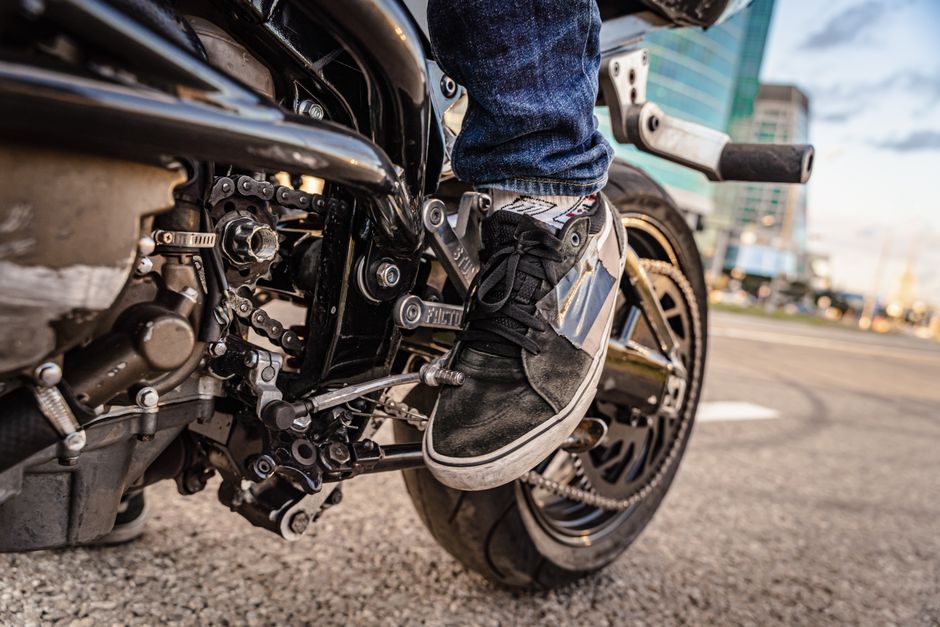
The Rise of Urban and Riding Sneakers
As motorcycle culture shifts toward a more casual, everyday aesthetic, many riders find themselves asking what is the best motorcycle boot for the daily commute. The rise of riding sneakers represents a significant evolution in motorcycle gear, successfully bridging the gap between high-performance protective equipment and casual streetwear. These shoes offer the aesthetic versatility of a high-top trainer while providing critical defense during an incident, helping riders avoid the “gear-switching” hassle when they arrive at the office or a social event. To understand the importance of choosing proper footwear, learn more about over-the-ankle protection requirements for modern commuters.
Balancing Style with Safety
Riding sneakers are designed for those who refuse to sacrifice their personal style for safety, yet they must still adhere to rigorous standards to be considered functional motorcycle footwear. According to the National Highway Traffic Safety Administration (NHTSA), head and lower-extremity injuries are among the most common in motorcycle crashes, making proper footwear a non-negotiable safety element.
To successfully balance form and function, manufacturers focus on:
- Low-profile silhouettes: Designed to look like lifestyle sneakers, making them perfect for walking long distances.
- Performance materials: Utilizing high-abrasion textile uppers that mimic the look of canvas or suede.
- Transitional utility: Ensuring the motorcycle footwear is comfortable enough to wear all day without the “clunky” feel of traditional racing boots.
Hidden Armor and Reinforcement
The effectiveness of a riding sneaker is hidden beneath its fashionable exterior. Unlike standard footwear, these boots are engineered with specific safety features that qualify them for the title of what is the best motorcycle boot for urban environments. Riders often seek out CE-certified gear to ensure their sneakers have passed independent laboratory testing for structural integrity.
Key internal components typically include:
- Reinforced Ankle Cups: Hardened plastic or composite inserts (often D3O or similar viscoelastic materials) placed on both sides of the ankle to prevent impact injury.
- Structural Midsole Shanks: A transverse rigidity bar integrated into the sole to prevent the foot from crushing or twisting during a lateral impact.
- Reinforced Toebox and Heel Counter: Hardened inserts that prevent the shoe from deforming in a slide, protecting the toes and heel from high-friction impact.
- Oil-Resistant Outsoles: Specifically textured rubber compounds designed to prevent slipping on oil-slicked city streets, a critical factor for urban safety as highlighted in various orthopedic trauma studies.
By integrating these features, manufacturers provide riders with the peace of mind that their casual-looking shoes offer legitimate protection, proving that safety gear does not always need to look like it belongs on the racetrack.
Proper Fitment and Break-in Tips
Finding what is the best motorcycle boot is ultimately an exercise in perfect fitment. A boot that provides elite protection is rendered ineffective if it is too loose, causing the foot to slide during an incident, or too tight, leading to numbness and distracted riding. Riders should prioritize a snug, secure feel that mimics a second skin, as this ensures that impact armor remains in the correct position over the ankle and heel. Before finalizing a purchase, users should consult resources like the NHTSA Motorcycle Safety guidelines to understand how proper gear serves as the first line of defense in crash scenarios.
The Importance of Motorcycle-Specific Sizing
Motorcycle boots do not fit like casual streetwear or running shoes. Manufacturers often use specialized lasts that account for the unique ergonomics of operating shift levers and rear brake pedals.
- Heel Lockdown: A rider’s heel must remain firmly planted in the heel cup. If the foot lifts while walking or shifting, the boot is likely too large.
- Toe Box Clearance: There should be just enough room to wiggle the toes, but the material should not feel baggy.
- Ankle Coverage: As discussed in this guide on over-the-ankle protection, the structural integrity of the boot depends on it sitting correctly over the malleolus.
- Measurement Standards: Riders should consult the manufacturer’s specific sizing chart, as sizing often varies significantly between European and American brands. Research published by ASTM International on material testing reinforces the need for gear that maintains its structural shape during use, which only occurs when the size is dialed in correctly.
Using the Right Socks for Comfort
The interior environment of a boot significantly impacts how quickly it breaks in and how comfortable it remains during long hauls. Many riders make the mistake of wearing standard cotton socks, which retain moisture and lead to friction points.
- Moisture-Wicking Fabrics: Use technical moisture-wicking socks designed for athletics. These materials pull sweat away from the skin, preventing the dampness that causes blisters during the break-in phase.
- Strategic Padding: Opt for socks with reinforced zones at the shin, heel, and ball of the foot. This added buffer helps distribute pressure from the boot’s stiffer armored sections.
- Thickness Matters: When testing boots for fit, wear the specific weight of sock intended for the riding season. A thick winter sock can make a boot feel too tight, while thin summer socks might make a properly sized boot feel loose.
By prioritizing these fitment protocols, a rider ensures that their gear remains functional and comfortable, making the process of determining what is the best motorcycle boot for their specific riding style much more straightforward. Regular footwear maintenance and wearing the boots for short periods around the house before a long trip will accelerate the break-in process, ensuring the leather or synthetic upper molds perfectly to the foot’s shape.
Frequently Asked Questions
Navigating the market to determine what is the best motorcycle boot for a specific riding style often leads to common inquiries. Understanding how gear performs under stress and how to properly maintain it ensures that a rider remains safe and comfortable on every journey.
Can I wear hiking boots while riding?
While it may seem convenient, hiking boots are not a substitute for proper motorcycle gear.
- Lack of Abrasion Resistance: Hiking boots often use materials that shred instantly during a slide on asphalt.
- Inadequate Ankle Protection: Unlike over-the-ankle motorcycle boots, hiking footwear lacks the lateral reinforcement needed to prevent crush injuries.
- Sole Composition: Hiking boots often feature soft, deep-lugged soles that can get caught on footpegs, creating a safety hazard during emergency stops.
According to the National Highway Traffic Safety Administration (NHTSA), wearing proper protective equipment is vital for mitigating the severity of injuries during a crash.
How often should I replace my motorcycle boots?
A pair of boots should be inspected regularly for signs of wear. Riders should consider replacing them if they notice:
- Deformed or Cracked Sole: If the grip is compromised or the sole is detaching, traction is lost.
- Structural Damage: After any significant impact, the integrity of the internal armor may be compromised.
- Worn Fasteners: Zippers, buckles, or Velcro that no longer hold the boot securely in place indicate the gear has reached the end of its functional life.
- Age: Over time, synthetic materials and adhesives can degrade, even if the boots appear to be in good condition.
Do I need separate boots for summer and winter?
Choosing what is the best motorcycle boot for varying climates often depends on the rider’s budget and geography.
- Summer Riding: Look for boots with high-flow mesh panels or perforations to prevent overheating.
- Winter Riding: Prioritize boots with a waterproof membrane—such as GORE-TEX—and added thermal insulation to maintain blood flow to the feet.
While many riders prefer two pairs, a high-quality, mid-weight touring boot with a breathable, waterproof liner is often sufficient for three-season utility in many U.S. climates.
How do I maintain leather motorcycle boots?
Proper care significantly extends the lifespan of premium leather gear.
- Cleaning: Remove road grime and salt with a damp cloth; avoid harsh chemicals that strip natural oils.
- Conditioning: Apply a high-quality leather conditioner periodically to prevent the hide from drying out and cracking.
- Drying: Never force-dry leather boots using direct heat sources like hair dryers or radiators, as this can cause permanent damage to the fibers. Research from ASTM International suggests that maintaining the suppleness of leather is crucial for retaining its structural integrity over time.
- Storage: Keep boots in a cool, dry place away from direct sunlight when not in use.
Conclusion: Choosing what is the best motorcycle boot
Finding the perfect footwear for the road is rarely a one-size-fits-all endeavor. Ultimately, deciding what is the best motorcycle boot comes down to balancing the specific demands of the rider’s environment with the non-negotiable requirement for impact and abrasion protection. Whether a rider is navigating heavy city traffic or embarking on a cross-country tour, the priority must always remain on gear that mitigates the risk of lower extremity injuries.
Final Considerations for Every Rider
To determine what is the best motorcycle boot for a specific lifestyle, riders should evaluate these three pillars:
- Safety Certification: Always check for CE ratings. According to the National Highway Traffic Safety Administration, wearing proper protective gear is essential to reducing the severity of injuries during a collision.
- Intended Use Case: A track-day racer requires high-rigidity chassis, whereas an urban commuter needs comfortable riding footwear that can transition easily from the bike to the office.
- Fitment and Feel: Even the safest boot is ineffective if it restricts movement or causes fatigue. Riders should prioritize proper over-the-ankle protection to ensure full joint support during an emergency.
Summary Checklist
When shopping, use this quick summary to ensure the gear meets high standards:
- Check for Armor: Ensure the boot features reinforced ankle cups, toe boxes, and heel counters.
- Verify Sole Integrity: Look for oil-resistant, high-grip rubber soles to maintain traction on slippery pavement.
- Evaluate Climate Needs: If riding in the Pacific Northwest or rainy regions, a waterproof riding boot with a breathable membrane is a mandatory investment.
- Prioritize Longevity: Higher-end materials like full-grain leather typically offer superior abrasion resistance compared to entry-level synthetics.
Ultimately, what is the best motorcycle boot is the one that stays on the rider’s feet in a worst-case scenario. By following these guidelines and consulting research from organizations like the Motorcycle Safety Foundation, riders can make informed decisions that provide peace of mind on every mile of the journey. Investing in high-quality, purpose-built gear is the smartest way to ensure that every ride remains as safe as it is enjoyable.