When a rider is involved in a motorcycle accident, the last thing they want is to lose their footwear during the slide. A common question among safety-conscious enthusiasts is: do the best motorcycle boot come off in a crash? The short answer is: they shouldn’t. If a boot is properly fitted and designed to standard, it remains securely fastened to the rider’s foot throughout the duration of an impact.
Why Retention Matters
In the event of a high-speed collision, your feet are exposed to extreme kinetic energy and abrasive forces. According to data from the National Highway Traffic Safety Administration (NHTSA), head and lower-extremity injuries are among the most common outcomes of motorcycle accidents. If a boot comes off during an impact, the rider is left with zero protection, leading to:
- Severe asphalt abrasion.
- Fractures and dislocations.
- Increased risk of crush injuries.
What Makes a Boot Stay Put?
High-performance riding gear utilizes advanced fastening systems that prioritize retention over mere convenience. When evaluating gear, riders should look for features that pass rigorous EN 13634 safety standards, which evaluate mechanical strength and protective coverage. For those planning their next off-road excursion, checking out these top-rated dual sport motorcycle boots provides a great starting point for understanding how modern engineering prevents gear failure.
Key Factors in Boot Security
To ensure your gear remains in place during an emergency, consider these three critical elements:
- Mechanical Fasteners: Unlike casual footwear, premium boots use ratcheting buckles, high-strength zippers, and hook-and-loop overlays.
- Ankle Integrity: A boot that sits high above the ankle with structural reinforcement is significantly less likely to be ripped off by lateral forces.
- Proper Sizing: Even the most expensive equipment will fail if it is too loose; a snug, race-ready fit is essential.
Ultimately, understanding that do the best motorcycle boot come off in a crash is a myth—provided the rider invests in properly sized, industry-compliant equipment—is a vital lesson in personal safety. By prioritizing motorcycle protective gear that is tested for impact and abrasion resistance, riders ensure their equipment functions exactly as intended when seconds matter most.
Key Takeaways
Motorcyclists often worry about their gear staying in place during an accident. The short answer is that quality gear should never leave the foot during a slide. When evaluating whether do the best motorcycle boot come off in a crash, riders must prioritize mechanical retention and proper fit over convenience.
Below are the essential insights for ensuring your footwear provides maximum security:
- Retention is Non-Negotiable: A properly fitted boot must remain secured to the foot to prevent catastrophic ankle and foot injuries. If a boot comes off during an impact, it leaves the extremities vulnerable to extreme abrasion and crushing forces.
- The Fit Factor: Utilizing the right dual sport motorcycle boots is only effective if the size is precise. A boot that is too loose will inevitably fail under the intense centrifugal forces of a high-side crash.
- Mechanical Integrity: Always opt for boots with robust fastening systems—such as micro-adjustable ratchets or secure hook-and-loop closures—rather than relying solely on laces. According to the National Highway Traffic Safety Administration (NHTSA), proper protective equipment is the first line of defense in minimizing injury severity.
- Understanding Standards: Familiarize yourself with CE certification ratings. These standardized tests ensure that boots meet specific requirements for impact energy absorption and structural integrity, as outlined in technical documents found on academic databases like PubMed.
- Fastener Maintenance: Regularly inspect buckles, zippers, and straps. Even the most expensive footwear becomes a liability if the fastening mechanism is worn out or prone to failure.
By focusing on these key areas, riders can significantly reduce the risk of their gear failing when they need it most. Ensuring that your boots are CE-rated and correctly sized is the most effective way to address the concern of do the best motorcycle boot come off in a crash.
Understanding Motorcycle Boot Retention
When analyzing the effectiveness of protective riding gear, riders often ask: do the best motorcycle boot come off in a crash? The answer lies in retention—the ability of the footwear to remain firmly attached to the foot and ankle during extreme rotational and sliding forces. A boot that slides off during a slide offers zero protection to the critical joints and bones of the lower extremity. According to the National Highway Traffic Safety Administration (NHTSA), gear retention is a foundational element in reducing injury severity during roadway incidents.
The Role of Proper Sizing
Proper sizing is the first line of defense in ensuring a boot stays on during a high-speed accident. Riders often make the mistake of buying boots that are too loose, prioritizing comfort over security.
- Snugness: A boot should feel like a firm handshake around the midfoot and heel.
- Heel Lock: There should be zero vertical lift in the heel when walking or shifting.
- Volume: If a boot has excessive internal volume, it allows the foot to shift inside the chassis, leading to compromised stability.
When choosing your gear, refer to these best dual-sport motorcycle boots for examples of how a performance-oriented fit should feel.
Mechanical Fastening Systems
Modern high-end boots rely on sophisticated closure systems to maintain structural integrity. Relying on simple pull-on designs or weak hook-and-loop strips is insufficient for high-impact protection.
- Ratchet Buckles: Commonly found on race boots, these provide a locked-in feel that resists being pulled open by friction.
- Internal Lacing: Some boots feature inner booties with speed-lacing systems that cinch the foot tightly before the outer shell is secured.
- Micro-Adjustable Closures: These systems allow for a precise fit that accommodates different foot shapes without creating pressure points.
According to studies published via the National Center for Biotechnology Information (NCBI), mechanical failure of gear fasteners is a leading cause of protective equipment loss during a collision.
The Importance of Ankle Support
Ankle support serves two purposes: preventing bone fractures and ensuring the boot does not “pivot” off the foot.
- Torsion Bars: Many premium boots incorporate rigid plastic or metal bars that limit lateral movement.
- External Braces: These stiff frames prevent the boot from bending at angles that would cause it to lose its grip on the rider’s foot.
- Rigid Counters: A reinforced heel counter keeps the back of the boot from collapsing, which is essential for keeping the heel locked in place regardless of the force applied.
By combining these elements—correct sizing, robust fastening, and rigid support—riders ensure their gear stays where it belongs, providing the critical protection necessary in the event of an unexpected dismount.
Anatomy of a High-Quality Riding Boot
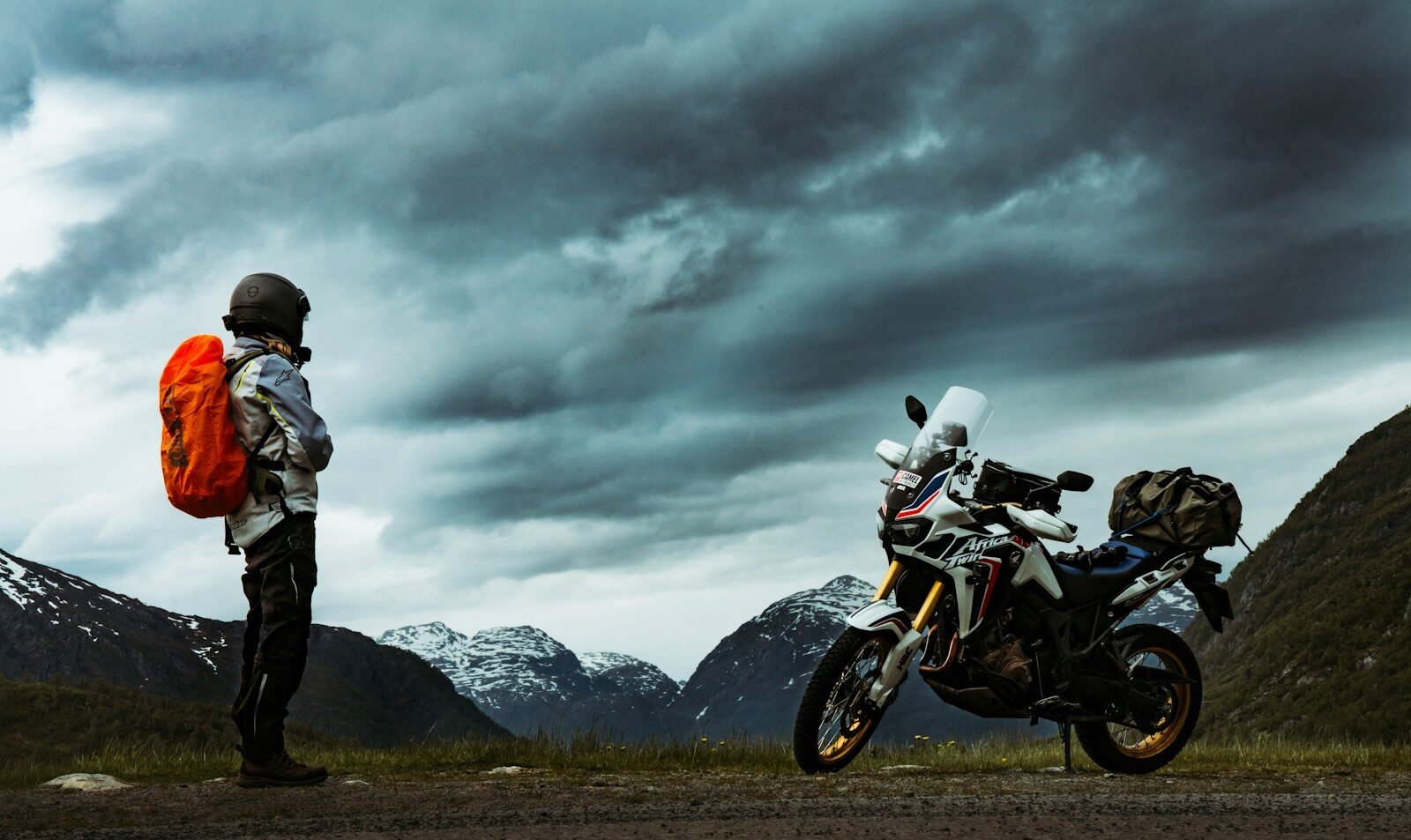
When riders analyze whether do the best motorcycle boot come off in a crash, they must look closely at the engineering that holds the gear to the foot. A high-quality riding boot is not merely footwear; it is a complex piece of safety equipment designed to withstand extreme kinetic energy. Unlike casual fashion boots, premium motorcycle gear utilizes advanced construction techniques to ensure the boot remains secured under duress. Riders looking for the best dual-sport motorcycle boots often prioritize these structural components to minimize the risk of foot injury during a slide.
Reinforced Toe and Heel Cups
The structural integrity of the boot starts with its foundation. High-quality boots incorporate rigid, impact-resistant materials in the toe box and heel cup area to prevent crushing injuries.
- Impact Dispersion: These reinforced sections act as a primary barrier against asphalt abrasion.
- Crush Protection: They provide the necessary rigidity to protect metatarsals from heavy bike impacts, a standard emphasized by NHTSA motorcycle safety guidelines.
- Locking Mechanism: By providing a structured shape, these cups prevent the foot from shifting inside the boot, which is essential to ensure that the answer to do the best motorcycle boot come off in a crash remains a definitive “no.”
Torsion Bars and Ankle Protection
Modern riding boots often feature an internal or external exoskeleton designed to prevent unnatural joint movement. This is critical because the human ankle is highly susceptible to rotational trauma during a motorcycle accident.
- Torsion Control: Advanced boots utilize lateral support bars that allow for necessary foot movement on the pegs while restricting twisting, a common cause of severe fractures.
- Ankle Shielding: Many high-performance boots utilize specialized impact-absorbing foam (such as D3O or similar materials) protected by hard TPU shells.
- Stability: This internal framework helps lock the ankle in place. According to studies on motorcycle protective clothing, the combination of stiff uppers and secure fastening is the most effective way to prevent the boot from being stripped away during high-speed contact with the road.
By integrating these features, manufacturers ensure that their products provide a secure, locked-in fit, effectively addressing the question: do the best motorcycle boot come off in a crash? When combined with high-quality buckles and straps, these anatomical features ensure that the rider’s foot remains protected from start to finish.
The Physics of Impact and Sliding
Understanding the mechanics of a motorcycle accident is crucial for every rider. When a rider asks, “do the best motorcycle boot come off in a crash,” they are essentially questioning the structural integrity of their gear under extreme duress. During an accident, the foot is subjected to intense kinetic energy, centrifugal forces, and high-friction contact with the asphalt. High-quality boots are engineered to counteract these physical demands through rigid construction and secure fastening systems.
Forces at Play During a High-Side
A “high-side” crash occurs when a motorcycle loses traction and then abruptly regains it, catapulting the rider and their machine. During this event, the body experiences significant impact forces that can test the limits of even the best dual sport motorcycle boots.
- Kinetic Energy Transfer: Upon impact, the boot must absorb and distribute the shock to prevent bone fractures.
- Centrifugal Acceleration: As the rider is thrown, the weight of the boot itself becomes a factor. If the fit is improper, inertia can cause the boot to be pulled away from the foot.
- Coefficient of Friction: As the rider slides along the road, the material must withstand intense heat and abrasion. According to research from the National Highway Traffic Safety Administration (NHTSA), proper protective equipment significantly reduces the severity of lower extremity injuries.
Why Loose Boots Are Dangerous
A loose-fitting boot is essentially a liability in a high-speed accident. If there is significant “play” inside the footwear, the rider loses the benefit of the built-in protective armor.
- Displacement Risk: If a boot is too loose, the heel cup can shift away from the calcaneus (heel bone) upon initial impact. This leaves the ankle vulnerable to crushing forces.
- Snagging Hazards: Loose fabric or dangling straps can snag on asphalt irregularities or motorcycle components, causing the boot to be forcefully ripped off the foot.
- Reduced Proprioception: A secure fit ensures that the rider’s foot remains in the optimal position to engage with the protective bracing or internal torsion bars.
- Engineering Standards: For more information on how safety gear is tested under extreme physical conditions, riders should review the European Standard EN 13634, which provides the technical baseline for protective footwear performance.
When evaluating your safety gear, remember that gear security is paramount. A boot that slides off prematurely during a slide allows for direct road rash and high-impact trauma to the ankle and mid-foot, effectively neutralizing the safety features intended to keep the rider protected.
Materials Matter: Leather vs. Synthetic
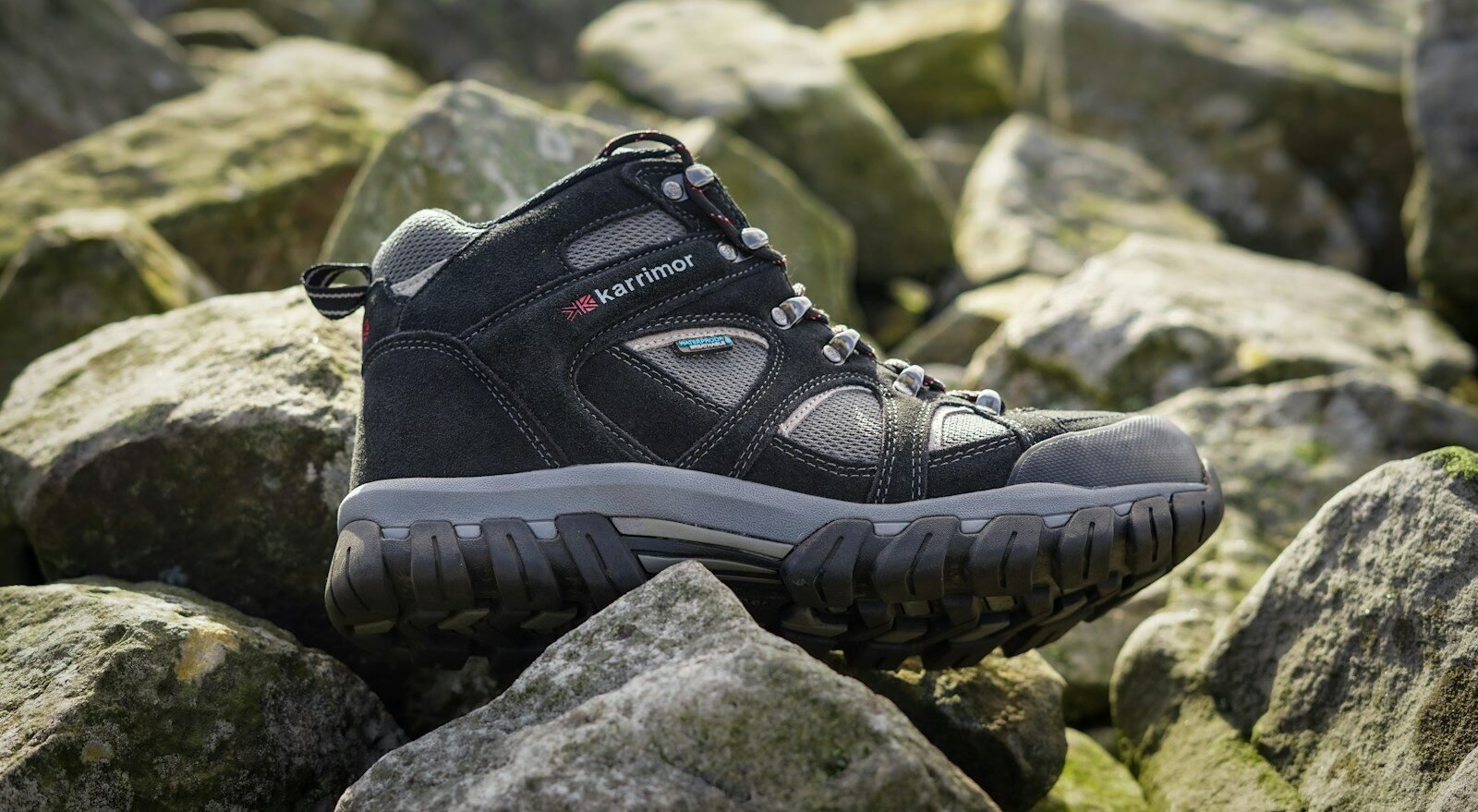
When considering whether do the best motorcycle boot come off in a crash, one must evaluate the material integrity of the footwear. Whether a rider chooses traditional leather or modern technical synthetics, the material serves as the primary barrier against road rash and impact. Premium gear is designed to hold together under extreme duress, ensuring the boot remains anchored to the foot rather than being ripped away by frictional forces.
Abrasion Resistance Standards
To understand if do the best motorcycle boot come off in a crash, riders should look for gear that meets international abrasion resistance standards.
- Full-Grain Leather: Historically the gold standard, it offers exceptional natural durability. It is thick, slides well across asphalt, and resists tearing.
- Technical Synthetics: Advanced materials like Lorica or microfiber are often used in high-end boots. These materials are engineered for consistent strength, often outperforming leather in uniform thickness and resistance to moisture.
- Testing Protocols: Protective equipment is rigorously tested through standardized mechanical methods. According to research published by the National Highway Traffic Safety Administration (NHTSA), gear integrity is vital for survival.
High-quality boots—such as those highlighted in this list of the best dual-sport motorcycle boots—use reinforced stitching and abrasion-resistant panels to ensure the chassis remains intact during a slide.
Breathability and Comfort Features
Material choice also dictates long-term comfort, which affects a rider’s focus and reaction time on the road.
- Moisture Management: Synthetics often incorporate high-tech membranes that are both waterproof and breathable, preventing the foot from slipping inside the boot due to sweat.
- Leather’s Natural Adaptability: Leather provides a unique “break-in” period, eventually molding to the rider’s foot for a secure, custom fit. A secure fit is essential; if a rider is wondering do the best motorcycle boot come off in a crash, they must remember that a loose, uncomfortable boot is more likely to be displaced upon impact.
- Standards and Compliance: For more information on how protective equipment is regulated, riders can review the Consumer Product Safety Commission (CPSC) guidelines on product safety and manufacturing requirements.
Ultimately, whether the material is leather or synthetic, the structural integrity—combined with a proper closure system—determines if the footwear stays on during an incident. Riders should prioritize gear that combines durable shells with secure, multi-point fastening systems to maximize safety.
Common Failure Points in Riding Footwear
Even the most technologically advanced gear can fail if specific components are neglected. Riders often wonder, do the best motorcycle boot come off in a crash, and the answer largely depends on whether the boot’s structural integrity holds up under high-velocity stress. When footwear fails, it is usually because a secondary mechanism or material bond has succumbed to the immense physical forces of a slide. Understanding these weak links is essential for any rider looking to invest in durable dual-sport motorcycle boots that prioritize retention.
Zipper and Strap Integrity
Fasteners are the first line of defense in keeping a boot secured to the rider’s foot. If a zipper bursts or a buckle snaps during an impact, the boot loses its structural containment, significantly increasing the risk of the boot coming off.
- Zipper Failure: High-quality boots often use YKK or equivalent heavy-duty zippers. However, if the zipper track is damaged or the slider is exposed, a slide on asphalt can grind the metal away, causing the seam to pop open.
- Strap Stress: Plastic buckles are common in off-road and touring boots. While convenient, they can become brittle over time due to UV exposure or extreme temperature fluctuations. According to research on impact energy absorption, gear must maintain its fastening integrity to prevent secondary injuries to the foot and ankle.
- Preventative Measure: Always ensure that flaps cover the zippers, as this added layer of material acts as a buffer against direct road contact.
Sole Delamination Risks
The bond between the upper portion of the boot and the rubber sole is a frequent point of failure in lower-quality or aged footwear. When the sole separates, the boot loses its primary point of traction and structural stability.
- Chemical vs. Mechanical Bonding: Cheaper boots often rely solely on adhesives that can degrade over time. Premium manufacturers utilize a combination of heavy-duty industrial stitching and high-strength adhesives, a process known as Goodyear welting or similar durable construction methods.
- Environmental Impact: Frequent exposure to moisture, engine oil, and extreme heat can accelerate the breakdown of these adhesives. As noted in guidance from the National Institute for Occupational Safety and Health (NIOSH) regarding protective equipment standards, regular inspection of footwear materials is necessary to ensure the longevity of protective bonding.
- Identifying Risks: Riders should look for signs of peeling around the edges of the sole. If a gap appears, the boot is compromised, and the structural integrity—which determines why the best motorcycle boot come off in a crash if not maintained—is significantly reduced.
By focusing on these failure points, riders can better evaluate their gear and understand the importance of choosing products that adhere to rigorous safety standards. Routine maintenance and inspection remain the most effective ways to ensure your boots perform as intended when every second matters.

Selecting the Right Fit for Maximum Security
A secure fit is the primary defense against footwear being stripped away during an accident. Riders often wonder, do the best motorcycle boot come off in a crash, and the answer largely depends on whether the gear was selected with precise measurements and retention in mind. Even premium protective equipment fails if it is too loose, highlighting why understanding your own anatomy is a critical step in selecting the best dual-sport motorcycle boots. Properly fitted gear acts as a secondary layer of skin, ensuring that kinetic energy is dissipated rather than resulting in the gear being ejected upon impact.
How to Measure Your Feet for Riding
Achieving a secure fit starts long before a rider enters a dealership. Because motorcycle boots require a snugger fit than everyday sneakers, standard sizing often isn’t enough.
- Measure at the end of the day: Feet naturally swell throughout the day; measuring in the evening ensures the boot won’t become uncomfortably tight during a long ride.
- Account for riding socks: Always wear the specific moisture-wicking, thick socks you intend to use on the bike.
- Use the Brannock Device: Visit a shoe store to get an accurate length and width measurement.
- Consult Size Charts: Every manufacturer uses a unique last—the foot-shaped mold used to create the boot. Always check the specific brand’s sizing guidelines to ensure a compatible match.
Following these steps prevents “heel lift,” a common issue where the foot slides inside the boot, which drastically increases the likelihood that a boot might be pulled off during a slide.
Testing Gear at the Dealership
Once a rider has their measurements, they must subject the prospective boots to a “stress test” while still in the store. A boot that feels comfortable while standing may perform differently in a tucked riding position.
- The Retention Test: With the boots fully fastened, ask a shop assistant to try and pull the boot off while the rider holds their heel firmly on the ground. If the boot slips off, it is too large.
- The Flex Test: Ensure the ankle offers enough support to prevent lateral rollover, as noted in various motorcycle safety research papers.
- The Shift and Brake Simulation: Sit on a bike or a bench to mimic the riding position. Ensure the boot doesn’t pinch the top of the foot or restrict circulation when the ankle is flexed.
- Check for “Dead Space”: There should be no significant gaps around the midfoot or heel. A secure boot should feel like a firm handshake around the entire foot.
By prioritizing this rigorous selection process, riders significantly reduce the risk of their protective equipment failing when they need it most. Ensuring the boots remain firmly in place is a fundamental component of active safety on the road.
Frequently Asked Questions
Understanding the complexities of protective gear is vital for every rider. Many enthusiasts often ask, “do the best motorcycle boot come off in a crash?” The short answer is that high-quality, properly fitted gear is engineered to stay on during high-impact events, ensuring the foot and ankle remain shielded. Below are common inquiries regarding safety standards and equipment selection.
How tight should my motorcycle boots be?
A motorcycle boot should provide a snug, secure fit without restricting circulation. Riders should follow these guidelines:
- Heel Lock: There should be zero vertical lift when walking. If the heel slips, the boot will likely come off during an impact.
- Snug Midfoot: The boot should grip the arch firmly.
- Toe Room: Toes should be able to wiggle slightly; they should never feel compressed against the front of the toe box.
- Consult the Motorcycle Safety Foundation for more comprehensive gear fitting guides.
Are laces safe for motorcycle riding?
Laces are generally discouraged because they pose several risks:
- Entanglement: Laces can snag on shift levers, brake pedals, or footpegs, potentially preventing a rider from putting their foot down during a stop.
- Mechanical Failure: Laces are prone to snapping under the abrasion of a slide.
- Security: Unlike ratchet or buckle systems, laces do not maintain consistent tension during a crash, which increases the likelihood of the boot slipping off.
What is CE certification for boots?
CE certification acts as the industry benchmark for safety, ensuring that gear has been tested against rigorous physical standards.
- EN 13634: This is the specific European standard for protective footwear.
- Tests include abrasion resistance, impact cut resistance, and transverse rigidity.
- Riders should look for the CE label inside the boot, which confirms the gear has passed laboratory testing according to standards recognized globally.
Do racing boots offer more protection than street boots?
Yes, racing boots are designed specifically to handle extreme forces found on a track.
- Structural Support: They often feature inner exoskeletons to prevent hyper-extension and ankle twisting.
- Materials: They utilize high-spec plastics and sliders that endure long-duration slides better than standard leather.
- Retention: They utilize aggressive multi-point closure systems that prioritize staying on at high speeds. For riders seeking versatile options, check out these top-rated dual sport motorcycle boots for a balance of protection and comfort.
Safety Ratings and Industry Standards
When assessing whether gear will hold up during a high-speed accident, riders often ask, do the best motorcycle boot come off in a crash? To answer this, one must look toward rigorous industry certifications. Manufacturers subject their products to standardized tests to ensure that every strap, buckle, and material remains intact under extreme friction and force. By adhering to international testing protocols, riders can gain confidence that their footwear is engineered to stay on their feet when it matters most. For those researching high-performance options, checking top-rated dual-sport motorcycle boots is a great way to see how modern safety features are integrated into professional-grade gear.
Understanding EN 13634 Standards
The primary benchmark for motorcycle footwear in the United States and globally is the EN 13634 standard. This European certification provides a uniform way to measure the protective capabilities of riding boots.
Key testing parameters within this standard include:
- Height of the Upper: Ensures the boot covers the ankle area, which is vital for preventing injury.
- Impact Abrasion: Tests how long the material can withstand friction against a road surface.
- Impact Cut Resistance: Measures the boot’s ability to resist sharp objects during a slide.
- Transverse Rigidity: Evaluates the boot’s resistance to being crushed, protecting the foot’s structural integrity.
Detailed documentation on how these physical tests are conducted can be found through resources like the CEN (European Committee for Standardization), which sets the global baseline for safety equipment.
The Hierarchy of Protective Gear
Not all boots are created equal; the industry classifies them into levels based on their construction and safety features. Understanding the protective gear hierarchy is essential for riders who prioritize safety.
- Level 1 Protection: Offers basic protection suitable for urban commuting. It provides adequate abrasion resistance but is generally lighter and more flexible.
- Level 2 Protection: Designed for higher-speed scenarios, such as track riding or spirited street riding. These boots feature more robust structural reinforcements, stiffer soles, and advanced retention systems that ensure the footwear remains secure.
According to research from the National Highway Traffic Safety Administration (NHTSA), properly secured personal protective equipment is the most effective way to reduce the severity of lower-extremity injuries. By selecting gear that meets or exceeds EN 13634 Level 2 standards, riders significantly decrease the likelihood of their footwear failing during a slide, effectively addressing the question: do the best motorcycle boot come off in a crash? The answer remains a resounding “no” when the rider invests in equipment that has been validated by these industry-standard safety benchmarks.
Maintenance Tips to Ensure Your Boots Stay On
Proper maintenance is the final line of defense in rider safety. Even if you purchase high-end equipment, environmental factors and regular wear can compromise the structural integrity of your gear. Riders must frequently inspect their boots to ensure they are performing as designed, as asking “do the best motorcycle boot come off in a crash” is irrelevant if the fastening mechanisms have failed due to neglect. Consistent upkeep ensures that your dual sport motorcycle boots maintain their intended retention performance throughout their lifespan.
Checking Fasteners and Buckles
The security of your footwear depends entirely on the condition of its closure systems. Whether you use buckles, ratchets, or hook-and-loop straps, these components are prone to debris buildup and mechanical fatigue.
- Clean Regularly: Dirt, road grime, and sand can clog buckle teeth and reduce the “bite” of Velcro straps. Clean these areas with a soft brush after every long ride.
- Inspect for Stress Fractures: Plastic buckles can become brittle over time, especially when exposed to extreme UV light. Check for hairline cracks.
- Test Tension: Ensure that ratcheting mechanisms hold firmly under tension. If a buckle slips when you pull on the boot, it is time for a repair or replacement.
- Consult Resources: For further information on gear standards and safety testing, riders can review technical documentation provided by the National Highway Traffic Safety Administration (NHTSA).
When to Replace Worn Out Boots
Even the highest-quality leather or synthetic materials have a functional expiration date. Knowing when to retire your gear is just as important as knowing how to maintain it.
- Sole Degradation: If the tread is worn thin or the rubber has begun to delaminate from the midsole, the boot loses its grip on both the footpeg and the pavement, increasing the risk of foot injuries.
- Structural Fatigue: If the ankle supports feel “mushy” or the chassis of the boot no longer holds its shape, it no longer provides the necessary protection during an impact.
- Material Breakdown: Cracking, dry rot in leather, or fraying seams suggest that the materials are no longer capable of meeting modern CE certification standards.
- Post-Impact Inspection: If a rider has been involved in a spill, they should follow the guidelines outlined in research regarding protective equipment efficacy, which generally advises replacing any piece of safety gear that has sustained a significant impact, as internal structural damage may not be visible to the naked eye.
By proactively monitoring your equipment, you ensure that the answer to whether do the best motorcycle boot come off in a crash remains a resounding “no.”
The Cost of Cheap vs. Premium Footwear
When evaluating riding gear, riders often wonder if they should splurge on high-end alternatives to avoid compromising safety. Many ask, “do the best motorcycle boot come off in a crash,” and the answer frequently lies in the quality of construction. While budget-friendly options might seem adequate for casual commuting, premium footwear is engineered to withstand the extreme kinetic forces of an accident, ensuring the boot remains anchored to the foot when it matters most. Investing in quality gear is essentially purchasing insurance for your lower extremities, as cheaper materials often fail under the duress of a high-side or slide.
Investment in Long-Term Protection
Purchasing premium motorcycle boots is a long-term investment in safety rather than a simple wardrobe expense. Unlike economy brands, premium manufacturers utilize advanced materials like full-grain leather, carbon fiber, and industrial-grade synthetics that comply with Safety Standards for Protective Equipment.
- Durability: Premium boots resist degradation from heat, oil, and road friction.
- Structural Integrity: High-end boots incorporate rigid frames that prevent the common failure points found in cheap footwear.
- Replacement Value: A well-built boot lasts years, providing a better return on investment compared to replacing “disposable” boots that wear out after a single season.
When considering the best dual sport motorcycle boots, riders are paying for rigorous testing protocols that ensure the footwear won’t fail during a slide. These boots are subjected to intense laboratory testing to meet CE certification standards, ensuring that they offer the necessary impact and abrasion protection.
Value Propositions of Top Brands
Top-tier manufacturers prioritize rider safety through proprietary technologies that budget brands rarely replicate. They understand that in the event of an emergency, the boot must remain secured to provide ankle and bone protection.
- Patented Retention Systems: Premium brands use high-tensile ratcheting buckles and internal lace-lock systems that do not release during a crash.
- Ergonomic Engineering: By utilizing superior design, these boots provide a snug, consistent fit that minimizes the “internal slop” that causes boots to fly off.
- Advanced Materials: Research indicates that high-quality materials exhibit higher abrasion resistance levels, preventing the boot from grinding away and exposing the foot to the asphalt. For more details on gear effectiveness, you can review research available via National Institutes of Health archives regarding trauma prevention.
Ultimately, while the initial price tag for top-tier gear is higher, the cost of medical intervention following a crash where a boot fails is significantly more expensive. Prioritizing premium construction is the most effective way to ensure that your footwear stays securely in place, protecting you from life-altering injuries.
Conclusion: Why the best motorcycle boot come off in a crash?
When considering the catastrophic forces involved in a motorcycle accident, riders often wonder: do the best motorcycle boot come off in a crash? The short answer is that high-quality, properly fitted riding boots are engineered specifically to remain secured to the foot. If a boot comes off during an incident, it is almost always due to incorrect sizing, poor fastener design, or excessive wear, rather than a failure of the design philosophy itself.
Key Factors in Boot Retention
To ensure a rider’s footwear stays in place during an impact or slide, they must prioritize gear that meets rigorous CE certification standards. These standards ensure that the materials and mechanical closures are tested against high-stress scenarios.
- Mechanical Integrity: Premium boots utilize advanced buckles, ratchets, and hidden zippers that are protected by overlapping flaps to prevent accidental release.
- Fitment Precision: A boot that fits perfectly around the ankle and instep creates a secure hold that prevents the foot from slipping out, even during significant rotational force.
- Material Rigidity: High-end synthetic or leather materials maintain their structural shape, providing a rigid chassis that keeps the protective armor properly indexed over the foot and ankle bones.
The Role of Proper Gear Selection
For those looking to upgrade their safety equipment, exploring the top-rated dual-sport motorcycle boots can provide a benchmark for the level of retention and support required for serious riding. Riders should remember that footwear is the first line of defense against lower-limb injuries, which are among the most common outcomes in motorcycle-related trauma cases.
Final Safety Checklist for Riders
To minimize the risk of footwear failure, riders should follow these maintenance and selection protocols:
- Annual Inspection: Always check straps, buckles, and soles for signs of fatigue or delamination.
- Standards Compliance: Look for boots rated under the EN 13634 testing protocol, which confirms that the footwear has passed standardized impact and abrasion tests.
- Proper Sizing: Never opt for “extra room” in a riding boot; the fit should be snug but comfortable, preventing the heel from lifting.
Ultimately, while no piece of gear can guarantee total immunity from injury, investing in premium equipment ensures that the footwear remains a shield rather than a liability. When someone asks, do the best motorcycle boot come off in a crash, the answer remains: only if they were improperly selected or maintained. Keep the gear secure, and the protection remains constant.