Riding a motorcycle at night can be risky because drivers have a harder time seeing you. To stay safe, you need reflective gear that makes you visible from all angles. The best reflective motorcycle gear should have bright, well-placed strips and be comfortable enough to wear for long rides.
When choosing reflective gear, consider the kind of riding you do and the areas where you need the most visibility. Good gear today comes in many forms, from jackets and helmets to backpacks and luggage, all designed to improve safety without adding extra bulk. Picking gear that fits well and suits your style can help you stay protected and feel confident on the road.
Reflective gear does more than just catch light; it can give you peace of mind and encourage safe riding habits. Knowing what to look for helps you make smart choices so you can enjoy night rides without worrying about being seen.
Key Takeways
- Visibility depends on quality reflective material placed on key body areas.
- Comfort and fit are just as important as how visible the gear is.
- Reflective gear can boost your confidence and safety during night rides.
The Importance of Reflective Gear for Night Riding
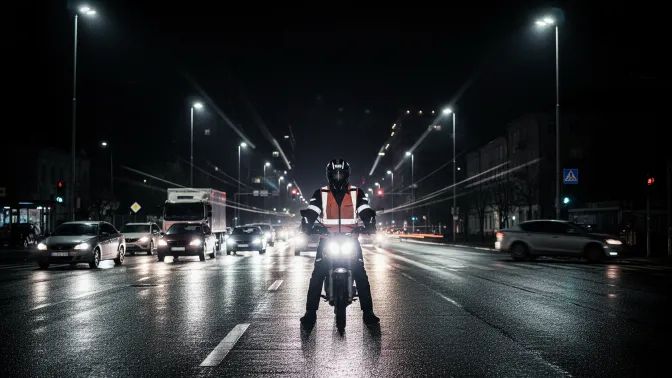
Riding at night brings unique dangers due to lower visibility and slower reaction times from other drivers. Reflective gear directly addresses these issues by making riders stand out more clearly on the road. It is also important to understand how accidents happen after dark and which rules govern reflective gear use.
Visibility and Safety Benefits
Reflective gear greatly improves how visible I am to other drivers in the dark. Bright or glowing materials reflect headlights and streetlights, which helps prevent accidents caused by drivers not seeing me. Reflective jackets, vests, helmets, and even luggage can increase my visibility from all directions.
This gear is designed to catch attention quickly. For example, reflective vests use LED lights or striping that can be seen from far away. I also find that the combination of reflective elements with bright colors adds an extra layer of safety. Wearing reflective gear reduces the risk of collisions, especially at intersections or on poorly lit streets where motorcycle lights alone aren’t enough.
Statistics on Nighttime Motorcycle Accidents
Nighttime motorcycle accidents make up a significant portion of total crashes. Studies show that a large number of fatal motorcycle crashes happen after dark. Reduced visibility plays a major role since drivers often fail to notice motorcyclists until it’s too late.
According to traffic safety data, motorcycle riders are nearly three times more likely to be involved in fatal crashes at night compared to daytime. Most of these accidents happen on unlit or rural roads. This means reflective gear isn’t just a good idea—it’s a crucial part of lowering my chances of being hit during night rides.
Legal Requirements and Standards
When choosing reflective gear, I pay close attention to legal rules and safety standards. Many countries require motorcyclists to wear helmets with reflective features. Some also set minimum reflectivity levels for jackets and vests.
In the U.S., DOT-approved helmets with reflective markings are common and often mandated by state laws. European standards like EN ISO 20471 regulate the brightness and coverage of reflective materials on riding gear. Knowing these standards helps me pick gear that meets safety benchmarks and keeps me compliant with the law.
Some jurisdictions also encourage or require additional reflective accessories, especially for night rides. Following these rules can keep me safer and protect me from potential fines.
Key Features to Look For in Reflective Motorcycle Gear
When choosing reflective motorcycle gear, I focus on three main things: the type of reflective material used, where the reflective parts are placed on the gear, and how well the gear holds up to wear and weather. Each of these aspects plays a big role in keeping me visible and protected during night rides.
High-Visibility Materials
Good reflective gear uses materials that catch light effectively from all angles. I look for fabrics with 3M Scotchlite reflective technology or similar, as they are proven to reflect light brightly. These materials don’t just shine when directly hit by headlights but also at angles, which helps drivers see me sooner.
Reflective strips should be wide enough to be seen clearly and made from fabrics that won’t wear out quickly. Avoid thin or glued-on tape that can peel off fast. Breathable and flexible reflective fabrics also improve comfort without losing visibility.
For more on reflective materials, I check sources like 3M’s official site.
Placement and Coverage of Reflective Elements
Where the reflective parts sit on your gear affects how visible you are. I make sure the reflective strips cover both my upper body and legs because motion helps catch attention. Reflective gear should cover key areas like shoulders, arms, chest, back, and lower legs.
The best gear spreads reflective material around the body so it can be seen from different angles and distances. Gear with scattered reflective patches or strips around joints works well because movement makes those areas stand out.
I avoid gear that only has reflective parts on one small area, like just a patch on the back. If your gear lacks coverage on legs, consider reflective pants or legbands for full protection. A well-placed combination is crucial, especially at intersections where visibility is limited.
Durability and Weather Resistance
Night riding often means facing rain, wind, or cold, so I need gear that stays reflective and functional regardless of weather. High-quality gear should be made from water-resistant or waterproof fabrics that don’t lose their reflectivity when wet.
Check if the reflective strips are sewn or heat-bonded securely to prevent peeling or damage from washing. Durability against scrapes and tears is also key since reflective gear takes a lot of wear.
Look for gear that’s easy to clean without fading. Some manufacturers list abrasion resistance ratings, which are worth considering if you ride often at night or in tough conditions.
For advice on durable motorcycle gear, RevZilla’s gear guide offers solid insights on fabric types and care.
Types of Reflective Motorcycle Gear
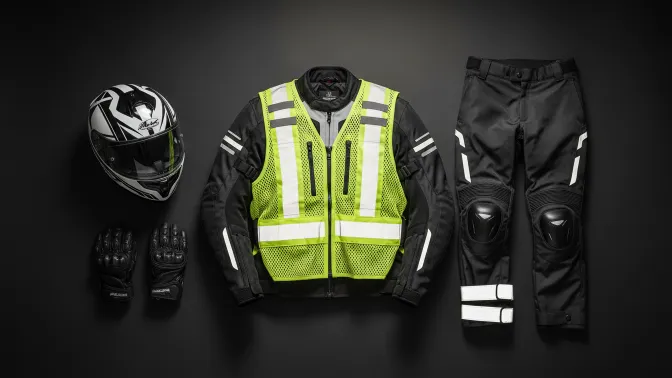
When picking reflective gear, I focus on pieces that boost visibility where it matters most. Certain parts of your gear can offer better safety at night by catching headlights from different angles.
Jackets and Vests
Reflective jackets and vests are the most important pieces for night riding. I look for high-visibility materials with wide reflective strips across the chest, back, and arms. These areas catch light from cars coming from the front, behind, and sides.
Fit and comfort matter a lot here. The jacket or vest should be snug but not tight, allowing for free movement. Many jackets come with reflective panels sewn directly into the fabric, which last longer than stickers or patches. Some also have detachable liners for use in various weather conditions.
For safety, I prefer bright colors like neon yellow or orange combined with strong reflective areas. This combination helps during dusk and dawn, too, when lighting can be tricky.
Helmets with Reflective Elements
My helmet is one of the first things other drivers see. Adding reflective tape or buying a helmet with built-in reflective surfaces can make a big difference.
Reflective elements on the back and sides of the helmet improve side visibility, which is often overlooked. That’s crucial at intersections and when making turns.
Helmets designed with reflective paint or patterns catch more light without adding weight. Make sure reflective parts don’t peel off easily and cover enough surface to be seen at a distance.
Gloves and Pants
Gloves and pants with reflective features help increase your visibility in subtle but useful ways. Since your hands and legs move when riding, reflective gloves and pants catch attention even from far away.
For gloves, I prefer reflective strips on the knuckles and fingers. This helps drivers see hand signals and your position on the road. Pants with reflective strips along the legs boost visibility from the side and behind, especially at night.
These pieces should balance reflectivity with comfort. Often, reflective areas are placed in spots that do not wear out from constant movement or friction.
Choosing the Right Fit and Comfort
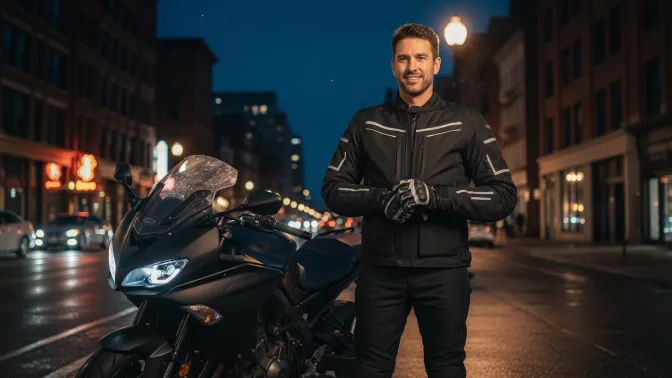
When picking reflective motorcycle gear, fit and comfort are just as important as visibility. Gear that fits well keeps you safe and lets you ride longer without discomfort. Paying close attention to sizing, breathability, and freedom of movement will improve your night riding experience.
Sizing Considerations for Different Body Types
Finding the right size means more than matching numbers on a chart. I always check if the gear offers adjustable straps or stretch panels. These features help the gear fit snugly without cutting off circulation or limiting movement.
Different brands may have slightly different sizing, so trying the gear on or using a size guide from trusted sources like RevZilla can be very helpful. If you have broad shoulders or longer arms, look for options specifically made for your body type. Layering reflective gear over other clothes also affects fit, so consider the thickness of your base layers.
Breathability and Ventilation
Reflective gear can trap heat if not properly ventilated. I prioritize jackets and gloves with mesh panels or vents to let air flow during rides. This prevents overheating while keeping me comfortable on warm nights.
Materials matter too. Lightweight, moisture-wicking fabrics help reduce sweat buildup inside the gear. Some reflective materials also have built-in breathability which is a plus for long rides. Checking product specs for airflow features ensures I won’t feel too hot or clammy during night trips.
Freedom of Movement
Comfortable riding gear must let you move freely without restrictions. I look for gear with stretch fabric around key joints like elbows and knees. This flexibility helps when leaning or shifting positions on the bike.
Elastic waistbands and adjustable closures keep gear secure but don’t restrict movement. Even reflective gloves should balance protection with finger dexterity. Staying agile and able to react quickly improves safety during night riding.
For more tips on flexible gear, the Motorcycle Safety Foundation offers useful guides on proper fit and comfort.
Combining Style and Functionality
When choosing reflective motorcycle gear, I look for pieces that not only keep me visible but also fit my personal style. Comfort, durability, and good design can all come together without sacrificing safety. Thoughtful features like the placement of reflective strips and the gear’s look make a big difference.
Modern Design Options
Today’s reflective gear offers sleek designs that don’t scream “safety gear.” Many jackets and vests now use subtle reflective patterns instead of bulky, obvious stripes. This allows me to stay visible without feeling like I’m wearing something clunky or outdated.
Materials have improved too. Lightweight, breathable fabrics with built-in reflective fibers make the gear easier to wear for long rides. Colors like black, gray, and navy incorporate reflective elements that catch light well but don’t stand out too much during daytime. I also pay attention to the cut and fit—modern cuts can help with comfort and reduce wind resistance.
Customizable Gear Solutions
Customizing my gear is important for both style and safety. I often add reflective tape or stickers in spots where extra visibility is needed, like the back of my helmet or saddle bags. These add-ons allow me to tailor my gear without buying new items.
Some brands offer jackets and pants with detachable reflective panels. I like this because it lets me adjust how much reflectiveness I use depending on the ride conditions. Reflective decals are another choice. They give me the freedom to create a unique look while maintaining high visibility.
Using layers of reflective gear is a smart way to boost safety without compromising style.
Budget Considerations and Value for Money
Choosing reflective motorcycle gear means balancing price with quality. Understanding how prices differ and what features matter most helps me pick gear that protects without overspending.
Comparing Price Ranges
Reflective motorcycle gear varies widely in price, from basic reflective stickers that cost around $10 to premium jackets or chest rigs priced near $120. Lower-priced items usually offer simple visibility boosts but might lack durable materials or comfort features. Mid-range options often include jackets or vests with sewn-in reflective strips and better fabric quality.
High-end gear tends to focus on durability, comfort, and design, with added features like weather resistance or multiple reflective zones. I find it useful to decide upfront how much I’m willing to spend, then look for the best combination of safety and comfort within that budget. Remember, even budget gear can improve visibility if chosen carefully.
Evaluating Cost Versus Performance
When assessing reflective gear, I weigh its price against factors like visibility, fit, and durability. A $30 reflective vest might be highly visible but less comfortable for long rides. On the other hand, a $100 jacket could offer better protection and comfort while maintaining reflectivity.
I look for gear that uses high-quality reflective materials, covers key body areas, and fits well. Sometimes spending a bit more means better safety and longer-lasting gear, which saves money over time. Features like breathability and weather resistance add value beyond just reflectiveness. For me, balancing cost and performance is about finding gear that makes night riding safer without breaking the bank.
Proper Maintenance to Maximize Reflectivity
Keeping reflective motorcycle gear effective means regular care. I focus on cleaning the gear correctly and checking for signs of wear that could reduce its visibility. Both tasks help keep the reflective parts working well and extend the life of the gear.
Cleaning Guidelines
I clean my reflective gear carefully to avoid damaging the reflective material. First, I use a mild detergent and cold water. Hot water or harsh chemicals can wear down the reflective strips. I hand wash whenever possible, gently scrubbing only stained areas.
After washing, I let the gear air dry. Avoid using a dryer because heat can dull the reflective surface. If the gear has a waterproof layer, I make sure the cleaning method doesn’t remove its coating. Cleaning regularly prevents dirt from accumulating, which can block light and reduce reflectivity.
Inspecting for Wear and Tear
Every time I get ready to ride at night, I check my gear closely for signs of wear. Cracked, peeling, or faded reflective strips mean the gear isn’t as visible. I look for loose threads or damage that could cause the reflective material to fall off or lose its effect.
If the gear shows major wear, I replace or repair it quickly. Minor damage might be fixed by sewing or using patches. Keeping the reflective parts in good condition is crucial because worn gear can give a false sense of safety. Regular inspections ensure I stay as visible as possible on the road.
Top Mistakes to Avoid When Choosing Reflective Gear
Picking the right reflective gear is more than just grabbing something bright. You need to focus on certified safety standards and make sure the reflective areas cover key parts of your body. These choices affect how visible you are to others on the road, especially at night.
Overlooking Certified Products
I always check if the gear meets safety certifications like EN ISO 20471 or ANSI. Certified products are tested for brightness and reflectivity, so they meet strict visibility requirements. Using non-certified gear can give a false sense of safety because its reflective quality may be poor or wear out quickly.
Some cheaper or uncertified gear may use low-quality reflective tape that fades after a few washes. Missing this means I might not be as visible as I think. Always look for labels or tags showing certification to be sure your gear will perform when you need it most.
Ignoring Coverage Areas
Visibility depends not just on how bright your gear is but also where the reflective strips are placed. I make sure reflective tape covers wide areas around my torso, arms, and legs. If bands are too narrow or only on small patches, I become harder to see from certain angles.
Effective gear offers 360-degree visibility, so drivers can spot you from behind, in front, and the sides. A reflective vest with coverage only on the chest won’t keep me safe if someone approaches from behind. Inspect your gear to ensure large, continuous reflective areas rather than small, spaced-out patches.
FAQs
What type of reflective gear should I choose?
I look for jackets or vests with wide, bright reflective strips. These are easy to see from far away. Adding reflective decals on my helmet and bike increases my visibility even more.
Is reflective gear enough to keep me safe at night?
Reflective gear helps, but it’s not the only step. I also make sure my bike’s lights are working well. Riding carefully and avoiding blind spots is just as important.
Can I use regular clothes with reflective tape?
Yes. You can add reflective tape to your clothes or gear. But I prefer gear made for riding because it usually fits better and offers protection in case of a fall.
Do gloves and boots need reflective parts?
I think every bit helps. Reflective strips on gloves and boots catch light from different angles. This small detail can make a difference to other drivers noticing you.
How do I keep comfort while wearing reflective gear?
I pick gear that’s lightweight and breathable. Reflective gear can be made with fabrics that don’t get too hot or stiff. Comfort is key for long night rides.
Are some colors better for night riding?
Bright colors combined with reflective materials work best. They stand out even before lights hit them. I usually choose neon or light-colored gear with reflective strips to stay visible.
| Gear Type | Reflectivity | Comfort | Protection |
|---|---|---|---|
| Reflective Vest | High | Medium | Low |
| Reflective Jacket | High | High | High |
| Reflective Gloves | Medium | Medium | Medium |
Conclusion
When choosing reflective motorcycle gear for night riding, I focus on visibility from all angles. It’s important to wear gear that reflects light clearly from the front, back, and sides. This helps other drivers see me well before I get too close.
Comfort matters just as much as visibility. I pick materials that feel good and allow me to move freely. Stiff or heavy gear can make riding harder, especially on longer trips. Durable fabrics help the gear last through many rides and weather conditions.
I also look for gear with multiple reflective areas instead of just one strip or patch. Jackets, vests, helmets, and even bags with reflective parts work best together. This layered approach makes me more visible in different lighting conditions and angles.
Some key features I keep in mind are:
- Bright, high-visibility colors combined with reflective strips
- Lightweight and breathable fabrics
- Proper fit that doesn’t restrict movement
- Extra protection like padding or abrasion resistance
Using reflective gear is not a guarantee of safety, but it is a smart step I take to reduce risk at night. I know that being seen clearly by others can prevent accidents. Choosing the right gear takes effort, but it makes riding after dark safer and more confident for me.