Picking the right motorcycle boots as a beginner can feel overwhelming, but it’s an important step to stay safe and comfortable on the road. The best boots protect your feet and ankles, fit well, and match your riding style. Choosing boots designed for riders like you means you get the right support and durability without overspending or risking injury.
I’ve found that understanding the different types of boots and what features matter most helps a lot. Good boots are made to handle impact and weather, so you stay safe no matter where or when you ride. Comfort is just as critical because boots that don’t fit right can distract you and reduce your confidence while riding.
Knowing what to look for before you shop can save time and money. It also prevents common mistakes like picking boots just for style without thinking about protection. If you’re ready to learn the key points that make a boot a smart choice for a beginner, this guide will help you find your perfect pair.
Key Takeways
- Protection and fit are the most important when choosing motorcycle boots.
- Boots need to match your riding style and weather conditions.
- Avoid buying boots based only on looks; safety should come first.
Understanding the Importance of Motorcycle Boots
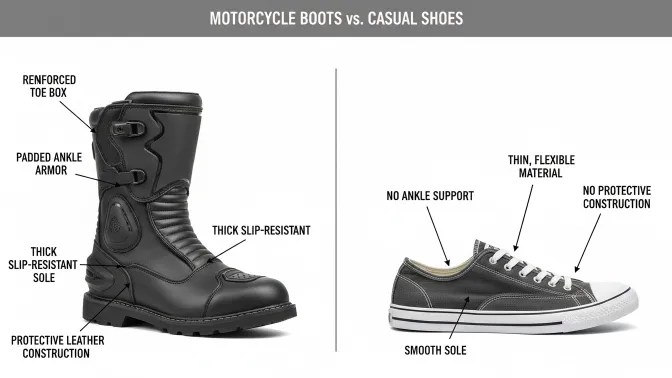
Choosing the right motorcycle boots means looking at safety, design, and protection. The boots must give strong guards for your feet and ankles, differ from regular shoes to handle riding risks, and help avoid common riding injuries.
Essential Safety Features
Motorcycle boots have safety features that regular shoes don’t. These include reinforced toes, strong ankle support, and thick soles. I look for boots with steel or hard plastic toe caps to protect against impact.
The soles are often made of slip-resistant rubber. This helps me keep my footing on rough or wet surfaces. The boots also cover my ankles fully, locking support in place to stop twisting or bending in a crash.
Some boots have added features like shin guards, waterproof layers, or reflective strips for visibility. These details improve safety while riding, especially on long trips or in bad weather.
Differences From Regular Footwear
Motorcycle boots are built very differently from everyday boots or sneakers. I know that regular shoes usually focus on comfort or style but don’t protect the foot in a crash. Motorcycle boots are stiffer and stronger.
They often come with materials like thick leather or synthetic armor that resist abrasion. The design also keeps parts of my foot and ankle shielded from heat, such as the bike’s engine or exhaust pipes.
Also, the sole is much harder and designed to take wear from gear shifts and road contact. Regular shoes would wear out quickly or fail to protect. This makes motorcycle boots specialized gear for riding, not just any shoe.
Injury Prevention Benefits
I wear motorcycle boots because they reduce the chance of serious foot and ankle injuries. The reinforced areas protect bones from breaking on impact. Strong ankle supports help prevent sprains and twisting.
The boots also shield from cuts and burns. When riding, falling or sliding on rough pavement can scrape skin and cause deep wounds. Boots with tough material lower that risk.
In accidents, boots act as a barrier against heat from bike parts, which can cause burns. They also keep dirt and debris away from wounds. Using proper boots lets me ride with better confidence, knowing my feet have real protection.
Choosing the Right Fit for Beginners
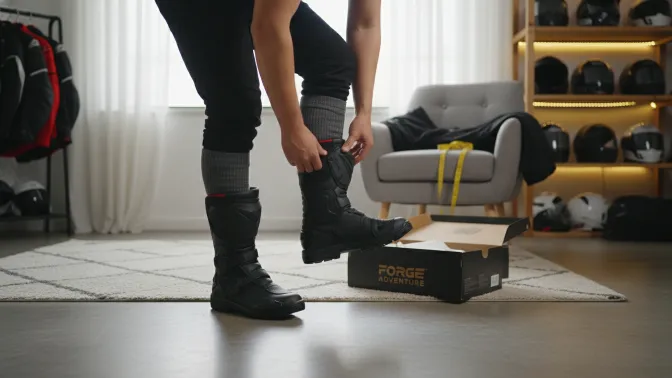
Finding the right motorcycle boots means focusing on fit, support, and how they feel over time. A good fit protects your feet and lets you ride comfortably. Proper support helps prevent injuries, and understanding the break-in period prepares you for what to expect.
Sizing and Comfort
When I pick boots, I always start by measuring my feet carefully. Length and width matter a lot. I use a measuring tape or device, then check the size chart of the brand I want. Different brands can fit differently, so I don’t just guess my usual shoe size.
Comfort means feeling snug but not tight. My toes should have some wiggle room, about a half-inch from the front. I look for boots with padded insoles and good arch support. If the boots feel too loose, my feet may slip and cause blisters. Too tight, and they can hurt or cut off circulation. I also try to wear the socks I plan to use for riding when trying on boots.
Ankle and Shin Support
Supporting my ankle and shin is key for safety. I look for boots that cover above the ankle to protect bones and ligaments from twists or impacts. A firm, reinforced ankle area reduces the risk of sprains.
Many beginner boots have extra padding or hard inserts in the shin area. This helps guard against road rash and protects the leg in case of an accident. The boot should feel stable when I move my foot up and down but still allow movement to shift gears or brake easily.
I avoid boots that feel floppy or unstable around my ankles. Solid support keeps my feet secure on the foot pegs and helps with balance.
Break-In Period
New motorcycle boots often need some time to soften and shape to your feet. When I bought my first pair, I wore them around the house or during short rides at first. This helped the leather or materials loosen without hurting my feet.
It’s normal to feel some stiffness or slight pressure at first. Using leather conditioner and wearing thick socks can speed up the break-in. I avoid riding long distances until the boots feel more comfortable.
If the boots cause pain or blisters after multiple wears, I reconsider the fit or style. Breaking in boots shouldn’t mean constant discomfort or injury. Proper break-in lets you get full protection and comfort during rides.
Types of Motorcycle Boots for New Riders
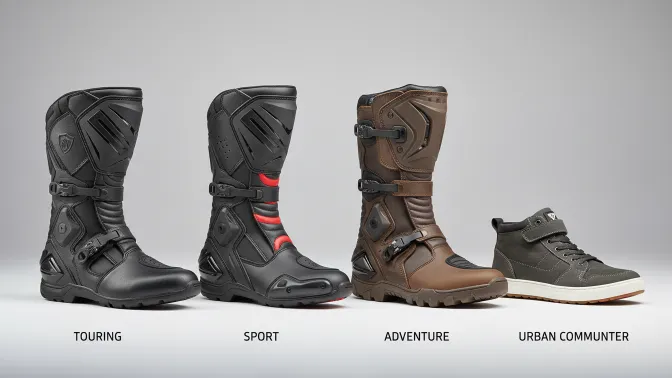
Choosing the right boots means understanding what riding you’ll do and how boots match those needs. Some boots are made for long hours on the road, while others focus on agility or everyday comfort. Knowing the differences in design, protection, and fit helps you pick boots that keep you safe and comfortable.
Touring Boots
Touring boots are built for long rides on paved roads. They usually have good ankle support and a waterproof layer to keep feet dry during extended trips or in bad weather. Comfort is a top priority, so these boots have cushioned insoles and breathable materials to reduce fatigue.
They often come with reinforced soles that provide strong grip on footpegs and roads, which improves control. You’ll also find extra protection around the shin and toe areas, which guards against injury during sudden stops or falls. If you plan to spend many hours on the bike, touring boots are a smart choice.
For more information on touring boots, you can check out resources at the American Motorcyclist Association.
Sport Boots
Sport boots focus on protection and flexibility for faster riding and sharper moves. They are lighter and often have hard plastic or metal reinforcements over the ankles, heels, and toes to protect during crashes or slides. The boots also typically include a close, secure fit to improve control while leaning or shifting your weight.
Because sport boots are designed for performance, they may sacrifice some comfort found in touring boots. They are best for newer riders who want a protective boot without bulky padding. These boots usually feature special soles for quick gear shifting and good grip on the bike controls.
You’ll want to look for boots with slip resistance and abrasion-proof materials to stay safe at higher speeds.
Adventure Boots
Adventure boots are built to handle a mix of on-road and off-road riding. They are often taller and stronger because they need to protect the rider in rough terrain, debris, and unpredictable conditions. These boots have sturdy soles for walking on trails but also enough flexibility for control on pavement.
They offer extra protection around the ankles and lower shins with hard plastics or reinforced leather. Many models come with waterproof membranes to handle rain and mud. If you plan on exploring dirt roads and trails, adventure boots offer the right balance between protection and comfort.
Find detailed advice on boots suitable for adventure riding at RevZilla.
Urban and Commuter Options
Urban and commuter boots focus on everyday wear and functionality. They usually look like casual boots but have reinforced toes, heels, and ankles for motorcycle safety. These boots are often lighter and easier to walk in, which I find helpful for city stops and walking between errands.
Many versions include waterproof materials and reflective patches for visibility in low light. Though they don’t offer the extreme protection of sport or adventure boots, they do help protect your feet during typical city rides. For new riders commuting daily, these boots combine safety with style and comfort.
Look for boots with good sole grip and support to keep stable in traffic and quick stops.
Key Materials and Construction
When picking motorcycle boots, I focus on the materials used and how the boots are made. These factors affect comfort, protection, and how long the boots will last. I look carefully at the type of material, how waterproof they are, and the sole’s strength.
Leather vs. Synthetic
Leather is a top choice because it offers good protection and lasts a long time. It molds to your feet the more you wear it, which makes it more comfortable. Leather is also naturally tough against cuts and scrapes, which helps in case of falls. However, leather can be heavier and takes longer to break in.
Synthetic materials like microfiber or nylon are lighter and often cheaper. They dry faster and can be more breathable than leather. Some synthetic boots are designed for specific weather or riding styles. But, they may not resist abrasion as well as leather does. I usually choose based on where I plan to ride and how much protection I need.
Waterproofing Technologies
Waterproof boots keep my feet dry and comfortable, especially in rainy rides. Many boots use materials like Gore-Tex or other waterproof membranes. These let sweat escape but block water from coming in. They work well if you ride in wet conditions often.
Some boots are treated with waterproof coatings on the surface. These can keep water out but may wear off over time. Another option is waterproof leather, which is thicker and often sealed to reduce water absorption. When I buy boots, I check if the waterproofing matches where I ride and how often I face wet weather.
Sole Durability
The sole protects your feet from the ground and affects grip on the bike’s foot pegs. A good sole will be thick, sturdy, and slip-resistant. Rubber soles are common because they offer strong grip and absorb impact well.
Some boots use soles made from Vibram or other high-quality rubber compounds. These are harder to wear down and give better traction on wet or uneven surfaces. I also look at how the sole is attached—whether it’s stitched or glued. Stitched soles usually last longer and can be repaired more easily.
Having a durable sole means less worry about slipping or the sole wearing out quickly, which is important for new riders like me.
Critical Safety Standards and Certifications
When choosing motorcycle boots, it’s important to focus on their safety certifications and protection levels. These show how well the boots can defend against injury in accidents. I look at the two key areas: the CE certification and how the boots protect against impact.
CE Certification
CE certification is a standard used in Europe to measure safety for motorcycle boots. It means the boots have passed tests for abrasion resistance, impact protection, and other risks.
There are two levels of CE certification:
- Level 1: Basic protection
- Level 2: Higher protection with more durable materials and stronger impact resistance
I always choose boots with at least CE Level 2 because they provide better safety on the road. The certification process involves testing the boot’s materials against abrasion, impact, and even cut resistance. Look for the CE mark or EN 13634 standard label on the boots. This label tells you if the boots meet the strict safety rules.
Impact Protection Ratings
Impact protection ratings tell you how well the boots protect your feet from sudden shocks or hits. This is important during a fall or crash.
Good motorcycle boots have reinforcements in these areas:
- Toe box
- Heel
- Ankle support
These parts are designed to absorb impact and reduce injury. I check if the boots have reinforced toe boxes and ankle padding that meet CE or ASTM standards. Boots without proper impact ratings can leave your feet vulnerable.
In summary, boots should be tested for real-world accidents. Look for features like crush rigidity and torsion control, which help protect bones from breaking or twisting. The higher the impact rating, the better the boots guard against serious injury.
Weather Considerations for Boot Selection
When choosing motorcycle boots, I pay close attention to how the weather will affect comfort and safety. Different conditions call for specific features like breathability or waterproofing. These details make a big difference during my rides.
Hot Weather Comfort
In hot weather, I look for boots that help keep my feet cool and dry. Boots with ventilation panels or mesh inserts allow air to flow, reducing sweat and heat buildup. Materials like lightweight leather or textiles often breathe better than heavy leather.
I avoid boots without any airflow because they can get very uncomfortable quickly. Also, I check for adjustable openings or vents that I can open or close depending on the temperature. A good fit is key here; boots that are too tight will trap heat.
Lastly, I pick boots with moisture-wicking linings. These help pull sweat away and keep my feet fresher for longer rides.
Rain and Wet Conditions
For rainy or wet rides, waterproofing is essential. I prefer boots with waterproof membranes like Gore-Tex or treated leather to keep water out but still let sweat escape.
I also look for boots with sealed seams to prevent leaks. Soles should have good traction on wet roads to avoid slipping. A high shaft helps keep water from entering over the top.
If the boots are fully waterproof, I check if they have some breathability. Boots that trap sweat inside can make my feet cold and uncomfortable even if water is kept out. Quick-drying liners are a plus for after the ride.
Practical Tips for Boot Care and Maintenance
Taking good care of your motorcycle boots helps them last longer and keeps them safe and comfortable. Cleaning dirt off regularly and storing them right prevents damage to materials and fit. Here is what I focus on to keep my boots in great shape.
Cleaning Recommendations
I clean my boots after every ride to remove dust, mud, and grime. For leather boots, I use a soft brush or cloth to wipe off dirt first. Then, I apply a leather cleaner or mild soap mixed with water using a damp cloth. After cleaning, I let them air dry away from direct heat, which can dry out the leather.
For suede or synthetic materials, I use specific cleaners designed for those fabrics. Avoid soaking boots in water or using harsh chemicals. Cleaning your boots regularly protects their waterproofing and helps maintain flexibility.
Finally, I apply conditioner or a waterproof spray designed for your boot’s material. This step prevents cracking and water damage. You can find reliable cleaning products on sites like REI or RevZilla to ensure good results.
Storage Advice
Proper storage keeps boots from losing shape and materials from degrading. I always stuff my boots with newspaper or boot trees to keep their form when I’m not wearing them. This stops creasing and keeps the fit comfortable.
Store boots in a cool, dry place away from sunlight. Heat and humidity can weaken materials and cause odor. Avoid storing them in plastic bags because that traps moisture, which can lead to mold.
If your boots get wet, dry them naturally before storing. Also, check periodically for signs of mildew or damage so you can treat problems early. Good storage extends your boots’ life and keeps them ready for every ride. For more on boot care, you can visit sites like Motorcycle Safety Foundation (MSF).
Common Mistakes Beginners Should Avoid
One mistake I see often is buying boots that look cool but don’t fit well. Comfort and proper fit are more important than style. Boots that are too tight can cause pain and reduce circulation. Too loose, and they won’t protect your feet properly.
Another error is ignoring safety features. Some beginners skip boots with ankle armor or a reinforced toe. These parts protect you in case of a fall. Choosing boots without these features can increase the risk of injury.
I also notice riders picking boots that aren’t suited for their ride style. For example, off-road boots are bulky and hard to walk in, so they’re not great for street riding. Matching boots to your type of riding makes a big difference in comfort and safety.
Many beginners avoid waterproof boots, thinking they aren’t necessary. But wet feet can be distracting and uncomfortable. Waterproof or water-resistant boots help keep you dry in bad weather.
Finally, I recommend not buying boots without trying them on first. Sizing varies between brands. Walking around the store in your boots helps you spot issues before you buy.
| Common Mistakes | Why to Avoid Them |
|---|---|
| Poor fit | Causes pain, less protection |
| Skipping safety features | More risk of injury |
| Wrong style for riding | Less comfort, reduced protection |
| Avoiding waterproofing | Uncomfortable, can distract |
| Buying without trying | Wrong size, won’t feel right |
Avoiding these mistakes will help you find boots that protect and feel good on every ride.
Where to Buy and What to Expect When Trying Boots On
I recommend starting your search at a specialized motorcycle gear store. These stores usually have a wide range of boots designed for different types of riding. You can ask the staff for advice based on your bike and riding plans. If you prefer shopping online, pick retailers with good return policies. This will let you try the boots at home and return them if they don’t fit well.
When trying boots on, comfort and fit are the most important things. Make sure to wear the socks you plan to use while riding. Walk around the store and check for any pinching or tight spots. Boots should feel snug but not too tight. Pay attention to the ankle support and the sole grip too.
Here are some tips to keep in mind while trying boots:
| Tip | Why It Matters |
|---|---|
| Try both boots | Feet can be slightly different sizes |
| Check for heel slippage | Prevents blisters and discomfort |
| Move your foot inside | Make sure toes can wiggle slightly |
| Test the boots standing up | Riding puts pressure on different spots |
If boots feel uncomfortable at first but not painful, they may break in after some use. However, boots that pinch or rub badly probably aren’t the right fit. Remember, good boots will protect you and last for years if cared for properly.
FAQs
What makes motorcycle boots different from regular boots?
Motorcycle boots are made with extra protection like reinforced ankles, thick soles, and impact-resistant materials. These features help prevent injuries while riding. Regular boots don’t offer this kind of safety.
How should beginner boots fit?
They should fit snug but not too tight. Comfort matters because you’ll wear them for long rides. You want enough room to wiggle your toes, but your heel should stay in place.
Are waterproof boots necessary?
Not always, but they can be a good choice. Weather changes, and having waterproof boots keeps your feet dry and comfortable. Some boots come with breathable linings that add comfort and protection.
Can I use motorcycle boots for walking?
Yes, but some boots are heavier and less flexible than regular walking boots. Look for designs with good sole grip and flexibility if you plan to walk a lot off the bike.
What features should I prioritize as a beginner?
I focus on:
- Safety: reinforced ankle support, sturdy soles
- Comfort: breathable material, good fit
- Durability: quality materials that last
How do I care for my boots?
Keep them clean and dry. Use leather conditioner for leather boots to stop cracks. Check soles and closures regularly to make sure everything stays in good shape.