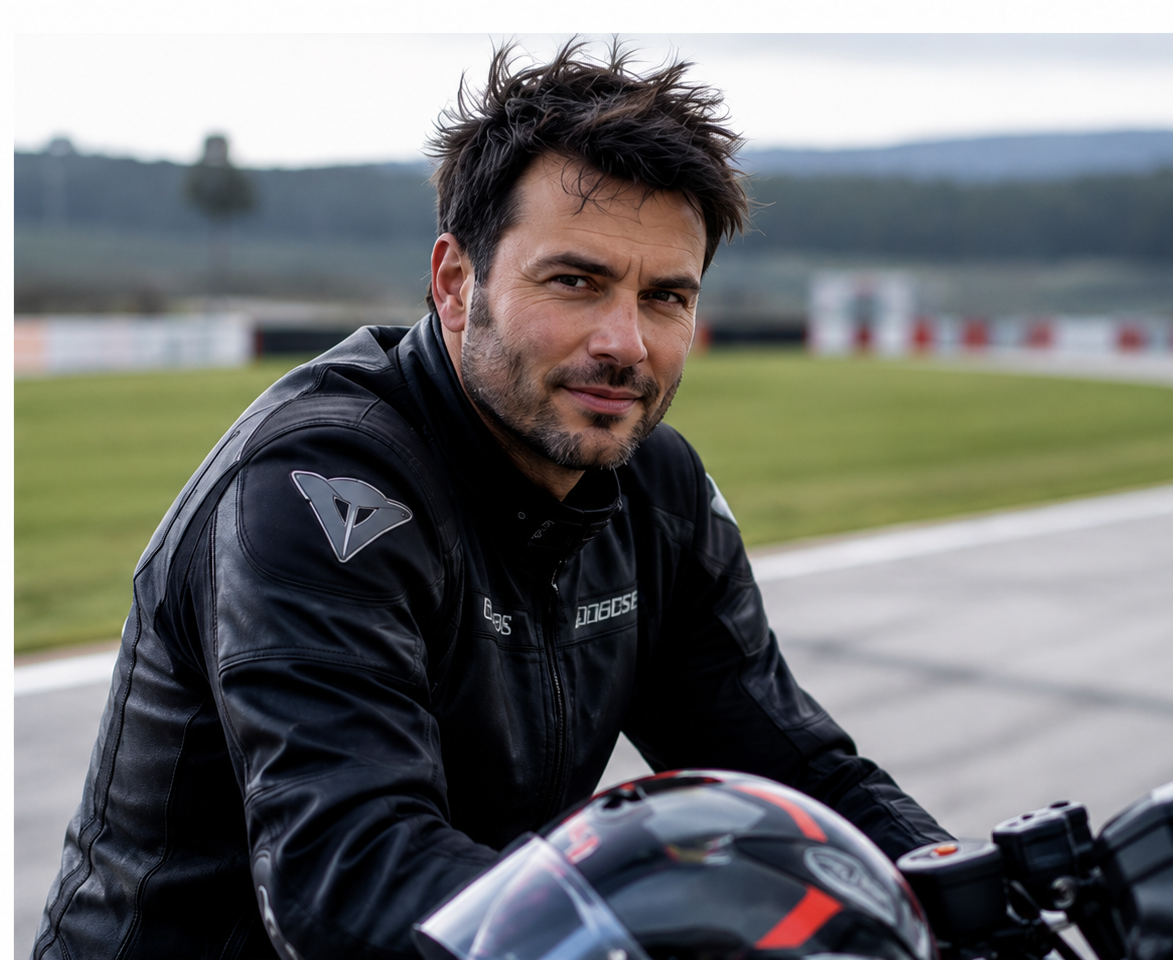
Getting ready for daily motorcycle commuting means more than just hopping on your bike. The key to a smooth and safe ride is having the right gear prepared and organized before you head out each day. This includes choosing equipment that protects you from weather changes, keeps you visible, and ensures comfort during long rides.
I focus on selecting gear that fits well and suits my daily routes, whether it’s cold mornings or sudden rain. Maintaining and arranging my gear properly helps me save time and stay ready, no matter the conditions on the road.
Being prepared goes beyond just safety—it’s about making the whole experience easier and more enjoyable. When you have everything in order, your commute becomes more predictable and less stressful, letting you focus on the ride itself.
Key Takeaways
- Choose gear that fits your needs and riding conditions well.
- Keep your gear maintained and easy to access for daily use.
- Prepare for different weather to stay safe and comfortable.
Choosing the Right Motorcycle Gear
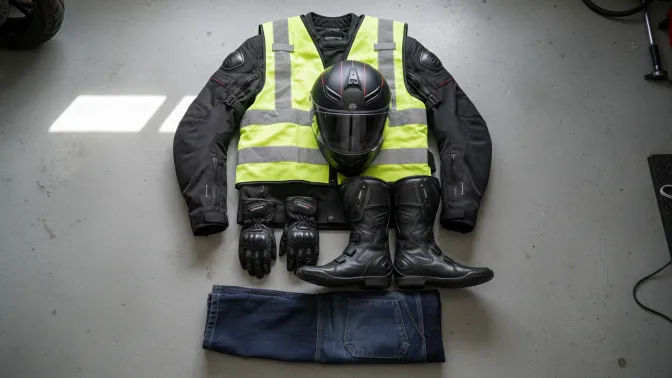
Picking the right gear means focusing on protection, comfort, and weather readiness. Each part of your kit should work together to keep you safe and comfortable for daily riding. Fit and functionality matter just as much as the type of gear you choose.
Essential Commuter Gear
For daily commuting, I start with a good helmet because it protects my head and face. A full-face helmet offers the best coverage, especially if you ride in city traffic or on highways. Make sure yours meets safety standards like DOT or ECE.
Next, I wear a jacket made from abrasion-resistant material such as leather or textile with armor at elbows, shoulders, and back. Gloves are important too. I pick gloves that let my fingers move easily while providing protection and grip.
Boots should cover the ankles and offer good support without being tight. Reflective or brightly colored gear improves visibility, a must for city riding during low light.
Selecting All-Weather Apparel
Commuting means riding in all kinds of weather. I choose gear that handles both rain and heat. Waterproof jackets and pants keep me dry. Many come with removable liners, which help when the temperature changes.
Ventilated panels or mesh fabric are key for staying cool on hot days. Layering is also useful; I add or remove a thermal layer under my jacket depending on the weather. Gloves and boots with waterproof features protect against wet conditions but must still be breathable enough to avoid sweating.
Choosing gear that balances weather protection with breathability helps me ride comfortably no matter the forecast.
Sizing and Fit Guidelines
Fit is critical for safety and comfort. Ill-fitting gear can restrict movement or fail to protect properly. When I try gloves, I check that my fingers move freely and the gloves aren’t too tight or loose. Boots need to fit snugly around the ankles without causing pain.
Jackets and pants should allow for some movement but fit close enough to keep armor in place. I suggest trying gear on before buying and following manufacturer size charts carefully. Remember, sizes can differ between brands, so testing or ordering from places with good return policies is smart.
Proper fit helps the gear protect you correctly while giving the freedom needed for daily riding.
Maintaining Motorcycle Apparel
Taking care of motorcycle gear means more than just wearing it. Proper cleaning, regular checks, and good helmet hygiene keep your gear safe, comfortable, and ready for daily use. I focus on these specific care steps to make sure my apparel lasts and performs well.
Cleaning Techniques for Jackets and Pants
For jackets and pants, I always start by checking the care labels. Most textile gear works best with a gentle cold-water wash. I avoid harsh detergents because they can damage protective materials and reduce water resistance.
When washing, I either hand wash or use a delicate cycle. Removing dirt and sweat after each ride stops buildup that can wear down the fabric. For leather gear, I clean spots with a damp cloth and use a leather conditioner afterward to keep the material supple and prevent cracking.
Never use bleach or fabric softeners. These break down fibers and might weaken armor spots. After cleaning, I air dry my gear away from direct sunlight or heat sources to avoid shrinking or stiffening the fabric. For more reliable tips on gear care, I trust resources like RevZilla’s gear maintenance guide.
Helmet Care and Hygiene
My helmet needs careful cleaning to stay both safe and fresh. I start by wiping the shell with a mild soap and water mix. Avoiding solvents keeps the helmet’s materials strong and intact. Inside, I remove and wash the liners regularly, which helps prevent odor and bacteria buildup.
Visors get cleaned with a soft cloth and gentle spray; scratches or grime can reduce visibility and increase risks. I don’t use paper towels on the visor because they may scratch the surface. Instead, microfiber cloths work best.
Helmet storage also matters. I keep mine in a padded bag or on a soft surface to avoid impacts or deformations. For the best hygiene practices and safety standards, I check advice from reputable sites such as the Snell Memorial Foundation.
Inspecting Protective Elements
Armor inserts and other protective pieces need frequent inspection. Before every commute, I check for cracks, tears, or worn-out spots. Damaged armor can fail during an accident, so swapping out broken pieces quickly is critical.
Stitching is another area I watch closely. Loose threads or torn seams can reduce the gear’s protective ability. I tighten or repair minor issues myself, but for significant damage, I rely on professional tailoring or replacements.
Zippers and fasteners also affect fit and safety. I ensure they work smoothly and don’t catch, which could distract or otherwise harm me while riding. Proper maintenance of these elements keeps the gear functional and reliable every day.
Organizing Gear for Daily Use
Keeping my motorcycle gear ready every day means knowing exactly where each item is and having it easy to reach. I focus on storing everything neatly in a way that saves time and protects my gear. I also make sure to get my gear ready the night before to avoid any rush in the morning.
Efficient Storage Solutions
I use specific storage spots for each piece of gear to avoid clutter. A helmet rack or stand keeps my helmet safe and maintains its shape. Jackets and gloves go on hooks or in small lockers nearby. I keep smaller items like sunglasses, earplugs, and maps in a drawer or organizer box with compartments.
For space efficiency, I use clear bins labeled by item type. It’s easy to spot what I need, and everything stays dust-free. Organizing my gear this way protects it from damage and makes sure I don’t forget anything important.
Preparing Gear the Night Before
Each evening, I lay out everything I will need for commuting. I check helmet visors for dirt or scratches and wipe the jacket and gloves clean. I also pack any tools or extras into my bike’s compartments or my backpack the night before.
Doing this prevents last-minute delays in the morning and helps me avoid rushing. It also lets me spot if something is missing or needs repair early enough to fix it. Preparing gear ahead keeps my commute smooth and stress-free.
Adapting Gear for Different Weather Conditions
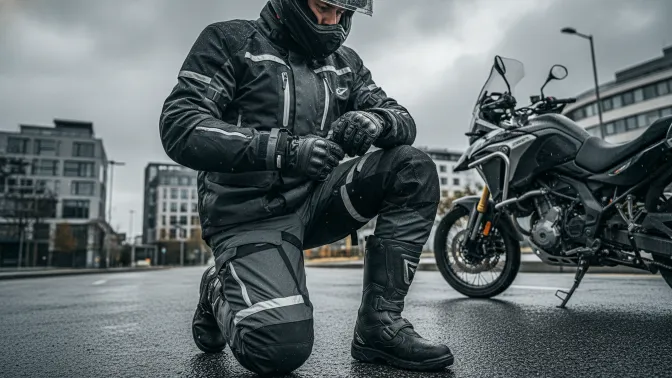
When I prepare for a ride, I focus on adjusting my gear to handle changes in temperature and weather. This approach keeps me comfortable and safe no matter what the day brings. Using layers and choosing waterproof gear are two key ways to adapt effectively.
Layering for Temperature Variations
Layering is crucial for daily commuting because it lets me adjust my clothing easily. I start with a moisture-wicking base layer to keep sweat away from my skin. Next, I add an insulating layer like a fleece or thin thermal shirt for warmth if it’s cold.
On top, I wear a windproof and breathable motorcycle jacket. I pick jackets with removable liners or vents so I can control airflow or warmth as needed. Gloves and neck warmers that can be added or removed also help me manage my comfort level throughout the ride.
I find layering much better than one bulky outfit. It lets me adapt to cold mornings and warm afternoons without buying new gear for every season.
Rain and Waterproofing Strategies
For rainy rides, waterproof gear is a must. I rely on jackets and pants made from waterproof and breathable fabrics. These keep me dry without trapping sweat inside. Sealed seams and waterproof zippers are important features I look for to prevent water from sneaking in.
Overboots or waterproof riding boots protect my feet, which get cold quickly when wet. I also carry waterproof gloves or glove covers for extra protection.
Using rain gear that fits over my regular outfit lets me stay dry without having to change clothes. Quick-drying materials and ease of removal are key for me during sudden showers or long wet commutes.
Enhancing Safety and Visibility
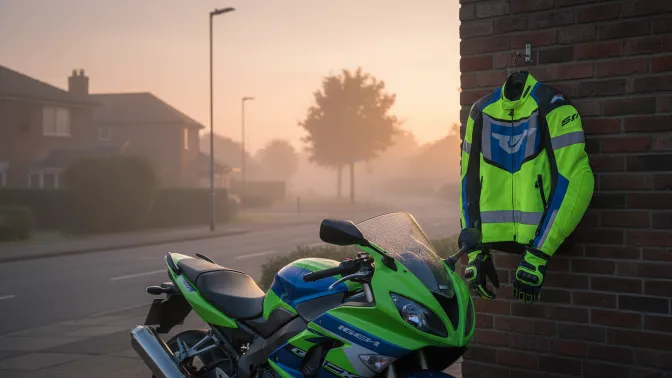
Staying visible on the road is a key part of motorcycle safety. I focus on gear and accessories that catch attention even in low light or bad weather. Using bright colors and reflective materials helps drivers see me sooner, giving them more time to react.
High-Visibility Accessories
I choose accessories that stand out during my rides. Bright helmets and jackets in neon yellow, orange, or green are my go-to colors. These shades contrast well with most road environments, making me easier to spot.
Gloves and boots with high-visibility patches add extra safety without much cost or bulk. I also use bright-colored rain gear on gloomy days. This gear increases my presence, especially at intersections or during dawn and dusk when visibility is poor.
Reflective Gear Options
Reflective strips and patches are essential for me, especially at night. I add reflective tape to my helmet, jacket, and sometimes my pants. The tape shines brightly when headlights hit it, making it easier for drivers to see me from a distance.
Some gear comes with built-in reflective panels, which are comfortable and practical for daily wear. I also carry a reflective vest as a backup for heavy traffic areas or poor weather. This extra layer improves my safety significantly by increasing my visibility when I need it most.
Maximizing Comfort on Daily Commutes
To make daily motorcycle rides easier, I focus on keeping cool and staying fresh with the right gear. Comfort is key to riding well and avoiding tiredness. Choosing the right materials and reducing strain on my body helps me ride safer and longer.
Ventilation and Breathability
Good airflow in motorcycle gear keeps me from overheating and sweating, especially on warm days. I look for jackets and pants made with mesh panels or fabrics like Cordura with built-in vents. These allow cool air to pass through but still offer protection.
Helmets with multiple air vents also make a big difference. They let air circulate around my head, which helps avoid fogging and keeps me alert. Some helmets have removable liners that improve breathability too.
When riding in cooler weather, I layer clothes so I can adjust airflow by opening or closing vents. This balance helps maintain comfort without sacrificing safety. For more info on cooling gear, the Motorcycle Safety Foundation offers good advice on rider comfort.
Reducing Rider Fatigue
Long commutes can wear me out, so I pick gear that eases strain on my body. Gloves with padded palms reduce vibrations from the bike handlebars. This lowers hand fatigue and improves grip.
I also choose boots with good ankle support and cushioned soles. These prevent soreness during stop-and-go traffic or walking around after parking. A well-fitted jacket that doesn’t restrict movement keeps my shoulders and back relaxed.
Proper fit is essential. Wearing gear that is too tight or heavy makes me tired faster. Lightweight, flexible materials with stretch zones help me move freely. Investing in gear made for commuting helps keep fatigue low and focus high. This guide on rider ergonomics explains how to reduce discomfort during rides.
Extending the Lifespan of Your Gear
Keeping my motorcycle gear in good shape means paying close attention to how I store it and checking it regularly for any damage. These two steps help avoid problems that can shorten the life of my gear and reduce its safety.
Proper Storage Practices
I always store my gear in a dry, cool place away from direct sunlight. Heat and sunlight can fade colors and weaken materials like leather and textiles. For helmets, I keep them on a soft helmet rack or an open shelf to avoid pressure points that could deform the foam inside.
I use breathable bags or covers for my jacket and gloves to keep dust off but still allow air circulation. Avoiding plastic bags is important because trapped moisture can cause mold and bad odors. Hanging jackets on wide, padded hangers helps preserve their shape and stops fabric from stretching or creasing.
Routine Inspections for Wear and Tear
Regularly inspecting my gear helps catch small problems before they get worse. I check seams, zippers, and fasteners to ensure they work well and aren’t coming apart. Any loose threads or small tears I find, I either fix right away or plan professional repairs.
For helmets, I look for cracks or dents on the shell and check the inner padding for compression. Gloves and boots get a close look for worn-out areas, especially in high-stress spots like the palms and soles. Spotting these early keeps me safe and helps me decide when gear needs replacing.
FAQs
What gear should I always wear for daily motorcycle commuting?
I always start with a good helmet. It’s the most important safety piece. After that, I wear protective clothing like a jacket and pants with armor. Gloves and boots are next—I need full coverage to protect my hands and feet.
How do I manage changing weather during my commute?
I keep layers handy. For cold days, I add thermal liners or heated gear. Rain gear is a must—it keeps me dry and comfortable. I avoid bulky gear that slows me down but make sure I stay protected.
Do I wear my work clothes under motorcycle gear?
Usually, yes. I wear lightweight, breathable work clothes underneath. Some riders choose mesh or fabric gear if their ride is short and the weather is warm. Others change into fresh clothes at work after removing their riding gear.
How do I keep my gear in good condition?
I clean my gear regularly and check for any damage. Leather needs conditioning, and fabric gear benefits from washing as per instructions. I also inspect zippers, seams, and armor to keep everything working right.
What about visibility and safety?
I use bright colors or reflective strips on my gear. It helps me stay visible, especially in low light. Sometimes, I add extra lights to my bike or wear a reflective vest during bad weather or night rides.
Conclusion
Preparing motorcycle gear for daily commuting means balancing safety, comfort, and practicality. I always start by choosing gear that fits well over my regular clothing. This layering helps me stay warm in the cooler mornings and stay comfortable throughout the day.
I focus on key items like a good helmet, durable jacket, riding pants, and sturdy boots. These give me protection without slowing me down. Weather also shapes my choices. I pick breathable gear for hot days and insulated layers for cold or rainy rides.
Storage is important too. I like gear with pockets or compartments so I can carry essentials like my phone, keys, and wallet. Easy access to these items saves me time when I arrive.
Finally, I keep my gear maintained. Clean and well-kept equipment lasts longer and performs better. This simple effort helps me ride safer and enjoy my commute daily.
Each ride is different, so I adapt my gear as needed. But solid basics always form the foundation of my motorcycle commuting setup.