
Sweat smell in riding gear is a common problem many riders face. It happens because sweat, bacteria, and moisture get trapped in the fabric, causing odors to build up over time. The best way to prevent sweat smell is to clean your gear regularly using gentle detergents, treat odors before washing, and let your gear dry completely in fresh air.
Choosing the right materials also makes a big difference. Fabrics that wick moisture away and resist bacteria help keep smells away during long rides. I’ve found that combining proper cleaning with good gear choices and proper storage can keep my riding equipment fresh for much longer.
Taking a few extra steps like pre-soaking gear in vinegar or baking soda and storing items in a dry place prevents bad smells from returning. When you understand how sweat and bacteria create odors, it becomes easier to stop the problem before it starts.
Key Takeaways
- Clean and treat gear regularly to remove bacteria and sweat.
- Use moisture-wicking fabrics to reduce odor buildup.
- Always dry and store gear properly to keep it fresh.
Understanding Sweat and Odor in Riding Gear
Sweat and odor in riding gear come from a mix of moisture, bacteria, and the fabrics used. Knowing why sweat causes smell, how gear holds sweat, and how materials affect odor helps me keep my riding clothes fresher longer.
Why Sweat Causes Odor
Sweat itself is mostly water and salt, so it doesn’t smell. The odor comes from bacteria that thrive in the warm, damp conditions sweat creates. These bacteria break down sweat and dead skin cells, releasing smelly compounds.
When I sweat heavily during a ride, the bacteria multiply quickly, especially in areas that stay wet longer. The smell gets worse when sweat-soaked gear isn’t cleaned or dried properly.
How Riding Gear Traps Sweat
Riding gear often fits tightly and covers much of my body, which traps sweat close to the skin. Foam padding, straps, and crevices in helmets or boots hold moisture even after the surface looks dry. This trapped moisture creates an environment where bacteria multiply fast.
Air drying alone doesn’t fully remove sweat from the gear’s inner parts. That’s why odors can return even after drying. Deep cleaning and soaking in special solutions help reduce bacteria better than just washing or spraying.
Common Materials and Their Impact
Different fabrics handle sweat and odor in different ways. Natural fibers like cotton absorb sweat but can hold moisture longer, which may cause faster odor buildup. Synthetic materials like polyester dry faster but can trap oils and bacteria inside.
Merino wool and specially designed moisture-wicking synthetics work well to reduce odor. They carry sweat away from the skin and dry quickly, which slows bacterial growth. Choosing the right material for my riding gear helps keep it smelling fresher through multiple uses.
Proper Cleaning Techniques for Riding Gear
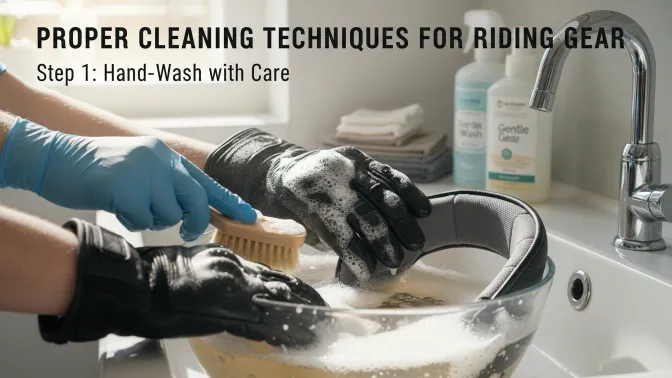
Keeping riding gear free of sweat smell means following specific cleaning habits. How often you wash, what products you use, and the way you clean your gear all affect how well odors are removed and how long your equipment lasts.
Washing Frequency and Methods
I wash my riding gear regularly to stop sweat and dirt buildup. After every ride, I air out my clothes and equipment to reduce moisture. Some items, like riding gloves and shirts, get washed after each use. Others, such as helmets or boots, need less frequent cleaning but still require attention.
Sweat and grime break down materials over time, so letting gear sit dirty shortens its life. I recommend washing gear in cool or warm water, never hot, to avoid damage. For delicate items, quick rinses and gentle cycles help keep them safe while cleaning effectively.
Using Specialized Detergents
Not all detergents work well on riding gear. I use mild, sports-specific detergents designed to break down sweat and odors without hurting fabrics or padding. Regular laundry soap can leave residues or weaken protective layers.
Look for detergents free of bleach or fabric softeners, which might reduce breathability or cause irritations. Products made for technical clothing or activewear work best. You can find recommendations on sites like REI or through manufacturers of riding gear.
Hand Washing vs. Machine Washing
Deciding between hand washing and machine washing depends on the item. I hand wash sensitive pieces like helmets’ liners, gloves, or padded vests to avoid wear from machines. Soaking with gentle detergent and lightly scrubbing removes smell without harming materials.
Machine washing is fine for sturdier clothes like riding pants or shirts. Use a gentle cycle and a laundry bag if possible to protect smaller parts. Avoid high spin speeds or harsh cycles that could damage seams or fasteners. Always check your gear’s care label before cleaning.
Drying and Airing Out Your Gear
Proper drying and airing out stops sweat smells and keeps your gear in good shape. I focus on drying methods that avoid damage and ways to stop mold and bacteria from growing in damp areas.
Best Drying Practices
I always air dry my gear in a spot that is cool, dry, and well-ventilated. Direct sunlight and heat sources like radiators can fade or weaken materials, so I avoid those. Instead, I hang my gear loosely to let air flow inside and out.
For leather gear, I use leather conditioner after drying to keep it soft and protect it from cracking. Textile gear dries faster, but I never put any gear in a washing machine or dryer unless the label says it’s safe.
Rubbing liners together and gently wringing out moisture helps, but I never leave gear wet for long or piled up. That can cause bacteria growth and smell buildup quickly.
Preventing Mold and Bacteria Growth
Mold and bacteria grow in damp, dark places, so I store my gear where air can get to it easily. A cool, dry closet with some moisture absorbers works well. I also check my gear regularly for signs of mold or damage.
If I smell sweat, I air out the gear right away instead of letting it sit. Adding some baby powder to liners can help keep areas dry. When you dry and store gear properly, it cuts down on bacteria and odor growth.
Keeping gear clean and dry is key to avoiding the uncomfortable, musty smells that come from mold and bacteria.
Choosing the Right Riding Gear for Odor Prevention
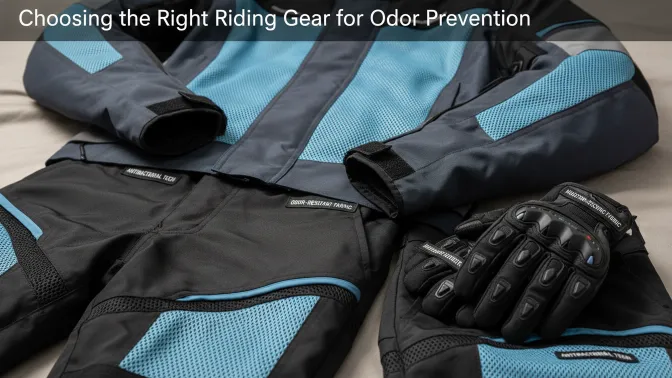
Picking riding gear that helps reduce sweat smell means paying attention to what the gear is made of and how it handles moisture. Gear that lets air flow well and materials that pull sweat away from your skin can make a big difference.
Breathable Fabrics and Ventilation
I look for riding gear made with materials that breathe well. Fabrics like mesh or specially designed synthetics allow air to pass through, which helps sweat evaporate faster. This keeps my skin cooler and stops bad smells from building up.
Ventilation features like zippered vents or perforated panels are also important. They let me adjust airflow depending on the weather or my activity level. Good ventilation means less trapped sweat, so my gear stays fresher longer.
Moisture-Wicking Technologies
I always choose gear that uses moisture-wicking fabrics. These materials pull sweat away from my skin and spread it out over a larger surface to dry quickly. This helps stop sweat from sitting on my skin and causing odors.
Some riding gear comes with special treatments or fabrics designed to fight bacteria that cause smells. When I wear this kind of gear, I notice it stays fresher between cleanings. Using moisture-wicking tech is a smart way to stay comfortable and reduce sweat smell while riding.
Personal Hygiene Before and After Riding
I focus on key habits that keep both my skin and gear fresh. Simple routines like cleaning my skin and using the right products help reduce sweat and odor. These steps make a big difference in how I feel during and after riding.
Showering and Skin Care
Showering before a ride removes bacteria and sweat from my skin. This step helps stop bad smells from starting in the first place. I always use mild, antibacterial soap on areas prone to sweating, like underarms and neck.
After riding, I shower again to wash off sweat, dirt, and germs that build up on my skin. I pay special attention to spots where my gear rubs, because sweat there can cause irritation or chafing. Using warm water loosens dirt without drying out my skin.
I dry myself completely before putting on fresh clothes or gear. Moisture can trap bacteria and make smells worse.
Sweat-Reducing Products
I use products that lower sweat and control odor to stay comfortable. Antiperspirants with aluminum compounds reduce sweat by blocking pores temporarily. I apply them the night before riding for best effect.
Body powders help keep my skin dry. I sprinkle them on areas that get damp to reduce friction and sweating. Some powders also have mild antibacterial ingredients to limit odor-causing bacteria.
For my gear, I use sprays designed to kill germs and neutralize smells. Regular cleaning combined with these products keeps both me and my equipment fresh longer.
Storing Gear to Minimize Odor
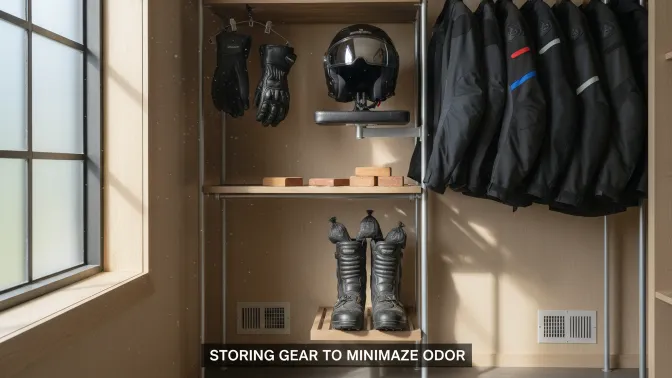
Proper storage is key to keeping riding gear fresh and limiting sweat smell. The right environment stops bacteria growth and moisture buildup, which cause odors. Using the best containers and adding fresheners helps maintain cleanliness and freshness over time.
Proper Storage Solutions
I always store my gear in a dry, well-ventilated place to prevent moisture from sticking around. Dampness encourages bacteria to grow, which leads to bad odors. Avoid sealed plastic bags, which trap moisture and make smells worse.
Instead, I use breathable storage bags or mesh containers that allow air to flow through. Hanging helmets, boots, and gloves on racks also helps air circulate. Keeping gear out of direct sunlight prevents material damage but still allows some drying.
For longer storage, I make sure everything is completely dry. Any sweat left inside can multiply bacteria. If you want tips on caring for sports equipment, sites like REI Expert Advice have helpful guidance on storage and gear care.
Using Deodorizers and Fresheners
I use odor-neutralizing sprays designed for sports gear to freshen up helmets and boots after rides. These sprays help kill bacteria and absorb smells without damaging materials. Baking soda is another simple option; sprinkling it inside shoes or helmets overnight soaks up bad odors.
Some people like to add small sachets of activated charcoal or cedar wood inside their bags. These absorb moisture and reduce smell naturally. Just remember to replace them regularly.
Avoid using strong sprays like Febreze on sweaty gear because they only mask smells temporarily and can leave residue that traps odor later. Consistent cleaning combined with the right deodorizing products gives the best results.
Additional Tips for Persistent Odor Issues
Dealing with tough smells in riding gear means more than just regular washing. Sometimes, you have to clean deeply to reach the bacteria hiding in the fabric. Also, knowing when gear is beyond saving helps keep odors from coming back.
Deep Cleaning Techniques
I use deep cleaning methods when usual washing doesn’t remove the odor. First, soaking the gear in a mix of cold water and white vinegar for 30 minutes helps break down sweat buildup and bacteria. Vinegar is natural and safe for most fabrics.
After soaking, I wash the gear on a gentle cycle with a detergent designed to remove odors. Avoid fabric softeners because they trap bacteria and smells. Sometimes, adding baking soda to the wash boosts odor removal by neutralizing acids in sweat.
For really stubborn smells, I let my gear air dry outside in direct sunlight. Sunlight kills bacteria and helps freshen the fabric. Drying indoors or in a dryer can trap moisture and worsen odors if gear isn’t completely dry.
When to Replace Old Gear
No matter how well I clean, some riding gear gets too worn or smelly to fix. Fabric breaks down over time and can trap bacteria in the fibers permanently. If the odor stays after several thorough cleanings, it might be time to replace it.
Look for signs like thinning, holes, stretched-out elastic, or a persistent bad smell after washing. Helmets and boots with a strong odor that won’t fade can also hold bacteria in their lining or padding. These might need replacing to keep your gear fresh and safe.
Replacing worn gear not only helps avoid odor but also improves comfort and protection while riding. It’s a small cost compared to dealing with the constant smell and discomfort of old, smelly gear.
FAQs
How often should I wash my riding gear?
I recommend washing gear after every ride when possible. Sweat and bacteria build up quickly, especially on synthetic fabrics, which trap odors even after drying. Frequent washing helps prevent smells from settling.
Can I use regular detergent to clean my gear?
Yes, but I find using a gentle detergent works better. Harsh detergents can break down technical fabrics. Sometimes, I add a pre-soak with vinegar or baking soda to help kill bacteria and reduce odors more effectively.
Is air-drying enough to prevent smell?
Air-drying helps but isn’t enough on its own. Moisture may leave bacteria in padding and straps, especially in helmets or gloves. I always let gear dry completely in a well-ventilated area and avoid storing it damp.
What causes the smell in helmets and gloves?
Sweat gets trapped in foam and tight fabrics. This warm, dark environment is perfect for bacteria to grow. Even after drying, microbes can linger in crevices. Regular cleaning and disinfection are important to avoid buildup.
Can choosing the right materials reduce sweat smell?
Yes, materials like merino wool and moisture-wicking synthetics can control sweat better. I look for gear made with these fabrics because they dry faster and resist odors more than cotton or some synthetic blends.
| Tip | Why It Helps |
|---|---|
| Wash gear promptly | Removes sweat and bacteria |
| Use gentle detergent | Protects fabrics |
| Pre-soak with vinegar/baking soda | Kills odor-causing microbes |
| Dry gear fully in fresh air | Stops bacteria growth |
| Choose odor-resistant fabrics | Limits sweat absorption |
Conclusion
I have learned that preventing sweat smell in riding gear is mostly about good care and the right materials. Choosing clothes made from moisture-wicking fabrics or merino wool helps keep sweat away from the skin and stops bacteria growth, which causes odor.
Regular washing is key. I always use cold water and gentle detergent to avoid damaging the gear. A vinegar soak or baking soda paste before washing can remove stubborn smells. Air drying gear instead of using a dryer also keeps odors from building up.
I find that avoiding letting sweat sit in the gear for too long makes a big difference. If you can, wash your riding clothes after every use. This helps stop bacteria from growing and keeps everything fresh.
Here are a few tips I follow:
- Pick odor-resistant fabrics
- Pre-treat clothes with vinegar or baking soda
- Wash in cold water regularly
- Let gear air dry fully
- Avoid wearing the same gear multiple times without washing
Taking these steps helps me keep my riding gear smelling clean and comfortable for every ride. It’s about keeping bacteria and sweat residue under control so the gear stays fresh longer.