Replacing worn-out motorcycle gear is essential for staying safe on the road. Over time, jackets, gloves, helmets, and pants lose their protective qualities due to wear and tear or after accidents. Knowing when and how to replace each piece ensures you maintain the best protection without risking injury.
I’ve learned that the key is to regularly check your gear for signs of damage like thinning material, broken straps, or faded armor. Once you identify what needs replacing, choosing the right gear means balancing comfort, safety ratings, and budget. Replacing items like helmets or jackets can be straightforward if you follow specific steps and pick gear designed to meet safety standards.
It’s also important to consider maintaining new gear properly to extend its lifespan. Keeping your gear clean, stored well, and checking for wear helps avoid premature replacement. This approach not only protects you but also can be cost-effective in the long run.
Key Takeways
- Regularly inspect gear to spot when replacement is needed.
- Choose new gear based on safety, fit, and personal needs.
- Maintain your gear well to extend its useful life.
Assessing Motorcycle Gear for Replacement
I check my gear carefully to make sure it still protects me well. This means looking for damage, knowing how long key items last, and spotting signs that gear is no longer safe or effective.
Identifying Signs of Wear and Tear
I start by looking closely at all my gear for visible damage. Faded or cracked materials, thinning fabric, and broken seams are clear signs it’s time to replace something. Worn-out gear loses its ability to protect against abrasion and impact.
I also check for stiffness or hardening in materials, especially in gloves and jackets. This can mean the protective layers inside have dried out or broken down.
If my gear has been in a crash, I replace it immediately, even if damage isn’t obvious. Protective materials weaken quickly after impact and won’t protect me as well in another accident.
Evaluating Helmet Safety and Lifespan
Helmets have a limited lifespan, usually about 5 years. I note the manufacturing date inside my helmet to track its age. After this period, the inner foam can degrade, reducing impact protection.
If my helmet takes a hard hit or shows cracks, scratches, or dents, I replace it right away. A helmet can look fine on the outside but still be unsafe inside.
I also check the straps and fasteners to make sure they work correctly. Loose or damaged straps can affect fit and safety during a crash.
Inspecting Jackets and Pants for Damage
I examine my jackets and pants for tears, holes, and worn areas, especially where the fabric rubs against the bike or ground. These weak spots can fail to protect me in a fall.
The padding and armor inside need regular checks too. If these have shifted, cracked, or lost thickness, they won’t absorb shock well.
I keep an eye on zippers, buttons, and closures to ensure they close securely. If they are broken, the gear won’t stay in place during a crash, increasing injury risk.
Gear that looks molded or “broken in” can be comfortable but might also be past its safety limits.
Choosing Replacement Motorcycle Gear
When picking new motorcycle gear, I focus on making sure it fits well, is made from strong materials, and balances safety with comfort. These are the most important things to think about to get gear that protects me without making riding hard or uncomfortable.
Selecting the Right Fit and Size
Getting the right fit is crucial for protection and comfort. Gear that is too loose can shift during a crash and leave parts of your body exposed. On the other hand, gear that is too tight can restrict your movement or cause discomfort on long rides.
I always measure myself carefully according to the sizing charts from the manufacturer. Trying gear on in person when possible helps to check fit around shoulders, waist, and limbs. Gloves, boots, and helmets should feel snug but not painful.
Remember that some gear will break in over time and stretch a little. Check for adjustable straps or closures that can help fine-tune the fit. The right fit ensures the armor stays in place and your gear doesn’t interfere with riding controls.
Comparing Material Options
Motorcycle gear comes in many materials, each with strengths and weaknesses. Leather is durable and offers strong abrasion resistance but can be heavy and less breathable. Textile gear usually uses materials like Cordura or Kevlar, which can be lighter and better at venting heat.
For gloves and boots, reinforced materials on the palms and toes add durability. Gear with built-in armor often uses types of foam or plastic for impact absorption.
I recommend checking for materials tested for abrasion and tear resistance. Information from organizations like the Snell Memorial Foundation or CE (Conformité Européene) certification can show that gear meets safety standards.
Balancing Safety Features and Comfort
Safety features include armor inserts at key points like elbows, knees, back, and chest. I look for gear with CE-certified armor as it meets safety testing. However, too much armor or thick padding can cause overheating or restrict movement.
Comfort affects how often and well you wear your gear. Ventilation panels, moisture-wicking liners, and adjustable parts add comfort without sacrificing protection.
Prioritize gear designed with both in mind rather than just one or the other. Brands with strong reputations often balance these well. For more details on protective gear ratings and features, resources like the Motorcycle Safety Foundation offer useful guidelines.
How to Replace a Worn-Out Helmet
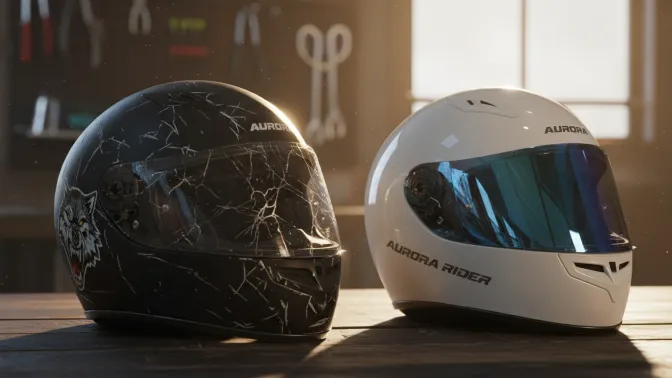
Replacing a helmet means safely getting rid of the old one and making sure the new one fits well. Both steps are key to staying protected. I focus on proper disposal and fit because a helmet that fits right offers the best protection.
Removing and Disposing of Old Helmets
When your helmet shows cracks, dents, or is over five years old, it’s time to replace it. I remove any detachable parts like visors or padding before disposal. These parts often contain materials that should be recycled separately if your local program accepts them.
To dispose of the helmet, I recommend breaking the shell in multiple spots. This stops others from reusing a damaged helmet, which is unsafe. If possible, I check if there’s a helmet recycling program near me. Otherwise, I throw it in the trash following local waste rules. Do not give your old helmet to someone else or store it as a backup.
Fitting a New Helmet Properly
A new helmet must fit snugly without causing pain. When I try one on, I make sure it sits level on my head, about one inch above the eyebrows. The cheek pads should touch my face firmly but not squeeze.
I fasten the chin strap securely, letting me open my mouth comfortably but not too loose. Next, I shake my head gently; the helmet should stay in place and not slide around.
Trying on helmets from different brands helps me find the best fit, because sizing varies. Also, I always check the helmet meets safety standards before buying. Proper fit means better protection and a safer ride.
Replacing Motorcycle Jackets and Pants
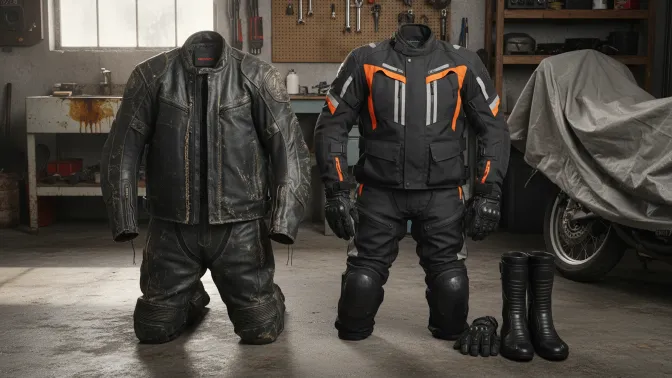
When I replace my motorcycle gear, I focus closely on safety features like armor placement and the durability of the materials. These factors decide how well the gear protects me and how comfortable it remains during rides.
Checking Armor Placement
I always check if the armor fits properly in key areas—shoulders, elbows, back for jackets, and hips, knees for pants. Armor needs to sit right over the joints to absorb impacts correctly. Loose or misaligned armor leaves me exposed, so I make sure it’s snug and does not shift during movement.
If the original armor is worn out or damaged, I replace it with armor certified to the right safety standards. I also verify that armor pockets are intact and easy to access. Sometimes, swapping in thicker or more advanced foam armor improves protection without adding bulk.
Ensuring Abrasion Resistance
Abrasion resistance is critical for my gear’s outer layer. I look for materials like heavy-duty leather, Cordura, or reinforced textiles that can handle sliding across pavement. When the fabric is thinning, frayed, or has holes, it’s time to replace the gear.
I also check stitched seams carefully because weak seams can split on impact. Reinforced or double stitching improves durability. In some cases, I add patch repairs temporarily, but major damage means the jacket or pants no longer protect me as they should. Material condition directly affects safety, so I don’t skimp on quality when replacing.
Updating Gloves and Footwear
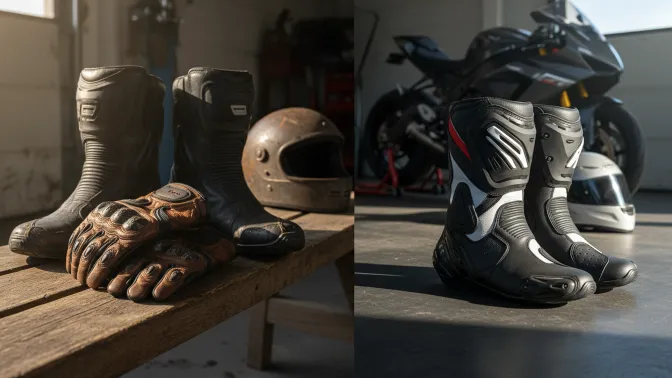
When replacing gloves and footwear, it’s important to focus on how well they protect and perform in real conditions. Both items must maintain grip, durability, and comfort to keep you safe on the road. The materials should also resist weather effects and wear over time.
Prioritizing Grip and Protection
I always check my gloves and boots first for any damage that could weaken their grip or protective qualities. Gloves should have no holes, tears, or thinning areas, especially on the palms and fingers. These parts affect how well I can control the bike.
Boots need solid soles with deep tread patterns for good traction, especially in wet or slippery conditions. I avoid worn-out soles because they can cause slips. The protective elements like reinforced toes and ankle guards should be intact without cracks.
For gloves, choosing those with features like anti-slip coatings or padding boosts hand safety. Footwear should also provide ankle support to reduce injury in a fall. The National Highway Traffic Safety Administration highlights the importance of proper gear for accident prevention, which I keep in mind for my gear updates.
Replacing Weather-Resistant Materials
Motorcycle gloves and boots must repel water and withstand wind to protect me from harsh weather. Over time, even waterproof materials lose their effectiveness. I replace gear if waterproof membranes feel damp inside or if leather looks dry and cracked.
Seams are another concern. Frayed or loose stitching can let moisture in or lead to faster material breakdown, lowering protection. Gear designed for wet or cold conditions should be swapped out regularly to maintain safety and comfort.
I also look for breathable materials that keep my hands and feet dry from sweat, which helps avoid discomfort and skin issues. Layered gloves or boots with removable liners are good options to adapt to different weather.
For more on quality motorcycle gear and weather protection, I trust Revzilla’s expert advice. They explain how key fabric technologies improve safety and comfort in real riding situations.
Maintaining New Motorcycle Gear
Keeping my new motorcycle gear in top shape means caring for it properly and checking it often. I focus on cleaning and storing my gear right to prevent damage and schedule regular inspections to catch any wear or problems early. This keeps my gear safe and effective every time I ride.
Cleaning and Storing Gear
I clean my gear after every few rides or when it gets dirty. For textiles, I use mild soap and water, avoiding harsh chemicals that can break down materials. Leather gear needs a special cleaner and conditioner to keep it from drying out or cracking.
When storing gear, I hang helmets and jackets in a cool, dry place away from direct sunlight. Folding leather can cause creases, so I keep it on padded hangers. Gloves and boots go in ventilated areas to avoid mold or unwanted smells.
I make sure zippers and fasteners are closed to keep their shape and function. Proper cleaning and storage extend the life of my gear and preserve its protective qualities.
Scheduling Regular Inspections
I check my gear for signs of wear at least once a month, especially after long rides or rough weather. I look closely at seams, padding, and any hard parts like armor inserts or visors. Cracks, loose stitching, or worn spots can lower protection.
For helmets, I inspect the straps and shell for damage or cracks and check that the padding is still firm. Gloves should fit snugly and remain flexible, without holes or tears. Regular inspections let me fix or replace gear before it stops protecting me properly.
Keeping a checklist helps me stay consistent:
- Look for damaged stitching or tears
- Test zippers and fasteners
- Examine helmet shell and lining
- Check gloves and boots for wear
This routine makes sure I ride with gear that works as it should.
Sustainable Gear Replacement Practices
Replacing worn-out motorcycle gear requires attention to how I handle old equipment and what new gear I choose. Making smart choices can reduce waste and lower my environmental impact while keeping me safe on the road.
Recycling and Disposing Responsibly
When I replace gear, I make sure to recycle or dispose of old items properly. Motorcycle gear often contains materials like leather, textiles, and plastics that should not just be thrown in the trash. I look for recycling centers or programs that accept gear or its parts.
If recycling is not available, donating old, still usable gear is a good option. It extends the life of the product and avoids waste. For gear that is too damaged, breaking it down into recyclable parts helps. For instance:
- Remove metal parts for scrap recycling
- Separate textile materials for fabric recycling
- Dispose of non-recyclable pieces according to local regulations
Proper disposal reduces landfill waste and prevents harmful chemicals from entering the environment.
Considering Eco-Friendly Gear Options
I choose eco-friendly gear made from sustainable or recycled materials whenever possible. Many brands now offer gear that uses less energy and resources during production. Features to look for include:
- Recycled fabrics or vegan leather
- Durable construction that lasts longer
- Repairable design to avoid frequent replacements
Choosing gear that meets safety standards and reduces environmental impact helps me ride responsibly. Some companies also use energy-efficient manufacturing processes, which is another factor I consider if available.
By picking gear designed for longevity and sustainability, I balance my safety needs with care for the planet.
FAQs
How do I know when my motorcycle gear needs to be replaced?
I check for signs like worn-out material, visible tears, or damage from accidents. Even if the gear looks fine, it loses its protective power over time. If the fabric feels thin or stiff, it’s time to replace it.
Can I keep using gear that feels broken in but not damaged?
I understand the comfort of “broken in” gear, but once protective parts weaken, they won’t keep me safe in a crash. Comfort is important, but safety comes first. When the gear stops protecting, it’s no longer worth using.
How often should I replace chain and sprockets?
I inspect my chain and sprockets regularly. If the chain slips, the sprocket teeth wear down, or the chain looks stretched, they need replacement. Waiting too long can cause more damage and extra costs.
Is it safe to replace the chain and sprockets myself?
If I have the right tools and can lift the bike securely, I do the job myself. Otherwise, I get a professional to help. Safety matters when handling parts that affect your bike’s performance.
What’s the best way to extend the life of my gear?
I clean my gear regularly, store it properly, and avoid harsh conditions when possible. Good care helps the materials last longer and maintain protection. However, even well-cared-for gear wears out eventually.
Conclusion
Replacing worn-out motorcycle gear is not just about looks—it’s about safety. I always check for signs like frayed stitching, damaged armor, or faded fasteners. When these show up, I know it’s time to upgrade.
Taking care of my gear helps it last longer, but even the best gear wears out eventually. For example, leather jackets can last 10-20 years with proper care, but I still watch for damage regularly. Helmets especially need replacing after any crash or impact.
I keep a simple checklist to inspect my gear:
| Gear Item | Signs to Replace | Notes |
|---|---|---|
| Helmet | Cracks, dents, impact history | Replace after any crash |
| Jacket | Worn fabric, broken zippers | Leather lasts longer |
| Gloves | Holes, stretched material | Affect grip and protection |
| Boots | Worn soles, damaged closures | Protect ankles and feet |
(It’s important to act on these signs quickly.)
When I replace gear, I look for options that balance protection, comfort, and fit. Safety gear is an investment that keeps me safer every time I ride.
By staying aware and proactive, I make sure my protective gear stays reliable and ready for the road.