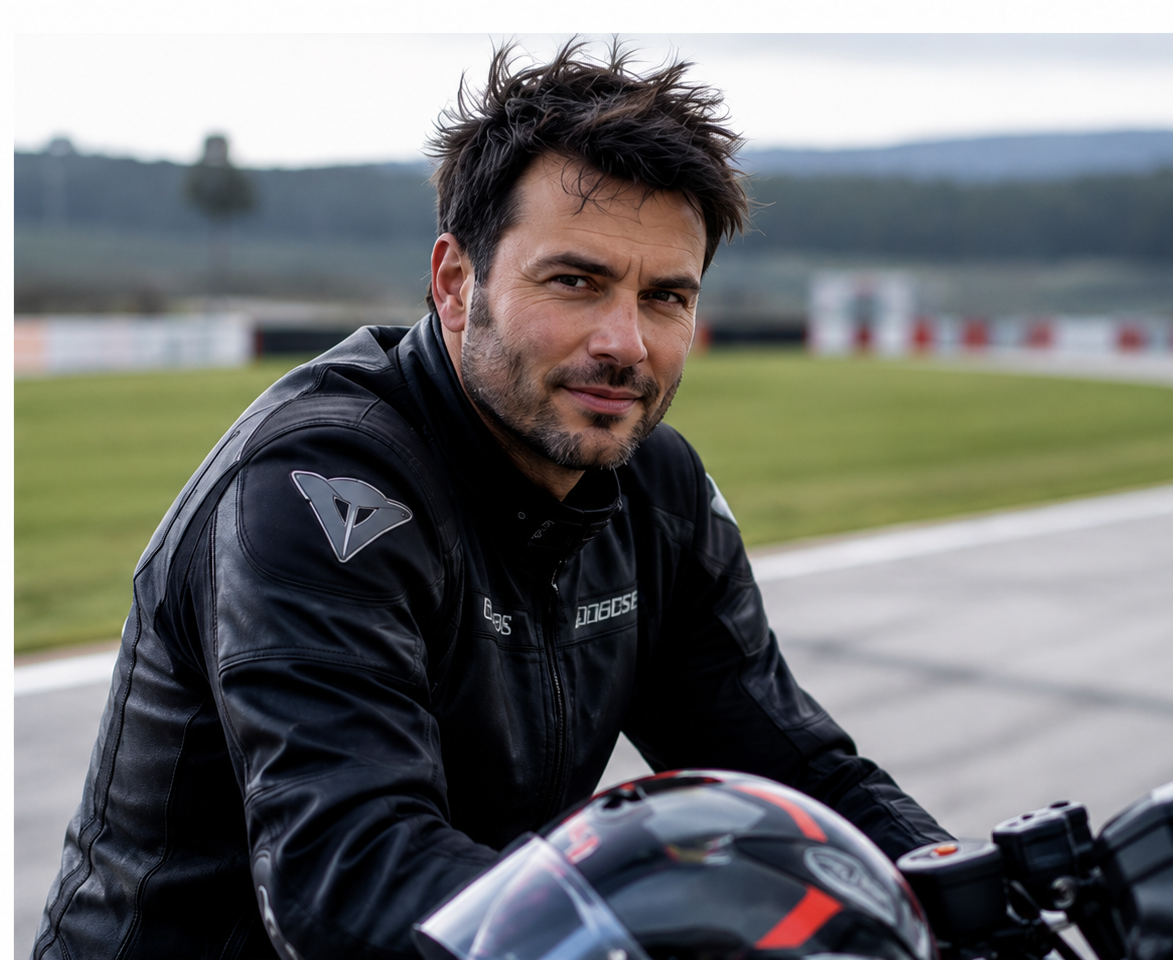
Riding in hot weather can be uncomfortable and even dangerous if your gear doesn’t help manage heat. The key to selecting a motorcycle jacket for warm weather is to find one that balances good airflow, lightweight materials, and strong protection. Without this balance, you risk overheating or getting hurt if you fall.
I know it’s tempting to pick a jacket just because it feels breezy, but protection matters just as much, especially from armor and durable fabrics. Choosing the right jacket means thinking about ventilation, fit, and the materials used. You want a jacket that keeps you cool but also shields you well when you’re on the road.
There are also other important factors like color and comfort features that can make a big difference during long rides in the heat. If you pick wisely, your jacket will keep you safe and comfortable no matter how high the temperature climbs.
Key Takeaways
- Choose jackets with strong airflow and breathable materials.
- Make sure the jacket offers reliable protection while staying lightweight.
- Prioritize a good fit and comfort for longer rides in warm weather.
Prioritizing Ventilation and Breathability
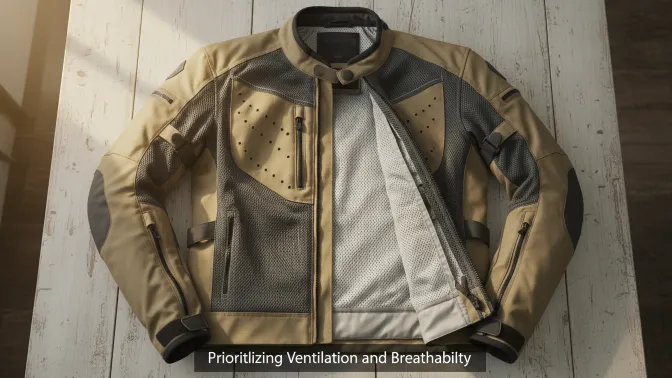
When choosing a hot weather motorcycle jacket, I focus mainly on how well air can move through the jacket. This means looking closely at the materials used, patterns that allow air flow, and exactly where the jacket allows air to enter and exit. These details help me stay cool and protected at the same time.
Mesh Versus Textile Materials
I find that mesh jackets are best for maximum airflow. The open weave lets air pass directly over my skin, which cools me down quickly. Mesh is usually lighter than traditional textile materials, making it easier to wear for long summer rides.
Textile jackets, however, often provide better weather protection but can trap heat if not designed for breathability. Some textiles include mesh inserts or use special lightweight fabrics that wick moisture away from my body. When choosing between the two, I weigh how much ventilation I need against the level of protection required.
Perforation Patterns
Perforation patterns control how much air moves into and out of the jacket. I look for jackets with well-sized, evenly spaced holes in key areas rather than tiny slits or random cuts.
These patterns should allow steady airflow without weakening the jacket’s structure. Larger or more numerous perforations can boost ventilation but might reduce abrasion resistance. The best jackets balance these factors by reinforcing areas around perforations and placing them where airflow matters most.
Airflow Panel Placement
Where airflow panels are placed is as important as their size. I look for jackets that put mesh or perforated zones where my body heats up most, such as the chest, back, and underarms.
Some jackets include zippered vents that I can open or close, giving me control over airflow depending on conditions. Panels on the sleeves and collar also help keep air moving around my arms and neck. Good placement keeps me cool during stops and slow rides without sacrificing protection when conditions change.
Choosing Lightweight and Comfortable Fabrics
Picking the right fabric for a motorcycle jacket in hot weather is crucial. It needs to let air flow, protect your skin, and feel good on long rides. The choice of the outer fabric and inner liner both play important roles in keeping you cool and safe.
Best Hot Weather Fabric Options
When it comes to the outside material of a summer jacket, I focus on lightweight and breathable fabrics. Textile materials like Cordura and mesh panels are excellent because they allow airflow while still offering abrasion resistance. These fabrics are lighter than traditional leather and dry faster if you get caught in rain.
Leather is durable but holds heat, so I recommend faded or perforated leather only if you want better protection and don’t mind less ventilation. Some synthetic options, like polyester blends, are also designed to be tough yet ventilated.
Look for jackets with adjustable vents to control airflow based on the temperature. You can find more advice on technical fabrics at Motorcycle.com.
Inner Liner Materials
The inner liner is just as important because it touches your skin and impacts your comfort. I prefer jackets with removable, moisture-wicking liners. These liners pull sweat away from your body, reducing stickiness and overheating.
Mesh liners promote cooling, and some jackets use cooling technologies such as silver ion treatments to reduce odor and bacteria. Lightweight liners allow better airflow and can be removed on particularly hot days.
Avoid thick or quilted liners in summer jackets, as they trap heat. Instead, I pick jackets that balance protection with breathability on the inside as well as the outside. This helps me stay comfortable on warm rides without sacrificing safety.
Evaluating Safety Features for Summer Riding
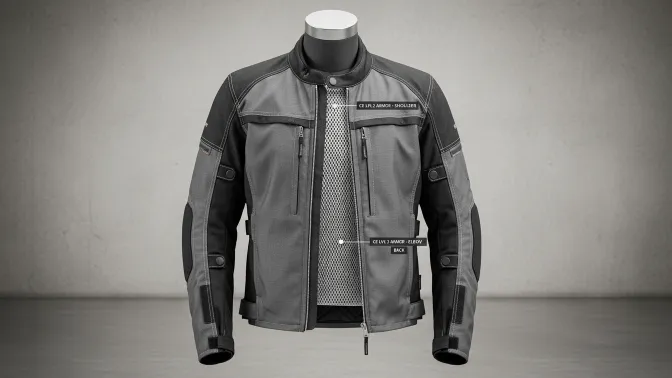
When choosing a motorcycle jacket for hot weather, I focus on safety features that do not compromise comfort. The jacket must protect me well while still letting air flow freely. Two important safety areas are how the jacket handles impacts and how it resists abrasion.
Impact Protection
I look for jackets with CE Level 2 armor in key impact areas like shoulders, elbows, and back. This armor helps absorb shock during a crash, reducing injury risk. Removable armor is a good feature because it lets me wash the jacket or adjust the protection level depending on the ride.
Some jackets also have pockets for adding extra padding or armor inserts. I avoid jackets with thin or no armor because they won’t protect well in a fall. Proper fit matters too—armor has to stay in place and cover the right spots to work effectively.
Abrasion Resistance
Abrasion resistance means the jacket can hold up when sliding on pavement. For summer, I prefer lightweight materials that still offer strong abrasion resistance. Common choices include textile blends like Cordura with Kevlar reinforcements or premium cowhide leather that’s thin but tough.
Look for jackets rated AAA for abrasion resistance, which meet high standards for durability. Mesh alone is usually not enough to protect your skin, so jackets with reinforced panels are best. Seams should be triple-stitched for extra strength, reducing the chance of the jacket tearing under stress.
Optimizing Fit and Ergonomics
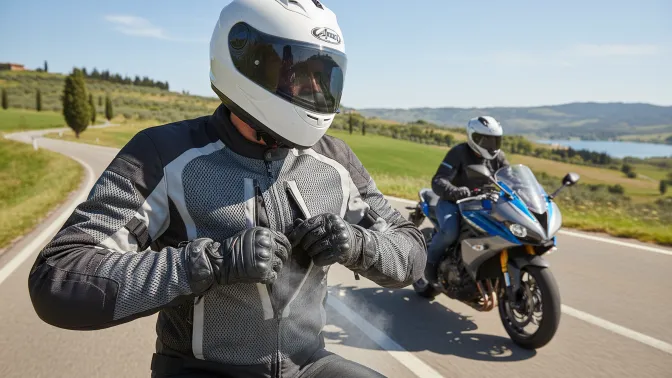
A well-fitting motorcycle jacket for hot weather must allow good airflow without sacrificing protection. Adjustability and flexible design features help keep you comfortable while moving freely during rides.
Adjustability for Heat Management
I look for jackets with adjustable vents, cuffs, and waist straps. These let me control how much air flows through the jacket. For example, zippered mesh vents on the chest and back are great for speeding up cooling while riding.
Cuffs that can be tightened or loosened help manage ventilation around the wrists. Waist adjusters keep the jacket snug but not tight, preventing hot air from getting trapped inside.
When choosing a jacket, I check if the vent controls are easy to reach with gloves on. This makes it simple to adapt airflow without stopping my ride.
Flexible Design Elements
Freedom of movement is key in hot weather riding. I prefer jackets made from lightweight materials with stretch panels or articulated elbows and shoulders. These features follow the natural curve of my arms and shoulders when I lean forward on my bike.
Stretch zones reduce restriction and help prevent bunching when riding aggressively. Also, lightweight armor inserts that fit well reduce weight and bulk while still offering protection.
A flexible fit keeps me safer because I can move easily. It also feels cooler since the jacket doesn’t cling too tightly to my body when I sweat.
Considering Color and Sun Protection
Choosing the right color and materials can make a big difference in how hot you feel during a ride. I focus on picking jackets that help manage heat and protect my skin from the sun’s rays. Both color and UV protection matter when riding in strong sunlight.
Light Colors Versus Dark Colors
Light-colored jackets reflect more sunlight, which helps keep the jacket and my body cooler. White, gray, and beige are good choices if you’re riding in hot weather. They reduce heat absorption, making long rides more comfortable. Dark colors like black or navy absorb more heat, which can increase sweating and discomfort.
However, dark jackets often look better and hide dirt well. If you prefer dark colors, look for jackets with ventilation or mesh panels to help air flow. Remember, color alone won’t solve heat issues, but it plays a key role in staying cool.
UV-Resistant Coatings
Sun protection is about more than just choosing light colors. Many motorcycle jackets now feature UV-resistant coatings or fabrics designed to block harmful rays. These coatings protect your skin by reducing UV radiation exposure while you ride.
I always check if the jacket has a specific UPF (Ultraviolet Protection Factor) rating. A higher UPF means better protection. This feature is important if you ride during peak sun hours or live in sunny areas. For more details on UV protection fabrics, I recommend EPA’s guide on sun safety.
Practical Features for Warm-Weather Riding
When I look for a warm-weather motorcycle jacket, I focus on smart storage options and safety features that enhance visibility. These practical details help me carry essentials without bulk and stay safe on the road during bright or low-light conditions.
Pockets and Storage
I prefer jackets with multiple pockets that close securely, like zippered or Velcro ones. In hot weather, bulky backpacks become uncomfortable, so having enough pockets helps me carry small items like my phone, wallet, or keys.
Mesh-lined pockets are great because they reduce heat buildup. Some jackets even offer waterproof compartments to keep important items dry if I hit a sudden shower.
Also, the placement of pockets matters. Side or chest pockets that are easy to reach while sitting on the bike make a big difference during stops or quick checks. I avoid jackets with too few pockets or those with loose ones that can flap in the wind or lose items.
Reflective Elements
I never underestimate the importance of reflective strips or panels on my jacket. They greatly increase my visibility, especially at dawn, dusk, or night.
In bright daylight, reflective material may not be obvious, but when light hits it from headlights, it shines brightly and alerts drivers. Many jackets place these elements on the back, sleeves, and front to cover all angles.
For warm-weather jackets, these reflective parts are usually lightweight and breathable, so they don’t add heat. Choosing a jacket with well-placed reflective features lets me ride safely without sacrificing comfort.
Maintenance and Care for Summer Motorcycle Jackets
Taking care of my summer motorcycle jacket helps it last longer and stay comfortable. I always start by checking the care label for specific cleaning instructions. Most mesh or textile jackets can be hand washed or gently machine washed on a cold cycle to avoid damage.
After washing, I avoid using harsh detergents or bleach. These can weaken the fabric and reduce the jacket’s protective qualities. Instead, I use mild soap or a cleaner made specifically for motorcycle gear.
Drying the jacket properly is important. I never put it in a dryer or expose it to direct sunlight for a long time. Air drying in a shaded, well-ventilated area helps maintain the material and keeps mesh panels from shrinking or fading.
I regularly inspect my jacket for tears or worn armor. If I find any damage, I repair it quickly or replace the armor to keep protection intact. Cleaning ventilation zippers and mesh panels helps maintain airflow, which is key in hot weather.
Here’s a quick list I follow for jacket care:
- Wash with mild detergent only
- Air dry away from direct sun
- Check and repair armor and seams
- Clean zippers and vents regularly
- Store in a cool, dry place when not in use
By following these steps, I keep my jacket safe, functional, and ready for any hot ride.
FAQs
What makes a good hot weather motorcycle jacket?
I look for jackets made from lightweight, breathable materials like mesh or perforated leather. Ventilation is key to staying cool without losing protection. Adjustable vents help control airflow when temperatures change.
Can a hot weather jacket still protect me?
Yes, many jackets combine airflow with CE-certified armor for key areas like shoulders and elbows. You don’t have to trade safety for comfort. I always check for built-in armor or space to add it.
Is it better to choose mesh or textile for heat?
Mesh jackets offer the most airflow but can be less durable in crashes. Textile jackets may weigh more but often balance ventilation with better weather resistance. Depending on your ride, I pick what fits my needs.
Should I consider UV protection?
Definitely. Some jackets have fabrics that block UV rays, which helps prevent sunburn when riding long hours. I prefer gear that protects against heat and sun damage.
How do I know if a hot weather jacket fits well?
Fit matters a lot. It should be snug but not tight to allow airflow and keep armor in place. Adjustable straps and flexible panels help me get a secure fit while staying comfortable.
Can I use the same jacket year-round?
Some jackets are designed for all seasons with removable liners and adjustable vents. If your climate changes, I recommend a versatile jacket. Otherwise, a dedicated hot weather jacket works best for summer riding.
Conclusion
When choosing a motorcycle jacket for hot weather, I focus on finding the right balance between protection and comfort. Good airflow is crucial, so I look for jackets with mesh panels or adjustable vents. These features help keep me cool without sacrificing safety.
I also pay close attention to the materials. Lightweight and breathable fabrics make a big difference on long rides in high temperatures. At the same time, the jacket must have CE-approved armor to protect key areas like the chest, back, and arms.
Here’s a quick checklist I use:
- Ventilation: Mesh panels or adjustable vents
- Protection: CE-rated armor on impact zones
- Material: Lightweight, quick-drying fabrics
- Fit: Adjustable to help airflow and comfort
- Water Resistance: Some water protection is helpful in case of sudden rain
These factors work together to give me confidence on the road. A jacket that fits well, breathes, and protects lets me ride safely without overheating. I know the right jacket can improve both comfort and safety during hot weather rides.