Choosing breathable motorcycle gear is key to staying comfortable and safe while riding, especially in warm weather. The best breathable gear combines good airflow with strong protection to keep you cool without sacrificing safety. Knowing what materials and features to look for can make a big difference in your riding experience.
I’ve learned that ventilation systems, such as mesh panels and adjustable vents, help air move through your jacket, pants, gloves, and boots. It’s important to balance airflow with impact protection, so you don’t lose safety while trying to beat the heat. This guide will help you understand how to pick gear that lets your body breathe while riding.
Key Takeways
- Look for gear made with breathable materials like mesh and lightweight textiles.
- Ventilation features like zippered vents improve comfort on hot rides.
- Good gear balances airflow and protection for better safety.
Understanding the Importance of Breathable Motorcycle Gear
Choosing the right motorcycle gear means balancing safety with comfort. Breathability is key to keeping cool and avoiding discomfort during rides. It affects how well air moves through your clothing and how sweat is managed, which directly impacts your focus and safety on the road.
Risks of Overheating While Riding
Overheating while riding can cause serious problems. When your body gets too hot, you might feel tired, dizzy, or lose concentration. These effects can slow your reaction time, increasing the chance of accidents.
Hot weather, high speeds, and long rides all raise your body temperature. Without gear that lets air flow and sweat escape, heat builds up inside your clothing. This can lead to dehydration and heat exhaustion, especially in summer or warmer climates.
Wearing gear with poor ventilation forces your body to work harder to cool down. This not only makes the ride uncomfortable but also drains your energy, making the entire experience less safe.
Benefits of Ventilated Apparel
Ventilated motorcycle gear helps avoid overheating by letting air pass freely near your skin. Jackets and pants often include mesh panels, zip vents, or breathable fabrics that promote airflow.
This airflow helps sweat evaporate faster, keeping your skin dry. Dry skin reduces irritation and prevents the inside of your gear from feeling sticky or heavy.
Breathable materials also regulate your body temperature better. When riding in changing weather or on long journeys, this helps you stay alert and comfortable. Some ventilated gear still provides strong protection from impacts and abrasion without trapping heat.
To summarize, good ventilation reduces sweating, lowers heat buildup, and improves your endurance on the bike. This makes ventilated apparel a practical and necessary choice for anyone riding in warm conditions.
Essential Materials for Breathable Motorcycle Gear
Choosing the right materials is key to staying cool and protected when riding. It’s important to balance airflow, durability, and comfort without sacrificing safety. Different fabrics and designs affect how air moves through your gear, how moisture escapes, and how well the jacket or pants protect you in a fall.
Textile Fabrics and Mesh Panels
Textile fabrics like nylon and polyester are popular for breathable motorcycle gear. They often include built-in ventilation areas and mesh panels that allow air to flow directly over your skin. These materials are lighter than leather and dry faster, making them ideal for hot weather.
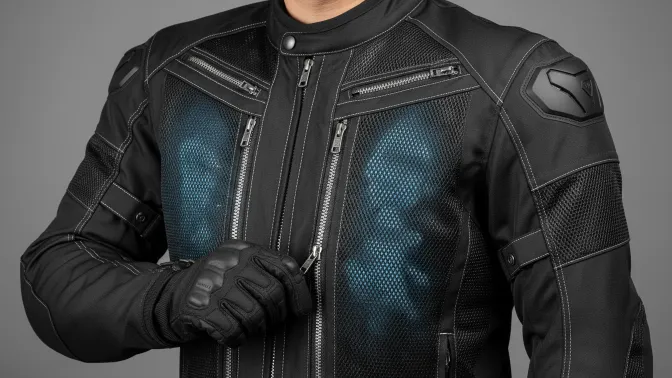
Mesh is critical in summer gear because it maximizes airflow. Jackets and pants with large mesh sections keep you cooler but still provide solid abrasion resistance by combining mesh with stronger textiles on key impact zones. You can find ventilated gear featuring CE-rated armor to keep safety high.
Many riders prefer textile gear for its flexibility and breathability. When buying, I look for materials that meet safety standards while offering multiple vents or replaceable liners. This helps regulate temperature without carrying extra bulk.
Leather vs. Synthetic Options
Leather is known for its toughness and abrasion resistance, but it doesn’t naturally breathe well. It can become hot and sticky in warm weather. However, some modern leather gear includes perforations or ventilation to improve airflow.
Synthetic materials such as Cordura® and SuperFabric® offer a good balance between protection and breathability. They resist tearing and wear but allow more air movement than full leather. These synthetics also tend to be lighter, which adds comfort on long rides.
The choice between leather and synthetics depends on your riding style and climate. I usually choose synthetic gear for summer because it feels more comfortable in the heat while still offering strong protection. Resources like the Motorcycle Safety Foundation provide guidelines on material choices for different riding needs.
Moisture-Wicking Liners
Inside the gear, moisture-wicking liners play a big role in comfort. These liners pull sweat away from your skin and help it evaporate quickly. That prevents dampness, which can make you feel cold or sticky under your gear.
Materials like polyester blends are common in liners because they dry fast and resist odors. Some liners also use antimicrobial treatments to keep gear fresher longer.
I recommend looking for gear with removable liners so you can wash or replace them easily. This keeps the inside of your jacket or pants clean and comfortable for every ride. Breathable liners combined with outer materials help maintain a dry and cool environment for your skin.
How to Evaluate Gear Ventilation Systems
When choosing breathable motorcycle gear, I pay close attention to how air moves through the jacket or pants. Good ventilation keeps me cool without sacrificing protection. Two key features I look for are where vents are placed and how adjustable those vents are.
Strategic Vent Placement
Vent placement matters because it affects how well air flows while riding. I look for vents located on areas that get the most wind exposure, like the chest, back, and sleeves. These spots help pull fresh air in and push heat and sweat out.
Mesh panels under the arms or along the sides also boost airflow without exposing skin to injury. Some gear has vents that line up with where my body heats the most, which feels much cooler on long rides.
For me, the best gear balances vent size and position. Too many or too large vents can reduce protection, so it’s about finding the right mix that works for your typical riding conditions.
Zippered and Adjustable Airflow Channels
Zippered vents give me control over how much air enters my gear. When the temperature rises, I unzip them to let air flow freely. When it cools down, I close them to keep warmth in.
I prefer vents with easy-to-reach zippers so I can adjust them even while riding. Some gear uses sliders or flaps that seal the vents well to keep out rain or cold wind when needed.
Adjustable vents also help me customize airflow based on riding speed and environment. For example, I might open vents fully on a fast highway ride but only partially in city traffic where airflow is lower.
This flexibility extends the gear’s usefulness across seasons without needing to carry extra layers.
Selecting Breathable Motorcycle Jackets
When choosing a breathable motorcycle jacket, I focus on materials, design features, and protection. I want a jacket that moves air well, works in different weather, and keeps my safety gear comfortable.
Mesh Jacket Options
Mesh jackets offer the best airflow. They are made of lightweight fabric with many small holes that keep air moving. This helps me stay cool on hot rides. Mesh is great for summer or warm climates because it lets sweat dry quickly.
Some mesh jackets combine mesh panels with heavier fabrics on high-impact areas. This mix balances breathability and protection. I look for jackets with durable stitching and abrasion resistance in crucial spots. A good zippered vent system also adds airflow control.
Seasonal Versatility Considerations
I prefer jackets that work beyond summer. Breathable jackets with removable liners or thermal layers let me ride through spring and fall without overheating or freezing. These liners also add wind protection.
Some jackets use fabrics that block wind but still breathe. That helps in cooler weather when pure mesh won’t cut it. I avoid jackets meant only for heat because I want one that fits different seasons and keeps me riding comfortably.
Armor Integration and Breathability
Armor is essential, but it can block airflow. I choose jackets with armor pockets placed to avoid covering large mesh areas. Flexible and slim armor designs help keep ventilation open.
Some jackets use perforated or vented armor for better airflow. I also check that armor stays securely in place even if the jacket has many vents or mesh panels. Good armor integration means I don’t have to trade safety for breathability.
Choosing Breathable Motorcycle Pants
When selecting breathable motorcycle pants, it’s important to focus on materials and design features that let air flow while still protecting you. The balance between ventilation and durability matters a lot. How the pants fit affects airflow and comfort during long rides.
Mesh vs. Textile Pants
Mesh pants offer the best airflow because they have large panels made of open-weave fabric. This design lets air pass through easily, which keeps you cool in hot weather. However, mesh pants usually provide less protection against wind and rain. They’re best for warm, dry conditions.
Textile pants use tightly woven fabric. They don’t breathe as well as mesh but offer better protection from the elements. Many textile pants also include ventilation zippers or mesh inserts to improve airflow. If you want more abrasion resistance or plan to ride in mixed weather, textile pants with ventilation are a good middle ground.
I weigh the pros and cons of both types depending on the temperature, expected weather, and the kind of protection I need.
Fit and Air Circulation
Fit plays a big role in how breathable your pants feel. Pants that are too tight can trap heat and reduce airflow. On the other hand, pants that are too loose might let in hot air and offer less protection during a fall.
I look for pants with adjustable waistbands and stretch panels to improve fit and comfort. Ventilation zippers or panels positioned at the thighs or knees help direct airflow where I need it most. Some pants also use lightweight, moisture-wicking fabrics inside to pull sweat away from the skin, keeping me dry.
Good air circulation comes from the right balance of fit and proper vent placement, which helps me stay comfortable on hot rides.
Gloves and Boots for Superior Airflow
Choosing gloves and boots that allow air to flow freely is key to staying comfortable while riding in hot weather. The right gear not only cools your skin but also protects you without adding extra heat or weight. I focus on materials and design features that offer this balance.
Perforated Gloves
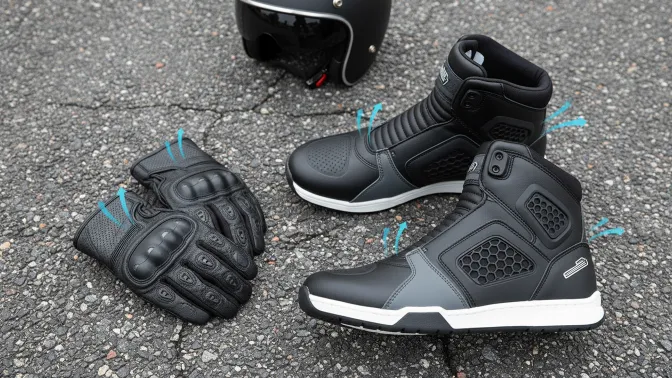
Perforated gloves have tiny holes across their surface, which let air reach your skin. This design helps reduce sweating and keeps my hands cool even on long rides. I look for gloves made from lightweight materials like nylon or synthetic leather combined with mesh panels for extra breathability.
Besides ventilation, gloves must protect. I prefer models with padding on the knuckles and palms for safety without blocking airflow. The fit is also important; gloves should be snug but allow finger movement. Gloves without enough ventilation tend to cause sweaty, slippery hands, which reduce grip and control. Perforated gloves prevent that by combining airflow with secure handling.
Breathable Motorcycle Boots
Breathable boots have features like mesh uppers and ventilation ports that stop heat from building up around my feet. I usually choose boots made with synthetic fabrics or leather combined with breathable mesh panels. These keep air moving while still offering good protection from impacts and abrasions.
The soles matter too. I prefer boots with soles that offer grip but don’t trap heat underneath. Many boots also use lightweight materials to avoid adding unnecessary weight. Some models feature hot-melt coatings on the outside, adding durability without losing breathability. Staying cool in boots helps prevent blisters and discomfort on warm rides, so I never compromise airflow for style alone.
Balancing Protection and Comfort
Choosing the right motorcycle gear means finding a balance between staying safe and feeling comfortable. It’s important to look for gear that meets safety standards and has features that help with airflow. How I layer gear also affects comfort and protection during different rides.
Safety Certifications and Comfort Features
When I pick gear, the first thing I check is safety certifications like CE armor ratings. These prove that the protective pads can absorb impact. It’s crucial the armor is placed on shoulders, elbows, knees, and back for full protection.
For comfort, I look for breathable materials like mesh panels or lightweight textiles. Ventilation zippers and perforations help airflow. Soft liners that wick away sweat keep me dry.
Some gear designs include adjustable vents. That means I can control how much air comes in depending on weather or speed. Padded areas with perforated foam add protection without trapping heat.
I also check if the gear has stretch panels or adjustable fits. These make moving easier and avoid restricting blood flow, which can get uncomfortable on long rides.
Layering Strategies
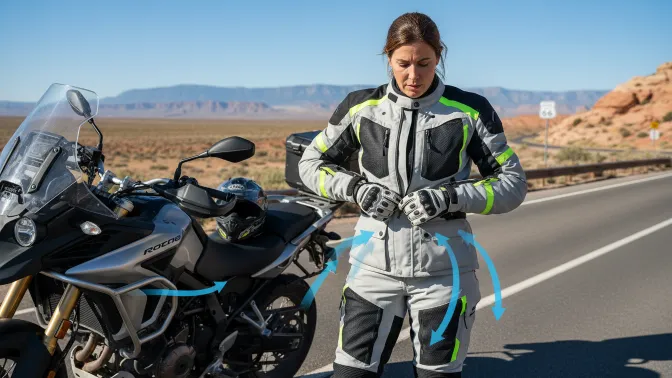
Layering helps me adjust to changing temperatures without losing protection. I start with a moisture-wicking base layer that keeps sweat away from my skin.
Over that, I put on a breathable jacket with removable liners. On hot days, I unzip vents or take off the liner. When it cools down, I add the liner back for warmth without bulk.
Sometimes, I wear armored shirts or lightweight protective vests beneath my jacket. These layers add safety without overheating.
For pants, I choose options with vents and sometimes use zip-off layers for flexible coverage.
By combining layers, I stay comfortable in different weather and keep safety gear where it matters most.
Caring for Breathable Gear
Taking care of breathable motorcycle gear means keeping it clean and maintaining its key features without damaging the materials. It also involves understanding how long these advanced fabrics last if treated properly.
Cleaning and Maintenance Tips
I clean my breathable gear carefully to keep its protective qualities and airflow intact. First, I always check the care label for specific instructions. Usually, washing in cold water with mild detergent is best. Avoid bleach or strong chemicals that can break down the fabric’s breathability.
After washing, I let gear air dry, never using a dryer, since heat can damage mesh panels or perforated leather. I also clean zippers and vents regularly to prevent dirt buildup, which can block airflow.
For stubborn stains, I gently spot clean rather than soak the whole item. This approach keeps the gear fresh without risking damage. More detailed advice on caring for outdoor and sports gear can be found at sites like REI’s cleaning guide.
Longevity of Breathable Materials
Breathable motorcycle gear lasts longer when it’s treated gently but also requires timely replacement. Over time, exposure to sun, sweat, and road grime can weaken fabrics and reduce ventilation.
I inspect my gear often, checking seams, mesh panels, and perforations for wear or tears. Even small rips affect protection and airflow. When the gear starts to lose its shape or breathability, it’s time to replace it.
To extend the lifespan, I store my gear in a cool, dry place away from direct sunlight. This prevents unwanted material breakdown. Proper care can keep breathable gear working well for several riding seasons, but always prioritize safety over saving a few dollars.
Buying Considerations and Sizing Advice
Choosing breathable motorcycle gear means focusing on fit and airflow. The right size affects comfort and protection. It also helps air move through the gear to keep you cool. I look for gear that fits well without being tight or loose.
Proper Fit for Optimal Airflow
A proper fit is key for breathable gear. If it’s too tight, air won’t flow well, and you’ll feel hot and uncomfortable. If it’s too loose, wind can enter but so can dust and debris, which reduces protection.
Leather offers better abrasion resistance but is heavier and less breathable. Textile gear is lighter and allows more breathability but may not protect as much from abrasions. Getting the right size helps balance these factors.
When trying on gear, focus on how your fingers move in gloves and how easily you can bend your knees in pants. This flexibility also lets air circulate around your body.
Trying Gear On Before Purchase
I always try gear on before buying. Online sizing charts help, but testing fit in person is better. I check for tight spots, pinching, or bunching that block airflow or cause discomfort.
Moving around while dressed in the gear shows how well it fits during riding positions. I make sure sleeves and pant legs don’t ride up, which can expose skin to wind and dirt.
If possible, I test gear with a base layer like what I normally wear. This helps find the right size and fit for real riding conditions. Proper fitting gear not only improves breathability but also enhances safety and comfort.
Conclusion
Choosing breathable motorcycle gear means finding the right balance between protection and comfort. I look for materials that allow air to flow freely, like mesh panels or perforated leather. These features help me stay cool without giving up safety on the road.
I also pay attention to ventilation options like zippered vents. They let me control airflow based on the weather and riding conditions. This flexibility makes a big difference in long rides and warm climates.
When picking gear, I consider the type of riding I do and the temperatures I expect. Lightweight, breathable fabrics are ideal for summer. For cooler weather, layering gear with moderate ventilation works better.
Here’s what I focus on when selecting breathable gear:
- Materials: Mesh, perforated leather, and breathable textiles
- Ventilation: Zip vents, mesh panels
- Fit: Snug but not tight to allow air circulation
- Safety: Armor and abrasion resistance standards
Staying cool while riding is important. Breathable gear helps manage sweat and moisture, keeping me comfortable and alert. It’s a key part of safe riding, especially in hot or changing weather. Choosing the right gear means I can ride longer, focus better, and enjoy each trip with confidence.
FAQs
What materials should I look for in breathable motorcycle gear?
I usually choose gear made from textiles like nylon or polyester because they offer good airflow. Leather is strong but less breathable. Some jackets mix materials to balance protection and breathability.
How important is ventilation in riding gear?
Ventilation is key, especially on long rides or in hot weather. I look for jackets and pants with built-in vents or mesh panels. These help air flow through and keep me cooler while riding.
Can breathable gear still protect me in a crash?
Yes. The best breathable gear includes CE-certified armor in critical areas like shoulders, elbows, knees, and back. This armor is impact-resistant without blocking airflow too much.
How often should I replace my helmet or gear?
Helmets usually need replacement every 5 years or after any impact. For jackets and other gear, I inspect them regularly for wear or damage and replace as needed to maintain protection.
Are there trusted brands for breathable motorcycle gear?
Yes, I trust brands like Alpinestars, Dainese, Klim, and Rukka. They are known for using advanced materials that balance breathability and safety.
Why does breathability matter when choosing gear?
Breathable gear keeps me dry and comfortable by letting sweat evaporate. This reduces distraction and fatigue, helping me focus on the road safely.
Conclusion
Breathable motorcycle gear plays a key role in keeping me comfortable during rides. Proper ventilation helps manage heat and moisture, which reduces fatigue and improves focus on the road.
When I choose gear, I look for features like mesh panels, zippered vents, and lightweight materials. These allow air to flow without sacrificing protection. Ventilated gear made from durable textiles or perforated leather offers a good balance between airflow and safety.
Fit is just as important as breathability. My gear must fit well so air can circulate properly. If it is too tight, ventilation won’t work right, and if it’s too loose, safety could be compromised.
I always check for certified armor in key areas like shoulders, elbows, back, and knees. Good gear protects me while letting me stay cool, especially during longer rides or hot weather.
To pick the right breathable motorcycle gear, I consider:
- Materials: Lightweight, breathable fabrics or ventilated leather
- Ventilation: Mesh panels, zippered vents, perforations
- Safety: Certified armor and abrasion resistance
- Fit: Snug but comfortable to encourage airflow
Choosing gear that matches my riding environment and personal comfort needs makes every ride safer and more enjoyable. Breathability is a must if I want to stay alert and protected in varying weather conditions.