Storing motorcycle gear at home is important to keep your equipment safe, clean, and ready to use. If you leave helmets, jackets, gloves, or boots out without proper care, they can get damaged, lose shape, or develop smells over time. The best way to store your gear is by using organized, ventilated spaces that protect against moisture and dirt.
I’ve found that simple storage solutions like wall racks for helmets, ventilated hooks for jackets, and dedicated bins for smaller items make a big difference. Preparing your gear properly before storing it also helps prevent wear and tear. By controlling the environment where you keep your gear, you can avoid problems like mold or faded materials.
Taking a few extra steps in organizing your motorcycle gear not only extends its life but also makes it easier to find everything when you’re ready to ride again. Whether you have a small area or a big garage, there are smart ways to keep your gear in good shape without much hassle.
Key Takeaways
- Use well-ventilated and organized spaces to store your motorcycle gear.
- Prepare gear properly to avoid damage and odors.
- Control moisture and keep smaller items organized for easy access.
Choosing the Right Space for Motorcycle Gear
Finding the right space for my motorcycle gear means balancing safety, protection, and accessibility. I focus on how the location affects temperature, moisture, and security. I also think about how much room I have and how I can best organize everything.
Evaluating Indoor vs Outdoor Options
I never store my motorcycle gear outside. Outdoor storage exposes items to rain, sun, and dirt, which can damage fabrics and materials over time. Indoor spaces are better because they keep gear away from weather damage.
When choosing an indoor spot, I look for a place that is dry and clean. A closet, dedicated shelf, or a spare room works well. I avoid basements prone to dampness unless they are well-ventilated. Indoor storage also reduces theft risk because I can lock doors and control who enters.
Assessing Environmental Factors
Temperature and humidity are the biggest concerns for me. High humidity can cause mold, mildew, and corrosion on helmets, gloves, and jackets. I prefer spaces with good air circulation or a small dehumidifier to keep moisture low.
Direct sunlight is another problem because it can fade colors and weaken materials. I avoid windows or bright areas. Instead, I choose dark or shaded corners to preserve my gear longer.
Maximizing Limited Space
When space is tight, I get creative with vertical storage. Hooks on walls are perfect for hanging helmets and jackets. I also use drawer organizers or clear bins for gloves and small items, which keeps everything visible and neat.
Labeling is key when using bins or shelves. It saves time and prevents clutter from accumulating. I make sure to leave enough air space around gear to avoid crushing or wrinkling materials. This way, I protect my gear while using every inch efficiently.
Preparing Gear for Storage
Before storing my motorcycle gear, I make sure it’s clean, dry, and free of damage. I also protect it well by covering it with the right materials. These steps help keep my gear in good shape and ready for my next ride.
Cleaning and Drying Gear
I start by washing all fabric items like jackets, pants, and gloves according to the care label instructions. Using mild detergent prevents damage to the materials. For leather, I clean it with a special leather cleaner to avoid drying or cracking.
After washing, I dry everything completely. Moisture left inside can cause mold and bad smells over time. I air-dry my gear in a well-ventilated space, never in direct sunlight, as this can fade colors and weaken fabrics. You can find more tips on gear care at RevZilla’s Motorcycle Gear Care Guide.
Inspecting for Damage
Once the gear is clean and dry, I inspect it carefully. I check for tears, worn stitching, and damaged zippers. These small issues can get worse when gear sits unused.
If I find minor damage, I repair it right away or take it to a professional. This extends the life of my gear. I also look for any signs of mold or mildew, which must be treated before storage. A quick inspection helps avoid problems later and keeps me safe while riding.
Using Protective Covers
I store my gear in breathable garment bags or covers to keep dust away while allowing air to circulate. Plastic bags might trap moisture, so I avoid those. For helmets, I use a soft cloth cover to protect the finish from scratches.
Keeping the gear in a cool, dry place away from direct sunlight reduces fading and prevents material breakdown. I sometimes add moisture absorbers like silica gel packets to reduce humidity. Proper covering and storage prevent damage and keep the gear ready for use.
Organizing Helmet Storage
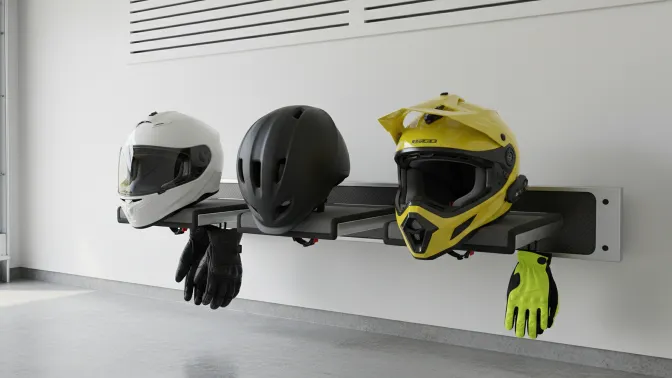
Keeping helmets safe and easy to find takes some planning. You want to protect your gear from damage and save space. Storing helmets in a way that is both accessible and secure helps keep them in good shape.
Wall-Mounted Solutions
I prefer wall-mounted racks because they save floor space and display helmets neatly. These racks are usually made of metal or wood and can hold one or more helmets. Installing them near your garage or entryway lets you grab your helmet quickly before a ride.
Wall racks keep helmets off the ground, which reduces the risk of scratches or dents. Some designs include hooks for gloves or jackets, creating a small gear station. Make sure the rack has padding or specific supports to avoid pressure points that could damage the helmet’s shape.
Helmet Bags and Cases
Using a helmet bag or hard case is key when you want to protect your helmet from dust, scratches, or impacts. Soft bags are lightweight and easy to store inside a closet or on a shelf. Many bags have padded interiors and drawstrings or zippers for secure closure.
Hard cases offer more protection because they are rigid and usually water-resistant. They are great for long-term storage or travel but take up more space. I keep a soft bag for daily storage at home and use a hard case when I need to transport my helmet.
Shelving and Racks
Open shelves or dedicated racks provide good storage for multiple helmets. I use sturdy shelves lined with soft material to avoid scratching. You can stack helmets carefully or place them side by side for easy access.
There are also racks designed especially for helmets that hold gear underneath, like gloves or goggles. This setup helps me keep all my riding essentials together in one spot. When setting up shelves, make sure the area is dry and well-ventilated to keep helmets in top condition.
Storing Motorcycle Jackets and Pants
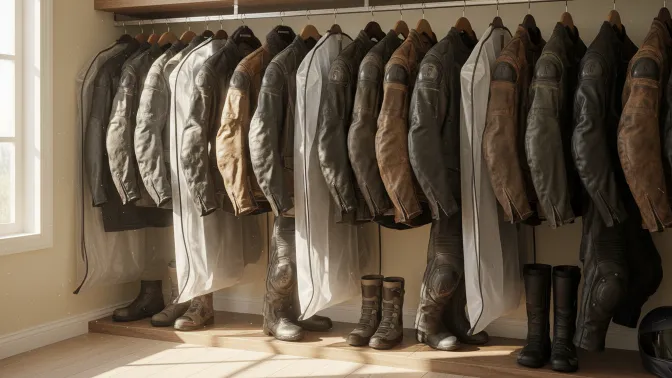
Proper storage keeps my motorcycle jackets and pants in good shape and ready to wear. I pay close attention to the type of hangers I use, how I set up my closet, and whether I fold or hang my gear. These steps help prevent damage and extend the life of my clothing.
Choosing Hangers and Garment Bags
I always choose wide, padded hangers for my motorcycle jackets and pants. Thin or wire hangers can cause the leather or textile to stretch or develop unwanted creases. Padded hangers provide better support and keep the shape of my gear intact.
For extra protection, I use breathable garment bags. These bags keep dust and dirt away while allowing air circulation, which stops mold and mildew from growing. I avoid plastic covers because they trap moisture, which can damage leather and fabric over time.
Closet Storage Tips
I store my motorcycle gear in a cool, dry part of my closet, away from direct sunlight. UV rays can fade colors and weaken materials. I also keep the gear spaced apart to avoid crushing or wrinkling.
Humidity control is key for me. Sometimes, I place silica gel packs or moisture absorbers near my gear to reduce dampness. This prevents rust on zippers and keeps leather from getting stiff or cracked. Having a clean, organized closet makes it easier to find and keep my gear in good condition.
Folding vs Hanging
I prefer hanging my jackets and pants whenever possible. Hanging helps maintain their shape and prevents creases. Folding can create deep wrinkles, especially in leather, which are hard to remove.
If space is limited and I must fold, I do it carefully along natural seams. I avoid tight folds and try to keep the gear in fabric bags to protect it. Folding is okay for short-term storage but hanging is always the best choice for long-term care.
Keeping Boots and Gloves in Top Condition
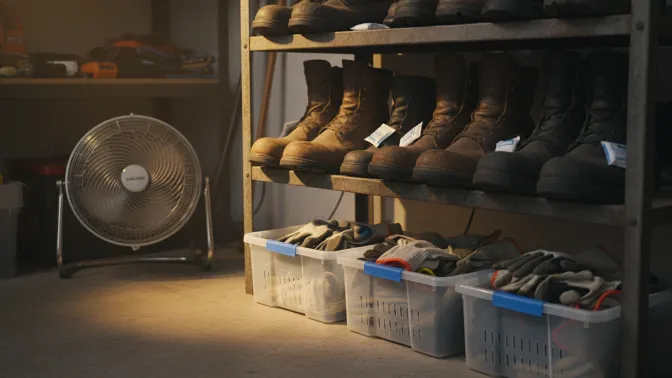
Storing boots and gloves properly helps maintain their shape, keep materials strong, and reduce odors. I focus on using the right holders and storage methods to prevent damage and keep my gear ready for the next ride.
Boot Racks and Trays
I use boot racks or trays that keep my boots upright and dry. Storing boots standing up prevents creases and helps air flow inside to avoid moisture buildup. Trays with raised edges are great for catching dirt and water, protecting my floors and gear.
I avoid storing boots near direct heat or sunlight, as this can dry out or crack the leather and seams. Instead, I keep them in a cool, ventilated spot. If my boots get wet, I dry them naturally at room temperature and never use a direct heat source like a heater or hairdryer. This protects the leather and inner lining.
Proper Glove Storage
For gloves, I find it best to let them dry fully before storing. Moisture inside gloves can cause mold and material breakdown. I avoid stuffing gloves inside helmets or pockets since that can distort their shape and trap moisture.
I keep gloves in a dry, dark place on shelves or hooks, where air circulates freely. Some riders use special glove dryers that gently circulate air inside the gloves to seal in freshness and extend life. If I have dainty leather gloves, I store them flat to stop creasing.
Odor Prevention Techniques
To prevent odors, I air out boots and gloves after each ride. I remove footbeds from boots to dry separately. For gloves, I turn them inside out if possible to help moisture escape faster.
I use moisture-absorbing products like silica gel packets or charcoal pouches inside storage containers. Occasionally, I clean gloves and boots with products made for their materials to remove sweat and dirt buildup.
By keeping my gear dry and clean, I avoid bad smells and slow material wear. This routine keeps everything smelling fresh and fitting well every time I ride.
Maintaining Accessories and Small Items
Keeping accessories and small items organized and protected makes gear maintenance easier and saves time before rides. I focus on using proper storage methods to avoid damage, loss, or clutter. Tools, spare parts, keys, and important documents all need specific care to stay in good order.
Tool Storage Solutions
I store my tools in a sturdy, portable toolbox with compartments. This keeps small items like screws and wrenches from getting lost. Magnetic trays work well to hold metal tools during repairs or when working on the bike.
Wall-mounted racks or pegboards help me arrange frequently used tools within reach. Labeling each spot speeds up finding what I need. For extra protection, I keep tools clean and dry to prevent rust, wiping them after use and applying a light oil occasionally.
Organizing Spares and Parts
I sort spare parts like bulbs, fuses, and brake pads in clear bins or small containers with labels. This way I can quickly spot what I need without digging through clutter. Parts that can corrode are stored in sealed plastic bags or airtight containers.
For larger parts, I keep an inventory list nearby. This helps me track what’s on hand and what needs replacing. I store everything off the floor, on shelves or in cabinets, to avoid dirt, moisture, or accidental damage.
Securing Keys and Documents
I keep my motorcycle keys in a dedicated hook or small lockbox to prevent loss. Spare keys go in a separate secure spot, so I’m never locked out.
Important documents like registration, insurance, and manuals I store in a waterproof folder or binder. This protects them from spills and wear. Keeping these papers organized makes it simple to access them during registration checks or emergencies.
Climate Control and Moisture Prevention
Keeping motorcycle gear in good shape means managing moisture and temperature well. I pay close attention to stopping dampness, improving airflow, and choosing the right indoor climate. These steps help avoid mold, rust, and material damage while making sure gear lasts longer.
Dehumidifiers and Silica Gel
Dehumidifiers are helpful if you store your gear in a basement or any room prone to dampness. They pull moisture from the air, keeping humidity levels below 50%. This is important because moisture encourages mold growth and can ruin leather or fabric. Small, portable dehumidifiers work well for closets or small storage rooms.
Silica gel packs are another good moisture barrier. I tuck them inside helmets, gloves, and boots to absorb residual moisture. You can find these in packages or buy bulk bags for regular use. Silica gel is cheap and chemical-free, making it great for sensitive materials.
For more on controlling humidity in gear storage, the EPA website has useful guidance on indoor air quality.
Ventilation Strategies
Good air circulation prevents the stagnant air that traps moisture. I keep storage spaces well-ventilated by opening windows or doors when possible. Installing a small fan can also improve airflow, reducing the chance of mildew and unpleasant odors.
If your storage is in a closet or enclosed space, I recommend a vent or air bricks. These allow fresh air in without exposing gear to dust or pests. Avoid plastic covers that seal gear completely because they trap moisture. Instead, use breathable fabric covers or mesh bags.
The American Lung Association explains how ventilation helps reduce indoor moisture levels safely.
Temperature Considerations
Extreme temperatures can damage motorcycle gear over time. I store mine in an area with stable temperatures around 60-70°F (15-21°C). Too much heat can dry out leather, causing cracks, while freezing cold can make materials brittle.
Avoid storing gear near heaters, radiators, or direct sunlight. Temperature swings cause condensation, which leads to rust on metal parts and mold on fabrics. If you live in an area with wide temperature changes, consider a climate-controlled storage room. This keeps both temperature and humidity steady, preserving gear quality.
For tips on temperature control in storage, the National Park Service offers clear advice on protecting valuable outdoor equipment.
Safety and Security Tips for Stored Gear
Storing motorcycle gear at home means I need to think about more than just space. Protecting my gear from theft, keeping kids and pets safe, and making sure my insurance covers any damage or loss are all important steps.
Preventing Theft and Loss
I keep my gear in a locked closet or storage chest at home to stop theft. Using heavy-duty locks and tamper-proof fasteners adds extra security. It’s smart to store smaller valuable items, like helmets and gloves, inside a zippered bag or container so nothing gets lost.
Labeling gear helps me find things quickly and reduces the chance of mix-ups. I also avoid leaving gear near windows or doors where people can see it easily. Motion sensor lights or cameras near storage areas make me feel more secure.
When possible, I avoid keeping all my gear in one place. Spreading it out reduces risk if one spot is broken into or damaged.
Child and Pet Safety Measures
I make sure my gear is safely out of reach from kids and pets, since items like helmets and jackets can cause injury if chewed or played with. High shelves or locked bins work well for this.
I never store gear where children might pull something heavy down on themselves. Helmets can fall and hurt little ones. I also keep cleaning supplies and sprays for my jacket in childproof containers away from these storage spots.
For pets, I avoid materials that can irritate their skin or cause choking, like loose zippers or snaps. Checking gear regularly for damage helps me keep everyone safe.
Insurance Considerations
I always check my home or renters insurance to see what motorcycle gear coverage I have. Some policies cover gear only while riding or in a garage, so I ask about storage coverage specifically.
Taking photos of my gear and keeping receipts help if I need to file a claim after theft or damage. I store these records in a safe place or digital folder.
If my current insurance doesn’t cover gear at home, I consider adding a rider or separate policy. This extra step gives peace of mind in case of fire, theft, or water damage.
Long-Term Gear Preservation
Storing motorcycle gear for a long time needs specific care to keep it in good shape. I focus on regular checks, treating each material right, and knowing when gear is too worn to keep using. These steps help protect your gear from damage and keep it safe for future rides.
Periodic Inspections
I check my gear every few months during long-term storage. This lets me catch any signs of mold, mildew, or unwanted smells early. I look for cracks in helmets, tears in jackets, and loose seams. If my gloves or boots feel stiff or brittle, I note it right away.
Inspecting hardware like zippers and buckles ensures they work well. I also air out gear by opening storage containers or bags to prevent moisture buildup. If anything looks damaged or smells bad, I clean or repair it before putting it back.
Material-Specific Care
Different gear materials need special attention. For leather jackets and gloves, I use a leather conditioner to stop drying and cracking. Textile gear needs to be clean and dry before storage to avoid mold. Using breathable bags helps prevent moisture trapped inside synthetic fabrics.
For helmets, I remove the liners and pads for separate cleaning. Plastic and fiberglass shells can be wiped down with mild soap and water. I avoid harsh chemicals that might weaken gear parts. Boots get stuffed with paper to keep shape and dry out any leftover moisture inside.
When to Replace Gear
I pay attention to my gear’s lifespan and condition so I know when to replace it. Helmets usually need replacing every 3-5 years or after a hit. Jackets, gloves, and boots should be replaced when worn out or damaged beyond repair, especially if protective padding is compromised.
If gear loses shape, cracks, or has broken closures, it’s time for new equipment. Using worn-out gear puts safety at risk. I keep a schedule for each item to avoid unexpected failures during rides.
FAQs
How should I clean my gear before storing it?
I always make sure my helmet, jacket, and gloves are clean and dry. Dirt or moisture can cause mold and damage the materials over time. A gentle wipe or spot clean works well for most gear.
Where is the best place to store motorcycle gear at home?
I keep my gear in a cool, dry area away from direct sunlight. This helps prevent fading and material breakdown. A closet or a dedicated shelf with good ventilation is ideal.
Can I hang my jacket and helmet?
Yes, hanging your jacket on a sturdy hanger keeps its shape. Helmets do well on shelves or special helmet hooks to avoid damage. Avoid placing heavy items on top of helmets.
How do I avoid bad smells and mold?
Proper ventilation is key. I use moisture absorbers like silica gel packs inside storage areas. Regularly airing out gear helps prevent musty smells and keeps materials fresh.
Do I need special storage containers?
Not always. I use breathable bags or open shelving rather than airtight plastic containers. This stops moisture build-up while keeping gear dust-free.
| Gear Item | Storage Tip | Avoid |
|---|---|---|
| Helmet | Shelf or hook | Stacking or direct sunlight |
| Jacket | Hanger, cool place | Folding tightly or damp areas |
| Gloves | Ventilated box | Crumpling or closed plastic |
Keeping gear organized makes it easy to check for damage. I find simple solutions work best to keep everything in good shape till the next ride.
Conclusion
Storing motorcycle gear properly at home takes some effort, but it protects your investment and keeps your equipment ready to use. I make sure to keep helmets, jackets, gloves, and boots clean and dry before storing them. This simple step helps avoid mold, mildew, and bad smells.
I use dedicated storage solutions like wall hooks, shelves, or gear trees to keep everything ventilated and organized. This prevents damage caused by crushing or poor airflow. Keeping gear off the ground and out of direct sunlight extends its life.
Here’s a quick checklist I follow for storing gear:
- Clean and dry every item
- Store in a cool, dry place
- Use proper storage racks or hooks
- Avoid plastic bags that trap moisture
- Keep gear accessible for regular inspection
By following these tips, I keep my gear safe and maintain its protective qualities. This way, when I’m ready to ride again, everything fits well and feels comfortable. Proper storage not only saves money but also keeps me safe on the road.