Owning a motorcycle means more than just riding it; regular maintenance is key to keeping it safe and reliable. Motorcycles require consistent checks on oil, brakes, tires, and the electrical system to perform well and avoid breakdowns. These tasks help catch problems early and extend the life of the bike.
Many riders think maintenance is hard or time-consuming, but with a simple routine, it becomes easy to stay on top of things. I’ll walk you through what needs attention regularly so you can ride without worry. Keeping your bike in good shape helps you enjoy every mile while avoiding costly repairs.
Understanding what parts need care and how often they should be checked is essential. Whether you ride daily or just on weekends, this routine will keep your motorcycle safe and ready to go whenever you are.
Key Takeways
- Regular checks help prevent breakdowns and improve safety.
- Simple tasks done often keep your motorcycle running longer.
- Knowing what to inspect makes maintenance less stressful.
Engine Maintenance
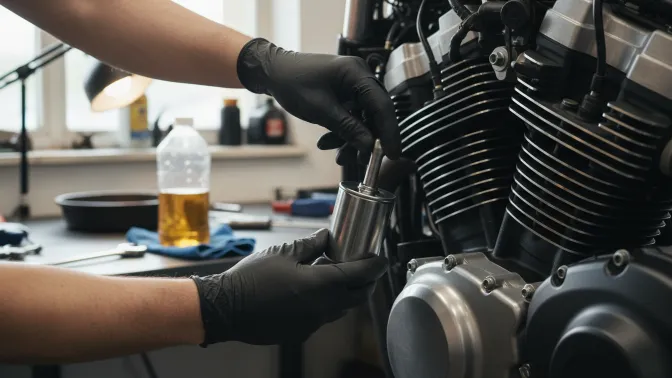
Keeping the engine in good shape means paying close attention to a few key tasks. These include changing the oil on time, checking spark plugs for wear, and adjusting valves when needed. Each task helps my motorcycle run smoothly and last longer.
Oil Change and Filter Replacement
I change my motorcycle’s oil regularly because fresh oil keeps the engine parts lubricated and running cool. Old oil can thicken and lose effectiveness, which can cause engine damage. I usually follow the manufacturer’s guideline, changing the oil every 3,000 to 5,000 miles or at least once every six months.
Along with oil, I always replace the oil filter. This filter removes dirt and particles that can harm the engine. Changing the filter at the same time as the oil ensures the new oil stays clean. Using high-quality oil and filters makes a big difference in engine health.
Inspecting Spark Plugs
Spark plugs are vital because they ignite the fuel-air mixture inside the engine cylinders. I check mine regularly for signs of wear, like fouling, corrosion, or damaged electrodes. Worn spark plugs can cause poor engine performance, harder starts, and lower fuel efficiency.
When inspecting, I look for color and cleanliness. Ideally, the plugs should have a light tan color. If they are black and sooty or white and burnt, I replace them. Keeping my spark plugs in good condition helps maintain smooth engine power and reliable starts.
Valve Adjustment
Valves need to open and close with precise timing. Over time, valve clearances can change, leading to engine noise, loss of power, or increased fuel consumption. I check and adjust valve clearances as my motorcycle’s manual suggests, often after several thousand miles.
This adjustment involves measuring the gap between the valve stem and rocker arm and correcting it if outside the recommended range. Proper valve clearance keeps the engine running quietly and efficiently. Although valve adjustments might take more time, skipping them can cause bigger engine problems later.
Transmission and Final Drive Care
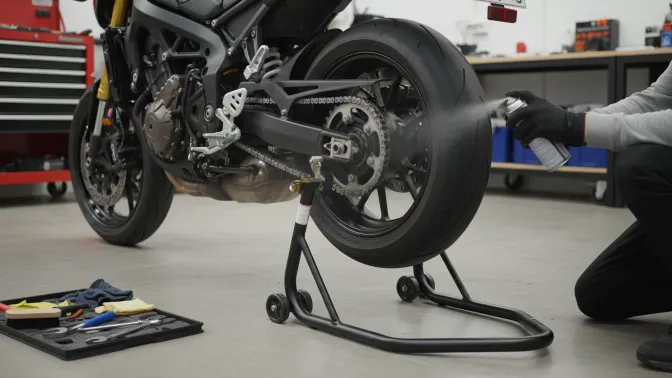
Taking care of the transmission and final drive is a key part of motorcycle maintenance. These parts transfer power from the engine to the rear wheel, so keeping them in good condition helps avoid breakdowns and costly repairs. I focus on lubrication, tension, and regular inspections to keep everything working smoothly.
Chain Lubrication and Tension
Chains need frequent attention. I clean and lubricate my chain every 300-600 miles, or more often if I ride in wet or dusty conditions. Proper lubrication reduces wear and prevents rust.
Checking chain tension is also important. A chain too loose can slip or come off. Too tight can damage the sprockets and transmission. I follow my bike’s manual for the correct slack, usually around 20-30 mm of movement. I adjust the tension by moving the rear wheel or adjusting the chain adjusters.
I also inspect the chain for signs of stretching or damaged links. If parts look worn or the chain is rusty, I replace it before it fails. You can learn more about chain care from the Motorcycle Safety Foundation’s guide at MSF.
Checking Belt or Shaft Drive
Belt drives need less attention than chains but still require checks. I look for cracks, fraying, or excessive wear on the belt. Proper tension is important but usually lasts longer. Belt drive systems also avoid lubrication needs, making them cleaner.
Shaft drives are low maintenance but need regular oil or grease checks. I check the drive’s seals for leaks and top off lubricant or grease at intervals listed in my owner’s manual. Shaft drives are enclosed systems, so I make sure the seals are intact to avoid damage.
Routine inspections prevent total failure. If the final drive seizes while riding, it can cause accidents or leave you stranded. For more on shaft drive maintenance, visit HowStuffWorks.
Brake System Upkeep
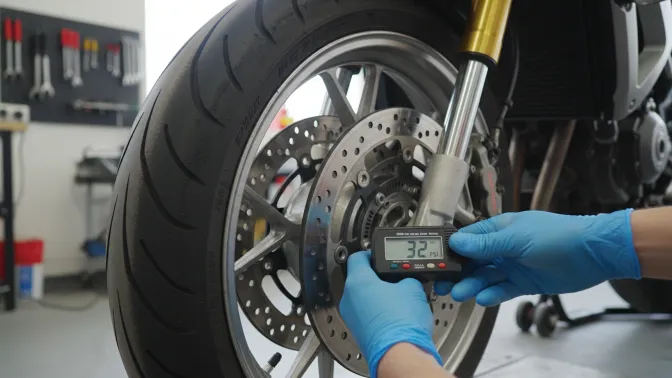
Keeping motorcycle brakes in good shape means checking parts for wear, changing fluids, and making sure lines are intact. Each step helps maintain strong stopping power and safe rides.
Inspecting Brake Pads and Discs
I always start by looking at the brake pads. If they are worn down to the metal or very thin, it’s time to replace them. Thin pads reduce braking power and can damage the discs.
Next, I check the discs (rotors). They must be free of deep grooves, cracks, or warping. If the disc surface looks uneven or has ridges, it may cause vibration or noise when braking. Measuring disc thickness with a caliper can tell if it is still safe to use or needs replacing. Always keep pads and discs clean from dirt and oil.
Brake Fluid Replacement
Brake fluid is key to transferring the pressure you apply on the brakes to the pads and discs. Over time, moisture can get into the fluid, reducing its effectiveness.
I replace the brake fluid according to the manufacturer’s schedule or every 1-2 years. Using fresh fluid helps prevent brake failure and keeps the system working smoothly. I make sure to use the right type of fluid, like DOT 4 or DOT 5.1, as specified in the owner’s manual. When changing fluid, I also check for any air bubbles in the lines, which can reduce braking response.
Checking Brake Lines
Brake lines carry fluid from the master cylinder to the brakes. They must be free from cracks, leaks, or swelling.
I inspect the entire length of each line regularly. Rubber brake lines can degrade and may need replacement after a few years. Some riders upgrade to steel-braided lines for better durability and feel. If I spot any damage, I replace the lines right away to avoid brake failure. I also check the line fittings for tightness and signs of corrosion to keep the system sealed and safe.
Tire Inspection and Maintenance
Checking motorcycle tires is one of the most important things I do to keep my bike safe and reliable. I pay close attention to air pressure, tread depth, and any visible damage. These steps help ensure better handling and prevent accidents on the road.
Tire Pressure Checks
Maintaining the right tire pressure is key for grip, fuel efficiency, and tire life. I always check the pressure when the tires are cold, using a precise gauge. Most motorcycles need about 30-40 PSI in the front and 32-42 PSI in the rear, but I follow the exact numbers in my owner’s manual.
Underinflated tires can cause poor handling and increase wear, while overinflated tires reduce traction and ride comfort. I make a habit of checking pressure before every ride, especially on long trips or after changes in weather, since temperature affects pressure. Keeping tires at the correct pressure makes my ride safer and smoother.
Monitoring Tread Depth
Tread depth is crucial for maintaining traction, especially in wet conditions. I inspect the tire tread regularly to make sure it hasn’t worn down to the wear bars, which are built-in minimum tread depth indicators.
If I notice that the tread looks shallow or uneven, I plan to replace the tires soon. Riding on worn tread increases the risk of slipping and reduces overall control. I use a simple tread depth gauge or sometimes a coin to check. It only takes a moment but makes a big difference in safety.
Inspecting for Tire Damage
I carefully look over my tires for cracks, cuts, or bulges in the sidewalls and tread. Damage can weaken the tire’s structure and lead to sudden failure.
Small punctures might be repairable, but large cuts or cracks require tire replacement. Also, I check for any objects stuck in the tread, like nails or sharp debris, and remove them if safe. Keeping tires clean and free of damage helps me avoid flats and other hazards while riding.
Electrical System Checks
The electrical system is crucial for my motorcycle’s safe operation. I make sure the battery stays healthy and that all lights and indicators work properly before every ride. This helps prevent breakdowns and keeps me visible on the road.
Battery Maintenance
I start by checking the battery’s charge level regularly, especially if the bike sits unused for days. A weak or dead battery can cause starting problems and may damage electrical components. Using a multimeter, I measure the voltage; it should be around 12.6 volts when fully charged.
I clean the battery terminals to remove any corrosion, which can block power flow. I also check the battery fluid level if it’s not a sealed type and top it off with distilled water when needed. For long-term storage, I disconnect the battery or use a trickle charger to keep it charged without overcharging.
Testing Lights and Indicators
Before riding, I test every light and indicator on my bike. This includes the headlights, brake lights, turn signals, and tail lights. Proper lighting is essential for my visibility to other drivers and signaling my actions.
If a bulb is dim or not working, I replace it immediately. I also check the wiring for loose connections or frayed wires, which can cause intermittent faults. Making sure the switches controlling these lights work smoothly is another part of the process. I rely on consistent lighting to stay safe and avoid legal issues.
Cooling System Service
Keeping my motorcycle’s cooling system in good shape means checking and maintaining both the coolant and the physical parts like the radiator and hoses. This helps me avoid overheating and costly engine damage while riding.
Coolant Level and Replacement
I always check the coolant level regularly, especially before long rides or hot weather. The coolant should be between the minimum and maximum marks on the reservoir. If it’s low, I add the correct type of coolant, usually a pre-mixed one or a mix of concentrated coolant and distilled water.
Replacing coolant is important too. Over time, coolant loses its ability to protect the engine and prevent corrosion. I usually follow the manufacturer’s recommended interval, which can be yearly or every 20,000 to 30,000 miles, depending on riding conditions. Fresh coolant helps keep the engine at the right temperature and prevents overheating.
Inspecting Radiator and Hoses
I inspect the radiator and hoses for any damage, leaks, or blockages often. Dirt, debris, or bent fins on the radiator can reduce cooling efficiency. Cleaning the radiator carefully with water or a soft brush removes buildup without damaging it.
Checking hoses means looking for cracks, swelling, or leaks. Worn hoses can cause coolant leaks and engine overheating. I replace any damaged hoses immediately. Tightening hose clamps also prevents leaks and keeps the system sealed properly.
Fuel System Reliability
Keeping the fuel system in good shape is key to avoiding breakdowns and keeping the engine running smoothly. Paying close attention to parts like the fuel filter and fuel lines can prevent fuel flow problems and damage.
Fuel Filter Replacement
The fuel filter stops dirt and particles from reaching the engine. Over time, this filter gets clogged and restricts fuel flow. I check my fuel filter every 6,000 miles or once a year, whichever comes first. If it looks dirty or the engine feels sluggish, I replace it.
Replacing the fuel filter is simple but important. A clean filter improves engine performance and fuel efficiency. Using the correct replacement part for my bike model ensures proper fit and function. I always keep a clean fuel filter as part of my regular maintenance to avoid fuel starvation or damage to the fuel pump.
Inspecting Fuel Lines
Fuel lines carry gas from the tank to the engine, so any cracks or leaks can cause serious problems. I inspect my fuel lines every few months, looking for signs of wear, brittleness, or leaks. Hot engines and weather changes often cause lines to deteriorate faster.
If I spot any damage, I replace the lines immediately with the right type rated for fuel use. Loose clamps or connectors also get tightened during my checks to stop leaks. Regular inspection helps me catch small problems before they cause fuel loss or engine issues.
Suspension and Steering Maintenance
Suspension and steering systems are crucial for safe handling and comfort. Keeping these parts in good shape means regularly checking fluids, bearings, and adjustments. Ignoring these can cause poor control and wear.
Fork Oil Inspection
I check my fork oil because it controls how the front suspension responds to bumps. Over time, the oil breaks down and collects dirt. This reduces damping and affects ride quality.
To inspect fork oil, I first look for leaks on the fork tubes. If seals are damaged, oil will drip and performance drops quickly. Then, I drain the old oil and replace it with the correct type and amount specified by my motorcycle’s manual. This keeps the forks moving smoothly.
I usually replace fork oil every 12,000 miles or once a year. But if I ride a lot on rough roads, I check more often. Fresh oil stabilizes handling and absorbs shocks better, making for a safer ride.
Checking Steering Head Bearings
Steering head bearings let the handlebars turn smoothly. If they get worn or loose, the bike feels unstable or jerky. I always check for this by lifting the front wheel and turning the handlebars side to side.
I also test for any play by applying the front brake and pushing the bike forward or backward. Any knocking or movement means the bearings need adjustment or replacement.
Keeping these bearings clean and lubricated prevents rust and stiffness. I grease them regularly during major services. Tightening the bearings to the right torque is important—too tight makes steering stiff; too loose causes wobble. I follow my bike’s manual to get this just right.
Lubrication of Control Cables
Proper lubrication keeps control cables smooth and responsive. It prevents rust, reduces friction, and extends cable life. I focus on the clutch and throttle cables since these affect handling and safety the most.
Clutch Cable Lubrication
The clutch cable needs regular lubrication to avoid stiffness and wear. If it feels hard to pull or doesn’t return smoothly, the cable is likely dry or corroded inside.
I remove the cable from its housings before applying lubricant. Using a light oil designed for cables, I work the lubricant through the entire length. This prevents rust and reduces friction between the metal cable and the housing.
I recommend lubricating the clutch cable at least every 3,000 to 6,000 miles or every few months, depending on riding conditions. Wet or dusty environments may require more frequent care. Keeping the clutch cable well-lubed helps ensure smooth gear shifts and better control.
Throttle Cable Maintenance
Throttle cables control how the engine responds, so they must operate without sticking. A sticky throttle can cause slow reactions or unsafe acceleration.
I treat throttle cable lubrication similarly to the clutch. Removing the cable first makes it easier to apply lubricant evenly inside the housing. Using a cable lubricant or light oil, I move the cable back and forth to spread it fully.
Regular lubrication, at least once a year or sooner if the throttle feels rough, keeps the throttle crisp. Well-maintained throttle cables improve throttle response and rider confidence. I always check for fraying or damage during this process and replace cables if needed.
Chassis and Frame Care
The chassis and frame are the backbone of any motorcycle. Keeping them in good condition helps with safety and performance. Paying attention to even small cracks or rust can save you from bigger problems later.
Inspecting for Frame Damage
I always check the frame for cracks, dents, or bends after rides, especially if I’ve hit rough roads or had a minor fall. These can weaken the structure and cause safety issues. Use a flashlight to see hard-to-reach spots, focusing on welds and joints. If you spot any cracks or deep scratches, I recommend taking your bike to a professional for a thorough inspection.
Look for rust, especially on steel frames. Rust can eat through metal over time. If your frame is aluminum, keep an eye out for corrosion, but it’s usually less of a problem. Regularly checking the frame prevents accidents caused by structural failures.
For detailed info on frame damage, I find resources like those on AMA Motorcycle Care very useful.
Cleaning and Protecting Paint
Keeping the frame clean helps you spot damage early and prevents buildup that can cause rust. I wash my bike with mild soap and water, avoiding harsh chemicals that might strip paint or protective coatings. After washing, wiping the frame dry stops moisture that leads to rust.
Protecting the paint with a good polish or wax adds a layer against scratches and environmental damage. I apply wax every few months, focusing on exposed metal parts. This makes it easier to clean next time and maintains the bike’s appearance.
Avoid using abrasive brushes or steel wool when cleaning. These can harm the paint and expose the metal underneath. Regular care keeps your frame both strong and visually sharp. For tips on motorcycle cleaning, sites like Cycle World offer solid advice.
Routine Safety Inspections
To keep my motorcycle safe to ride, I focus on a few key areas during regular inspections. These checks help catch problems before they cause trouble on the road. I make sure all fasteners are tight and secure, and that essential parts like mirrors and the horn are working properly.
Checking Fasteners and Bolts
I start by carefully checking all the visible bolts and fasteners on my motorcycle. Vibration from riding can loosen these over time. I use the right tools, like a wrench or socket set, to test if any bolts feel loose. If I find any, I tighten them to the exact torque recommended by the manufacturer.
It’s important to focus on parts that affect safety and handling, such as the handlebars, brake lever mounts, foot pegs, and engine guards. Missing or loose fasteners here can lead to parts moving or falling off while riding, which is dangerous. I also inspect areas around the wheel axles and suspension for loose nuts.
Inspecting Mirrors and Horn
For safe riding, I always check the mirrors to make sure they are clean, properly adjusted, and firmly attached. I look for cracks or damage in the mirror glass that could reduce visibility. If a mirror is loose or moves out of position easily, I tighten its mount so I get a clear view behind me.
Next, I test the horn because it is key for alerting others. I press the horn button to ensure it sounds loud and clear. If the horn is weak or silent, I check the wiring and fuse first, then replace the horn if needed. A working horn helps prevent accidents and keeps me safe in busy traffic.
Record Keeping and Service Scheduling
Keeping track of my motorcycle’s maintenance helps me stay organized and avoid missed service tasks. I rely on clear records and set schedules to know exactly when to perform checks and replacements. This helps me protect my bike’s safety and performance over time.
Maintaining a Maintenance Log
I keep a detailed log of all the work I do on my motorcycle. This includes dates, mileage, and what parts or fluids I replaced or checked. Writing down oil changes, chain cleanings, and tire inspections helps me spot patterns and avoid doing the same task too often or too late.
Using a notebook or digital app makes it easy to review past services. I also note any unusual issues I noticed while riding. This record is handy when I visit a mechanic, so they understand my bike’s history. It can even help increase the bike’s resale value by proving proper upkeep.
Following Manufacturer Recommendations
Following the maintenance schedule in my motorcycle’s owner’s manual is critical. Each motorcycle is different, so the manufacturer’s instructions tell me exactly when to replace parts or fluids like oil, brake pads, and spark plugs.
I check the manual for mileage or time intervals for major services. Sticking to these recommendations prevents wear and costly repairs. I also use the specific types of oil and parts suggested to keep the engine running smoothly. If I ever feel unsure, consulting the manual first saves me time and money.
FAQs
What are the most important maintenance tasks for my motorcycle?
I focus on checking the oil, brakes, tires, and chain regularly. These are key to keeping my bike safe and running well. I also keep an eye on the battery and air filter.
How often should I change the oil?
Most motorcycles need an oil change every 3,000 to 5,000 miles. I always check my owner’s manual because some bikes have different needs. Using the right oil is important for engine health.
When should I service my motorcycle?
I usually follow the recommendation of a service every 3,000 to 5,000 miles or every 6 months, whichever comes first. A first service is often needed after the first 500 to 1,000 miles to fix any early issues.
How often should I check tire pressure?
I check tire pressure before every ride or at least once a week. Proper pressure helps with safety and fuel efficiency.
What tools do I need for basic maintenance?
At minimum, I keep a tire pressure gauge, wrench set, chain lubricant, and a few screwdrivers. These help me perform simple checks and adjustments easily.
| Task | How Often | Why It Matters |
|---|---|---|
| Oil Change | Every 3,000-5,000 miles | Keeps engine running smoothly |
| Tire Pressure | Before each ride or weekly | Ensures safety and grip |
| Chain Lubrication | Every 300-600 miles | Prevents wear and breaks |
| Brake Check | Monthly or more often | Maintains stopping power |
Conclusion
I know that regular motorcycle maintenance is key to keeping my bike safe and reliable. Simple checks like oil changes, brake inspections, and tire pressure adjustments prevent bigger problems down the road. These tasks also help the bike perform at its best.
Maintaining the battery and coolant is just as important. A charged battery ensures the bike starts easily, while fresh coolant protects the engine from overheating. I make sure to keep these in check regularly, especially before long rides or seasonal changes.
Following a maintenance checklist helps me stay organized. Here’s what I focus on most often:
| Maintenance Task | How Often | Why It Matters |
|---|---|---|
| Engine oil and filter | Every 3,000-5,000 miles | Keeps engine running smoothly |
| Tire pressure | Before every ride | Improves safety and fuel efficiency |
| Brake inspection | Monthly | Ensures reliable stopping power |
| Battery check | Monthly | Prevents starting issues |
| Coolant level | Seasonally | Protects engine from overheating |
By keeping up with these tasks, I extend my motorcycle’s life and ride with confidence. Regular maintenance is not a hassle; it’s a responsibility I accept to stay safe and enjoy my rides longer.