When riding a motorcycle, knowing the normal engine temperature is important to keep your bike running well and avoid damage. Most motorcycle engines operate safely between 150°F and 230°F (65°C to 110°C), depending on the make and model. This range allows the engine to perform efficiently without risking overheating or excessive wear.
Engine temperature can change based on weather, riding style, and the bike’s cooling system. I’ve noticed that some engines can safely reach up to 250°F in certain conditions, but staying within the usual range is best for long engine life. Understanding this helps me spot warning signs early and keep my bike in top shape.
Watching the temperature and knowing what is normal for your motorcycle can prevent serious problems. If the engine gets too hot or stays too cool for too long, it can affect performance and cause damage. Staying aware benefits the bike and the rider by improving safety and reliability.
Key Takeaways
- Most motorcycle engines run safely between 150°F and 230°F.
- Engine temperature varies with conditions and cooling systems.
- Monitoring temperature helps prevent engine damage and maintain performance.
Understanding Normal Motorcycle Engine Temperature
The temperature of a motorcycle engine can vary widely depending on factors like the engine type, cooling system, and outside weather. Knowing the typical temperature range, how it is measured, and why it matters helps me keep the engine in good condition and avoid problems.
Typical Operating Temperature Range
Most motorcycle engines run between 140°F and 230°F (60°C to 110°C) during normal operation. This range varies depending on the bike’s design, cooling system, and riding conditions. Air-cooled engines often run hotter because they rely on airflow, while liquid-cooled engines stay closer to the lower end of this range due to their coolant systems.
Temperatures above 230°F (110°C) can happen but are usually temporary. If the engine consistently gets hotter than 250°F (120°C), it could signal overheating, which risks damaging key parts like the cylinder head and pistons.
How Temperature Is Measured
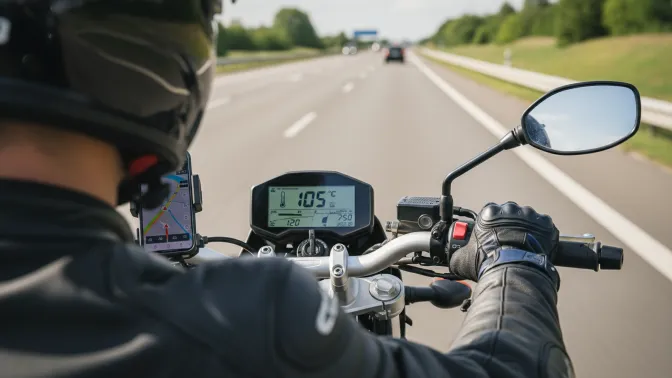
Engine temperature is commonly measured using a temperature sensor or gauge located on or near the cylinder head or engine block. These sensors provide real-time readings in degrees Fahrenheit or Celsius. Some motorcycles have a digital display, while others use a dial or LED indicator.
I rely on these measurements to watch for temperature spikes during rides. On some bikes, oil temperature gauges help measure how hot the engine oil is, giving an additional point of reference. Regularly checking these readings helps me catch issues before they become serious.
Why Temperature Matters
Maintaining the right engine temperature is key for performance and longevity. If the engine runs too cold, it won’t burn fuel efficiently, which hurts power and may increase wear. Too hot, and the engine risks overheating, causing parts to warp, seize, or fail.
At proper temperatures, combustion happens smoothly and the oil lubricates moving parts effectively. Staying within the recommended temperature range prevents breakdowns and costly repairs. I always follow manufacturer guidelines and pay attention to warning signs like temperature spikes or coolant loss to keep my engine safe.
Factors Impacting Engine Temperature
Understanding what affects motorcycle engine temperature helps me keep my bike running well. Several factors like engine design, weather, and how I ride all change the heat levels inside the engine.
Engine Design and Type
The kind of engine a motorcycle has plays a big part in its normal temperature. Air-cooled engines typically run hotter because they rely on airflow around the engine to cool down. That means in slow traffic or hot weather, these engines can get quite warm.
Liquid-cooled engines use coolant to keep the temperature steady. This system usually keeps engine heat between 180°F and 220°F (82°C to 104°C), making it easier to avoid overheating. Some bikes with liquid cooling also have oil coolers that help protect the engine during hard rides.
Factors like engine size and design also matter. Larger engines produce more heat but often have better cooling systems. If you want to learn more about engine designs, websites like HowStuffWorks explain these concepts clearly.
Ambient Weather Conditions
The temperature outside affects engine heat a lot. Riding in hot weather naturally raises engine temperature since the air around the bike is warmer and less able to cool the engine. High humidity can also reduce cooling efficiency.
On cold days, engines take longer to reach normal operating temperature. This can affect fuel combustion and engine performance.
In very hot climates, I watch the engine temperature gauge carefully to avoid overheating. Shade, wind speed, and altitude also play roles. For example, high altitudes mean thinner air, which cools less efficiently. Understanding how weather impacts your engine can help you adjust your maintenance and riding habits.
Riding Style and Load
How I ride changes the engine temperature every time I hit the road. Aggressive acceleration, high speeds, and long rides push the engine harder and cause higher heat. Riding at low speeds in traffic can also cause heat to build up, especially for air-cooled engines.
The load on the bike matters too. Carrying a passenger or heavy gear makes the engine work harder, raising its temperature. Steep hills and stop-and-go traffic add to this effect.
Regular maintenance like checking oil levels and using the right type of oil helps manage temperature no matter how I ride. You can find good tips on engine care at Motorcycle Cruiser.
By knowing these factors, I can better control engine heat and keep the motorcycle running smoothly.
Cooling Systems and Their Role
A motorcycle’s cooling system keeps the engine temperature stable, preventing damage from overheating. Different engines use different cooling methods. Maintaining the system and recognizing warning signs are essential for engine health.
Air-Cooled vs. Liquid-Cooled Engines
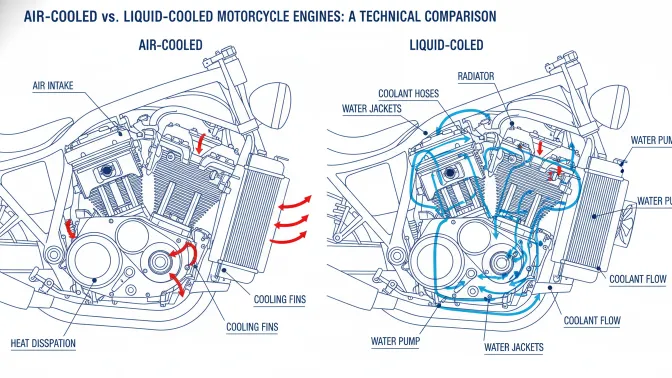
Air-cooled engines use airflow to remove heat. They have fins on the engine that increase surface area so the air can cool it. These engines are simpler and lighter but can struggle in slow traffic or hot weather because airflow is limited.
Liquid-cooled engines use a coolant that flows through tubes around the engine. This coolant absorbs heat and moves it to a radiator, where air cools it down. Liquid cooling keeps temperatures more consistent, even in tough conditions. The system is more complex and requires extra parts like a pump and radiator, but it offers better protection against overheating.
Importance of Routine Maintenance
Keeping the cooling system in good shape means regular checks and servicing. For liquid-cooled engines, I check coolant levels and look for leaks in hoses. Coolant should be changed as the manufacturer advises to keep it effective.
Air-cooled engines need clear fins and good airflow, so I keep them clean and free of debris. I also watch the oil level because oil helps remove heat inside the engine. Neglecting maintenance can lead to poor cooling performance and engine damage.
Signs of Cooling System Failure
If my bike starts overheating often, that’s a clear sign the cooling system isn’t working. Other signs include:
- Engine warning lights
- Coolant leaks or low coolant levels
- Steam or unusual smells from the engine
- Temperature gauge rising above normal range (150°F to 230°F)
Ignoring these signs can cause serious engine damage. If I notice any of these, I stop riding and get the cooling system checked immediately.
Consequences of Abnormal Engine Temperatures
Engine temperature affects how well a motorcycle runs and protects its parts. When the engine is too hot or too cold, several problems can happen that affect performance and safety. Understanding these issues helps me keep my bike in better shape.
Overheating Risks and Damage
When my motorcycle engine gets hotter than normal, it can cause serious damage. High heat can warp metal parts like the cylinder head or cause the piston to seize. This happens because extreme temperatures weaken engine components, making them more prone to failure.
Overheating also risks breaking down the oil’s ability to protect the engine. Oil can become thin and lose its lubricating power, leading to more friction and wear. If the engine runs too hot for too long, parts like gaskets can fail, causing leaks. In short, overheating puts the engine under mechanical stress that may lead to costly repairs or even engine failure.
Symptoms of Overheating
I watch for signs that my engine is too hot because catching the problem early saves damage. Common symptoms include a rising temperature gauge, steam from the engine area, or a burning smell. The engine might also lose power or run roughly because the parts aren’t working properly at high heat.
Sometimes the bike may stall or feel sluggish. Another warning is coolant leaks or an overheating warning light on modern motorcycles. If I notice these signs, I stop riding and let the engine cool down before checking fluid levels or seeking help.
Effects of Running Too Cold
It might seem good if the engine stays cool, but running too cold can cause problems too. When the engine temperature stays below its normal range, fuel doesn’t burn as efficiently. This can lead to poor mileage and higher emissions.
Cold engines also cause faster wear. The oil is thicker at low temperatures, so it may not flow well enough to lubricate all parts quickly. This increases friction during startup and short trips. Plus, the engine may run rough or stall until it reaches proper operating temperature. It’s important to let the engine warm up to avoid these issues.
Monitoring and Managing Engine Temperature
Keeping your motorcycle engine temperature in the right range is key to avoiding damage and ensuring smooth rides. Staying aware of the engine’s heat levels and following routine care help prevent overheating. Knowing when to call a mechanic can save you from costly repairs later.
Using Temperature Gauges
I always keep an eye on my motorcycle’s temperature gauge when riding. This gauge gives real-time info on the engine’s heat, usually showing normal ranges between 150°F to 230°F (65°C to 110°C). If you notice the needle rising above this, it could mean the engine is working too hard or the cooling system isn’t performing well.
Some motorcycles have warning lights or digital displays that alert you if the engine gets too hot. These signals are important because they can help you avoid sudden breakdowns. I recommend installing an aftermarket temperature gauge if your bike lacks one. You can learn more about effective gauges from trusted sites like RevZilla.
Maintenance Tips for Temperature Control
Regular maintenance is the best way to control engine temperature. I check my coolant levels often since low coolant can cause overheating. Flushing and replacing coolant as the manufacturer suggests keeps the system working well.
Another key part is cleaning or replacing the air filter. A clogged filter restricts airflow, making the engine run hotter. I also inspect the radiator for dirt or damage, ensuring it can cool the engine properly.
Don’t forget oil changes. Fresh oil reduces friction inside the engine, which lowers heat build-up. Following your motorcycle’s service schedule consistently helps avoid temperature issues and increases engine life. For detailed maintenance guidance, websites like Motorcycle Cruiser offer reliable tips.
When to Seek Professional Help
If I spot a temperature spike that doesn’t improve after letting the engine cool, I take it seriously. Consistent overheating might signal problems like a faulty thermostat, broken water pump, or radiator leaks.
Also, if you notice coolant leaks or steam from the engine, stopping and consulting a mechanic is critical. Ignoring these signs risks engine damage or even complete failure.
Professional technicians have the tools to diagnose issues correctly. Getting help early prevents expensive repairs and keeps your bike safe to ride. Remember, engines heat up naturally, but unusual patterns always deserve expert attention.
Engine Temperature in Different Motorcycle Models
Motorcycle engine temperatures vary based on the bike’s design, cooling system, and intended use. Different models handle heat in ways that suit their riding style and engine layout. Understanding these differences helps me keep my bike running right.
Sport Bikes
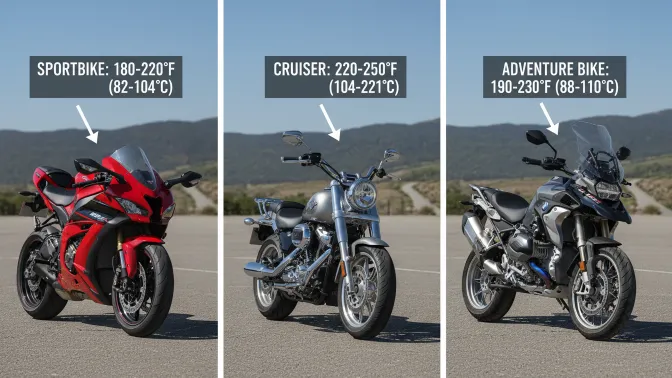
Sport bikes usually have high-performance engines that run hotter due to faster speeds and aggressive riding. Their normal operating temperature is typically between 190°F and 220°F (88°C to 104°C). These engines are often liquid-cooled, allowing them to keep temperature stable even under heavy loads.
I notice that sport bikes heat up quickly but maintain consistent temperature thanks to efficient cooling systems. This balance helps prevent overheating while allowing the engine to reach optimal performance ranges fast.
Cruisers
Cruisers tend to run a bit cooler, often between 160°F and 200°F (71°C to 93°C). Many use air-cooled engines that rely on airflow at lower speeds, which can lead to more temperature variation. Riding in stop-and-go traffic can cause the engine temperature to spike since airflow is limited.
I find it important to watch these temps closely on cruisers, especially in slow traffic or hot weather. The lower temperature range also means the engine warms up more slowly, so I avoid pushing the bike hard before it reaches the right heat level.
Adventure and Touring Motorcycles
Adventure and touring bikes usually have engine temperatures around 180°F to 210°F (82°C to 99°C). These motorcycles use a mix of liquid and air cooling to handle different terrains and conditions. They need to maintain stable temperatures across long rides, sometimes in varying climates.
Because I ride for long distances, I pay attention to how these bikes balance cooling to avoid overheating or running too cool. Maintaining this temperature range protects the engine and ensures smooth power delivery over long trips.
Long-Term Effects of Improper Engine Temperatures
When a motorcycle engine runs too hot for a long time, it can cause serious damage. The metal parts may expand more than they should, leading to wear and tear. Overheating can also break down the engine oil faster, reducing its ability to protect parts from friction. This can cause the engine to degrade quickly.
On the other hand, running too cold is also a problem. If my engine never reaches the normal temperature, the fuel does not burn efficiently. This leads to poor fuel economy and deposits building up inside the engine. Over time, that can cause rough running and reduce engine life.
Here are some common long-term effects of improper engine temperatures:
| Temperature Issue | Possible Effects |
|---|---|
| Overheating | Engine wear, oil breakdown, warped parts |
| Running cold | Poor fuel efficiency, carbon buildup, engine corrosion |
Both extremes affect performance and reliability. I always monitor my engine temperature to avoid these issues. Correct temperature helps the engine last longer and run better. Proper maintenance and riding habits also play a big role in keeping temperatures within safe limits.
FAQs
What is the normal temperature range for my motorcycle engine?
I find that most motorcycle engines run between 180°F and 220°F during normal riding. Some engines can reach up to 250°F in heavy traffic or hot weather without issue. Staying within this range helps the engine work efficiently.
Can my engine get too hot?
Yes, engines can overheat if the temperature goes beyond safe limits. Overheating risks damaging parts and lowering performance. If your engine feels unusually hot or you see warning signs, such as a temperature gauge in the red, it’s time to stop and cool down.
What affects engine temperature?
Several things influence engine heat: weather conditions, riding style, engine type, and cooling system. For example, riding slowly in traffic or in hot climates raises engine temperature more than steady-speed highway riding.
Here is a simple way to understand engine temperatures:
| Temperature (°F) | Meaning |
|---|---|
| Below 150 | Engine may be cold |
| 180 – 220 | Normal operating range |
| 220 – 250 | High but usually safe |
| Above 250 | Risk of overheating |
How can I keep my engine temperature in check?
I always check my coolant levels and keep my radiator clean. Avoid heavy loads and stop riding if the engine starts overheating. Using good oil and regular maintenance also helps manage temperature.
Conclusion
When I look at motorcycle engine temperatures, I see that the normal range is usually between 140°F and 230°F (60°C to 110°C). This range keeps the engine running efficiently and prevents damage from overheating. Some engines might hit up to 250°F, but that’s generally the higher edge and not typical for daily riding.
I pay close attention to engine heat because it affects both the bike’s performance and my safety. If the engine gets too hot, it can cause mechanical issues or even engine failure. On the other hand, too low a temperature means the engine isn’t running efficiently.
To keep things safe, I watch for these signs:
- Unusual temperature spikes above 230–250°F
- Exhaust smoke or strange smells
- Decreased engine power
Maintaining the cooling system and doing regular checks helps me manage engine temperature well. Riding habits matter too; for example, stopping in traffic or riding in hot weather can increase engine heat. Adjusting how I ride in those conditions helps prevent overheating.
By knowing the normal engine temperature and staying alert to changes, I can keep my motorcycle in good shape. This makes every ride smoother and protects the engine’s life over time.