Motorcycle maintenance is key to keeping your bike safe and running well. When it comes to servicing, there are two main types to know: minor and major. A minor service covers basic checks and quick maintenance, while a major service goes deeper by inspecting and fixing multiple systems to ensure long-term reliability.
Minor services happen more often and focus on things like oil changes, checking fluids, and cleaning the chain. Major services take longer and include detailed inspections, replacements, and adjustments that go beyond routine care. Understanding the difference helps you keep your motorcycle in top shape and avoid costly repairs later.
Knowing when to schedule each type of service is important for your bike’s health. By following the right service intervals, you ensure your motorcycle runs smoothly and lasts longer.
Key Takeways
- Minor service involves basic maintenance and quick checks.
- Major service includes thorough inspections and system repairs.
- Proper timing of services improves bike safety and performance.
Defining Major and Minor Motorcycle Service
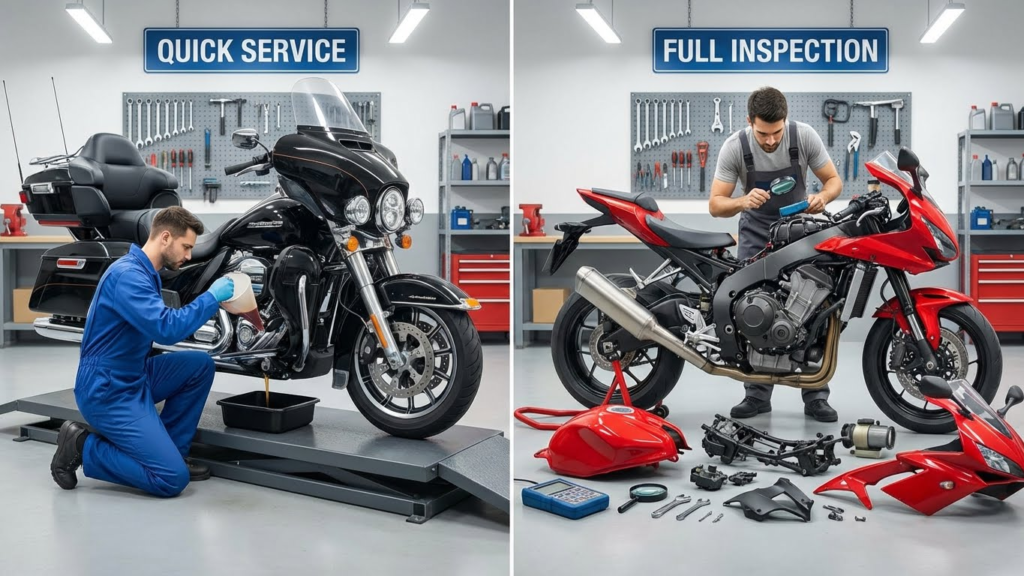
I find it important to understand exactly what each type of motorcycle service involves. Knowing the specific tasks helps me decide when my bike needs routine maintenance or a deep check-up. Both minor and major services have clear roles based on what parts are checked and the time or distance since the last service.
Explanation of Minor Service
A minor motorcycle service focuses mainly on basic checks and maintenance that keep the bike running smoothly in the short term. This usually includes changing the engine oil and the oil filter. I also check brake fluid levels and may top them up. Inspecting brake pads is part of the process, and I get warned if they need replacement soon.
Lubricating moving parts like the chain is standard. Mostly, these tasks prevent sudden issues and keep the bike safe. Minor services are more frequent, often done every 1,000 to 3,000 kilometers or as the manufacturer suggests. They are quicker and involve fewer parts than major services.
Explanation of Major Service
Major motorcycle service goes much deeper than a minor one. It includes everything from a minor service but adds a full inspection of many critical systems on the bike. I check things like the cooling system, clutch fluid, cables, and electrical components.
The major service looks for wear and tear that a minor service might miss. It may include changing other filters, adjusting the chain tension precisely, inspecting the suspension, and checking the engine thoroughly. This service is done less frequently, often every 20,000 kilometers or once a year. It takes longer and uses more parts, making it more detailed and comprehensive.
Purpose of Each Service Type
The main goal of a minor service is to maintain basic functions and fluid levels to keep the bike safe and reliable daily. It acts as frequent upkeep to avoid small problems growing.
A major service aims to prevent bigger issues and ensure the motorcycle’s long-term health. It finds wear early and fixes problems before they become costly. Together, these services balance regular maintenance with detailed inspections to protect performance and safety.
| Service Type | Frequency | Focus Areas | Time & Parts Needed |
|---|---|---|---|
| Minor | Every 1,000 – 3,000 km | Oil, fluids, brakes, chain | Short, fewer parts |
| Major | Every 20,000 km or yearly | Full inspection, fluids, cables, suspension | Longer, more parts |
Key Differences Between Minor and Major Service
There are clear differences between minor and major motorcycle services in what gets checked, replaced, and how long each service takes. These differences affect not just cost but also how your bike performs and lasts over time.
Scope of Work
A minor motorcycle service usually covers basic checks and adjustments. This includes oil changes, brake inspections, and checking tire pressure. The goal is to keep the bike running smoothly and safely during normal use.
Major service, on the other hand, is more thorough. It often happens after higher mileage or longer periods and includes everything from the minor service plus detailed inspections of the engine, suspension, and electrical systems. This might involve valve clearance checks, spark plug replacement, and more in-depth adjustments. I find this helps catch any bigger issues before they cause trouble on the road.
Inspection Depth
Minor services look at everyday wear parts to ensure safe riding. For example, I focus on checking brake pads, chain tension, and fluid levels. This level of inspection takes less time and targets common problems.
Major service digs deeper. It checks internal parts like the engine valve clearances, transmission, and clutch system. Parts that wear slower but are essential for engine health also get tested or replaced. This detailed check ensures the bike remains reliable for long trips or heavy use. For technical details on motorcycle servicing intervals, you can visit the Motorcycle Safety Foundation.
Parts and Fluids Replaced
Minor service commonly includes changing the engine oil and oil filter, topping up brake and coolant fluids, and replacing the air filter if needed. These parts tend to wear faster and need regular replacement to avoid damage.
Major service will replace more parts like spark plugs, fuel filters, and sometimes brake fluid or fork oil. The air filter replacement is mandatory here. These parts affect long-term performance and efficiency, so replacing them on schedule prevents costly repairs. I always recommend following the manufacturer’s service schedule to know when these replacements are necessary.
Time and Cost
Minor services generally take less time, often under an hour, and cost less because fewer parts are changed. This makes them more frequent, usually every 5,000 to 10,000 miles or 6 to 12 months.
Major services are longer and more expensive. They can take several hours because of the in-depth work involved. The cost covers labor and additional parts that affect motorcycle health over many miles. Planning for major service means budgeting more but avoiding breakdowns or expensive fixes later. The National Highway Traffic Safety Administration offers advice on maintenance that can help keep costs manageable.
Typical Tasks in Minor Motorcycle Service
A minor motorcycle service covers key tasks that keep the bike running safely and smoothly. It focuses mostly on oil changes, basic safety checks, and topping up important fluids to prevent issues.
Oil and Filter Change
One of the main tasks I focus on during a minor service is changing the engine oil and oil filter. Fresh oil keeps the engine parts lubricated and reduces wear. Over time, old oil becomes dirty and less effective, which can harm the engine.
I drain the old oil completely before replacing the oil filter. The filter traps dirt and metal particles, so changing it ensures clean oil circulates through the engine. Using the right oil type and quantity is important, as specified by the manufacturer.
This step takes less time than other services but is crucial. Skipping it can lead to engine damage and costly repairs later.
Basic Safety Checks
I always check the brake pads and discs for wear. If the pads are thin, it’s a sign they need replacing soon. I also inspect cables, lights, and the horn to make sure they work right.
Tightening nuts, bolts, and fasteners is part of this, too. Loose parts can cause hazards or damage while riding. I examine the tires for tread depth and pressure because these affect grip and control.
Lubricating the chain is another key check. A dry or rusty chain wears faster and can break unexpectedly.
Fluid Top-Ups
During minor servicing, I check fluid levels and top them up if needed. Brake fluid is especially important because low levels affect stopping power. I also look at the clutch fluid if your bike uses a hydraulic clutch.
Coolant levels get checked when applicable. Keeping these fluids at proper levels prevents overheating, corrosion, and brake failure.
Top-ups are quick but vital actions to maintain safety and smooth motorcycle operation. Ignoring these fluids can lead to more serious problems down the road.
Procedures Included in Major Motorcycle Service
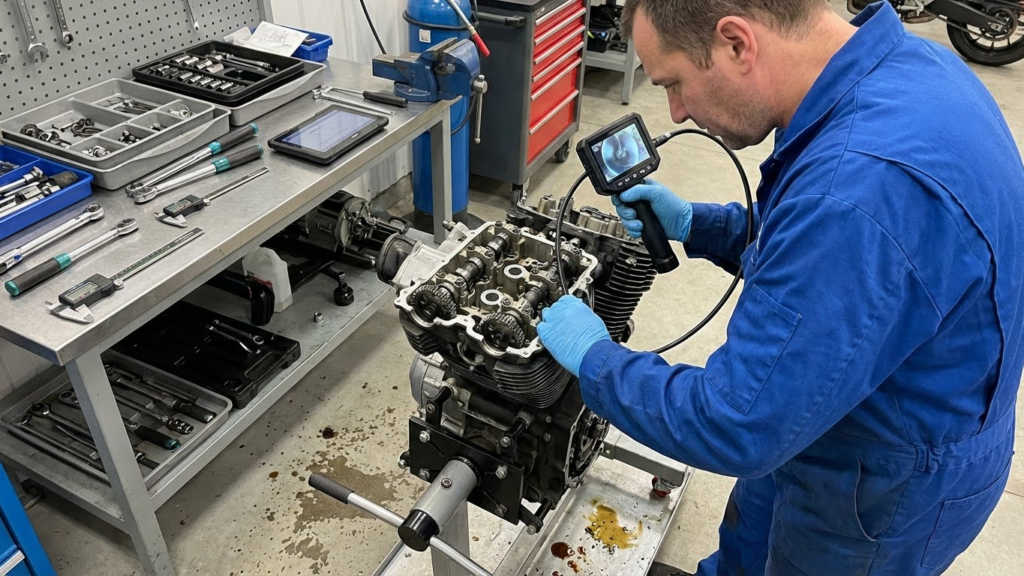
A major motorcycle service covers detailed checks and adjustments, going much deeper than routine maintenance. It focuses on key engine parts, safety components, and overall bike performance, ensuring everything runs smoothly and lasts longer.
Valve Clearance Adjustment
One important step I always check during a major service is the valve clearance. Valves control the flow of air and fuel into the engine and the release of exhaust gases. If the clearance is off, the engine can lose power or suffer damage over time.
To adjust the valves, I remove the valve covers and measure the gap with a feeler gauge. If the gap is too wide or too tight, I adjust it to the manufacturer’s specifications. This keeps the engine running efficiently and helps prevent noisy or uneven engine performance. Valve adjustments are less common in minor services but essential in a major one to maintain engine health.
Full System Inspection
A thorough inspection of every system on the bike sets a major service apart from a minor one. I check brakes, suspension, steering, electrical wiring, and even the frame for any damage or wear.
This process includes testing brake pads and discs for thickness and condition, checking the suspension for leaks or stiffness, and ensuring all lights and indicators work properly. Cables and hoses get examined for cracks or signs of wear. This level of inspection helps catch problems early before they turn into expensive repairs or safety risks.
Comprehensive Lubrication
Lubrication in a major service goes beyond just changing the engine oil. I grease all moving parts, including the chain, cables, bearings, and pivots. Proper lubrication reduces friction and wear, improving the bike’s lifespan.
Most minor services include basic lubrication, but a major service involves a deep clean of the chain and applying fresh, thick lubricant to extend its life. I also lubricate parts like kickstands, linkage points, and cables to keep everything moving smoothly. This step prevents rust and keeps controls responsive.
Replacement of Critical Components
In a major service, some parts get replaced based on their condition or recommended intervals. I typically change the oil filter, air filter, and spark plugs during this service to keep the engine running clean and spark ignition efficient.
I also look at wear parts like brake pads and drive chains to decide if they need replacing. These components wear with use and affect safety and performance. Replacing them at the right time avoids breakdowns and improves riding comfort. Minor services usually don’t replace as many parts, focusing more on checks.
When to Schedule Minor or Major Service
Knowing the right time to schedule minor or major service can save you money and reduce wear on your motorcycle. It often depends on how far you’ve ridden and the conditions you ride in.
Mileage and Time Intervals
I usually follow the manufacturer’s recommended mileage for service. Minor services generally happen every 5,000 to 7,500 miles. This keeps basic checks like oil, brakes, and tires up to date. Major services come less often, about every 15,000 to 30,000 miles. These are more thorough and include tasks like valve adjustments and replacing important parts.
It’s also good to consider time, even if the mileage isn’t reached. I make sure my bike gets a service at least once a year, especially if it’s not ridden often. This keeps fluids fresh and parts from drying out or rusting.
Riding Style and Conditions
Where and how you ride affects when you need service. If I ride mostly in the city with lots of stop-and-go traffic, I schedule services earlier. This type of riding puts more stress on brakes and the engine.
If I ride on highways or longer trips, I still stick to the regular intervals but pay close attention to oil and tire condition. Riding on dirt roads or in wet weather means I clean and check my bike more often. Harsh conditions speed up wear and mean I might need services sooner than normal.
Adjusting your service schedule based on your riding habits helps avoid bigger problems. I keep track of the conditions I ride in to decide if I need to schedule service earlier.
Benefits of Proper Motorcycle Maintenance
Proper maintenance keeps your bike running smoothly, safe to ride, and protected from costly repairs. Paying attention to regular service needs helps avoid breakdowns and keeps your bike’s parts in good shape.
Prolonging Engine Life
When I stick to a regular maintenance schedule, my motorcycle’s engine lasts much longer. Changing the oil and filters removes dirt and metal particles that wear down engine parts. Over time, this prevents serious damage and reduces the chance of engine failure.
Keeping fluid levels right, like coolant and brake fluid, also helps. These fluids manage heat and keep components working well. I check and replace them as needed during service to avoid overheating or corrosion.
If you want to learn more about engine care, this guide offers clear tips on how proper maintenance impacts engine health.
Ensuring Safety
Safety is a top reason I take good care of my bike. Regular checks on brakes, tires, and cables make sure everything functions correctly. Small issues, like worn brake pads or low tire pressure, can cause accidents if ignored.
I also inspect electrical parts, like lights and signals. Properly working lights improve visibility on the road. Maintenance catches problems early so I can fix them before they become a hazard.
Many motorcycle maintenance guides highlight that safety checks during service are essential. A link to national safety standards will show you why these are key parts of every service.
Preserving Warranty
Following the maintenance schedule is often required to keep a bike’s warranty valid. I know if I skip minor or major services, the manufacturer might refuse to cover repairs under warranty.
That means if a part wears out but I didn’t get it checked or replaced at the right time, I could end up paying the full cost. Staying on top of services protects me from those expenses.
It’s important to keep detailed service records. These prove you followed proper care steps if you ever need warranty support. Many manufacturers explain their requirements clearly on their websites, such as Honda’s maintenance tips.
Selecting a Qualified Service Provider
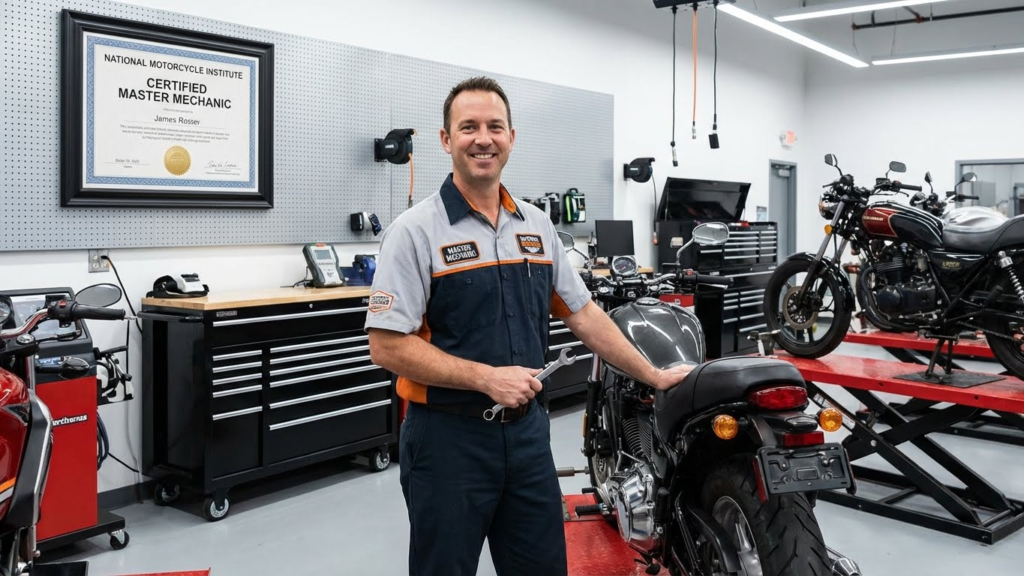
Choosing the right place to service your motorcycle affects how well the work is done and how long your bike performs at its best. I focus on two main things: the skill of the technicians and the quality of the service records. Both are key in making sure your bike gets the care it needs.
Importance of Certified Technicians
I always look for service providers with certified technicians. Certified means they have the proper training and knowledge specific to motorcycles, often gained through manufacturer programs or recognized technical schools. This ensures they understand the exact needs of both minor and major services.
A certified technician knows how to handle parts like the engine, brakes, and fluids correctly. They are also trained to spot potential issues before they get serious. When technicians are certified, it lowers the risk of mistakes and unnecessary repairs, saving me time and money.
It’s important to ask the shop if their staff has certifications and experience with your specific motorcycle make and model. This can make a big difference in the quality of the service.
Service Documentation
I pay close attention to the service documentation a provider offers. A good shop will provide detailed records of all work done during both minor and major services. This documentation should include what was checked, repaired, or replaced, along with dates and mileage.
Keeping a clear service history is important for warranty claims and resale value. It also helps me track when the next service is due. Some providers use digital records, which can be easier to access and harder to lose.
When I get service documents, I review them to ensure everything promised was completed. If there are recommendations for future work, I note those down carefully. Good documentation shows me that the service provider is thorough and professional.
Conclusion
I see minor and major motorcycle services as two important parts of keeping a bike in good shape. A minor service focuses on basic checks and maintenance like oil changes, lubricating the chain, and inspecting fluids. It usually happens more often and helps catch small issues early.
Major services go deeper. They include everything in a minor service but add a full inspection of brakes, engine, electrical parts, and more. This type of service is less frequent but more thorough. It helps prevent bigger problems by checking and replacing worn parts.
Key differences in brief:
| Aspect | Minor Service | Major Service |
|---|---|---|
| Frequency | Every 1,000-3,000 km | Every 10,000-20,000 km |
| Tasks Included | Oil change, fluid checks | Full system inspection, part replacements |
| Cost | Lower | Higher |
Both services are essential. I recommend following the bike’s service schedule. Skipping either can lead to problems on the road and more expensive repairs later.
I believe investing in regular servicing saves time and money in the long run. It also keeps the bike safe and performing well. Whether you do the minor service yourself or use a mechanic, making service part of your routine is key.
FAQs
What does a minor motorcycle service include?
A minor service usually focuses on oil and filter changes. I also check brake fluid levels, brake pads, and lubricate key parts like the chain. It is a quick check-up to keep the bike running smoothly.
How often should I get a minor service?
Minor services are often done every 5,000 to 10,000 kilometers or more often if the bike is used hard. It depends on your bike’s manual. I follow the schedule to avoid bigger problems later.
What is covered in a major motorcycle service?
A major service is more detailed. It includes everything in a minor service plus checks on cables, electrical parts, and sometimes adjusting valves. It usually takes longer and costs more than a minor service.
When do I need a major service?
Most motorcycles need a major service around every 20,000 kilometers or once a year. I treat it as a full check to find issues early and keep the bike safe.
Is a major service more expensive?
Yes, a major service can cost several times more than a minor one. This is because it takes more time and tests more components. I budget for this to avoid surprise bills.
Can I do minor services myself?
Some parts of minor services, like changing oil or lubricating the chain, can be done at home if you have the right tools. However, I usually recommend professionals for thorough checks and safety.
Conclusion
I know that keeping your motorcycle in good shape means knowing when to get a minor or major service. A minor service is quick and focuses on basic checks like changing the oil, topping up fluids, and inspecting brake pads. It’s useful for regular upkeep and happens more often, usually every 1,000 to 3,000 kilometers.
A major service takes more time and goes deeper. It covers everything in a minor service but adds detailed inspections of many parts and systems. This includes checking cables, the clutch, electrical components, and other key items to ensure safety and performance.
Both types of service are important. Minor services help maintain your bike’s daily function, while major services catch bigger issues before they become serious problems. I find that following the schedule suggested by the manufacturer keeps my motorcycle running smoothly.
To help you decide, here’s a quick comparison:
| Service Type | Frequency | Main Focus | Time Required |
|---|---|---|---|
| Minor Service | More often (1,000–3,000 km) | Oil changes, fluid levels, brake checks | Shorter, routine |
| Major Service | Less often (depends on mileage) | Full system inspection and maintenance | Longer, detailed |
In my experience, sticking to both services helps avoid costly repairs and improves safety. Regular care keeps your motorcycle reliable for every ride.