You’ll feel the effects fast if you skip scheduled servicing on your motorcycle. Minor issues like low tire pressure, worn brake pads, or old oil can turn into sudden breakdowns, higher repair bills, or unsafe riding conditions. If you don’t service your bike, you raise the chance of mechanical failure, reduce its resale value, and may void warranty protections.
I’ll walk you through the specific problems that crop up when you skip maintenance, how they affect safety and costs, and the simple checks that save time and money. Keep reading to spot warning signs early and avoid repairs that could have been prevented.
Key Takeaways
- Regular servicing prevents sudden failures and keeps the bike safe to ride.
- Skipping maintenance increases repair costs and speeds up wear on key parts.
- Simple inspections and timely oil and brake care protect value and reliability.
Importance of Regular Motorcycle Servicing
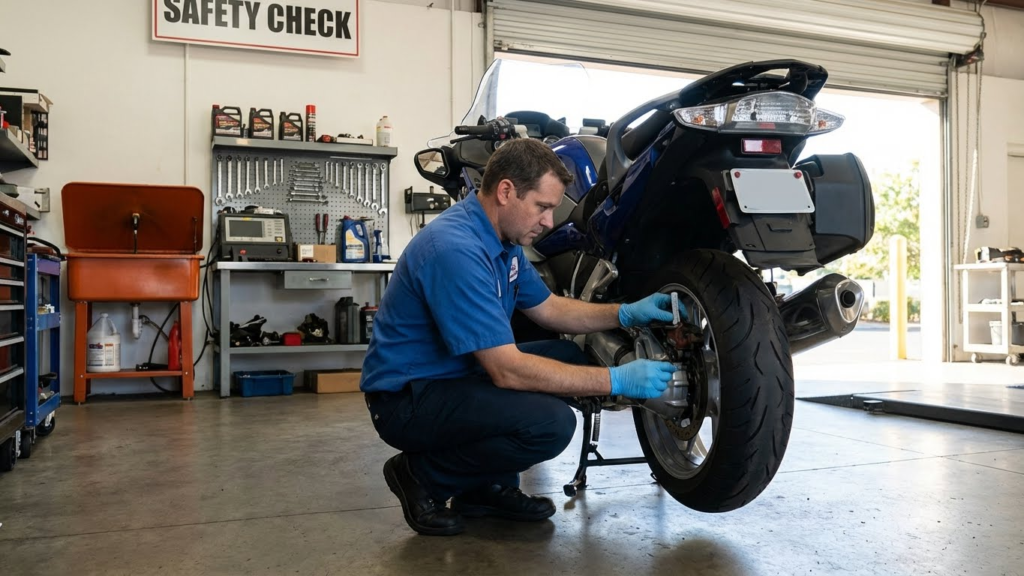
Regular servicing keeps critical parts inspected, fluids fresh, and wear items replaced so the bike stays safe, reliable, and within warranty. I focus on brakes, tires, chain, fluids, and electrical checks because those items most affect daily riding and repair costs.
Ensuring Safety on the Road
I inspect brakes, brake lines, and pads to keep stopping distance short and predictable. Worn pads, soft brake levers, or contaminated fluid can sharply reduce stopping power and cause a crash.
I check tire tread, pressure, and sidewalls before rides. Low pressure or bald tires reduce grip and increase the chance of a slide, especially in wet conditions.
I test lights, signals, and horn on every service. A blown headlight, dead tail light, or faulty indicator makes me less visible and risks collisions.
I also look for loose fasteners and frame cracks. A loose axle nut or a cracked subframe can cause sudden failures at speed.
Maintaining Optimal Performance
I change engine oil and filters on schedule to prevent metal wear and oil breakdown. Fresh oil keeps engine parts lubricated and reduces overheating and friction.
I adjust the chain and check sprockets for wear. A loose or worn chain can skip, snap, or damage the gearbox.
I tune the carburetor or fuel injection and clean air filters. Proper fuel delivery and air flow keep throttle response sharp and fuel economy reasonable.
I inspect cooling systems and coolant level on liquid-cooled bikes. Overheating harms the engine and leads to expensive repairs.
I also check battery health and charging output. A weak battery or charging fault can leave me stranded.
Protecting Manufacturer Warranty
I follow the service intervals in the owner’s manual and keep receipts and service records. Manufacturers often require documented routine maintenance to honor warranty claims.
I use specified fluids and parts when the warranty requires them. Using incorrect oil or aftermarket parts can be grounds for denial of coverage.
I bring up potential issues early in service visits. If I delay repairs and a covered component fails later, the manufacturer may refuse warranty coverage due to neglect.
I make sure the service entries clearly state mileage and work performed. Clear records remove doubt when I submit a claim.
Potential Engine Damage From Missed Maintenance
I’ll explain the main engine risks that come from skipping scheduled motorcycle care. Missing oil and coolant checks, neglecting filters, or letting fuel sit can quietly cause big, costly failures.
Oil Degradation and Engine Wear
I rely on clean oil to protect bearings, cams, and piston rings. Old oil loses viscosity and detergent additives, so it stops cushioning moving parts and allowing heat to transfer away. That raises metal-on-metal wear and can cause scored cylinder walls or stuck piston rings.
Sludge and varnish form when oil breaks down. These deposits block oil passages and the oil pickup, starving the oil pump and causing low oil pressure. Low pressure often shows as knocking, higher oil temperature, and faster wear.
I recommend changing oil and filter at the intervals in the owner’s manual. For more on oil types and change intervals, I refer readers to manufacturer guidance and technical resources like the Motorcycle Safety Foundation and OEM service pages.
Cooling System Failures
I count on the cooling system to keep combustion temperatures in check. When coolant degrades or hoses age, the system loses capacity and can leak. Air pockets and scale from old coolant reduce heat transfer and raise engine temperatures.
Overheating warps heads, ruins head gaskets, and can score cylinders. A failed thermostat or clogged radiator makes the problem worse by preventing normal coolant flow. Modern bikes with liquid cooling can fail faster than air-cooled bikes once cooling is compromised.
I inspect hoses, coolant level, and radiator fins regularly. For how-to procedures and coolant specs, I use guidance from official service manuals and trusted sites like the AMA (American Motorcyclist Association).
Impaired Fuel System Function
I treat clean fuel and filters as essential for precise combustion. Old or contaminated petrol gums up carburetors and injectors, causing poor spray patterns, lean conditions, and misfires. Ethanol-blended fuels attract water, which causes corrosion and phase separation in tanks.
Clogged fuel filters and injectors reduce flow and create hot spots in the engine that increase knock risk. I also watch for stuck float valves or sediment in the tank that feeds the pump; those issues can cause stalls or vapor lock.
I replace fuel filters, use fuel stabilizer if the bike stores fuel, and clean injectors or carbs as needed. For injector cleaning tips and ethanol fuel guidance, reputable sources like government energy sites and motorcycle manufacturer advisories help me stay accurate.
Impact on Brake and Suspension Components
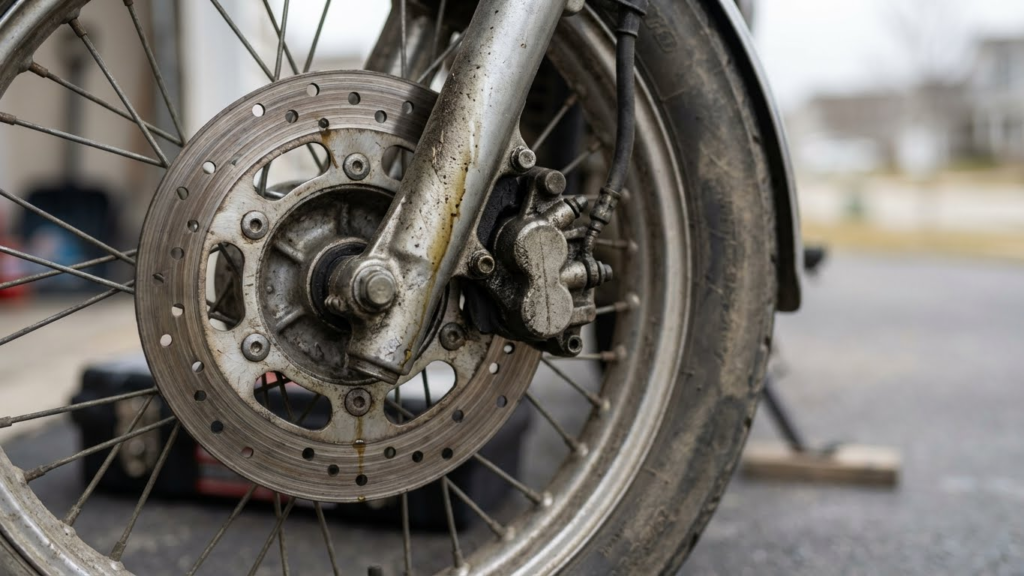
I see brake and suspension damage early when a bike skips regular service. Ignored pads, fluid, and worn shocks lead to longer stops, uneven tire wear, and a rough, unstable ride.
Reduced Braking Efficiency
When I skip brake service, pads thin and rotors glaze or warp. Thin pads reduce friction, so my stopping distance grows and braking feels spongy. Warped rotors make the lever or pedal pulse under hard braking.
Brake fluid ages too. Moisture in old fluid lowers boiling point and causes vapor lock under heat. That gives me a soft lever and loss of braking power in long descents.
Look for signs: longer stop distances, a vibrating lever, squeal or grinding noises, and dark or cloudy brake fluid. I replace pads, resurface or replace rotors, and flush fluid on the recommended schedule to restore firm, reliable braking.
Premature Wear on Suspension
If I ignore forks, shocks, and linkage, seals dry and leak, letting oil escape. Loss of damping oil means the fork bottoms out easily and the rear shock bounces more, which stresses bearings and swingarm bushings.
Worn suspension changes geometry and tire contact patches. That causes irregular tire wear and loads parts like wheel bearings and the frame more heavily. I also see creaks, clunks, and poor control over bumps.
Service includes replacing seals, fresh oil in forks, and inspecting shock mounts. Doing this prevents costly damage to linkage, forks, and tires, and keeps steering precise.
Compromised Ride Comfort
Poorly maintained brakes and suspension make rides tiring and unsafe. I feel every bump, and small road imperfections turn into jolts. Longer trips become uncomfortable and increase rider fatigue.
A leaking fork or worn shock amplifies vibrations and transmits them to my hands and spine. That reduces my control and makes precise inputs harder, especially in corners or emergency maneuvers.
Simple fixes—pad replacement, fluid flush, fork oil change, and shock inspection—bring back smoothness. I notice improved comfort immediately and reduce strain on other bike components.
Electrical and Battery Issues Over Time
I focus on how a neglected motorcycle battery and wiring cause real trouble: the battery will lose capacity and parts of the electrical system can fail, often when you need the bike most.
Decreased Battery Life
I see batteries lose charge faster when a bike sits or skips service. Heat, vibration, and sulfation from low charge make the battery hold less energy. That means slower cranking, long starts, and eventual no-starts.
I recommend checking resting voltage with a multimeter; under 12.4 V signals partial discharge. If you ride only short trips, the alternator may not fully recharge the battery, so capacity falls over weeks or months.
Simple steps cut risk: keep terminals clean, secure the battery, and use a smart charger or tender during storage. Replacing a failing battery early avoids being stranded and often costs much less than repeated jump-starts or towing.
Electrical System Malfunctions
I find that poor battery health stresses the alternator and regulators. When voltage fluctuates, lights dim or flicker, horn and indicators may act up, and electronic ignition or fuel injection can misbehave.
Parasitic drains from alarms, USB ports, or aging wiring slowly pull the battery down. Corroded terminals and loose grounds add resistance, causing heat and intermittent faults that are hard to trace.
I troubleshoot by isolating drains, testing charging output (around 13.5–14.5 V while running), and inspecting connectors for corrosion. Tightening grounds and replacing damaged wiring fixes many problems.
Increased Repair Costs and Depreciation
I’ll explain how skipping service raises the money you spend later and how it cuts what your bike is worth. Expect higher repair bills from worsening problems and a lower resale price because of visible wear and missed maintenance.
Higher Long-Term Expenses
When I skip routine service, small issues grow into major repairs. A worn chain that I don’t lubricate can stretch, damaging sprockets and the gearbox. Replacing just the chain is cheap; replacing chain, sprockets, and fixing transmission damage costs much more.
Neglected oil and filter changes let sludge build up. That speeds wear on bearings and the engine, and I may need a top-end rebuild or full engine replacement sooner than with proper service. Brake fluid and coolant left unchanged can corrode parts, leading to caliper or radiator replacement.
Regular maintenance catches wear early. That keeps parts like tires, brake pads, and fork seals from failing unexpectedly. Paying for scheduled service is usually far cheaper than covering multiple major repairs that result from neglect.
Lower Resale Value
If I don’t service my motorcycle, buyers notice service gaps in the logbook and on the bike itself. Faded paint, corroded bolts, worn grips, and a dirty chain signal poor care. Prospective buyers lower their offers to cover expected repairs.
Mechanical history matters too. Missing receipts for oil, valves, or valve-clearance checks raises doubts about engine health. Even if the bike runs, buyers often demand steep discounts or refuse to buy without an inspection. Dealers and private buyers typically reduce value by several hundred to several thousand dollars depending on model and condition.
Keeping service records and replacing worn items on schedule preserves value. A well-documented maintenance history makes negotiating easier and helps me get a fairer price when I sell.
Environmental and Legal Consequences
Not servicing a motorcycle can raise pollution levels and trigger legal trouble. I explain how worn parts and missed checks can increase emissions and create roadworthiness violations that may lead to fines or failed inspections.
Excessive Emissions
When I skip tune-ups, the engine can run rich or burn oil, which raises hydrocarbons and particulate emissions. Clogged air filters, worn spark plugs, or a poorly adjusted carburetor/fuel injection system all change combustion and increase tailpipe smoke.
Modern bikes have catalytic converters and sensors that need working inputs to control emissions. A failing oxygen sensor or damaged converter means higher outputs and possible failed emissions tests. For details on local limits and test procedures, I check resources like the EPA’s emissions guidance and my state DMV website.
Reducing emissions usually requires simple fixes: fresh air filters, correct spark plugs, clean injectors, and timely oil changes. These steps cut pollutants and often avoid costly repairs later.
Potential Roadworthiness Violations
I risk legal consequences if my bike isn’t roadworthy. Many states require vehicles to meet safety and emissions standards; riding with faulty brakes, broken lights, or excessive noise can lead to fines or orders to repair. Inspectors may fail a motorcycle for visible defects or abnormal emissions, which can block registration renewal.
Neglected maintenance can also void warranty coverage and complicate insurance claims after an incident. To learn specific legal rules, I refer to my state’s motor vehicle department and, for federal enforcement context, the EPA’s civil enforcement information.
Keeping up with scheduled service keeps my motorcycle within legal limits and reduces chances of citations or registration issues.
Signs Your Motorcycle Needs Immediate Service

I watch for sounds, starting problems, and dashboard warnings because these signs often mean a repair can’t wait. Catching them early prevents breakdowns and keeps my bike safe.
Unusual Noises or Vibrations
I act fast when I hear knocking, grinding, or rattling. A knocking from the engine can mean low oil pressure, worn bearings, or a damaged piston. Grinding or squealing at the wheels points to worn brake pads or a stuck caliper. A metallic rattle from the exhaust or frame may signal a loose heat shield, broken mount, or failing fastener.
Vibrations through the handlebars or seat that grow with speed often come from unbalanced tires, bent rims, or worn wheel bearings. If vibrations change when I brake, the rotors or calipers could be warped. I avoid riding long with these symptoms because they can worsen quickly and lead to unsafe handling.
Difficulty Starting
When my motorcycle struggles to start, I check a few specific items right away. Rapid clicking or no crank usually shows a weak battery, corroded terminals, or a bad starter relay. Slow cranking can mean a low battery, poor ground, or a failing starter motor.
If the engine cranks but won’t catch, I inspect the fuel supply, spark plugs, and ignition system. A flooded engine, clogged fuel filter, bad fuel pump, or fouled plugs can stop ignition. Cold starts that fail only when the engine is cold may suggest choke or fuel injection issues. I get diagnostics done rather than guessing, because repeated start attempts can drain the battery or damage the starter.
Warning Lights on Dashboard
I never ignore a lit warning light, even if the bike feels fine. A check-engine light points to engine or emission problems and can cover fuel, ignition, or sensor failures. Traction-control or ABS lights indicate those safety systems are offline; riding without them raises crash risk, especially in wet or slippery conditions.
Oil-pressure, coolant-temperature, or battery-charge lights require immediate attention. Low oil pressure risks engine seizure. High temperature can mean low coolant, a stuck thermostat, or a failing fan. A battery-charge warning suggests alternator or rectifier trouble that can leave me stranded. I note the specific light, stop safely, and read codes with a scanner or have a mechanic check it.
Long-Term Effects of Neglecting Motorcycle Maintenance
I see small issues turn into big, expensive problems when maintenance is skipped. Parts wear faster, so bearings, chains, and brakes can fail sooner than expected. That raises repair costs and can leave me stranded.
Neglect speeds corrosion and fluid breakdown. Old oil, coolant, and brake fluid lose protection, which damages engines and hydraulic systems over time. Batteries that sit unused or uncharged may die and need replacement.
I risk reduced safety and performance. Worn brakes and tires lengthen stopping distances and lower grip. Suspension and steering parts that go unchecked make handling unpredictable.
Warranty and resale value suffer too. Manufacturers often void warranties when service records are missing. A poorly maintained bike fetches a lower price and is harder to sell.
Common long-term failures I watch for:
- Engine seizure from neglected oil changes
- Cracked rubber parts and seals from age and heat
- Fuel system gumming and carburetor/EFI issues after long storage
- Rusted exhaust and frame corrosion in exposed areas
I track service intervals and keep records to avoid these outcomes. Regular checks and timely service cost less than major repairs and keep my bike safer and more reliable.
FAQs
Will skipping service void my warranty?
I check my owner’s manual and follow the schedule. Many manufacturers require service at set intervals to keep the warranty valid. If I miss those, the dealer can deny warranty claims.
Can I still ride if I miss a service?
Short trips may be okay, but I avoid long or fast rides until basic items like oil and brakes are checked. Small delays can become bigger problems quickly.
What are the first things to fail?
Oil degradation, battery drain, and brake pad wear show up early. Tires and chain wear also worsen if I don’t keep up with service.
How long before serious damage occurs?
There’s no fixed time, but weeks to months of neglect raises risk. Oil-related engine wear can start after several thousand miles or when oil is heavily contaminated.
Can I do my own service safely?
I can do basic tasks like oil changes and chain maintenance if I learn proper steps. I take care: wrong torque, poor parts, or missed items can cause failures.
What if I can’t afford service right now?
I prioritize critical items: brakes, tires, oil, and lights. I look for lower-cost shops or ask about payment plans rather than skipping everything.
How does skipping service affect safety?
Neglected brakes, tires, or suspension reduce control and increase crash risk. I treat safety items as non-negotiable.
Conclusion
I’ve shown how skipping service affects safety, cost, and reliability. Small problems grow fast when left alone. That usually means higher repair bills and more time off the road.
I keep routine checks simple: oil, brakes, chain, and battery. These items wear out predictably, and I catch problems early when I stay on schedule. That lowers the chance of breakdowns and accidents.
Warranty loss is a real risk if I skip manufacturer service rules. That can leave me paying for major repairs that would have been covered. I weigh that cost when deciding to delay service.
If I can’t do the work myself, I budget for professional service. Minor preventive work often costs much less than fixing a failed part after it causes more damage. I prefer small, regular expenses over large, unexpected ones.
Quick checklist I follow:
- Change oil and filter on schedule.
- Inspect brakes and tires regularly.
- Maintain battery and fluid levels.
- Clean and adjust the chain.
I choose routine care because it keeps my bike safer and more reliable. Regular service protects my investment and reduces stress when I ride.