You expect your motorcycle to run cool, but engines can get too hot for a few clear reasons. I’ll show you that most overheating comes from cooling system problems, wrong oil or low oil, poor air-fuel mix, mechanical wear, or riding and weather that push the engine beyond its limits. Knowing these will help you spot trouble before you get stranded.
I’ll walk you through how cooling works, the common parts that fail, and the riding habits that raise risk. You’ll learn quick checks and simple fixes so you can keep riding with confidence.
Key Takeaways
- Cooling system faults and low-quality or low oil cause most overheating.
- Bad air-fuel mix, worn parts, and hard riding increase heat quickly.
- Simple checks and habits can prevent costly engine damage.
How Motorcycle Engine Cooling Works
I explain how engines move heat away from hot parts, how different cooling systems do that, and how fluids and riding load change temperatures.
Air-Cooled vs. Liquid-Cooled Engines
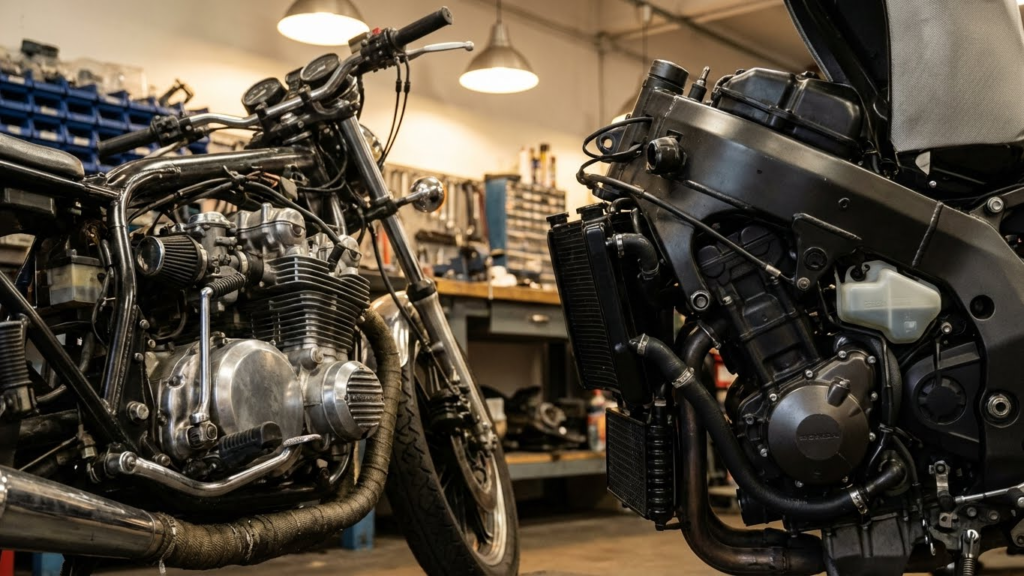
I check airflow and surface area on air-cooled engines. Fins on the cylinder and head increase surface area so moving air strips heat away. At low speeds or in traffic, airflow drops and the engine runs hotter. Oil helps carry heat from internal parts, but it cannot replace steady airflow.
Liquid-cooled engines use a closed coolant loop and a radiator. Coolant picks up heat at the cylinder head and block, runs to the radiator, and releases heat to passing air. A thermostat controls flow; fans kick in at low speeds. Liquid systems keep temperature steadier across varied riding conditions, but they add parts that can leak or fail.
Role of Coolant and Oil
I treat coolant as the main heat carrier in liquid systems. Ethylene-glycol or propylene-glycol mixes raise boiling point and prevent corrosion. Low coolant level, wrong mix, or leaks reduce heat transfer and let temperatures spike. I always check hoses, radiator fins, and the overflow tank for signs of problems.
Oil lubricates moving parts and also transfers heat from pistons and bearings. Old or thin oil loses its heat-carrying ability. Low oil level raises friction and local hot spots. Regular oil changes with the correct grade keep both lubrication and heat control working.
Thermal Regulation Under Load
I note that engine load raises heat generation. High RPMs, long uphill runs, or towing increase combustion heat and friction. Cooling systems must match that heat output to keep temps safe.
Thermostats, fans, and coolant flow rate adjust to heavier loads. If any of those parts fail, the system can’t keep up and temperature climbs. Riding technique matters: steady high speed helps airflow, while stop-and-go or hard pulls demand good cooling maintenance.
Primary Causes of Motorcycle Engine Overheating
I will explain the main mechanical reasons an engine runs too hot so you can spot and fix them quickly. Focus on coolant level, thermostat and radiator function, and cooling fins condition to narrow down the problem.
Insufficient Coolant Levels
Low coolant is the simplest cause I check first. If the coolant reservoir or radiator is below the minimum mark, the liquid cooling system can’t carry heat away from the engine fast enough. That leads to rising temperatures, especially in traffic or on long climbs.
I look for visible leaks, damaged hoses, or a loose radiator cap as common sources of loss. Contaminated or old coolant also reduces heat transfer, so I follow the manufacturer’s change interval and use the specified mixture. For more on correct coolant types and schedules, I consult the owner’s manual and resources like the EPA’s coolant guidelines.
Adding the right coolant to the proper level usually restores normal temps, but persistent loss means pressure-test the system or inspect the head gasket.
Faulty Thermostat or Radiator
A stuck thermostat or a clogged radiator will stop coolant circulation even if the level is correct. I test the thermostat by noting how fast the bike reaches and holds operating temperature; a bike that runs hot then cycles oddly often points to a thermostat that won’t open.
Radiators can clog internally with scale or externally with dirt and bug gunk. I rinse external fins gently with low-pressure water and use a radiator flush or professional service for internal blockages. Electric fans and the radiator cap’s pressure rating also matter; a bad fan or wrong cap pressure can raise boil point or stop cooling under low airflow. For radiator maintenance tips, I reference technical guides like those from motorcycle manufacturers.
Blocked or Damaged Cooling Fins
Air-cooled engines and oil-cooled heads rely on clean, undamaged fins to shed heat. I inspect fins for bent, clogged, or broken sections when a bike overheats without coolant issues. Road grime, mud, and packed debris reduce airflow and thermal contact.
Straightening bent fins with care and cleaning between them restores airflow. If fins are cracked or heavily corroded, the metal’s ability to transfer heat drops and may require part replacement. I also check that auxiliary airflow paths—ducts, shrouds, and fan intake—are clear so air reaches the fins efficiently.
Lubrication Issues and Their Effects
I explain how oil problems raise engine temperature, damage parts, and cut ride time. Fixing oil level and type prevents overheating and long-term wear.
Low Engine Oil
I check oil level before long rides because low oil reduces lubrication and raises friction. Less oil means thinner film between moving parts, so bearings and piston walls run hotter and wear faster.
Low oil also hurts oil cooling. Oil carries heat away from the crank and cam. When the sump is low, less oil circulates and the engine loses its ability to move heat to the oil cooler or radiator.
Watch for signs: rising temperature gauge, ticking from valve trains, reduced oil pressure light. I top off to the manufacturer’s mark, use the dipstick correctly, and inspect for leaks or burning oil that indicate underlying problems.
Use of Incorrect Oil Type
I always follow the owner’s manual for viscosity and oil spec. Using oil that’s too thin at operating temperature fails to maintain the protective film, increasing metal-to-metal contact and heat.
Using oil that’s too thick can restrict flow at startup and through narrow passages, causing poor circulation and localized overheating. Wrong additives or non-approved synthetic blends can harm wet clutches or gaskets.
To avoid trouble, match grade (e.g., 10W-40) and spec (JASO MA for many bikes). Change oil at recommended intervals and use OEM or reputable brands. If I shop for alternatives, I compare labels to the manual so the oil protects cooling and lubrication.
Riding Habits That Increase Overheating Risk
I focus on the riding mistakes I see that force an engine to make more heat than it can lose. Small choices like leaving the bike idling or pushing it hard in hot conditions raise the chance of overheating quickly.
Prolonged Idling
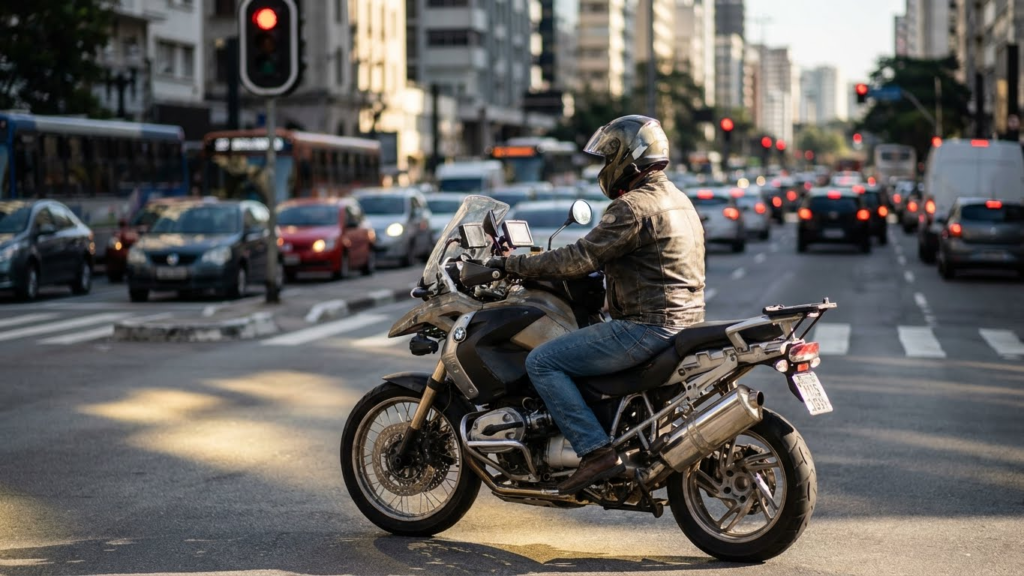
I avoid long idling because the engine makes heat but the bike gets little airflow. At stoplights, traffic jams, or when warming up, the cooling fan or airflow may not move enough air through the radiator or across fins. That lets coolant and oil temperatures climb.
If I must idle, I watch the temperature gauge and shift the bike to neutral only when necessary. I turn the engine off if stopped for several minutes and it’s safe to do so. For liquid-cooled bikes, I make sure the fan comes on at the right temp; if it doesn’t, I inspect the fan motor, relay, and coolant level.
For air-cooled bikes, I avoid long idles because the fins rely on forward motion. I keep the bike moving slowly when possible, and I park in shade to reduce heat soak when stopped.
Aggressive Riding in Hot Weather
I know hot ambient temps reduce the margin for engine heat. When air temperature is high, I avoid lugging the engine—riding in too-high gear at low RPMs—which forces high load and heat buildup. I also avoid long periods near redline in traffic or on steep climbs.
I use smoother throttle inputs and shift earlier to keep RPMs in the sweet spot. I ease off aggressive launches and long hard pulls that send coolant and oil temps up quickly. On very hot days, I reduce load by traveling lighter, limiting passenger or cargo weight, and choosing cooler times to ride.
I check oil and coolant more often in summer. Lower fluid levels or degraded oil cut cooling efficiency, so I replace or top up fluids before a long, hot ride.
Mechanical Failures and Component Wear
I focus on parts that stop moving or lose sealing. These failures cut coolant flow or let combustion heat hit metal directly. That raises engine temperature fast and can cause major damage if not fixed.
Stuck Valves or Pistons
I check valves and pistons first because a stuck valve or piston changes combustion pressure and heat transfer. A valve that won’t close fully lets hot gases escape into the head or intake, heating the cylinder head and nearby coolant passages. A piston that skirts or seizes raises friction and dumps extra heat into the cylinder walls.
Common causes I see are carbon build-up, bent valves from timing failures, or lack of lubrication. Symptoms include loss of power, rough idle, misfires, white or blue smoke, and rapid temperature rise under load. Diagnosis needs a compression or leak-down test and a visual inspection of the valve train or cylinder via a borescope. Fixes vary: cleaning and valve adjustment for carbon, replacing bent valves or pistons, and restoring proper oil pressure for lubrication problems.
Worn-Out Water Pump
I treat a failing water pump as an urgent repair because it moves coolant through the engine and radiator. When the pump’s impeller wears or the shaft seal leaks, coolant flow drops and hot spots form inside the block and head. Air can enter the cooling loop through a bad seal, which reduces cooling and causes the gauge to spike under load.
Signs I watch for are coolant leaks at the pump, a loose or noisy bearing, reduced heater performance, and bubbling in the coolant reservoir. Testing includes checking flow rate (with the thermostat open) and inspecting for play in the pump shaft. Replacement is usually required when the impeller is eroded or bearings fail. I also recommend flushing the cooling system and changing the thermostat when replacing the pump to prevent recurring issues.
Environmental and External Factors
I focus on outside conditions that push the cooling system beyond its limits and raise engine temperature fast. Two common causes are air temperature and stop-and-go traffic, each affecting heat buildup differently.
High Ambient Temperatures
Hot air reduces the radiator’s ability to shed heat because cooler air passing through the fins is what carries heat away. When ambient temperature rises above 30–35°C (86–95°F), I see coolant return temps climb and the thermostat open for longer, so the engine runs hotter even at normal loads.
Riding in desert conditions or during heat waves also lowers the margin for error. I check coolant mix and fan operation more often in summer. If you want manufacturer guidance on coolant specs and safe operating ranges, the EPA and vehicle maker service manuals give reliable data and procedures (for example, see EPA vehicle maintenance guidance and your bike’s service manual).
I recommend shading the bike when parked and avoiding long idling in extreme heat. A clean radiator and correct coolant concentration help the system cope with hotter air.
Heavy Traffic Conditions
Stop-and-go traffic cuts airflow through the radiator and reduces convective cooling. When I sit at red lights or creep in congested lanes, the fan must run longer and the engine works harder just to maintain idle temperature.
Slow speeds also increase oil and coolant temps because neither gets consistent circulation. I watch coolant temp at idle; if it rises quickly, clogged fins, weak fans, or low coolant volume are likely culprits. For practical fan testing and radiator care tips, reputable sources like manufacturer service guides and motorcycle maintenance sites explain steps to inspect fan relays and clear debris.
When I expect long commutes in traffic, I lower steady RPMs, shift earlier, and ensure the cooling system is flushed and topped up before the commute.
Impact of Engine Modifications
I focus on two common changes riders make: swapping the exhaust and tuning the engine. Both can raise engine temps if done without matching cooling or fueling upgrades.
Aftermarket Exhaust Systems
I often see aftermarket exhausts that reduce backpressure and change how hot the engine runs. A free-flowing header can let the engine breathe better, but it also lets hot exhaust gases exit faster, which can raise combustion temperatures. This matters most on single- and twin-cylinder bikes where cooling capacity is already tight.
If you fit a less restrictive exhaust, you should check the air/fuel mixture and cooling parts. I recommend upgrading the radiator (or adding an oil cooler) and using a heat-resistant gasket or wrap where needed. Watch for higher idle temps and reduced low-end torque; these signs show the system changed engine load and heat distribution.
Performance Tuning
When I tune for more power—like remapping the ECU, rejetting a carburetor, or raising compression—engine heat usually increases. Lean tuning (too much air, not enough fuel) is a common culprit that drives combustion temperatures up and risks valve or piston damage.
I always balance any power tune with cooling and fueling fixes. That means richer fuel maps under heavy load, higher-grade engine oil, and checking spark timing for knock. I also monitor exhaust gas temps (EGT) after changes. A steady rise in EGTs by 50–100°F under load signals that I need to adjust fueling or add cooling capacity.
Preventing Engine Overheating
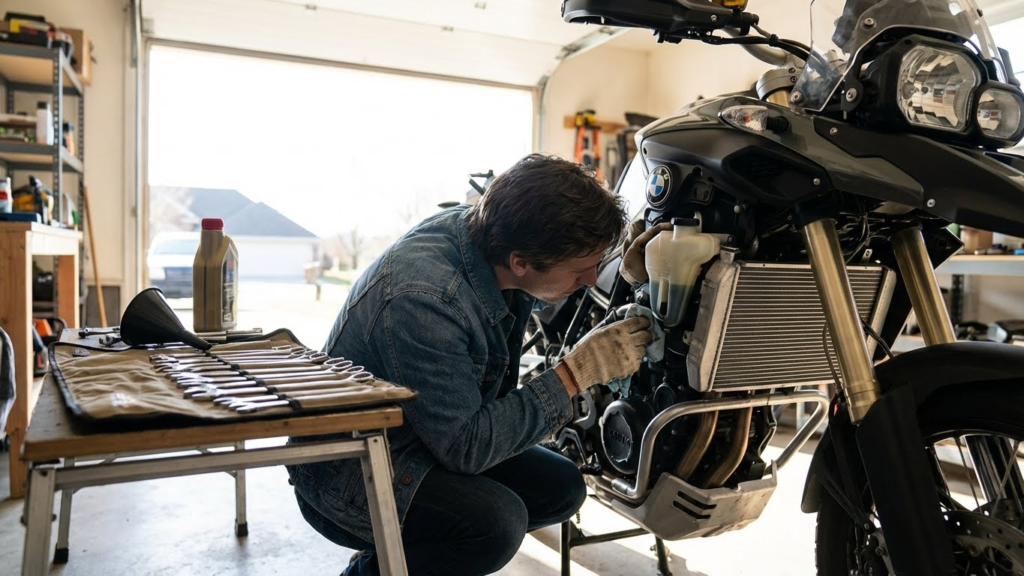
I check fluids often and keep oil fresh to lower friction and heat. Low or dirty oil raises engine temperature, so I follow the owner’s schedule for oil and filter changes.
I inspect the cooling system regularly. For liquid-cooled bikes I watch coolant level and hoses; for air-cooled bikes I keep fins and airflow paths clean. A clogged radiator or bent cooling fins can cut cooling efficiency fast.
I tune the engine and carburetor to the correct air-fuel mix. A lean mix makes the engine run hotter, so I adjust carburetion or fuel-injection settings when needed. I also replace worn spark plugs and ignition parts to keep combustion normal.
I watch riding habits and conditions. I avoid long idling in heavy traffic and delay long rides on very hot days. Slower speeds, shaded stops, and shorter runs cut heat build-up.
I use the right parts and fluids for my bike. That means the correct coolant mix, quality oil grade, and a good thermostat or fan. I replace a failing fan, damaged thermostat, or worn water pump promptly.
Quick checklist:
- Check oil and coolant levels every 500–1,000 miles.
- Clean radiator fins and airflow paths monthly.
- Service fuel and ignition systems per manual.
- Replace faulty cooling components immediately.
These steps reduce the risk of overheating and help the engine run cooler and last longer.
Long-Term Consequences of Overheating
I have seen engines suffer when they run too hot for long periods. Persistent overheating can warp the cylinder head and damage the gasket between the head and block. That leads to leaks and loss of compression.
I’ve noticed heated metal expands and contracts unevenly. This can crack heads, pistons, or exhaust valves, causing costly repairs. Small cracks often grow and make the engine unreliable.
I often find oil breaks down faster under high heat. Thinner, degraded oil gives less protection and speeds wear on bearings and camshafts. That raises the risk of bearing failure and noisy operation.
I track cooling system failures after repeated overheating. Radiators, hoses, and water pumps wear out sooner. Corrosion and scale build-up reduce cooling efficiency and raise repair bills.
Common long-term signs I’ve observed:
- Reduced power and poor fuel economy.
- Frequent coolant loss and mixing of oil and coolant.
- Persistent knocking or tapping sounds.
I use bold to highlight critical outcomes: head warping, blown head gasket, and bearing damage. These problems often require engine rebuilds or full replacements. Addressing overheating early can prevent these expensive failures.
FAQs
I get asked which signs mean a bike is overheating.
Watch the temperature gauge, look for steam, and notice strong burning smells. I also pay attention to a sudden drop in engine power.
Can I keep riding if the engine is hot?
I avoid riding when the engine runs hot. Stopping in a safe spot and letting it cool prevents more damage.
What common parts cause overheating?
Low coolant, a clogged radiator, a failing fan, bad oil, or wrong carburetor tuning often cause heat issues. I check these items first.
How do I test the cooling system?
I inspect coolant level and condition, look for leaks, and ensure the fan runs. A simple pressure test can reveal hidden leaks.
Will oil choice affect engine temperature?
Yes. I use the manufacturer’s recommended oil grade. Thin or low-quality oil can raise operating temperature.
Can improper tuning make engines hotter?
Absolutely. A lean air-fuel mix or vacuum leaks can make combustion hotter. I fine-tune the carburetor or fuel injection when needed.
What immediate steps stop overheating?
I turn off the bike, let it idle in neutral if safe, and move out of heavy traffic. I never open a hot radiator cap.
Do I need a mechanic?
If basic checks don’t fix it, I take the bike to a mechanic. Internal problems like warped heads or blown gaskets need professional repair.
Conclusion
I looked at the most common causes of motorcycle overheating and found they fall into a few clear groups: cooling system problems, wrong air-fuel mix or tuning, poor oil or low oil level, and heavy rider use or extreme conditions. Each issue raises engine temperature in a predictable way and usually shows warning signs early.
I recommend simple checks you can do quickly. Inspect coolant levels and hoses, clean the radiator or air passages, check oil condition and level, and confirm the carburetor or fuel injection is set correctly. Riding habits matter too — avoid sustained high-load riding in hot weather when possible.
If basic checks don’t fix the issue, I suggest a shop diagnosis. They can test the thermostat, radiator cap pressure, cooling fan operation, and look for head gasket or combustion problems that raise peak temperatures. Fixing the root cause prevents damage.
I trust routine maintenance and prompt repairs will keep your engine in the right temperature range. Small, regular actions reduce the risk of major failures and keep your bike reliable and safe.