You want a clear answer: service most motorcycles about every 5,000 miles or once a year, whichever comes first, but always check your owner’s manual for your exact model. Follow the manual and a basic 5,000-mile / annual schedule to avoid breakdowns and costly repairs.
I’ll show what routine checks matter, how weather and riding style change the schedule, and the warning signs that mean you need service right away. That way you can spend more time riding and less time fixing avoidable problems.
Key Takeaways
- Stick to a manufacturer-based schedule, typically ~5,000 miles or yearly.
- Do simple routine checks often and address seasonal needs promptly.
- Get service immediately if you notice unusual noises, leaks, or handling changes.
Recommended Motorcycle Service Intervals
I focus on the exact schedules manufacturers give, how different bike types usually need service, and when to change intervals based on miles and riding conditions.
Factory Suggested Maintenance Schedules
I always start with the owner’s manual. Manufacturers list specific intervals for oil changes, valve checks, drive chain care, brake fluid, and major inspections. These are usually shown as both mileage and time—examples: oil every 3,000–6,000 miles or every 6 months, and valve checks every 6,000–12,000 miles.
Follow those numbers for warranty compliance and predictable wear limits. If the manual gives a service checklist, use it: it often names parts, torque specs, and fluid types. I note the recommended service at 500–1,000 miles too—this “break-in” check is common.
Typical Service Frequency for Different Motorcycle Types
Cruisers and touring bikes usually need oil and filter service every 4,000–6,000 miles. I check final drive (shaft/drive belt) less often—around 12,000–24,000 miles—unless the manual says otherwise.
Sportbikes often call for tighter valve clearances and more frequent oil changes, typically 3,000–5,000 miles. I inspect tires and chain more often because higher speeds and hard cornering increase wear.
Dual-sport and adventure bikes ridden off-road require more frequent air filter cleaning and chain attention; I might service the air filter after each hard trail day and the oil every 3,000–4,000 miles.
Adjusting Service Intervals Based on Mileage
I shorten intervals when I exceed typical annual miles. If I ride 10,000+ miles a year, I move oil and brake-fluid changes to earlier mileage points and check valve clearances more often.
I also shorten intervals for severe use: lots of short trips, canyon rides, towing, heavy loads, or dusty/off-road conditions. For low-usage bikes I still follow the time-based limits—fluids age even if miles are low, so I stick to time or mileage, whichever comes first.
Quick checklist I follow:
- Use manual first.
- Add 20–30% more frequent checks for severe use.
- Stick to time limits (usually 1 year) even with low miles.
Essential Routine Maintenance Tasks
I keep a few key checks on my bike every month so it stays safe and reliable. These checks focus on the engine oil, brakes, and the drive chain — the parts that wear fastest and most affect ride safety.
Oil and Filter Changes
I change engine oil and the oil filter based on my motorcycle’s manual and riding conditions. For many bikes that means every 3,000–5,000 miles (4,800–8,000 km) for conventional oil and up to 7,000–10,000 miles (11,000–16,000 km) for synthetic oil. I also factor in time: if oil is more than 12 months old, I replace it regardless of miles.
When I change oil I warm the engine briefly, drain the oil completely, replace the filter, and refill to the correct level and grade. I always use the oil viscosity and type the manufacturer recommends. For model-specific intervals and fluids I check the owner’s manual or a trusted source like the Motorcycle Safety Foundation or the bikemaker’s service pages.
Brake System Examination
I inspect brake pads, discs, and fluid every 1,000 miles or before any long trip. I measure pad thickness; if pads are at or below the minimum thickness stamped on them (usually 1–2 mm for many bikes) I replace them. I look for scoring, warping, or rust on rotors and check calipers for stuck pistons.
I also check brake fluid color and level. Brake fluid usually needs replacing every 1–2 years because it absorbs moisture. I follow DOT ratings on the reservoir cap and use fresh fluid of the correct DOT spec. For how-to details and safety guidance I consult manufacturer service guides or the Motorcycle Safety Foundation resources.
Chain and Sprocket Care
I clean, lube, and check chain tension every 300–600 miles, and after any wet or salty ride. I use a brush and solvent to remove grime, then apply chain lube evenly while rotating the wheel. Proper slack varies by model; I set tension to the range in my owner’s manual and measure at the chain midpoint.
I inspect sprockets for hooked or worn teeth. If the chain or sprockets show significant wear or tight spots, I replace the entire kit rather than mixing new and old components. That prevents rapid wear and keeps power transfer smooth. For torque specs and exact slack numbers I reference the service manual or the manufacturer’s online maintenance pages.
Seasonal and Environmental Considerations
I focus on how weather and storage change service needs. Cold, heat, salt, and long idle periods all mean different checks and timing.
Servicing for Different Riding Conditions
I adjust service intervals based on riding environment and style. If I ride daily in stop-and-go city traffic, I check oil and air filter every 3,000–4,000 miles because short trips foul oil faster. For long highway rides, I still change oil around 5,000 miles but inspect the chain, sprockets, and tires more often due to sustained high speeds.
Riding in wet or salty conditions forces more frequent corrosion control. I rinse the bike after salty roads, apply lubricant to pivot points, and inspect brake pads and rotors every 1,500–2,000 miles. In dusty or off-road use, I clean or replace the air filter every few rides and check fork seals and wheel bearings more often.
Hot climates need coolant checks and careful tire pressure monitoring; I reduce pressure-check intervals to weekly during heat waves. Cold climates require battery checks and thicker oils or additives recommended by the manual. I always follow the owner’s manual but tighten my schedule based on real-world conditions.
Motorcycle Maintenance Before and After Storage
When I store a bike for weeks or months, I prepare it to prevent damage and make restart easier. I fill the tank and add a fuel stabilizer, then run the engine a few minutes to circulate treated fuel. I change the oil if due, because used oil holds contaminants that can harm the engine during long idle periods.
I disconnect or use a smart charger on the battery to prevent discharge. I elevate the bike or use stands to avoid flat spots on tires and set tire pressure slightly higher than normal. I clean the bike, coat exposed metal with a light lubricant, and cover it with a breathable cloth.
On return, I inspect fluid levels, reconnect the battery, and check tires and brakes. I run the engine and watch for unusual noises or leaks, then take a short test ride to confirm normal operation before regular use.
Signs Your Motorcycle Needs Immediate Servicing
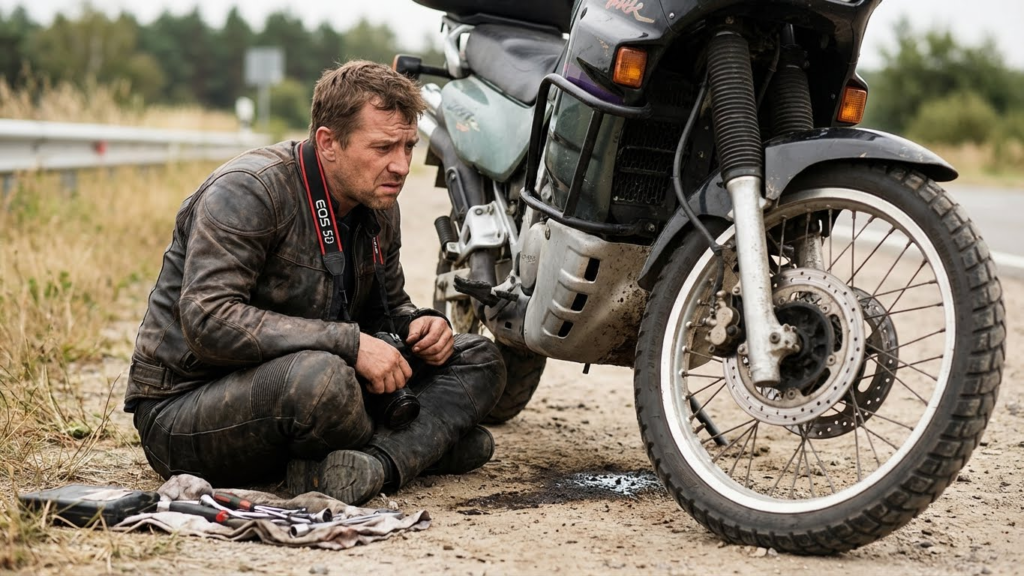
I watch my bike for clear, specific problems that mean it needs a mechanic now. Pay attention to sounds, feel, and how the engine and controls respond.
Unusual Noises or Vibrations
If I hear knocking, grinding, or rattling from the engine, I stop riding and check immediately. Knocking under load or a persistent metallic grind often means internal engine or transmission trouble. Squeaks from the drive chain or belt, and knocking from wheel bearings, need prompt attention to prevent a breakdown.
Strong or new vibrations through the handlebars or footpegs—especially above certain speeds—can indicate wheel imbalance, bent rim, bad tire, or failing suspension components. Minor vibration at idle can point to a misfire or loose mount. I note when the noise started, how it changes with speed, and whether it occurs under braking, acceleration, or constant throttle; those details help diagnose the cause.
Changes in Performance or Handling
When my bike loses power, stalls, or has slow throttle response, I treat it as urgent. Sudden hesitation or misfires can be caused by fuel delivery, ignition faults, or clogged injectors. If the engine struggles to start, that can mean a weak battery, starter issues, or fuel/air problems.
If the steering feels heavy, the bike pulls to one side, or the brakes grab unevenly, I stop riding and inspect tires, brake pads, and alignment. Soft or spongy brakes, sudden brake fade, or sinking forks under braking require immediate service. I record exactly what I felt during the ride and any dashboard warnings; those observations speed up correct repairs.
Long-Term Care and Component Lifespan
I focus on parts that usually last years and how riding habits speed up wear. Proper care and timely checks keep the bike safe and cut repair costs.
Components That Require Less Frequent Replacement
Some parts last a long time if I maintain them. The frame, swingarm, and many engine cases can go tens of thousands of miles with no replacement. Bearings, driveshafts, and major cast parts often only need attention for wear or damage.
I still inspect these items at major services. I check bearings for play, look for cracks in the frame, and watch for oil leaks from engine cases. For belts or chains, the chain needs routine lube and adjustment, while a belt drive can last much longer with few interventions.
Use the manufacturer’s service manual for exact life limits. For technical specs and torque values, I consult factory manuals or reliable sites like the Motorcycle Safety Foundation (https://www.msf-usa.org) and specific OEM documentation.
Impact of Riding Style on Maintenance Needs
How I ride changes how fast parts wear. Aggressive riding—hard acceleration, frequent redlines, and heavy braking—raises engine, brake, and tire wear. Touring at steady speeds stresses the drivetrain less but exposes tires to long-hour heat cycles.
Off-road or track use shortens service intervals. Dirt and water force more frequent air filter, oil, and brake checks. Track days demand more frequent brake pad, brake fluid, and tire checks, often before every event.
I adjust service schedules based on use. If I ride hard or carry heavy loads, I shorten oil, chain, and brake inspections. For recommended intervals under varied use, I reference OEM schedules and maintenance guides like those on authoritative manufacturer sites.
Benefits of Regular Motorcycle Servicing
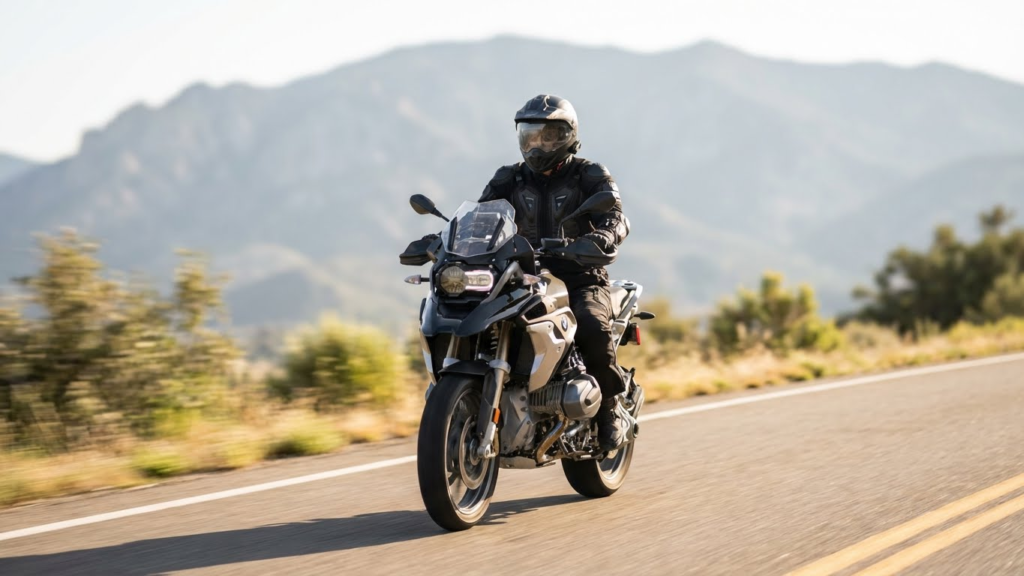
Regular servicing keeps critical systems checked, worn parts replaced, and fluids fresh. This reduces the chance of breakdowns, helps maintain resale value, and keeps the bike safe and efficient to ride.
Enhancing Safety and Reliability
I check brakes, tires, lights, and suspension at service intervals because those parts directly affect my stopping power and stability. Brake pads wear down and brake fluid absorbs moisture, so replacing them on schedule preserves braking performance and reduces the risk of brake fade.
Tire pressure and tread wear change with use, so I inspect tires monthly and replace them when tread or age becomes unsafe. Regular oil and filter changes keep the engine lubricated and running at correct temperatures, which lowers the chance of engine seizure or costly mechanical failure.
I also have the mechanic tighten fasteners and inspect the chain or driveline. Small loose parts can cause big failures on the road. Routine checks catch leaks, electrical faults, and worn bearings before they leave me stranded.
Retaining Motorcycle Value
I follow the manufacturer’s service schedule and keep receipts to document maintenance for future buyers. A complete service history shows the bike got proper care, which usually increases buyer confidence and trade-in offers.
Replacing items at the right time — like tires, brake pads, and fluids — prevents secondary damage that would lower value. For example, neglected oil changes can damage the engine and cut resale value dramatically.
I also prefer shops that provide itemized invoices and parts lists. Clear records make it easier to prove what was done and when, which helps me negotiate a better price when I sell or trade the bike.
FAQs
What if I ride only seasonally or store the bike?
I service before and after storage. I check battery, fluids, tires, and chain at those times to avoid problems when I start riding again.
Do riding style and conditions change the schedule?
Yes. I service more often for daily commuting, long trips, towing, or off-road use. Heat, dust, and heavy loads shorten service intervals.
Which checks should I do more often at home?
I check tire pressure monthly and oil level every few rides. Brakes, lights, and chain tension get a quick look weekly when I can.
When should I take it to a mechanic?
I go to a shop when the manual calls for a major interval, or if I hear unusual noises, notice leaks, or lose performance. I also use a mechanic if I lack tools or experience.
Quick reference (typical):
- Oil & chain: every 4,000–5,000 miles or 6–12 months
- Tire pressure: monthly
- Full service: yearly or per manual
I follow these steps to keep my bike safe and reliable.
Conclusion
I recommend following your motorcycle maker’s service schedule first. That schedule matches the bike’s parts and design, so it gives the best baseline for oil changes, valve checks, and major inspections.
I also check my bike more often when I ride hard, commute daily, or store it for winter. Small tasks between services—tire pressure, chain tension, fluid levels—keep me safe and catch problems early.
If I ride in heat, rain, or off-road, I shorten service intervals. If I mostly cruise on smooth roads, I can stick closer to the manual’s longer intervals. Use your riding style to adjust the basic schedule.
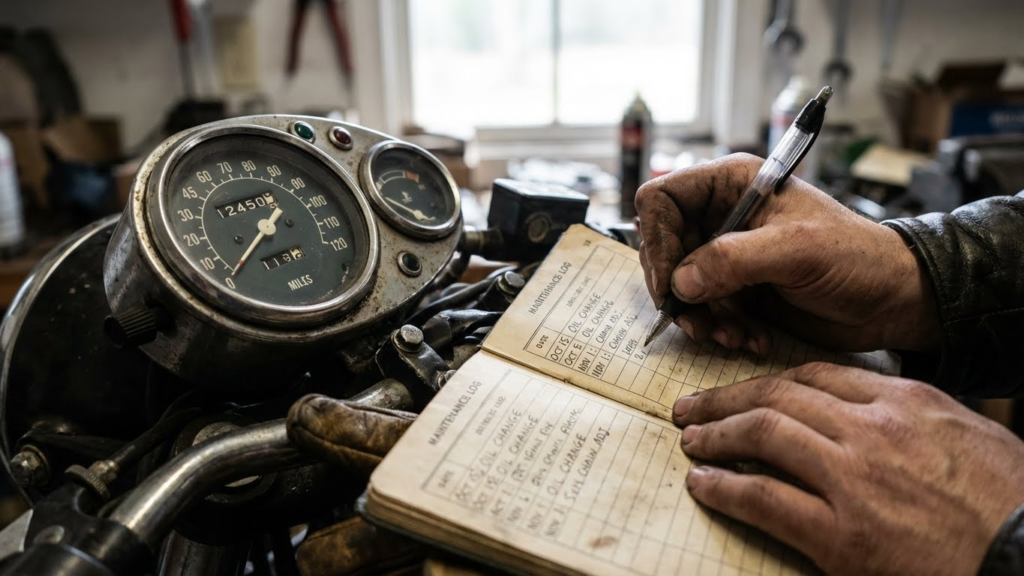
I keep a simple log with date, mileage, and work done. This helps me spot trends and proves maintenance if I ever sell the bike.
Key checklist I use:
- Monthly: tire pressure and lights
- Every 4–6 months or 4,000 miles: oil and basic inspection
- Yearly or as manual suggests: full service, fluids, brake check
When in doubt, I take the bike to a trusted mechanic. A professional can find issues I might miss and keep the bike reliable.