
You can expect a motorcycle battery to last about 2 to 5 years most of the time, though some batteries fail sooner and a few outlive that range. I’ve seen batteries that hold strong for over five years when you ride regularly, store them properly, and pick a higher-quality type like AGM or lithium.
If you ride only on weekends or leave the bike idle for months, the battery will wear faster and need more care. I’ll show what shortens battery life, how to spot a dying battery, and simple steps you can take to stretch its life so you avoid getting stranded.
Key Takeaways
- Average service life typically falls between two and five years.
- Usage, storage, and battery type strongly affect longevity.
- Regular checks and smart charging significantly extend battery life.
Average Lifespan of a Motorcycle Battery
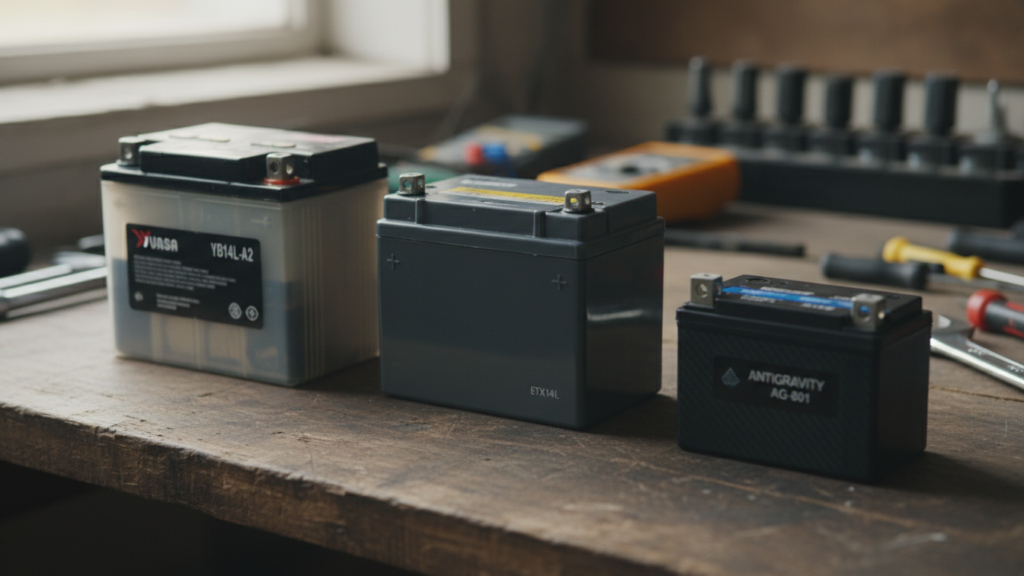
I’ll break down how long different motorcycle batteries usually last, how factory and aftermarket units compare, and how riding and storage habits change those numbers.
Typical Duration by Battery Type
Lead-acid (flooded) batteries commonly last about 2 to 4 years under regular use. They tolerate deep discharges poorly and need more frequent topping-up of electrolyte and maintenance charging.
AGM (Absorbent Glass Mat) batteries typically last 3 to 5 years. They resist vibration and self-discharge better than flooded types, so they hold voltage longer between rides and handle tougher conditions.
Lithium (LiFePO4) batteries can last 4 to 8 years when used correctly. They offer higher cycle life and weight savings but need a compatible charging system and a low-voltage cutoff to avoid damage.
Factory vs. Aftermarket Batteries
Factory batteries usually match the bike’s original specs and often use lower-cost flooded designs. They work fine for average riders but might need replacement sooner if you ride short trips or live in extreme climates.
Aftermarket batteries offer choices: higher-capacity flooded units, AGM upgrades, or lithium swaps. I recommend checking cold cranking amps (CCA) and physical fit. A quality aftermarket AGM or lithium from a trusted brand can outlast a cheap factory unit by a year or two.
Be cautious with cheap imports. They may list high amp-hour (Ah) or CCA numbers but cut corners on cell quality and internal design. Warranty length and seller reputation matter when comparing options.
Impact of Usage Patterns
Short, frequent rides prevent full charging and shorten battery life. I see batteries fail early when a bike is ridden in 5–10 minute trips daily because the alternator never brings the battery back to full charge.
Long rides and highway use keep the battery healthy by maintaining a full charge. Regular charging during storage and using a smart charger or maintainer helps batteries last through winter or long idle periods.
Climate matters: hot weather speeds chemical degradation, while cold reduces starting performance and demands higher CCA. Heavy accessory use (heated grips, lights, audio) raises discharge and can require a higher-capacity battery or more frequent charging.
Factors Affecting Motorcycle Battery Longevity
I focus on the main factors that shorten or lengthen battery life: the climate where you store and ride, how often you ride, how you maintain the battery, and how many electrical accessories you run. Each factor changes chemical life, charge cycles, and the chance of deep discharge.
Climate and Environmental Conditions
Cold temperatures reduce a battery’s cranking power and can make starting harder, especially below freezing. Lead-acid batteries lose capacity in cold weather, while extreme heat speeds up chemical breakdown and water loss. I recommend keeping a bike in a dry, temperature-controlled space when possible.
Humidity and salt air also corrode terminals and case vents. I clean and protect terminals with dielectric grease and check for white or green corrosion monthly if I ride near the coast. For long storage, I use a smart charger and move the battery indoors to avoid freeze damage and evaporation.
For technical details on temperature impacts, I refer to resources like the Battery University guide on battery performance and the Motorcycle Safety Foundation for storage tips.
Frequency of Use
Daily riders keep batteries healthy by regular charging and short-term power draws being replenished at every ride. If I only ride on weekends or seasonally, the battery can self-discharge or sulfate, especially if left partially charged. A battery that sits discharged for weeks will degrade faster.
Short trips under 15 minutes often don’t let the alternator fully recharge the battery after start-up. I track ride length and use a voltmeter after short trips; if voltage falls below 12.4V at rest, I top it up with a smart charger. For seasonal bikes, I disconnect the battery and put it on a maintainer to preserve charge and prevent sulfation.
Battery Maintenance Practices
Regular checks prevent most premature failures. I inspect electrolyte levels (for flooded types) and keep fluid above the plates, topping with distilled water only when needed. For sealed AGM or lithium batteries, I follow manufacturer service intervals instead of adding water.
Cleaning terminals, tightening hold-downs, and securing vent tubes reduce vibration damage and corrosion. I test resting voltage and load occasionally; a healthy 12.6–12.8V at rest indicates good charge on a 12V lead-acid battery. I use a quality smart charger for storage and never jump-start a weak battery repeatedly without testing.
Battery manufacturers and tech sites like Battery University explain proper charging profiles and maintenance procedures that I follow to extend life.
Electrical Accessories Usage
Adding heated grips, LED driving lights, alarm systems, or GPS units increases parasitic drain and shortens service life if the alternator or ride time can’t replace used charge. I calculate accessory draw: for example, a GPS drawing 0.2–0.5 A over long idle periods can deplete a battery fast.
I wire accessories to a switched power source or use a relay so they only run with the ignition on. For alarms or trackers with constant draw, I measure the standby current and compare it to the battery’s capacity (Ah). If the combined draw is significant, I upgrade to a higher-capacity AGM or use a small dedicated lithium backup.
When adding accessories, I check the bike’s charging output and match battery type to charging system specs to avoid undercharging or overcharging.
Signs That a Motorcycle Battery Needs Replacement

I watch the bike’s behavior to spot bad battery signs early. Pay attention to slow starts, weak lights, and age-related wear so you can replace the battery before it leaves you stranded.
Difficulty Starting the Motorcycle
I notice the starter cranks slowly or just clicks when I press the starter button. If the engine turns over more slowly than usual, that points to low battery voltage rather than a starter motor problem.
A single slow start can occur in cold weather, but repeated slow cranking during normal conditions means the battery is losing capacity. I check voltage with a multimeter; under 12.4 volts at rest suggests a weakened battery. If the bike requires multiple jumps or stalls soon after a jump-start, replacement is needed.
Dimming Headlights and Electronics
I watch the headlights and dash lights while I rev the engine. If the lights brighten when I increase RPM, the charging system is working, but the battery still may be weak.
Dim or flickering lights at idle or when accessories run (heated grips, Bluetooth) show the battery cannot hold steady voltage. I also check electronic glitches—resetting trip meters or odd behavior from the ECU can link to low battery power. These symptoms often come before starting failure.
Battery Age Indicators
I track battery age and service history because most motorcycle batteries last about 2–5 years depending on type and care. I replace batteries near the end of their expected life rather than waiting for failure.
Physical signs also matter. I look for swelling, leaking, corrosion on terminals, or a bloated case—these are clear signs of damage or overcharging and mean immediate replacement. If the battery often needs topping off (for non-sealed types) or fails load tests, I mark it for replacement even if it still starts the bike.
Comparing Motorcycle Battery Types
I focus on lifespan, charging needs, weight, and cost so you can pick the right battery for your bike. I point out trade-offs like maintenance, cold-weather performance, and expected years of service.
Lead-Acid vs. AGM
Lead-acid (flooded) batteries cost the least and are simple to replace. I expect 1–3 years on bikes ridden intermittently and up to 3 years with regular use and careful maintenance. They need upright mounting, periodic electrolyte checks, and slow charging when low.
AGM (Absorbent Glass Mat) is a sealed lead-acid design with fiberglass mats that hold the acid. I see 3–5 years typical life for AGM under normal riding. AGMs tolerate vibration and give better cold cranking than flooded cells. They accept higher charge rates and require no regular water top-ups, but they cost more than basic lead-acid.
Choose flooded for low cost if you ride every day and can maintain it. Pick AGM for less upkeep, better reliability in cold, and longer service life without much extra weight penalty.
Lithium-Ion Battery Longevity
Lithium-ion (LiFePO4 and other chemistries) weigh 40–70% less than comparable lead-acid batteries. I usually find 3–6+ years of real-world life, but that depends on charge cycles, storage, and quality of the battery management system (BMS). A good BMS prevents overcharge and deep discharge, which protects longevity.
Lithium batteries recover quickly after charging and handle deep discharges better than lead-acid. They can suffer permanent damage if left discharged for long periods or exposed to extreme cold without heating. Upfront cost is higher; expect to pay two to three times a comparable AGM, but you gain weight savings and often longer usable life for performance bikes.
Gel and Other Battery Technologies
Gel batteries use silica to turn electrolyte into a gel. I expect similar lifespan to flooded units—about 2–4 years—when used correctly. They resist vibration and resist spillage, so they are good for unusual mounting angles and long-term storage, but they are sensitive to high charge voltages and need a charger set for gel chemistry.
Other types include advanced sealed AGM blends and emerging hybrid chemistries. I evaluate each by three facts: charging profile, vibration resistance, and cost per year of service. For most riders, gel only makes sense for specific fit or mounting needs; otherwise AGM and lithium cover the common trade-offs of maintenance, weight, and lifespan.
Extending the Life of Your Motorcycle Battery
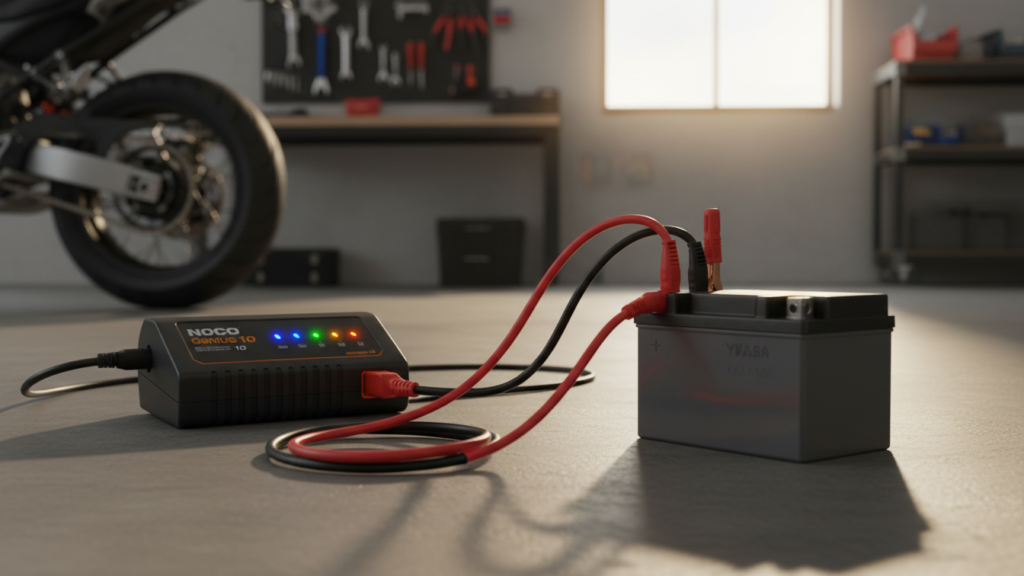
I focus on charging habits, smart storage, and regular checks because those give the biggest gains in battery life. Small daily choices—how you charge, where you store the bike, and what you inspect—add up to years of extra service.
Proper Charging Techniques
I always use a charger or tender designed for the battery type—AGM, lead-acid, or lithium. For lead-acid and AGM, a smart charger with a multi-stage program (bulk, absorption, float) prevents overcharge. For lithium, use a charger with a lithium-specific mode and a proper voltage cutoff.
I avoid jump-starting with high-current sources when possible. If I must jump-start, I connect properly and charge the battery with a smart charger afterward. I also prefer a tender for long idle periods instead of repeated short top-ups.
Quick checklist:
- Use a charger with the right chemistry setting.
- Remove battery when charging if the manual recommends it.
- Charge at recommended amps (typically C/10 for regular charge).
- Don’t rely on the bike’s short rides to maintain charge.
For more on charger selection and settings, I refer to manufacturer guides like Yuasa and battery care pages from reputable suppliers.
Seasonal Storage Best Practices
When I store my bike for weeks or months, I disconnect the battery or connect a maintainer. I fully charge the battery before storage and top it off every 4–8 weeks with a float charger. For cold climates, I bring the battery indoors to avoid freezing and capacity loss.
I clean terminals and apply a thin coat of dielectric grease to prevent corrosion. I store the battery in a cool, dry place away from direct sunlight and heat sources. If I use a battery box, I ensure ventilation to prevent gas build-up with lead-acid types.
Storage checklist:
- Full charge before storage.
- Use a smart maintainer on float mode.
- Store indoors in winter for lead-acid batteries.
- Keep battery off the ground and in a stable position.
Routine Inspection Tips
I inspect the battery and connections at least every month during riding season. I look for cracked cases, bulging, leaks, or a rotten-egg smell—any of those mean replace it immediately. I check terminals for white or green corrosion and clean them with a baking soda solution and a wire brush.
I measure resting voltage with a multimeter: ~12.6–12.8V for healthy lead-acid at rest; anything below 12.4V needs attention. I also load-test or use a battery tester to check cranking amps under load if I suspect weak starts.
Simple maintenance steps I follow:
- Tighten terminal clamps to manufacturer torque.
- Clean and protect terminals with grease.
- Record resting voltage and test results for trends.
For detailed test procedures, I consult battery makers and professional service manuals to match tests to my battery type.
Replacing and Recycling Motorcycle Batteries
I explain how to pick the right replacement battery and how to dispose of the old one safely. I focus on fit, performance, cost, and legal recycling steps to keep you riding and stay compliant.
Choosing a Replacement Battery
I start by matching your bike’s specs: check the owner’s manual for group size, voltage (usually 12V), and cold cranking amps (CCA). Buy the same group size so the battery fits the tray and terminals line up. If you ride in cold weather, choose higher CCA for reliable starts.
Decide on battery chemistry next. Lead-acid (flooded) batteries cost less but need maintenance. AGM offers longer life and is maintenance-free. Lithium (LiFePO4) weighs less and holds charge well, but costs more and sometimes needs a separate charger or voltage regulator.
Compare warranties and real-world reviews, not just marketing. I weigh cost versus expected lifespan and how often I ride. For frequent short trips I pick AGM or lithium. For rare riders I balance price with how easy it is to keep the battery on a smart charger.
Safe Disposal and Recycling
I never throw batteries in the trash. Motorcycle batteries contain lead, acid, and other toxic materials that harm people and the environment. Many places require recycling by law.
Return the old battery to the retailer when you buy the new one. Most shops offer a core credit or accept the used battery for free. If the shop won’t take it, I use hazardous-waste collection centers or authorized recycling facilities; search local government sites for drop-off locations.
Before transport, I tape the terminals and keep the battery upright in a sturdy box to avoid leaks and short circuits. Wear gloves and eye protection if the case is damaged. Keep receipts when required by local rules; some recycling programs give a small payment or credit.
FAQs
I get asked how long a motorcycle battery usually lasts. Most batteries last about 2 to 5 years, but type and care matter a lot. Lead‑acid and AGM often sit near the lower end, while well‑maintained AGM or lithium can reach the higher end.
How will I know the battery is failing?
Watch for slow cranking, dim lights, or electronics acting odd. If the bike needs frequent jump starts, that’s a clear sign to test or replace the battery.
Can I extend battery life?
Yes. I recommend regular charging, avoiding long periods of inactivity, and keeping the battery tight and clean. Using a smart trickle charger during storage makes a big difference.
What about extreme weather?
Cold reduces starting power and shortens life. Heat speeds up chemical wear. I advise storing the bike in a cool, dry place and checking the battery more often in extreme climates.
How often should I test or replace it?
I test mine yearly after two years of use. Replace when capacity drops significantly or when age and symptoms match. A professional load test gives a clear result.
Which battery type should I pick?
I choose based on bike use. For daily use and budget, a conventional or AGM works well. For light weight and long life, lithium can be worth the cost.
Conclusion
I expect most motorcycle batteries to last between 2 and 5 years, with variations based on type, use, and care. AGM and high-quality lithium packs tend to sit at the upper end, while older lead-acid units often fail sooner.
I check battery health regularly and use a smart charger when storing the bike. Riding habits and climate matter; short trips and cold weather shorten lifespan, while steady rides and warm storage help.
I follow simple steps to extend battery life: keep terminals clean, maintain proper charge, and avoid deep discharges. If a battery shows slow cranking, dim lights, or needs frequent charging, I replace it rather than gamble on a failure.
I recommend keeping a small log of charge cycles and service dates. That habit helps me spot trends and plan replacements before a breakdown.
Bold action pays off: regular checks, correct charging, and timely replacement save time and money. My approach keeps the bike reliable and reduces the chance of a dead battery when I need the road.