You want to spend less on gas and ride farther between fill-ups. Start by tuning how you ride and keeping your bike in good shape; small changes to throttle control, tire pressure, and timely maintenance add up fast. Make steady throttle inputs, keep tires at the correct pressure, and follow basic service tasks to get noticeably better mileage.
I’ll walk you through practical steps you can use today — from simple checks before a ride to habits that shave fuel use over time. You’ll learn quick fixes and small upgrades that pay back at the pump and make your rides smoother.
Key Takeways
- Regular upkeep and correct tire pressure reduce fuel waste.
- Smoother riding habits and lighter loads improve mileage.
- Smart route choices and tracking fuel use help find more savings.
Understanding Motorcycle Fuel Efficiency
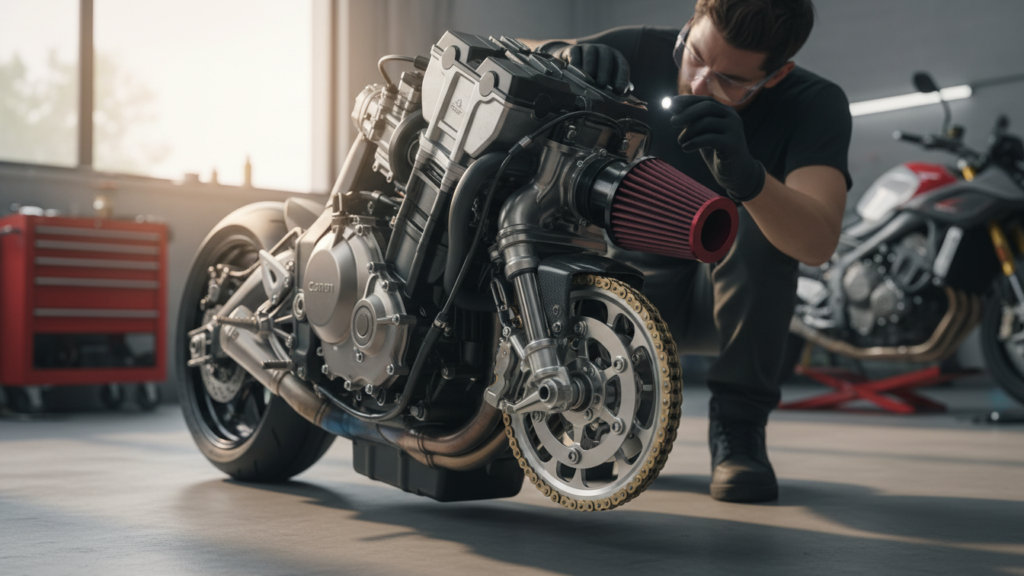
I explain how riding habits, engine setup, bike weight, and wind resistance change how far a tank will take you. Focused tweaks to any of these areas can cut fuel use without losing needed power.
Key Factors Affecting Fuel Consumption
I monitor throttle use first. Smooth, steady throttle and avoiding hard acceleration reduce fuel burned in short bursts. Riding 5–10 mph below the usual aggressive pace often saves noticeable fuel on mixed trips.
Tire pressure and chain condition matter. Low pressure or a dry, tight chain raises rolling resistance and burns more fuel. I check tire PSI and lube/adjust the chain on regular service intervals.
Maintenance keeps the engine running efficiently. Clean air filters, fresh oil, and correct spark plugs improve combustion and mpg. Also, correct gear selection keeps RPMs in the engine’s most efficient range.
Payload and luggage affect consumption too. Extra weight and bulky gear raise fuel use, especially at highway speeds. I remove unnecessary items and use compact luggage that sits close to the bike.
How Engines Impact Efficiency
I look at engine type and tune first. Single-cylinder engines use less fuel at low speeds but struggle at high speeds. Multi-cylinder and larger-displacement engines offer smoother power but typically consume more fuel under heavy load.
Fuel injection versus carburetor matters. Fuel-injected engines adjust the air-fuel mix automatically for efficiency and altitude changes. Carburetors need manual tuning to match conditions, or they can run rich and waste fuel.
Engine condition influences efficiency a lot. Worn valves, clogged injectors, or bad timing lower power and raise consumption. I follow the service schedule, and I address odd engine behavior early to avoid higher fuel use later.
The Role of Weight and Aerodynamics
I reduce weight where possible. Every 10–20 pounds saved lowers fuel needs, especially in stop-and-go riding. I prioritize light luggage, remove heavy accessories I don’t need, and carry only essential gear.
Aerodynamics matters at speed. Wind drag grows with the square of speed, so a small change in airflow can affect mpg significantly on highways. I use a compact windshield, tuck in behind it, and avoid large top boxes that catch wind.
Riding position also changes drag. Upright riding creates more frontal area. I shift my body to a lower, tighter tuck when safe, and choose slim helmets and clothing that lie flat to cut turbulence.
Routine Maintenance for Better Mileage
I focus on a few specific checks that give the biggest fuel gains: clean oil, correct tire pressure, and a fresh air filter. These items cut engine strain and rolling resistance so the bike uses less fuel on every ride.
Regular Oil Changes
I change my motorcycle oil at the interval the maker recommends, or sooner if I ride hard, tow, or ride in dust. Fresh oil reduces internal friction in the engine so it needs less fuel to make the same power.
Use the oil grade your owner’s manual specifies. Synthetic oil often keeps viscosity stable longer, especially in hot or cold weather. I also replace the oil filter every oil change to keep contaminants out of the engine.
When I drain oil, I watch for metal flakes or dark sludge—signs of wear or overdue service. Proper disposal of used oil at a recycling center is important; many auto parts stores accept it.
Proper Tire Pressure
I check tire pressure before every ride or at least weekly. Underinflated tires increase rolling resistance and make the engine work harder, which lowers fuel economy.
Find the correct PSI on the motorcycle’s placard or in the owner’s manual. Use a quality tire gauge and check when tires are cold for an accurate reading. Don’t forget the spare if your bike carries one.
Tire wear also affects mileage. I inspect tread depth and sidewalls for damage and replace tires that are worn unevenly. For more on tire care and safe PSI ranges, I reference the Motorcycle Safety Foundation and tire makers’ guides.
Timely Air Filter Replacement
I inspect the air filter every few thousand miles and replace it when it looks dirty or clogged. A clean air filter lets the engine breathe freely, keeping the air–fuel mix correct and improving combustion efficiency.
Paper, foam, and oiled filters each need different care. I follow the manufacturer’s cleaning and oiling steps for foam or oiled filters, or swap in a new paper element when required. Reusable filters should be cleaned and re-oiled per instructions to avoid over-oiling, which can foul sensors.
A plugged air filter can cause higher fuel use, rough idling, and loss of power. For filter specs and replacement intervals, I consult my bike’s manual and trusted sources like the EPA’s engine maintenance recommendations.
Optimizing Riding Habits
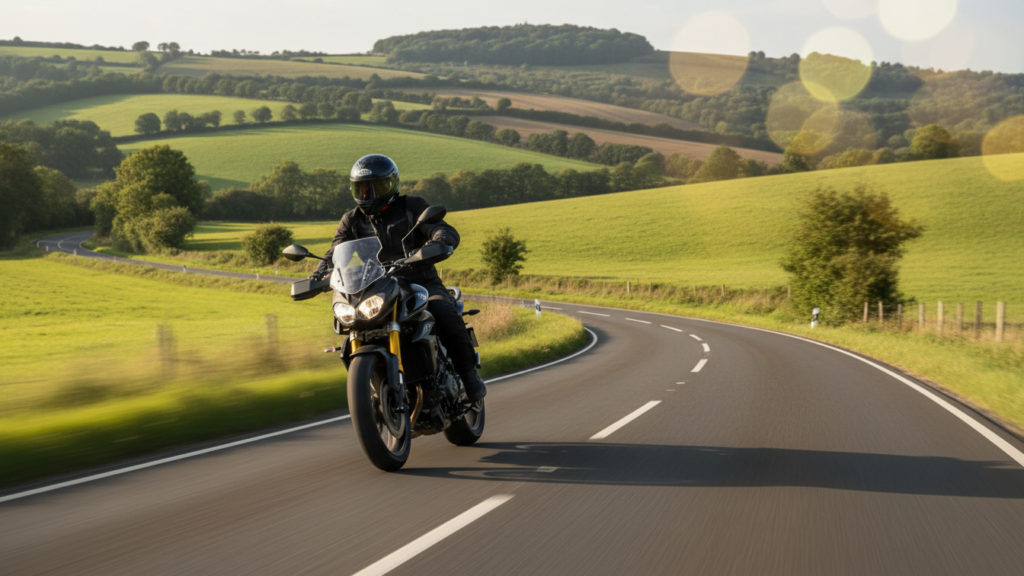
I focus on smooth inputs, steady speeds, and using the right gear to cut fuel use. Small changes in how I accelerate, brake, and shift can add up to noticeable mileage gains.
Smooth Acceleration and Braking
I accelerate gently to avoid high RPM bursts that waste fuel. I roll on the throttle progressively, aiming to reach cruising speed without hard revs. This keeps the engine in a more efficient range and reduces fuel use.
When I need to slow, I use engine braking first and then the brakes. Engine braking lets me cut throttle earlier and coast more, saving gas. I brake in controlled, short pulses rather than grabbing the brake, which prevents frequent re-acceleration.
I also scan ahead to anticipate traffic changes. Spotting slowdowns early lets me smooth out my inputs and avoid stop-start riding. Smooth cornering at moderate speed helps too, because sudden speed changes force more throttle later.
Maintaining a Steady Speed
I keep a steady speed to lower fuel consumption. Riding at a constant 50–60% of my bike’s max speed often gives the best miles per liter on many machines. I use cruise control if available on longer roads, or maintain a consistent throttle hand position on bikes without it.
I watch the speedometer and traffic flow to avoid unnecessary speed swings. When climbing hills, I shift down early to keep momentum without revving hard. On open roads I use the highest comfortable gear that doesn’t lug the engine.
I also plan routes to reduce stops and heavy congestion. Choosing smoother, less crowded roads helps me hold speed and reduces frequent acceleration and braking.
Efficient Gear Usage
I shift up early to keep RPMs low but not so early that the engine strains. For most motorcycles, I change up around the lower midrange of the tachometer where torque builds efficiently. This cuts fuel use compared with staying at high RPMs.
I downshift before slowing, using gears to control speed rather than overusing the brakes. Proper gear selection during acceleration helps maintain steady throttle and better fuel burn.
I check clutch and shift technique to avoid missed shifts or slipping that wastes fuel. Clean, precise shifting keeps the transmission and engine working efficiently and extends overall fuel economy.
Choosing the Right Fuel and Additives
I focus on fuel grade, ethanol content, and targeted additives because these choices affect engine life, starting reliability, and miles per gallon.
Recommended Fuel Types
I choose premium or mid-grade gasoline only when the motorcycle maker specifies a higher octane to prevent knocking and keep timing optimal. For most modern bikes, regular 87 octane is fine; check your owner’s manual for the exact octane requirement.
I avoid ethanol blends above E10 for older carbureted bikes because ethanol attracts water and can cause corrosion or phase separation. When I can’t find ethanol-free fuel, I use it more frequently and run a fuel stabilizer during storage.
I use ethanol-free or known-brand fuel for long-term storage and classic motorcycles. For daily riders, I prefer major-brand pumps and buy from high-turnover stations to reduce the chance of stale fuel. The U.S. Energy Information Administration and manufacturer guides list fuel specs if I need verification.
Benefits of Fuel Additives
I add a fuel stabilizer when storing a bike for more than 30 days to prevent varnish and keep the carburetor or injectors clean. Stabilizers also reduce hard starts after storage and protect rubber seals from fuel breakdown.
I use fuel system cleaners (with detergents) every few thousand miles to remove deposits from injectors or intake ports. This helps restore smooth throttle response and can improve fuel economy by a small but measurable amount.
For ethanol issues, I choose additives that include corrosion inhibitors and phase-separation dispersants. These products protect metal parts and keep water mixed so it passes harmlessly through the system. I consult product pages from reputable brands like Sea Foam or Sta-Bil and read manufacturer recommendations before use.
Minimizing Extra Weight and Drag
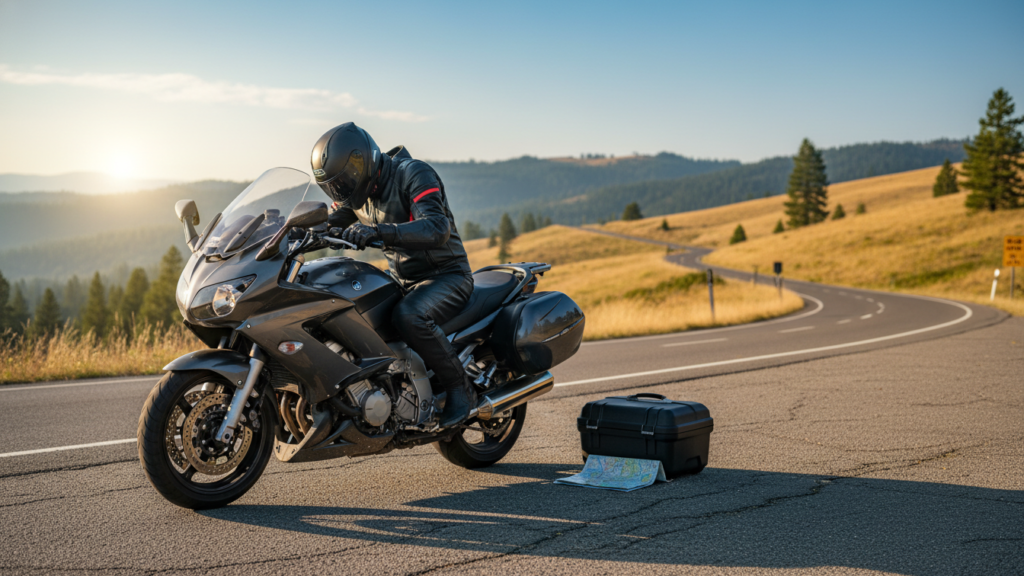
I focus on cutting weight and smoothing airflow because both directly lower fuel use. Small changes — removing gear and changing how I sit — often yield the biggest gains.
Removing Unnecessary Accessories
I start by auditing all gear on the bike. I remove heavy luggage, top boxes, and passenger footpegs when I don’t need them. Each extra 10–20 pounds forces the engine to work harder, so packing only essentials helps MPG.
I also check aftermarket parts. Bulky crash bars, oversized windshields, and heavy alloy racks add drag and mass. I replace them with lighter or smaller alternatives when they don’t compromise my safety.
Use a simple checklist before rides: saddlebag contents, mounted tools, and any nonessential brackets. If I ride long-distance with gear, I mount and secure only what I need and distribute weight low and centered.
Using Proper Riding Posture
I reduce drag by tucking my body and lowering my profile at higher speeds. On the highway I move my chest closer to the tank and keep elbows in. That cuts wind resistance more than any minor engine tweak.
I also position my feet and knees to stay narrow against the tank. This helps airflow and keeps the bike stable, which avoids extra throttle corrections that waste fuel.
For urban riding I sit upright enough for visibility but avoid leaning back. Smooth, steady throttle control combined with a tidy posture prevents sudden acceleration and lowers fuel use.
Selecting Efficient Motorcycle Parts
I focus on parts that cut weight and reduce drivetrain losses, because those changes give the biggest fuel gains per dollar. I choose specific components and measures that lower resistance without hurting safety or reliability.
Upgrading to Lightweight Components
I replace heavy stock parts with lighter alternatives where it matters most: wheels, exhaust, and sprockets. Swapping to forged or lightweight alloy wheels reduces rotating mass, so the engine uses less fuel to accelerate. A titanium or stainless-steel slip-on exhaust can trim weight by several pounds and improve throttle response when matched to proper jetting or ECU tuning.
I also change to smaller or lighter brake rotors only if they meet safety specs. Changing the rear sprocket size by one or two teeth can alter cruising rpm and improve fuel use on highways, but I check chain alignment and final drive load first. Every part swap I make balances weight savings with durability and legal requirements.
Low Rolling Resistance Tires
I pick tires rated for low rolling resistance without sacrificing wet grip. Tires labeled for touring or eco performance often use harder compounds and optimized tread patterns to reduce energy loss. I look for manufacturer rolling resistance data or independent tests rather than marketing claims.
Maintaining proper tire pressure is essential; I check PSI before every long ride and follow the owner’s manual numbers. Even the best low-resistance tire loses its benefit when underinflated. I also consider tire width — narrower tires reduce frontal and rolling resistance at highway speeds, but I avoid widths that harm handling for my bike’s weight and purpose.
Monitoring and Tracking Fuel Consumption
I track fuel use to spot patterns and find easy savings. Small habits show up over time, so I record each fill-up and note the miles, liters (or gallons), and riding conditions.
I use a simple table in a notebook or a phone app. It shows: date, odometer, fuel added, and mpg (or km/l). Calculating mpg each fill-up helps me see real changes fast.
I weigh how I ride when numbers dip. Heavy acceleration, short trips, and high speeds hurt efficiency. When I compare trips, I link worse mileage to those behaviors.
I check tire pressure, load, and wind protection alongside the fuel log. Maintenance or gear changes often match improvements in the chart, so I update entries after tweaks.
Quick checklist I use:
- Record every fill-up.
- Calculate mpg/km per fill.
- Note weather and route type.
- Mark maintenance or mods.
I review the log monthly to set targets. Seeing trends motivates me to hold steady on smoother throttle control and timely service.
Planning Routes for Maximum Efficiency
I choose routes that let me keep a steady speed. Long stretches with few stops use less fuel than stop-and-go city riding.
I avoid heavy traffic and many stoplights when possible. I use apps that show realtime traffic to pick roads with smoother flow.
I prefer roads with gentle hills over frequent short climbs. Uphill bursts force the engine to work harder and waste gas.
I plan rides to minimize detours and backtracking. Fewer miles at a steady pace beats the same miles with wasted acceleration.
I use a simple checklist before a trip:
- Check traffic apps and map alternatives.
- Pick routes with consistent speed limits.
- Avoid construction zones and many stop signs.
I also time rides to miss rush hours when I can. Riding during lighter traffic saves fuel and reduces stress.
When I must ride city routes, I look for green-wave timing where lights change in sequence. That helps me cruise without repeated braking and re-acceleration.
I balance the shortest route with the most efficient one. Sometimes a slightly longer road with steady speed uses less fuel than a short, congested path.
Adapting to Environmental Conditions
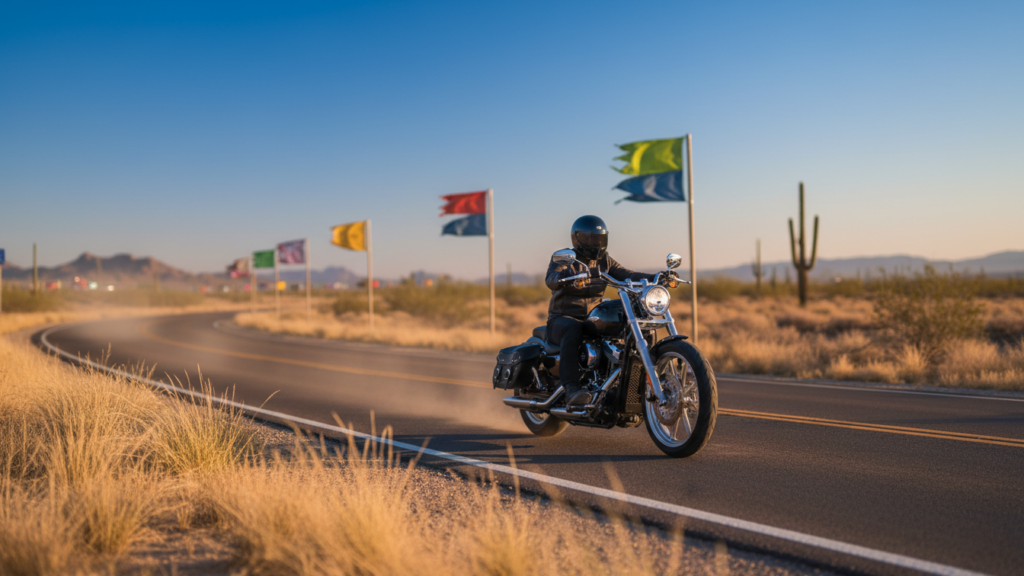
I check the weather and plan rides to avoid strong winds and heavy rain because these conditions increase drag and fuel use. Riding into a steady headwind drains fuel faster, so I choose routes with shelter or wait for calmer windows when possible.
I adjust my riding style for heat and cold. In hot weather I avoid lugging the engine and keep coolant and oil in good condition to prevent inefficiency. In cold weather I let the engine warm up briefly and ride gently until normal operating temperature, which reduces fuel waste.
I monitor tire pressure more often when temperatures change, since pressure drops in cold air and rises in heat. Properly inflated tires lower rolling resistance and improve mileage. I keep a small gauge with me and check before every long ride.
I reduce weight and streamline for wet or windy days. I remove unused luggage and use a low-profile bag instead of large top boxes. If I use a windshield, I adjust its angle to cut wind buffeting without adding drag.
I adapt cruise choices to road surface and visibility. On slippery or rough roads I ride slower and avoid rapid acceleration. On clear smooth roads I use steady, moderate speeds and pulse-and-glide when safe to save fuel.
Key checks I do before riding:
- Tire pressure and tread
- Fluids (oil, coolant)
- Weather and wind forecast
- Secure, low-drag luggage
These small changes make my rides more fuel efficient in different conditions.
When to Consider Upgrading Your Motorcycle
I check upgrades when my bike starts showing clear signs it isn’t as efficient as it could be. If fuel economy drops suddenly or the engine feels sluggish, those are strong clues that something needs attention. Minor wear, like a clogged air filter or old spark plugs, often causes the change.
I consider upgrades when routine maintenance no longer fixes the problem. If cleaning or replacing basic parts doesn’t improve mileage, an upgrade can be the next step. I also weigh upgrades when I plan to keep the bike long-term and want better reliability or lower running costs.
I compare cost versus benefit before I change major parts. Small, inexpensive upgrades—air filter, fuel filter, or proper tire pressure—often give good returns. Larger mods, like a different exhaust or fuel management system, can help but may cost more and require tuning.
I pay attention to compatibility and legal issues. Some performance parts can harm fuel efficiency if not matched to the engine or if they need re-tuning. I always check emissions rules and manufacturer guidance first.
I use a simple checklist to decide:
- Current fuel economy vs expected
- Maintenance already done
- Budget for parts and labor
- Compatibility and legal concerns
I upgrade only when the data and my goals make it clear the change will improve fuel efficiency or long-term cost of ownership.
FAQs
Does riding style matter?
Yes. Smooth acceleration and steady speeds use less fuel than frequent hard throttle or braking. I shift up early when the engine can handle it and avoid excessive idling
Will removing accessories help?
Yes — extra weight and drag lower mileage. I remove heavy luggage and roof-type windshields when not needed. Even small reductions in drag make a difference.
What about electronic tuning or mods?
ECU remaps and carburetor tuning can improve efficiency if done correctly. I only consider them after basic maintenance and only from reputable tuners.
Conclusion
I focused on simple, practical steps you can use right away to stretch your miles per gallon. Small changes like steady throttle control, proper tire pressure, and timely maintenance add up fast.
I recommend tuning your riding habits first because they cost nothing and yield quick gains. Then I suggest scheduling regular maintenance and checking the air filter, spark plugs, and chain condition to keep the engine running efficiently.
I also advise using the correct fuel octane and avoiding heavy loads when possible. If you ride often, consider aerodynamic improvements and lighter luggage to reduce drag and weight.
Below are easy actions you can follow:
- Keep tires at the right pressure.
- Ride smoothly and avoid hard acceleration.
- Do regular oil changes and tune-ups.
- Remove unnecessary weight and luggage.
I promise these steps will make your bike more efficient without hurting performance or safety. Track your fuel use for a few tanks to see which changes help most for your riding style.