You want to stay safe every time you ride, and wearing a helmet gives you the best chance to protect your head if you crash. A helmet significantly lowers your risk of serious head and brain injury by absorbing impact and keeping your skull intact. That simple step often makes the difference between a quick recovery and long-term harm.
I’ll show you how helmets work, how to pick one that fits, and why laws and common sense both back wearing one. Dive in to learn clear, practical tips that help you ride smarter and safer.
Key Takeaways
- Always wear a properly fitted helmet to reduce head and brain injury risk.
- Choose a helmet that meets safety standards and fits your head snugly.
- Laws and common sense both support helmet use to protect your health.
The Critical Role of Helmets in Rider Safety
I focus on how helmets cut the force to the skull, lower the chance of death, and limit the severity of head injuries. The points below show how helmets protect the brain and improve a rider’s odds after a crash.
Prevention of Traumatic Brain Injuries
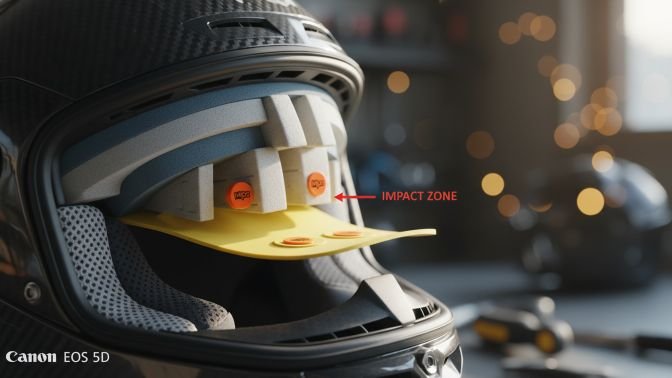
I know helmets absorb and spread impact energy away from the skull. A helmet’s foam liner crushes on impact and reduces the peak force that reaches the brain. This lowers the chance of skull fracture and serious brain swelling.
Proper fit matters. A helmet that sits level, straps snug, and meets safety standards keeps the head aligned during a crash. A loose or poorly fitted helmet can move on impact and fail to protect key areas.
I recommend full‑face or modular helmets for the most coverage. They protect the face and jaw as well as the cranium. Choosing a certified helmet and replacing one after any significant crash preserves its ability to prevent traumatic brain injuries.
Reduction of Fatalities in Accidents
I base this on crash data showing helmets reduce mortality in motorcycle and bicycle crashes. Helmets reduce the risk of death by lowering severe brain injuries that are often fatal.
Wearing a helmet buys time for emergency responders. Riders who survive initial impact are more likely to reach the hospital alive and receive life‑saving care. That improves survival odds, especially when skull fractures or bleeding occur.
I also note legal and medical systems: helmet use can affect emergency triage and treatment decisions. First responders treat head‑injured riders urgently when a helmet is damaged, which can speed needed interventions.
Decreasing Severity of Head Trauma
I emphasize that helmets don’t make riders invincible, but they reduce the degree of injury. Minor concussions replace what might have been severe diffuse axonal injury when a helmet slows rotational and linear forces.
Different helmet features lower trauma in specific ways:
- EPS foam absorbs linear impact energy.
- Shell shape and materials help distribute force.
- Padding and fit reduce motion inside the helmet.
I advise replacing helmets after significant impacts and after their service life ends. A helmet that is structurally sound and properly maintained offers the best chance to lessen head trauma and improve recovery.
Legal Requirements and Compliance
I explain who must wear helmets, what penalties can apply, and how helmets affect insurance and claims. These rules vary by place and can change how much risk and cost a rider faces.
Helmet Laws Around the World
I watch laws vary widely: some countries require helmets for all riders, while others set rules by age or vehicle type. In many U.S. states, laws range from universal helmet requirements to mandates only for riders under a certain age; three states currently have no helmet law at all. Countries in Europe and Asia generally require helmets universally, and many require helmets that meet national or international standards such as DOT, ECE, or SNELL.
I advise checking the local traffic authority before you ride. For U.S. details, the Insurance Institute for Highway Safety (IIHS) maintains state-by-state law summaries. For international rules and standards, look to regulatory bodies like the World Health Organization or your country’s transport ministry.
Penalties for Non-Compliance
I note penalties can include fines, license points, and higher legal exposure after a crash. Fines vary by jurisdiction — from modest amounts for a first offense to steep fines or court appearances for repeat violations. Some places add traffic points that can raise license suspension risk.
I also point out that failure to wear a helmet can affect legal proceedings after an accident. Courts and police reports may record helmet use, which insurers and prosecutors can use. Check local statutes or government websites for exact penalty amounts and point systems in your area.
Insurance Implications
I explain that helmet use can influence insurance payouts and liability. In some jurisdictions, not wearing a helmet can reduce compensation for head injuries or be used to argue contributory negligence. This may lower the settlement you receive or increase your share of fault.
I recommend reviewing policy language and state law to understand coverage changes tied to helmet use. For U.S. riders, state insurance departments and the National Highway Traffic Safety Administration (NHTSA) provide guidance on how safety equipment affects claims.
How Helmets Work to Protect Riders
I focus on three key ways helmets keep riders safer: they absorb and spread crash forces, stop sharp objects from reaching the skull, and stay on the head correctly during a crash. Each part uses specific materials and design features to reduce brain and skull injury.
Energy Absorption and Impact Distribution
I look at the inner liner first. Most helmets use expanded polystyrene (EPS) foam that crushes on impact. That crushing slows the head’s deceleration and reduces peak force to the brain.
The hard outer shell matters too. It spreads the impact over a larger area so the foam doesn’t fail at a single point. Some helmets add multi-density foam layers to handle both high- and low-speed impacts.
Modern helmets often include rotational-impact liners or slip-plane systems. These let the shell rotate a small amount relative to the liner, lowering twisting forces on the brain. Proper maintenance matters: once a helmet has a significant impact or visible damage, I recommend replacing it because the foam no longer performs as designed.
Protection Against Penetrating Injuries
I check the shell material for penetration resistance. Thermoplastic, fiberglass, carbon fiber, and composite shells resist sharp objects differently. A thicker, tougher shell helps stop edges and road debris from pushing through to the foam and skull.
The EPS foam underneath also helps by crushing and deforming around an intruding object, spreading the load instead of letting a single point puncture. Vents and thin areas can be weak points, so good designs place vents to preserve structural strength.
Certified helmets undergo puncture tests and meet standards that set minimum resistance. I advise choosing a helmet with recognized certification for the region where you ride.
Retention Systems and Proper Fit
A helmet that absorbs energy is useless if it comes off. I always check the chin strap and retention system. A strong, well-designed strap with a reliable buckle keeps the helmet in the right position during a crash.
Fit plays a major role. The helmet should sit level on the head, with the rim about one finger-width above the eyebrows, and feel snug without pressure points. Different shell sizes for different head shapes improve protection because EPS can then be matched correctly to the rider’s head.
I test fit by fastening the strap and shaking my head—good fit keeps the helmet from moving excessively. If a helmet slides or tilts, I choose a different size or model to ensure the retention system can do its job.
Additional Physical Benefits of Wearing Helmets
I focus on specific, practical gains beyond crash protection. These include keeping your head and face safe from weather and road grime, and improving how well you hear and see while riding.
Protection from Weather and Debris
I rely on my helmet to block wind, rain, and sun that can distract or harm me while riding. A helmet with a visor or peak reduces rain on my face and keeps sunlight out of my eyes, helping me maintain clear vision and steady control.
Helmets also stop small stones, insects, and road spray from hitting my face or eyes. This lowers the chance I’ll flinch, brake suddenly, or swerve to avoid debris. A full-face or modular helmet gives the best coverage for prolonged rides or high speeds.
Ventilation matters too. Proper vents let air flow without letting water in, so I stay cooler and reduce fogging on visors. Replace or clean helmets with damaged shells or scratched visors, since compromised parts let weather and debris through.
Hearing and Visibility Enhancement
I choose helmets that help me hear important sounds while keeping wind noise down. Good padding and a snug fit reduce wind roar, so I can better hear horns, sirens, and approaching vehicles without turning my head.
Reflective stickers, bright colors, and integrated lights on helmets make me more visible to drivers at dawn, dusk, and night. A high-visibility helmet paired with a rear light increases the chance others spot me from a distance.
Some helmets include channels for communication systems or cutouts that keep speakers and microphones in place. That setup lets me use safety intercoms or hear navigation prompts clearly, without sacrificing protection or adding unsafe distractions.
Psychological and Social Impact

I focus on how helmets change the way riders think and act, and how wearing one affects the people around them. The next parts explain how helmets influence confidence on the road and how they help build safer group norms.
Increased Confidence While Riding
I find that a helmet often reduces fear of severe head injury, which helps riders stay calm and focused. Calm focus improves reaction time and lane positioning because I’m less likely to tense up or brake sharply when I sense danger.
A well-fitting, comfortable helmet also cuts wind noise and keeps the face shield clear, which makes scanning traffic and reading road signs easier. That practical comfort lets me ride longer without fatigue and keeps my attention on traffic rather than on adjusting gear.
However, confidence from a helmet is not a license to take risks. I still check mirrors, obey speed limits, and use signals. The helmet protects my head; safe riding skills protect the rest of me.
Promoting a Safety Culture
When I wear a helmet consistently, others notice. Children, new riders, and peers often mirror what they see, so my behavior can raise helmet use in my group.
I use visible, well-maintained helmets to show that safety is normal, not optional. Talking about helmet fit, replacement after impacts, and choosing certified models spreads practical habits. Small actions—offering a spare strap or reminding a friend to buckle up—create safer routines.
Laws and community norms affect uptake, but personal example matters. I combine clear information with steady practice to help shift attitudes from “optional” to “standard.”
Choosing the Right Helmet for Effective Protection
I focus on fit, construction, and certification when I pick a helmet. The right helmet should sit level on your head, use the right materials, and meet a trusted safety standard.
Key Features to Look For
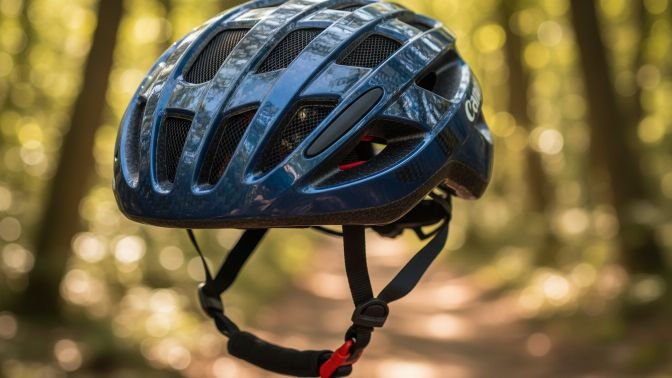
I check fit first. The helmet must sit low on the forehead, about one to two finger-widths above the eyebrows, and not move more than an inch when I shake my head. Straps should form a “V” under each ear and fasten snugly under the chin.
I inspect construction next. A certified hard outer shell plus an energy-absorbing liner (EPS or similar) is essential. Look for MIPS or similar rotational-impact systems if you ride fast or off-road. Ventilation matters for comfort; choose more vents for hot-weather cycling and fewer for colder rides. Weight affects neck fatigue, so lighter helmets help on long rides.
I also consider visibility and extras. Bright colors and reflective elements improve being seen. Removable liners, adjustable fit systems, and a clear size chart help you get a precise fit.
Certification Standards
I always verify helmet certification. For bicycles in the U.S., look for CPSC certification; in Europe, look for EN 1078. Motorbike helmets should meet DOT (FMVSS 218) in the U.S., ECE 22.05/22.06 in Europe, or SNELL for higher-performance use.
Certification labels usually appear inside the helmet or on a sticker. Those labels mean the helmet passed impact tests, strap strength checks, and retention tests. For further reading on standards and testing methods, I use resources like the U.S. Consumer Product Safety Commission (CPSC) and the UNECE/ECE pages to confirm what each label covers.
Common Myths and Misconceptions About Helmets
I’ll correct common wrong ideas that make riders skip helmets or pick unsafe ones. These points focus on real risks and simple facts you can use when choosing or using a helmet.
False Sense of Security
Some riders think a helmet makes them invincible. I don’t buy that. A helmet reduces the risk of severe head injury, but it doesn’t prevent all injuries or guarantee survival in high-speed crashes.
I look at helmet function this way: it absorbs impact forces and protects the skull and brain from direct blows. It won’t stop neck injuries or internal trauma from violent impacts. I also watch for misuse — a loose, damaged, or uncertified helmet can fail to protect.
Focus on fit, condition, and certification. A properly fitted, certified helmet gives the intended protection. Replace helmets after a crash, after visible damage, or according to the manufacturer’s lifespan.
Comfort Versus Safety
Many riders drop safety for comfort or style. I accept that comfort matters for long rides, but I refuse to trade proven safety features for a little extra airflow or a trendier look.
Comfort choices include ventilation, padding thickness, and weight. Safety features include multi-density EPS liners, full-face coverage, and DOT/ECE/SNELL certification. I check labels and try helmets on while wearing the gear I’ll use, like glasses or earplugs.
If a helmet feels tight at key pressure points, it’s wrong. If padding gaps leave movement, it’s wrong. I balance comfort and safety by testing fit, reading certification info, and choosing designs that meet both needs.
FAQs
Do helmets really reduce the risk of injury?
Yes. Studies show that wearing a helmet significantly lowers the risk of severe head injury and death in motorcycle and bicycle crashes. While no helmet can prevent all injuries, it greatly improves survival odds and reduces trauma severity.
Are helmets uncomfortable or do they limit vision?
Modern helmets are designed for comfort and visibility. They are lighter, ventilated, and come in different shapes and sizes. A properly fitted helmet should not block your view or feel overly tight.
How do I choose a safe helmet?
Look for helmets with recognized certifications such as DOT, ECE, SNELL, or CPSC (for bicycles). Ensure the helmet fits snugly, sits level on your head, and has a secure chin strap. Full-face or modular helmets provide maximum protection.
How often should I replace my helmet?
Replace helmets every 5–10 years depending on usage, or immediately after any significant crash or visible damage. Even minor cracks, dents, or worn padding can reduce protection.
Can wearing a helmet affect insurance or legal matters?
Yes. Helmet use can influence insurance claims and liability. Not wearing a helmet may reduce compensation for head injuries in some jurisdictions and can result in fines, license points, or legal penalties. Always check local laws and insurance guidelines.
Conclusion
I want every rider to make helmets a regular part of their gear. Wearing a helmet cuts the chance of severe head injury and keeps you safer in crashes.
I often tell riders that helmets protect more than the skull. They reduce brain injury risk, improve visibility with bright colors or reflectors, and show others that safety matters.
Choose a helmet that fits, meets safety standards, and matches your riding type. Replace helmets after impacts or when they are old, and pair them with other protective gear like gloves and jackets.
I believe setting a good example matters. When experienced riders wear helmets, new riders follow, and that helps reduce injuries across the whole riding community.
Practical steps I recommend:
- Inspect fit and straps before every ride.
- Replace helmets every 5–10 years or after a crash.
- Pick certified helmets for your activity.
I expect you to weigh comfort and style, but not at the cost of safety. A well-chosen helmet keeps you riding longer and with more confidence.