You put yourself and others at real risk when you ride after drinking or using drugs. Alcohol and many drugs slow your reactions, blur your thinking, and make it hard to control speed and direction, so the chance of a crash goes up fast. I’ll show you how impairment changes your skills, raises the odds of serious injury or death, and brings heavy legal and financial consequences.
Think about how a split-second mistake can cost you everything—from your bike to your health to your freedom. I’ll walk you through the main ways substances wreck your judgment and coordination, what the law can do, and simple steps you can take to stay safe so those risks don’t become your reality.
Key Takeaways
- Impairment cuts reaction time and coordination, greatly raising crash risk.
- Legal and financial consequences can be severe and lasting.
- Simple choices and alternatives can prevent harm and keep you riding.
What Is Riding Under the Influence?
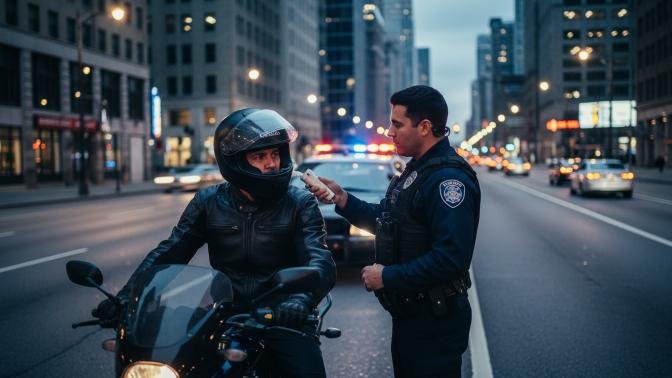
I define riding under the influence as operating or being in control of a motorcycle, bicycle, e-scooter, or any vehicle while your ability to ride is reduced by alcohol, drugs, or both. This includes any level of impairment that changes your reactions, judgment, balance, or coordination.
Definition and Legal Limits
I treat riding under the influence as a criminal or civil offense when a rider’s ability is impaired by substances. Laws vary by state and country, but many places use a blood alcohol concentration (BAC) limit for two-wheeled vehicles similar to cars. Common BAC limits are 0.08% for adults in many U.S. states; some states set lower limits (0.05% or 0.02%) for certain riders.
Impairment can be proved by breath tests, blood tests, field sobriety tests, or officer observations. A low BAC does not guarantee safe riding—medication, fatigue, or a small amount of alcohol can still slow reaction time and coordination.
Types of Substances Involved
I consider three main substance groups: alcohol, illegal drugs, and prescription or over-the-counter medications. Alcohol reduces balance, steering control, and hazard perception. Cannabis alters reaction time, depth perception, and lane control. Stimulants or sedatives—whether prescribed or illicit—can cause overconfidence, slowed reactions, or sudden drowsiness.
Mixing substances raises risk. Combining alcohol with prescription opioids, benzodiazepines, or other depressants greatly amplifies sedation and breathing problems. Even legal medicines like antihistamines or sleep aids can impair riding, so I always check labels and avoid riding if the drug warns of drowsiness.
Prevalence and Demographics
I rely on crash data and surveys to describe who is affected. Alcohol and drugs appear in a substantial share of serious motorcycle and bicycle crashes. For example, studies show drugs other than alcohol contribute to roughly 10–16% of vehicle crashes in some national surveys.
Young adults, especially males, show higher rates of riding under the influence. Nighttime and weekend rides carry greater risk. Riders using alcohol or multiple substances are more likely to be in fatal crashes than sober riders. Vulnerable groups—novice riders and those without helmets—face higher odds of severe injury when impairment is present.
How Impairment Affects Judgment and Coordination
I see three clear ways impairment changes how someone rides: slower reactions, trouble keeping attention on the road, and poor choices about speed, distance, and maneuvers. Each of these raises the chance of a crash and makes it harder to avoid hazards.
Delayed Reaction Times
When I ride under the influence, my brain processes sights and sounds more slowly. That means I take longer to hit the brakes or swerve when a car cuts in front of me. A delay of even one second at highway speed can add dozens of feet to stopping distance.
Alcohol and many drugs also slow nerve signals between my eyes, brain, and hands. My muscles respond after a lag, so steering corrections and brake pressure arrive late. The CDC and other safety sources show that slower reaction time links directly to higher crash risk, especially in heavy traffic or poor weather. For practical safety, I know I must keep extra following distance and avoid riding if I feel sluggish.
Reduced Attention Span
Impairment shrinks my ability to focus on multiple things at once. I may fixate on a single object — like a sign or a light — and miss a pedestrian or a side street. Distractions that I normally ignore become hard to filter out.
My scanning patterns break down. I check mirrors less often and fail to monitor blind spots. Even simple tasks, like maintaining lane position or judging gaps, become inconsistent. Agencies such as the National Highway Traffic Safety Administration discuss how divided attention declines with alcohol and some prescription medicines. To protect myself, I avoid complex traffic situations when I’m impaired and prefer not to ride at all.
Impaired Decision-Making
Impairment dulls my judgment about risk and timing. I might misjudge how fast I’m going or how long it will take to clear an intersection. That leads me to take unsafe passes, ride too close to other vehicles, or run yellow lights.
Mental slowing also affects planning. I make choices based on how I feel in the moment rather than facts, which increases impulsive behavior. Studies on frontal-lobe function show that alcohol reduces impulse control and risk assessment. For safer riding, I recognize when my decisions feel rushed or overly confident and refuse to ride until I’m sober.
Increased Risk of Accidents
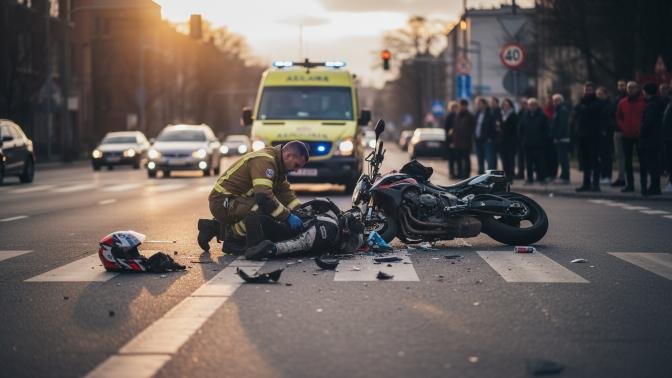
I explain how impairment raises the chance of crashes and how those crashes hurt riders and other people on the road.
Collision Statistics
I look at data that shows how often substance use appears in serious crashes. In the U.S., about one-third of fatal crashes involve a driver with alcohol, and thousands of deaths happen each year when alcohol is a factor. Drug impairment—marijuana, opioids, stimulants—also shows up frequently in post-crash testing and increases the odds of a crash even when alcohol is not present.
Younger riders face higher relative risk. Teen and novice drivers have worse outcomes at lower blood alcohol concentrations than older drivers. Slower reaction times and poorer judgment under drugs or alcohol explain much of the rise in crash rates.
Key numbers to note:
- Roughly 30% of traffic fatalities link to alcohol in recent years.
- Alcohol and drugs together multiply impairment risks compared with either alone.
Consequences for Riders and Others
I describe what crashes mean in human and material terms. Riders involved in impaired collisions suffer more severe injuries because impaired drivers often speed, run signals, or drift into oncoming lanes. The lack of evasive action—late braking, missed swerves—raises impact force and injury severity.
Other road users pay the cost too. Pedestrians, cyclists, and occupants of other vehicles face higher odds of being killed or seriously hurt when an impaired rider or driver causes a crash. Emergency response, hospital care, lost work time, and vehicle damage add financial burdens that can last years.
Practical effects I track:
- Higher chance of severe injury or death for all parties.
- Increased medical and legal costs after crashes involving impairment.
Physical and Cognitive Effects of Substances
I will explain how alcohol and drugs change body and brain function, and why mixing substances raises risk. I focus on reaction time, coordination, judgment, and how those changes make riding unsafe.
Alcohol’s Impact on the Body
Alcohol slows the brain areas that control movement and decision-making. I notice reduced coordination, slower reflexes, and poorer balance within a single drink for some people; with more drinks, these effects grow quickly.
Vision narrows and depth perception worsen, so I misjudge distances and lane position. Alcohol also impairs judgment and risk assessment, which makes me more likely to speed or ignore hazards.
Physically, alcohol causes drowsiness and delayed muscle response. Even if I feel “okay,” my reaction time can be two or three times slower, increasing crash risk when riding a bike, motorcycle, or e-scooter.
Effects of Drugs on Mental State
Different drugs affect mental skills in different ways. Cannabis slows reaction time and impairs steering and hazard detection. Stimulants like cocaine or meth can make me overconfident, reckless, and unable to judge speed or distance accurately.
Opioids and some prescription sedatives cause heavy drowsiness, slow breathing, and very slow responses. Over-the-counter antihistamines can also blur vision and reduce alertness.
Drug effects vary by dose, tolerance, and how the drug was taken. I must consider time since use and any mixing with alcohol; impairment can last hours and sometimes longer than expected.
Combined Influence of Multiple Substances
Mixing substances multiplies risks in unpredictable ways. Alcohol plus cannabis often worsens coordination and reaction time more than either alone. Stimulants paired with depressants can mask fatigue, so I may feel alert while my judgment and fine motor skills are still poor.
Interactions can increase sedation, slow breathing, or spike heart rate. Prescription drugs that warn against combining with alcohol are especially dangerous when riding.
I always treat combined use as much more impairing than single substances. Small amounts of two drugs can produce large deficits in steering, braking, and decision-making.
Legal Consequences of Riding Under the Influence

I explain how the law treats riding while impaired and the real costs you can face. These consequences include fines, jail time, license actions, and long-term impacts on work and records.
Penalties and Fines
I list common penalties you can face for biking or operating another non-motor vehicle while impaired. Many states treat a bike like a vehicle and allow police to charge you with DUI or a related offense. Fines often range from a few hundred dollars to over $1,000 depending on the state and whether it’s a first or repeat offense.
Courts may also order jail time, community service, and mandatory education programs. In some states judges can impose drug or alcohol treatment, ignition interlock devices for motor vehicles, or stricter penalties if someone was injured. I recommend checking local law because penalties vary widely and can increase after later convictions.
License Suspension or Revocation
I explain how riding impaired can affect your driver’s license even if you were on a bike. Many states suspend or revoke driving privileges after a DUI conviction, whether the arrest involved a car or bicycle. That loss can last months to years, and repeat offenses bring longer suspensions.
Administrative actions sometimes begin immediately through motor-vehicle departments separate from criminal court. You may face paperwork, fines to reinstate your license, and requirements like alcohol education or installation of an interlock device before driving again. I advise treating a bike DUI as a direct threat to your ability to drive motor vehicles.
Long-Term Legal Implications
I describe longer-term consequences that follow a DUI on record. A conviction can show up on background checks for jobs, housing, and professional licensing. Employers in safety-sensitive fields often deny candidates with DUI histories, and some licensing boards review criminal records when deciding on licenses.
Insurance costs typically rise after a DUI-related record, and you may lose coverage or face higher premiums for years. Civil liability is also a risk; if you cause injury or damage while impaired, you can face lawsuits and large financial judgments. I stress that these long-term effects often outlast the immediate fines and jail time.
Impact on Insurance and Financial Burden
I list the main costs you will likely face: much higher insurance rates, court and attorney fees, and expenses for treatment or counseling. These costs can last years and affect your ability to work, travel, or keep a job that requires driving.
Insurance Rate Increases
I expect insurance premiums to jump sharply after a DUI or similar conviction. Many insurers raise rates by 50–100% or more for at least three years, and some add a surcharge or require you to carry SR-22 proof of financial responsibility.
You may also lose discounts like safe-driver or multi-policy credits. If your policy is canceled, you’ll face higher quotes from specialty high-risk insurers. These higher premiums can add thousands of dollars to your multi-year cost of driving.
Tip: get written rate quotes before you renew and compare nonstandard insurers if you’re labeled high-risk.
Costs of Legal Proceedings
I budget for multiple legal costs after an impaired-driving arrest. Typical fees include bail, traffic fines, court costs, and attorney fees. A defense attorney can cost from a few hundred to several thousand dollars, depending on the case complexity and jurisdiction.
You may face additional court-ordered costs: probation supervision fees, community service costs, and vehicle impound or towing charges. If your license is suspended, you might pay for temporary permits or installation of an ignition interlock device (IID), which has setup and monthly monitoring fees.
List of common legal expenses:
- Attorney fees
- Court fines and filing fees
- Bail or bond costs
- Probation and supervision fees
- IID installation and maintenance
Rehabilitation and Recovery Expenses
I include treatment costs when planning the financial impact. Many courts require alcohol or substance education classes, outpatient counseling, or residential treatment programs. Education classes and outpatient counseling can cost a few hundred to a few thousand dollars. Residential treatment runs higher, often several thousand dollars per month.
Ongoing recovery can mean lost wages from time in treatment, travel costs to appointments, and fees for random testing. Employers may require proof of treatment, and you might pay for documentation or evaluations. Budgeting for these expenses helps prevent overdue bills and supports sustained recovery.
Preventive Measures and Safe Alternatives
I focus on actions that lower risk and offer clear, usable choices people can use tonight. The options include public education, reliable ride options, and tools that reduce the chance someone gets behind the wheel while impaired.
Public Awareness Campaigns
I support clear, repeated messaging that links specific behaviors to real consequences. Campaigns should show local crash data, legal penalties, and simple steps to avoid driving after drinking or using drugs. I recommend using radio spots during weekend evenings and targeted social media ads before holidays, since those are high-risk times.
Programs work best when paired with enforcement and when materials are tailored to the audience — young drivers, rural residents, or shift workers. For reliable resources, I point readers to the CDC’s impaired driving page and NHTSA for evidence-based materials and campaign toolkits.
Designated Drivers and Ridesharing
I advise planning safe rides before drinking begins. A designated driver who abstains, a trusted friend who stays sober, or a paid rideshare can prevent impaired driving incidents. If you expect to drink, I tell people to save phone numbers for local taxi services and rideshare apps and to budget a few extra dollars for a safe ride home.
Community options like local sober-ride programs or late-night shuttles can fill gaps where rideshare services are scarce. Small groups can rotate sober drivers or agree on one person to monitor trips home. These simple steps remove the need to decide in the moment after drinking.
Technology and Safety Tools
I recommend using tools that block risky choices and make safe choices easier. Breathalyzers and personal alcohol monitors give immediate feedback on impairment, while apps can call a rideshare, show estimated cost, or locate nearby taxi stands. In-vehicle features like ignition interlocks prevent a car from starting if the driver fails a breath test.
Use trusted devices and apps with clear privacy policies. For best practices on technology and impaired driving prevention, I direct readers to guidance from the National Highway Traffic Safety Administration and peer-reviewed public health sites. These tools work well when combined with planning and honest self-assessment.
Long-Term Personal and Social Consequences
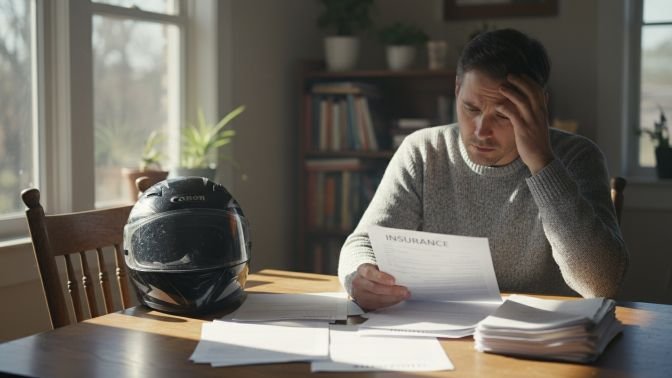
I will explain how a DUI can change lives and affect neighborhoods, from lasting family trauma to broader safety risks and costs.
Emotional Impact on Families
I have seen how one impaired-driving crash upends a family. Survivors may face long hospital stays, permanent disability, or sudden death. That creates ongoing medical bills, therapy needs, and lost income that strain daily life.
Guilt and anger often follow. Parents may grieve a child or cope with a partner’s severe injury. Children can develop anxiety, sleep problems, or trouble at school after witnessing a crash or losing a caregiver.
Legal outcomes make stress worse. Long court cases, parole hearings, or civil lawsuits create uncertainty. I recommend families seek counseling, financial advice, and victim-support services to handle the mix of emotional and practical challenges.
Community Safety Concerns
I track how impaired driving raises risks across neighborhoods. A single crash increases ambulance and emergency-room demand, stretching local health resources and leaving fewer services for others.
Repeat offenders heighten the danger. Areas with limited public transit or late-night job shifts see more impaired-driving incidents because people lack safe travel options. That patterns into higher pedestrian and bicycle injuries near bars and late-night venues.
Local economies feel the impact too. Insurance costs, legal fees, and lost productivity add up for businesses and taxpayers. I advise communities to pair enforcement with prevention: more rideshare access, safe-ride programs, and targeted public education to lower harm.
FAQs
How much alcohol or drugs make riding unsafe?
Even small amounts can slow my reaction time and impair balance. I know that coordination and judgment decline before I feel very drunk.
Can I be arrested for riding under the influence?
Yes — in some jurisdictions I can face fines, license penalties, or arrest. Serious crashes can lead to criminal charges if someone gets hurt.
What risks am I taking if I ride while impaired?
I increase my chance of falling, colliding with vehicles, and misjudging traffic. I also put pedestrians and other road users at risk.
Are there safer options if I’ve been drinking?
I can choose a taxi, rideshare, public transit, or ask a sober friend for a ride. Locking my bike and waiting until I’m sober is often the best choice.
How can I reduce risk even when sober?
I keep my bike well-maintained, wear a helmet, use lights at night, and stay visible. I also plan routes that avoid busy roads when possible.
Conclusion
I want to be clear: riding while impaired raises real risks for everyone on the road. Impairment slows reflexes, blurs judgment, and reduces balance — all crucial for safe riding.
I have seen how one bad decision can cause serious injury or death. Even short rides after drinking or using drugs can end badly for the rider and for bystanders.
I recommend practical steps to reduce harm. Use a sober friend, call a ride service, lock up your bike or scooter overnight, or wait until you are fully sober before riding.
I trust readers will take responsibility for their safety and the safety of others. Small choices make a big difference, and avoiding riding under the influence is a simple, effective one.