
You make choices every time you approach an intersection, and one choice can keep you and others safe. Respecting traffic lights reduces crashes, protects people walking and biking, and helps traffic move more smoothly.
When you stop at red, slow at yellow, and go at green, you follow a shared rule that prevents chaos. Ignoring signals raises the chance of collisions, fines, and harms to vulnerable people like pedestrians and cyclists.
Key Takeaways
- Traffic signals cut crash risks and protect vulnerable road users.
- Obeying lights keeps traffic flowing and reduces delays.
- Breaking signals can cause injuries, legal trouble, and community harm.
Understanding Traffic Light Signals
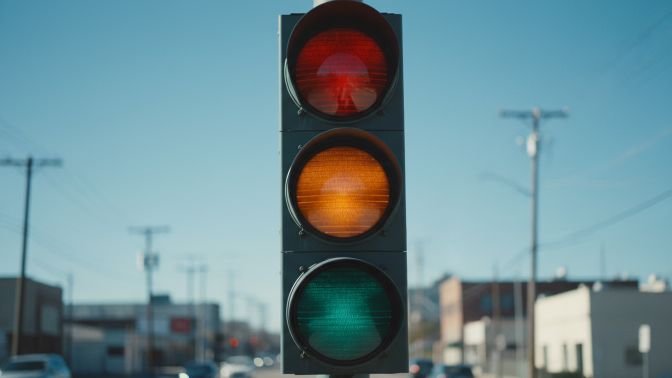
Traffic lights tell you when to stop, get ready, or go. They use simple colors and timed patterns to keep traffic moving and reduce crashes.
How Traffic Lights Work
Traffic lights use timed cycles, sensors, or a mix of both to control flow. In timed systems, lights change on a fixed schedule set by traffic engineers. Sensors in the pavement or cameras detect vehicles and extend or shorten green time when needed. You might also see adaptive systems that change timing based on real-time traffic data to reduce delays.
Lights are arranged so drivers and pedestrians can clearly see which movement has the right of way. Controllers in a cabinet near the intersection manage the sequence. Signal timing considers peak hours, pedestrian crossing time, and the speed of approaching vehicles.
Types of Traffic Signals
Standard three-section signals are most common: red, yellow, and green in a vertical or horizontal layout. You will also see arrow signals that control turns, flashing lights that indicate caution or special rules, and pedestrian signals with WALK/DON’T WALK or countdown timers.
Other types include:
- Signalized crossings for schools or busy sidewalks.
- Portable signals used during construction.
- Roundabout signs and yield lights where full signals aren’t needed.
Different forms serve different needs. Turn arrows keep left- or right-turning traffic separate from through traffic. Flashing modes help during off-peak hours or when sensors detect unusual conditions.
Key Differences in Light Colors
Each color has a distinct, legal meaning you must follow. Red means stop behind the crosswalk or stop line and stay stopped until the light changes. Yellow warns the light will change to red; you should stop if you can do so safely. Green gives you the right to go, but you must yield to pedestrians and oncoming traffic if turning.
Arrows follow the same color rules but apply only to the indicated movement. Flashing yellow means proceed with caution; flashing red means stop and treat the intersection like a stop sign. Knowing these exact meanings helps you avoid crashes and traffic fines.
The Role of Traffic Lights in Road Safety
Traffic lights set clear expectations at intersections, so you know when to stop, go, or wait. They assign right-of-way, protect pedestrians, and help traffic move more predictably.
Preventing Accidents and Injuries
Traffic lights reduce collisions by separating conflicting movements. When a light turns red for your direction, oncoming traffic or crossing pedestrians get a dedicated green phase. This lowers the chance of right-angle crashes, which often cause serious injuries.
You also benefit from timed pedestrian signals at busy crossings. These give you clear crossing windows and reduce risky jaywalking. Studies from transportation agencies, such as the FHWA, show signalized intersections have fewer severe crashes than uncontrolled ones (see fhwa.dot.gov).
Red and amber phases give drivers time to react. That buffer reduces sudden braking and rear-end crashes. Properly maintained lights and visible signal heads are key to keeping these safety gains.
Managing Vehicle and Pedestrian Flow
Traffic lights coordinate when vehicles and people move through intersections. Signal timing assigns green time based on demand, so your direction gets enough opportunity to clear without needless delay.
Modern systems use sensors or cameras to detect queues and adjust green time. This prevents long backups on your route and reduces risky lane changes. Pedestrian push-buttons and dedicated walk phases let you cross with fewer conflicts from turning vehicles.
At complex intersections, turn arrows and separate phases prevent mixing left-turns with oncoming through traffic. That clarity lowers confusion and helps you make safer decisions.
Reducing Traffic Congestion
Well-timed signals cut stop-and-go driving on your commute. By spacing greens along a corridor, signal coordination creates a “green wave” that keeps you moving at a steady speed and reduces fuel use.
Adaptive signal control systems respond in real time to traffic volumes. When a street fills, the system lengthens green time so queues clear faster. This lowers idle time and shortens travel times for you and other road users.
Reducing congestion also lowers aggressive driving behaviors, such as risky passing or running red lights. Less congestion means fewer opportunities for those maneuvers and a smoother, safer road environment.
Consequences of Ignoring Traffic Lights
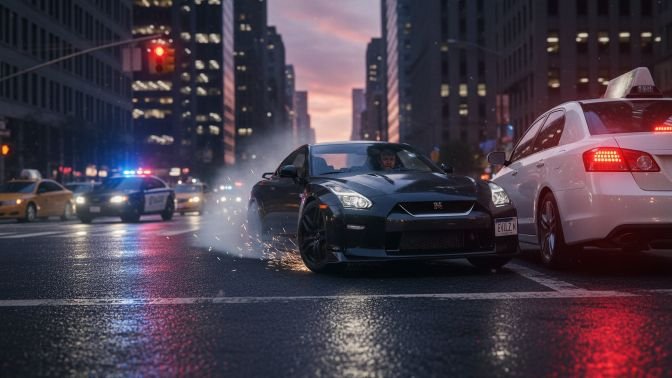
Ignoring traffic lights can cost you money, points on your license, and raise the chance of a crash that harms people or damages property. You face legal penalties, higher insurance costs, and a much greater risk of collision when you run a red light or roll through a stop signal.
Legal Penalties and Fines
If you run a red light, you can get a traffic ticket on the spot or from a camera. Fines often range from $50 to several hundred dollars depending on your state or city. Some places add court fees that increase the total cost.
Your driving record can pick up points for the violation. Points can lead to license suspension if you collect too many within a set period. In cases that cause injury or death, you could face criminal charges like reckless driving or vehicular manslaughter.
You may be required to appear in court for repeat offenses or crashes. Judges can order traffic school, community service, or even jail time in severe cases. Police reports and court records also stay public and can affect jobs that require a clean driving record.
Increased Risk of Collisions
Running a traffic light greatly raises the chance of a crash. Intersections are common places for T-bone collisions, which often cause serious injury because one vehicle hits the side of another.
You put pedestrians and cyclists at high risk when you ignore signals. Many intersections have crosswalks and bike lanes; failing to yield can cause severe harm to people who have less protection than drivers.
Even if nobody is hurt, hitting another vehicle or object causes repair bills, lost work time, and the stress of dealing with police and insurance. Rear-end, side-impact, and multi-car pileups can start from a single light violation.
Insurance Implications
A ticket for running a light typically raises your insurance premium. Insurers often view signal violations as higher-risk behavior and may increase rates at your next renewal.
If your violation causes a crash, your insurer can raise premiums more sharply and may assign you full fault. You could also face a deductible for repairs and possible lawsuits from injured parties seeking compensation.
Multiple violations can lead insurers to non-renew your policy. That forces you to shop for high-risk or non-standard coverage, which often costs significantly more and can require an SR-22 filing in some states.
Protecting Vulnerable Road Users
Traffic lights help keep people who walk and bike visible and safe. They give clear times for when you should go or stop and reduce chances of fast or unexpected vehicle movements.
Pedestrian Safety
Traffic lights give you assigned time to cross busy streets. A walk signal separates your movement from turning or through traffic. You should wait for the green walking man or countdown before stepping into the crosswalk.
Use the curb-to-curb crossing lines and avoid starting when only a flashing signal shows. If a signal has a countdown timer, use it to judge whether you can finish crossing safely. Always make eye contact with drivers who might turn across your path.
At many intersections, signals include pedestrian push-buttons or leading pedestrian intervals. Press the button early to ensure the walk phase appears. Leading pedestrian intervals let you start crossing before vehicles move, which lowers conflict with turning cars.
Cyclist Protections
Traffic lights organize where and when you enter intersections on your bike. Many signals include bike-specific phases or separate lanes that reduce close passes by cars. Follow the bicycle signal if one exists; it coordinates your movement with vehicle flows.
Ride in the visible part of the lane and obey traffic signals like other vehicles. When a signal offers a bike box or advanced stop line, use it to position yourself ahead of cars at red lights. This increases driver awareness and reduces right-hook and left-cross collisions.
If a junction lacks bike signals, treat the light the same as a slow-moving vehicle would: stop on red, go on green, and use hand signals to show your intentions. This predictable behavior helps drivers and other road users react safely.
Enhancing Community Wellbeing
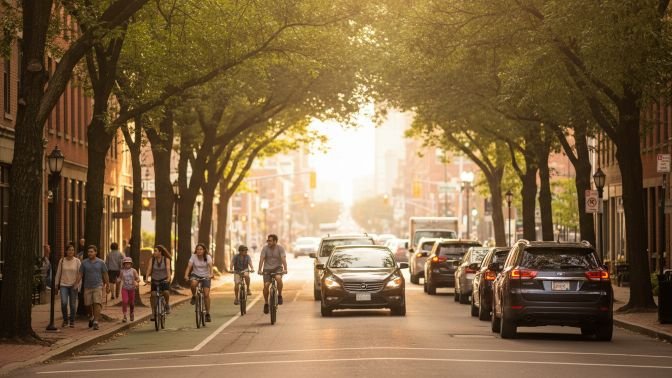
Respecting traffic lights lowers crashes, cuts delays, and makes it easier for people to walk, bike, and drive safely. It also helps emergency vehicles move faster and reduces stress for everyone on the road.
Promoting Responsible Driving Habits
When you stop at red lights and follow signals, you set a clear example for other road users. Drivers behind you learn to expect consistent behavior, which reduces sudden braking and tailgating. That steady driving lowers the chance of rear-end and intersection collisions.
Obeying signals also helps new and young drivers build good routines. You reinforce scanning for pedestrians, checking intersections, and using turn signals. Those habits reduce risky decisions like running yellows or blocking crosswalks.
Practical steps you can take include:
- Always come to a full stop at red lights.
- Avoid entering an intersection on a flashing red or when you can’t clear it.
- Keep a safe following distance to give others room to react.
Supporting Emergency Services
You help ambulances, fire trucks, and police reach scenes faster when you follow traffic controls. Respecting lights prevents gridlock at intersections and creates clear paths for emergency vehicles.
You can make a direct difference by yielding to lanes they use and not blocking intersections. When you stop at reds and obey signal timing, traffic flow stays predictable. That predictability gives emergency drivers better options for safe, fast travel.
Simple actions to support responders:
- Pull over to the right and stop when you hear sirens.
- Don’t enter an intersection if you can’t fully clear it.
- Stay out of designated emergency lanes and keep intersections clear.
Technological Innovations in Traffic Signals
Traffic signals now use smart timing, sensors, and artificial intelligence to cut delays, reduce crashes, and help emergency vehicles move faster. You will see these technologies at busy intersections, near schools, and on main roads where timing and detection matter most.
Smart Traffic Light Systems
Smart traffic lights change signal timing based on current traffic, not fixed schedules. You might notice they extend green time when several cars queue or shorten wait times on empty side streets. Cities like Los Angeles and Singapore use adaptive systems to improve peak-hour flow and lower idling.
These systems link multiple intersections so lights coordinate along a corridor. That coordination creates “green waves” that help buses and bikes keep moving and can reduce total travel time. Agencies often run these systems from a traffic management center and adjust settings using real-world traffic data.
If you want more detail on deployment and standards, check resources from the Federal Highway Administration (FHWA) or transportation research at the National Academies.
Integration of Sensors and AI
Sensors collect real-time data from cameras, radar, loop detectors, and connected vehicles. That data tells the controller how many vehicles wait, if pedestrians push crosswalk buttons, or if emergency responders need a clear path. You benefit because the lights respond to actual conditions instead of guessing.
AI analyzes patterns across hours, days, and special events to predict congestion and tune signal plans. It can also flag safety risks like frequent near-misses at an intersection. Cities use these AI insights to plan changes, such as adding turn lanes or changing crosswalk timing. For technical guidance and safety standards, look at resources from the Institute of Transportation Engineers (ITE).
Global Perspectives on Traffic Light Compliance
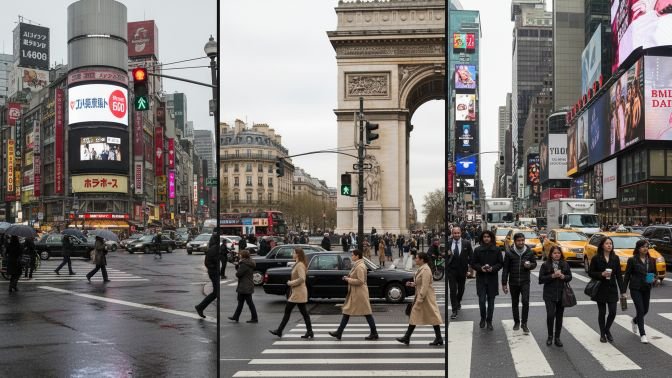
You will find traffic light rules vary across countries, but their goal stays the same: keep people safe. Many places use the standard red-yellow-green system, while some add symbols or different light arrangements for bikes and buses.
International groups and national agencies set rules you must follow. Organizations like IEC and agencies such as NHTSA or FHWA in the U.S. help create consistent standards and guidance for signal design and use. This makes signals easier to understand when you travel.
Cultural and legal differences affect how strictly people obey signals. In some cities, drivers and pedestrians almost always stop for red lights. Elsewhere, enforcement is weaker, and noncompliance is more common. That influences crash rates and travel efficiency.
Technology changes how you experience signals. Adaptive systems and data-driven controls adjust timing to match traffic, and some countries use smart-city networks to coordinate lights across many streets. You may notice smoother flow and fewer delays where these systems work well.
When you travel, watch for local signal shapes, symbols, or rules that differ from what you know. Learning small local variations can reduce confusion and lower your risk at intersections.
FAQs
Why must you stop at a red light?
A red light tells you to stop so cross traffic and pedestrians can move safely. Stopping reduces the chance of crashes and keeps intersections orderly.
What does a yellow light mean for you
Yellow warns that the light will turn red soon. You should slow down and stop if you can do so safely; do not speed up to beat the light.
Can you turn on red?
Rules vary by location. In many places you may turn right on red after a full stop and when the way is clear, but signs or local laws can forbid it. Always check for pedestrians and oncoming traffic.
How do traffic lights help pedestrians and cyclists?
Traffic lights give clear signals for when to cross or ride. They reduce conflicts with vehicles and make crossings safer for everyone.
What happens if you ignore a traffic light?
Running a light increases your risk of a serious crash and can lead to fines or points on your license. It also endangers other road users and can cause traffic delays.
How should you react to a malfunctioning signal?
Treat a broken or flashing red signal like a stop sign: stop, then proceed when safe. If the light flashes yellow, proceed with caution and yield where needed.
Conclusion
Respecting traffic lights keeps you and others safer. You reduce the chance of crashes by following clear signals at intersections.
You save time and fuel when traffic moves smoothly. Stopping and starting less often cuts delays and cuts wasted fuel.
You help pedestrians and cyclists cross streets safely. That builds trust and makes roads fairer for everyone.
You follow laws and avoid fines or points on your license. Obeying signals also shows good judgment to other road users.
Small actions add up. Your choice to stop at red, go on green, and wait when required supports a steady flow and lowers risk for all.