You rely on your tires more than you think. When pressure is too low or too high, your car handles worse, brakes take longer to stop you, and the chance of a blowout rises — all of which put you at real risk on the road. Keep your tires at the correct pressure and you lower accident risk, extend tire life, and improve fuel economy.
I want you to take a minute to think about the last time you checked your tires. A quick pressure check is simple, fast, and often prevents expensive or dangerous problems before they start. This post will show you how small effort now saves trouble later and keeps you safer every time you drive.
Key Takeaways
- Regular tire checks improve handling and reduce crash risk.
- Correct pressure saves money by extending tire life and cutting fuel use.
- Quick, routine checks prevent sudden failures and roadside emergencies.
The Role of Tire Pressure in Vehicle Safety
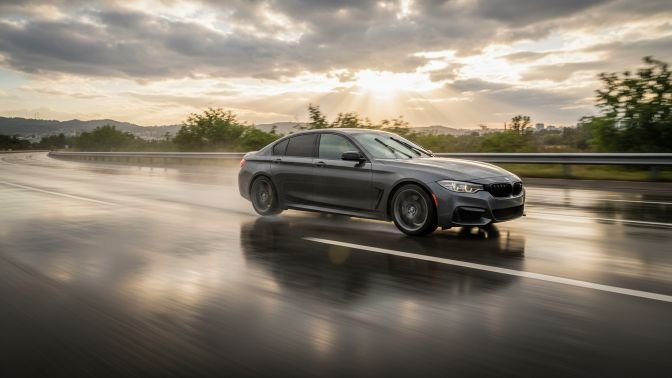
I check tire pressure because it directly affects how the car stops, steers, and grips the road. Small pressure differences can change braking distance, steering response, and traction in wet or slippery conditions.
Impact on Braking Performance
Underinflated tires have a larger contact patch and softer sidewalls, which increases rolling resistance and can lengthen my stopping distance. When I brake hard, the tire can deform more, reducing the tire’s ability to hold the road and increasing the chance of skidding.
Overinflated tires concentrate load in the center tread. That reduces the effective contact area and can also increase braking distance, especially on wet or loose surfaces. Both under- and overinflation raise the risk that ABS and electronic braking systems won’t perform as designed.
I keep tires at the manufacturer’s recommended pressure to help ensure predictable, shorter stops. Checking pressure monthly and before long trips helps me avoid pressure-related braking problems.
Influence on Vehicle Handling
Tire pressure alters steering feel and responsiveness. If a front tire is low, I notice slower steering response and more wandering. If the rear tires are low, the car can feel unstable in corners and may oversteer or understeer depending on the drivetrain.
Uneven pressures cause uneven handling. A single low tire can pull the car toward that side and require constant correction. High pressure makes the ride harsher and reduces mechanical grip, so the car can skip or slide over bumps instead of tracking smoothly.
I adjust pressure for load and driving conditions. I use the placard on the doorjamb or the owner’s manual for correct cold pressures and re-check after temperature or load changes.
Effects on Traction and Stability
Tire pressure affects how tread meets the road, which affects traction on wet, icy, or uneven surfaces. Underinflation flattens the tread, increasing heat and wear and reducing grip in corners and on slick surfaces. That raises the chance of hydroplaning in heavy rain.
Overinflation reduces the tire’s footprint and can concentrate wear in the center, lowering traction on loose or wet roads. It also makes the car more sensitive to bumps and potholes, which can upset stability at speed.
I monitor pressure to maintain consistent traction and reduce uneven tire wear. Proper inflation helps tires evacuate water, stay cooler, and hold predictable lines through turns and in emergency maneuvers.
Risks of Incorrect Tire Pressure
I focus on the main dangers that bad tire pressure creates: sudden tire failure, poorer control in quick maneuvers, and uneven wear that shortens tire life and raises costs.
Increased Risk of Tire Blowouts
Low pressure makes more of the tire touch the road, which raises friction and heat. I check pressure because excess heat can weaken the tire’s internal layers and lead to tread separation or a blowout at highway speeds.
Overinflation also risks failure by reducing the tire’s ability to absorb road impacts. A hard tire picks up more force from potholes or debris, which can cause sidewall cuts or sudden loss of pressure.
I recommend checking pressure monthly and before long trips. The National Highway Traffic Safety Administration (NHTSA) and tire makers like Michelin provide recommended PSI ranges for most vehicles and show how heat and speed affect tire stress. Keeping tires at the manufacturer’s PSI greatly lowers the chance of a dangerous failure.
Reduced Control During Emergencies
Incorrect pressure changes how the car handles in sudden stops or steering maneuvers. Underinflated tires feel sluggish and have slower steering response, which increases stopping distance and reduces ability to avoid hazards.
Overinflated tires create a smaller contact patch, so braking grip falls and the vehicle can skid or slide more easily on wet or icy roads. I practice emergency braking drills in a safe area and notice the difference when tires are set right versus when they’re not.
Electronic aids like ABS and stability control help, but they rely on good tire contact to work well. For guidance on safe stopping distances and how tire pressure affects them, I use resources from trusted sites such as the AAA or NHTSA.
Uneven Tire Wear
Wrong pressure produces uneven tread wear and shortens tire life. Low pressure wears the edges more than the center, while high pressure wears the center more than the edges. Both patterns force earlier replacement and cost more money.
Uneven wear also harms handling and fuel economy. I inspect tread depth across the tire regularly and rotate tires per the vehicle manual to even out wear. Many manufacturers and dealers provide simple guides that show proper rotation intervals and give tips on spotting irregular wear.
Tire Pressure and Fuel Efficiency
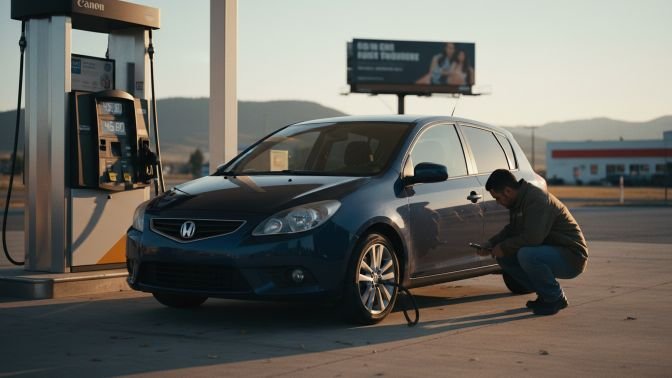
I check tire pressure because it directly affects how much fuel my car uses and how the vehicle handles. Small pressure changes can change rolling resistance, which changes miles per gallon and tire wear.
How Underinflation Affects Fuel Consumption
When tires are underinflated, the sidewalls flex more as the tire rolls. That flexing raises rolling resistance, so the engine must work harder and burn more fuel.
For every 1–2 psi below the vehicle’s recommended pressure, my fuel economy can drop slightly. Larger drops, like 5–10 psi low, produce a noticeable loss in miles per gallon. Underinflation also heats tires, which speeds tread wear and can increase the risk of failure.
I watch tire pressure with a gauge monthly, and after big temperature changes. That habit reduces wasted fuel and lowers the chance I’ll need an early tire replacement.
Benefits of Maintaining Recommended Pressure
Keeping tires at the manufacturer’s recommended pressure gives me the best balance of fuel economy, handling, and tire life. Proper pressure lowers rolling resistance, so I get more miles per gallon on the same trip.
Correct pressure also helps braking distance and steering response stay predictable. Tires wear more evenly when inflated correctly, which means fewer replacements and lower long-term cost.
I set a reminder to check pressures at least once a month and before long trips. Using a quality gauge or the dealer’s service keeps readings accurate and reliable.
Checking Tire Pressure: Best Practices
I keep tire checks simple and regular. I focus on timing, the right tools, and the manufacturer’s PSI to keep my car safe and efficient.
When to Check Tire Pressure
I check tire pressure at least once a month and before long trips. Tires lose about 1–2 PSI per month from normal seepage, and temperature drops can cut pressure by about 1 PSI for every 10°F change. I always measure when tires are cold — after the car has sat for three hours or driven less than a mile — because driving heats tires and raises pressure.
I also check after notable events: large temperature swings, heavy loads, or hitting a pothole. If the dash TPMS light comes on, I stop and measure with a gauge right away. Frequent checks catch slow leaks before they become flats or blowouts.
Using a Tire Pressure Gauge
I use a quality digital or pencil gauge for accurate readings. Digital gauges are simple: press onto the valve stem, read the PSI, and repeat for each tire. I keep the gauge in my glove box so it’s always available.
Follow these steps:
- Remove valve cap, press gauge firmly, and note PSI.
- Compare to recommended PSI (found on the placard or owner’s manual).
- Add air at a pump if low; release air through the gauge if high. I recheck after adding or releasing air, because small adjustments change the reading. Clean valve caps and replace them to prevent dirt from causing leaks.
Understanding Vehicle Manufacturer Recommendations
I always use the PSI listed on the vehicle placard — usually on the driver’s door jamb — or the owner’s manual. Those numbers reflect the best trade-off between safety, handling, load capacity, and fuel economy for my specific vehicle and tire size.
Note the difference between “cold” PSI and the max PSI on the tire sidewall. The sidewall shows the tire’s maximum limit, not the recommended driving pressure. If I carry heavy cargo or tow, I follow the higher PSI setting listed for those conditions.
Seasonal and Environmental Considerations

I focus on how temperature swings and altitude shifts change tire pressure and why that matters for safe driving. Read these parts to learn what to check, when to check it, and how to adjust PSI for real conditions.
Temperature Changes and Tire Pressure
Cold air makes tire pressure drop. For every 10°F (about 5.5°C) drop, pressure falls roughly 1–2 psi. I check tires more often in fall and winter because low PSI reduces traction and can increase stopping distance.
Heat raises pressure, so a hot summer day can push tires above the recommended PSI, risking a blowout. I measure pressure when tires are cold — before driving or after a three-hour cool-down — to get an accurate reading. Keep a reliable gauge in the glove box and compare readings to the vehicle placard or owner’s manual. For safety guidance and testing tips, I use resources from the National Highway Traffic Safety Administration (NHTSA) and manufacturer manuals.
Effects of Altitude on Pressure
Rising altitude lowers air density, which can slightly change the pressure reading you see on a gauge. When I drive to high elevations, the gauge may show lower psi even if the tire holds the same mass of air. That difference is usually small, but it matters when you’re close to the recommended limits.
I top off tires at the altitude where I’ll be driving. If I plan long mountain trips, I check tires before departure and again after reaching altitude. For precise rules and conversion tips, I refer to tire manufacturer guidance and airline-style pressure notes from trusted auto sites to avoid underinflation or overinflation.
Long-Term Benefits of Routine Tire Pressure Checks
I save money over time by keeping tire pressure at the right level. Properly inflated tires wear evenly, so I replace them less often and spend less on new tires.
I notice better fuel economy when tires are correct. Underinflated tires raise rolling resistance, which makes the engine work harder and use more fuel.
I reduce my risk of tire damage and blowouts. Checking pressure helps me spot slow leaks or abnormal drops before they become dangerous on the road.
I protect other vehicle systems, too. Tires at proper pressure help suspension and brakes perform as designed, lowering wear on those parts.
I help the environment a little every time I check pressure. Improved fuel efficiency means fewer emissions, and longer-lasting tires lower resource use from manufacturing.
- Tools I use: a reliable tire gauge and the vehicle’s recommended pressure from the door jamb or owner’s manual.
- When I check: at least once a month and before long trips, plus during big temperature shifts.
Doing these checks often is a small habit that keeps my car safer, cheaper to run, and more reliable in the long run.
FAQs
How often should I check tire pressure?
I check mine at least once a month and before long trips. Tire pressure can drop with temperature changes and slow leaks.
Can underinflated tires cause a crash?
Yes. Underinflation reduces handling and braking performance and raises the chance of a blowout. I treat low pressure as a safety issue, not just a maintenance item.
What about overinflation?
Overinflated tires wear unevenly and give a harsher ride. I avoid adding air beyond the recommended PSI unless the vehicle manual advises otherwise.
Should I check tires cold or after driving?
I check when tires are cold, meaning the car hasn’t been driven for at least three hours. Driving heats the air and raises pressure, giving an inaccurate reading.
Do tire pressure monitoring systems (TPMS) replace manual checks?
TPMS helps, but it may only warn for big pressure drops. I still check pressures manually because TPMS can miss small leaks and won’t show exact PSI.
What tool should I use?
I use a reliable digital or dial pressure gauge. They give quick, accurate readings. Keep a portable pump or visit a station to adjust pressure as needed.
Conclusion
I check my tire pressure regularly because it directly affects safety, fuel use, and tire life. A simple monthly check can prevent blowouts and improve braking and handling.
I keep a reliable gauge in my glove box and check when tires are cold. That habit helps me spot slow leaks and correct under- or over-inflation before they become dangerous.
I know proper pressure saves fuel and cuts wear, so it also saves money over time. Small pressure changes can make a real difference in grip and stopping distance.
I use these quick steps: check pressure monthly, follow the vehicle placard or owner’s manual, and inspect tires for damage. If I see a persistent loss, I have a pro inspect the tire and valve.
Bold steps I take:
- Carry a tire gauge
- Check when tires are cold
- Follow manufacturer pressure
- Fix leaks promptly
Maintaining correct tire pressure is a low-effort habit with clear, practical benefits. I treat it as basic vehicle care that keeps me safer on the road.