
You may feel shaken after a minor crash, but you can take a few clear steps to protect your safety, your rights, and your wallet. Stop, check for injuries, move to a safe spot if you can, call the police if damage or injury exists, exchange information, and document the scene with photos and notes. Staying calm and acting quickly keeps a small crash from turning into a big problem.
Keep a checklist on hand and follow it: make sure everyone is okay, collect names and insurance info, take pictures of damage and the scene, and notify your insurance company when you have the facts. I’ll walk you through exactly what to do at each step and what to avoid so you don’t miss important details.
Key Takeways
- Prioritize safety and check for injuries immediately.
- Gather and record clear evidence and contact information at the scene.
- Notify police or your insurer when damage, injury, or dispute exists.
Immediate Steps After a Minor Crash
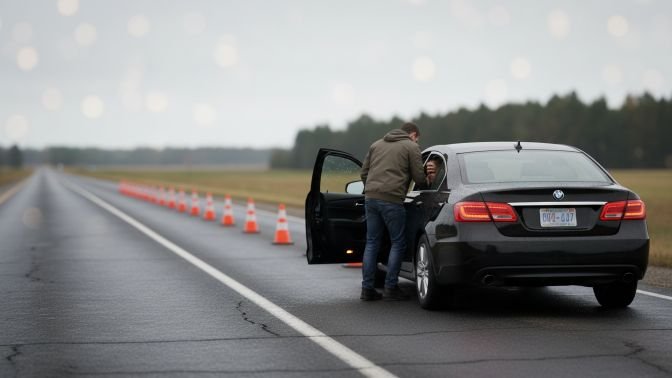
I focus on safety first, check people for injuries, and make the scene visible to other drivers. I act quickly but calmly so I can protect myself and others and preserve evidence like photos and notes.
Ensure Safety and Move to a Safe Location
I check my surroundings for traffic and hazards right away. If my car still runs and it’s safe, I steer it to the shoulder, a parking lot, or a nearby driveway to get out of the traffic lane.
If I can’t move the car safely, I stay inside with my seatbelt on and call for help. I avoid standing between cars or behind them where I could get hit by passing traffic.
I lock the vehicle if I leave it and take my keys, wallet, and phone. I use cones, flares, or warning triangles if I have them and if it’s safe to place them.
Check for Injuries
I check myself and my passengers for pain, bleeding, dizziness, or signs of shock. Even if injuries seem minor, I watch for symptoms that can appear later, like neck pain or headaches.
I ask the other driver and any passengers if they are hurt and call 911 for anyone who is injured. If medical help is not needed immediately, I still recommend seeing a doctor within 24–48 hours to document any delayed symptoms.
If someone refuses medical care but later reports an injury, I note that refusal in my notes and get contact information for witnesses.
Turn On Hazard Lights
I switch on my hazard lights as soon as the crash happens. The lights warn other drivers and reduce the risk of a secondary collision while I move or check for injuries.
If it’s nighttime or visibility is low, I also use flashers and a flashlight. I avoid using bright interior lights that can distract other drivers.
Leaving hazard lights on while waiting for police or a tow keeps the scene clear and helps emergency responders find the vehicles quickly.
Communication With Others Involved
I focus on clear, calm communication to protect my safety, my legal position, and my insurance claim. I collect facts, share necessary details, and avoid statements that could be used against me later.
Exchange Contact and Insurance Information
I ask for and give full names, phone numbers, addresses, driver’s license numbers, license plate numbers, and insurance company names and policy numbers. I write this information down or photograph the documents with my phone so I have an exact record.
I also note vehicle makes, models, colors, and visible damage. If there are witnesses, I get their names and phone numbers and ask if they will make a short written or recorded statement.
I take multiple photos of the scene: all vehicles from several angles, skid marks, traffic signs, and the surrounding area. I share only the contact and insurance details with the other driver and my insurer. For guidance on what to record, I check the DMV or my insurer’s claim pages, such as the State Farm claim reporting page or a local DMV website.
Avoid Admitting Fault
I do not say phrases like “I’m sorry,” “It was my fault,” or “I wasn’t paying attention,” even if I think I caused the crash. Short apologies can be seen as admissions of liability. I keep statements factual: describe what I observed (time, weather, traffic signal state) and avoid offering reasons or blame.
If the police arrive, I give my factual account to the officer and avoid arguing. I report the same facts to my insurer and tell them I’m not sure about liability until the investigation is complete. If the other party pressures me, I stay firm and repeat only the basic facts. For legal specifics, I refer to official resources like the FindLaw accident guide or my state DMV.
Documenting the Scene
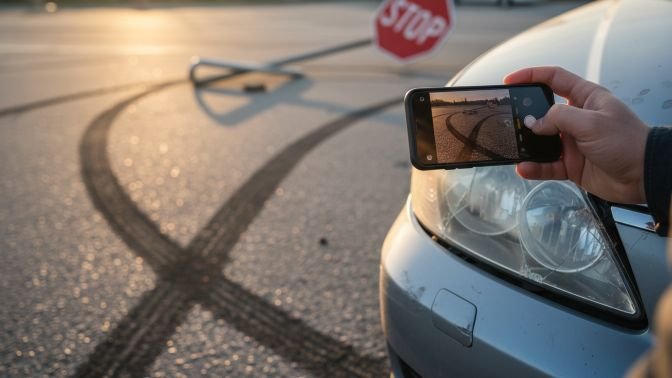
I focus on capturing clear, time-stamped evidence, precise notes, and contact details that insurance companies and police can verify later. I keep my phone ready, write down what I see, and ask witnesses for their names and phones.
Take Photos and Videos
I take wide shots first to show the overall scene, then close-ups of damage and road marks. I photograph all vehicles from multiple angles, the license plates, any airbags deployed, and the odometer if it helps show speed or recent maintenance. I include street signs, traffic signals, skid marks, potholes, and the exact position of vehicles relative to the curb.
I record short video clips that pan slowly across the scene while narrating what I see and the time. I capture weather, visibility, and lighting conditions. I save the original files and back them up to cloud storage or send them to myself by text or email so timestamps remain intact.
Record Details of the Incident
I write the date, time, location (nearest cross street or GPS coordinates), and my speed or lane position. I note what I was doing just before the crash—changing lanes, stopping at a light, or turning—using simple, factual phrases. I list visible damage on my vehicle and the other vehicle, and any warning lights or noises I noticed.
I record statements I or the other driver made at the scene, verbatim if possible. I note whether police responded and the officer’s name or report number. I keep my notes short, factual, and chronological so they match photos and videos later.
Note Witness Information
I politely ask bystanders for their full name, phone number, and a brief account of what they saw. I ask if they will agree to give a written or recorded statement and make a quick note of their exact words. If a witness seems hesitant, I ask for a photo of their ID or send them a quick text to confirm their number.
I note where each witness was standing and what direction they were facing when the crash happened. I record whether anyone provided first aid or called emergency services. I also write down any business names or nearby cameras—like traffic cams or store security—that might have recorded the incident.
Reporting the Accident to Authorities
I will tell you when I should call police, and how I file an official report so I protect myself and my insurance claim.
When to Call the Police
I call 911 immediately if anyone is hurt, no matter how minor the injury seems. I also call when a vehicle cannot be driven, there is heavy damage, or a driver leaves the scene. If drugs, alcohol, or road hazards are involved, I always notify police.
If damage is minor and everyone agrees, some states still require a report if damage exceeds a dollar threshold or someone is injured. I keep a note of the officer’s name, badge number, and the report number at the scene. That information helps with insurance and any later disputes.
Filing an Official Report
If police respond, I ask the officer to create a crash report and get a copy or the report number. If police don’t come, I check my state DMV or local police website for how to file an official report online or by mail within the required time frame.
When I file, I include location, time, vehicle details, insurance info, witness names, and photos of damage. I keep copies of the report and any confirmation emails. Those documents make insurance claims and legal steps easier and protect me if facts are questioned later.
Notifying Your Insurance Provider
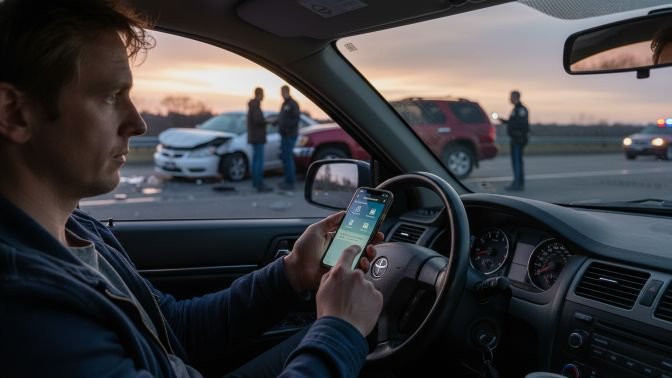
I notify my insurer quickly after a minor crash to protect my rights and create a record of the incident. I document what happened, keep photos, and prepare key details so the call or online report goes smoothly.
How to File a Claim
I start by checking my policy for claim deadlines and contact methods. Many insurers let me file online, by app, or by phone; I pick the fastest option for me.
When I call or use an app, I give a clear timeline: time, location, and how the crash happened. I describe visible damage and any injuries, even if minor. I upload photos of vehicles, license plates, and the scene when possible.
I ask for a claim number and the adjuster’s contact details. I note important timelines the insurer gives me, like inspections or repair shop approvals. If the other driver files a claim later, my timely report protects me from surprise liability.
Information to Provide to Your Insurer
I provide these essentials: my policy number, names and contact info for everyone involved, vehicle makes/models/plates, and the other driver’s insurance details. I also give the police report number if one was filed.
I include precise photos and a short written account of what happened. I share witness names and phone numbers when available. I attach repair estimates or tow receipts and any medical notes if I sought care.
I keep copies of every message, receipt, and photo I send. This record helps resolve disputes and speeds up repairs or payments.
Assessing Vehicle Damage
I focus on visible damage first and decide if the car is safe to drive. Then I plan for a detailed check by a professional to find hidden problems and document everything for insurance.
Checking for Immediate Damage
I look for obvious body damage: dents, cracked glass, or broken lights. I take clear photos from several angles, including close-ups of each damaged area and wide shots that show the whole vehicle and relative position to the road or curb.
I check fluid leaks under the car for oil, coolant, or transmission fluid. I open the hood briefly to see if the radiator, belts, or battery look displaced or damaged.
I test basic functions before moving the car: headlights, turn signals, horn, brakes, and steering feel. If steering is stiff, brakes feel soft, or warning lights stay on, I avoid driving and call a tow.
Write down the time, location, weather, and names of witnesses. This record helps with insurance and repairs.
Arranging for Professional Inspection
I contact my insurer or a trusted mechanic to schedule a full inspection within 24–48 hours. I ask for a written estimate that lists parts, labor, and whether frame or suspension work is needed.
If the car might be unsafe, I arrange a tow to the shop to avoid further damage. I confirm the shop will check hidden areas: undercarriage, wheel alignment, airbag sensors, and electronic systems.
I request digital photos and a checklist from the inspector so I can upload them to my insurance claim. I keep all receipts, estimates, and communications in a single folder for the claim and future reference.
Post-Crash Follow-Up Actions
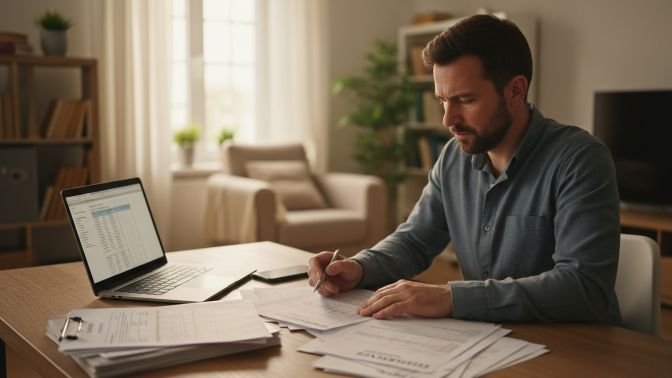
I will watch for delayed injuries, keep careful records of my claim, and get my vehicle fixed promptly and documented. Acting quickly helps protect my health, my insurance claim, and the value of my car.
Monitoring for Hidden Injuries
I check my body for pain, stiffness, or numbness in the hours and days after the crash. Even if I feel okay at the scene, I schedule a medical exam within 48–72 hours because symptoms like whiplash, concussion, or internal injuries can appear later. I tell the clinician exactly what happened, where I felt any force, and any new symptoms such as headaches, dizziness, or jaw pain.
I keep a symptom log with dates and times. I note medications, doctor visits, diagnoses, and treatment plans. If my injuries limit work or daily activities, I keep employer notes and medical notes to support any claim.
For credible medical guidance, I check resources like the CDC’s injury pages for signs to watch and when to seek care.
Tracking Claim Progress
I file a claim with my insurer right away and write down the claim number, the adjuster’s name, and contact info. I follow up by email so I have a dated record. I upload photos, the police report, medical bills, and repair estimates to the insurer’s online portal to speed review.
I track deadlines: claim response windows, rental car limits, and deadlines for damage appraisals. If I disagree with an adjuster, I request a written explanation and ask for an independent appraisal. I keep all receipts for out-of-pocket expenses and document conversations with dates, times, and summaries.
For state-specific rules on claims and consumer rights, I consult my state insurance department’s website.
Repairing Your Vehicle
I get at least two written repair estimates from local, licensed shops. I compare parts used (OEM vs. aftermarket), labor rates, and warranty terms. If my insurer directs me to a shop, I confirm who pays for additional work discovered after the initial repair.
I take clear photos of pre-repair damage and keep a copy of the final repair invoice. If the car is declared a total loss, I confirm the insurer’s valuation method and provide comparable local listings to negotiate fair market value.
I keep a rental car log if I use one, and I confirm rental coverage length with my insurer before I exceed any limits. For vehicle safety recalls or structural concerns, I check the NHTSA recall database for guidance.
Preventing Future Minor Crashes
I focus on actions you can take every day that cut your crash risk. Small changes to how you drive and keep your car can stop many fender‑benders.
Practicing Defensive Driving
I stay aware of traffic around me and expect other drivers to make mistakes. I keep at least one car length per 10 mph between my car and the one ahead, and I increase that space in rain, fog, or heavy traffic. I scan intersections for running lights and watch for brake lights two to three cars ahead.
I avoid distractions by putting my phone out of reach and setting navigation before I start driving. I use mirrors every 5–8 seconds and check blind spots when changing lanes. If someone tailgates, I move over when safe rather than brake hard. I slow down before curves and at intersections, even if I have the right of way.
Regular Vehicle Maintenance
I follow the manufacturer’s maintenance schedule and address warning lights promptly. I check tire pressure and tread depth monthly; underinflated or worn tires reduce grip and increase stopping distance.
I test brakes for unusual noises or spongy pedal feel and have them serviced at the first sign of trouble. I replace windshield wipers every 6–12 months and keep washer fluid filled so visibility stays clear in poor weather. I also ensure headlights, brake lights, and turn signals work; a burned‑out bulb can cause a collision.
FAQs
Do I always need to call the police?
I recommend calling if anyone is hurt, if there’s major damage, or if the other driver won’t exchange information. If it’s a small fender-bender and both drivers agree, some places let you skip a police report, but check local rules.
What info should I collect?
I take photos of the scene, note the other driver’s name, phone, license plate, insurance company, and policy number. I also write down the time, location, and the road conditions.
Should I see a doctor if I feel fine?
I still get checked if there’s any soreness or even delayed pain. Some injuries show up later, and a medical record helps if I file an insurance claim.
When should I contact my insurer?
I contact my insurer as soon as practical. Reporting early can protect my rights and speed up repairs or medical payments.
Can I move my car?
I move my car only if it’s safe and legal. If the vehicles block traffic and no one is injured, I try to move to the shoulder or a nearby safe spot and then document the original position with photos.
Should I admit fault?
I avoid saying I’m at fault. I stick to facts when talking to the other driver and to the police. Fault is for insurers and investigators to determine.
Conclusion
I stayed calm and checked for injuries first. Safety mattered more than anything else, so I moved to a safe spot and warned other drivers if I could.
I collected names, numbers, insurance, and photos of the scene. Those details helped me remember what happened and made reporting the crash easier.
I reported the accident to my insurer and, when needed, to the police. Filing a claim quickly kept options open and helped start repairs or medical care.
I watched for delayed pain and kept medical records. Even minor crashes can cause symptoms later, so I tracked visits and bills for my records.
I kept copies of every document related to the crash. Photos, receipts, reports, and notes made it easier to resolve disputes and proved what I experienced.
If I felt unsure about fault or a claim, I consulted a professional. A lawyer or an experienced claims adjuster gave me clear steps and helped protect my rights.
I used short, simple steps: stay safe, document everything, report promptly, and get medical checks. These actions reduced stress and made the next steps clearer for me.