You should signal whenever your path, speed, or lane position will change so others can predict your moves and avoid surprises. Use turn signals for every lane change, every turn, and any time you slow or stop in an unexpected place, even if you think no one is nearby.
I’ll show when signaling is required by law, when it’s good practice even if not legally required, and how small habits reduce crashes and close calls. You’ll learn simple, dependable ways to signal on bikes, motorcycles, and cars so you act clearly and stay safer on every ride.
Key Takeaways
- Signal every time your direction or position will change.
- Use clear, early signals that others can see and understand.
- Signaling cuts confusion and lowers the chance of crashes.
Understanding Turn Signals
I explain what turn signals are, how they work, and why using them matters for safety and legal reasons. Read the short definitions and clear reasons to help you use signals correctly every time.
What Are Turn Signals?
Turn signals are the blinking lights on the front and rear of a vehicle that show other road users your intended direction. I use the lever on the steering column or a button on the handlebar (for motorcycles) to activate them.
Most cars have a lever you push up for right turns and down for left turns. Motorcycles and bicycles may use electronic switches or hand signals if lights are not available.
Signals usually flash at about one to two times per second. If a signal flashes faster or not at all, it often means a bulb is out or an electrical issue, and I check it before riding.
Key points:
- Location: front and rear lights, sometimes side repeaters.
- Activation: lever, switch, or hand signals.
- Fault signs: fast blink = burned bulb; no blink = wiring or fuse problem.
Why Turn Signals Matter
Turn signals reduce surprises and prevent crashes by giving other drivers clear information about my intentions. I signal before changing lanes, turning, merging, or exiting so drivers behind and beside me can adjust speed and position.
Using signals is required by law in most places; failing to signal can lead to fines or fault in a crash. It also helps pedestrians and cyclists understand when I will cross their path.
Good signal timing matters: I signal at least three to five seconds or about 100 feet before a turn on city streets, and earlier on faster roads. This gives others time to react and lowers the chance of sudden braking or collisions.
Legal Requirements for Turn Signal Use
I explain when the law requires riders to signal and what can happen if they do not. Laws vary by state but share common rules about signaling before turning, changing lanes, or merging.
Traffic Laws and Turn Signal Obligations
I must follow state vehicle codes that say I need to signal when I change direction or lateral position on the road. That includes turning at intersections, entering or leaving a highway, changing lanes, and pulling into or out of parking spaces. Some states let motorcyclists use hand signals instead of electric signals, but others require working turn lights — for example, California requires front and rear signals on motorcycles (see California Vehicle Code §24951). I also must signal with enough time for other drivers to react—commonly at least 100 feet in urban areas or when it’s safe to do so. If my bike’s signal bulb is broken, I must repair it promptly or use clear hand signals where allowed.
Consequences of Failing to Use Turn Signals
Not signaling can lead to traffic tickets, fines, and points on my license. Law enforcement can cite me for failure to signal or unsafe lane change; penalties differ by state and the severity of the incident. Insurance companies may view a lack of signaling as partial fault in a crash, which can raise my premiums or affect claim outcomes. Beyond penalties, failing to signal increases crash risk by creating confusion for other road users. For details on specific state rules and penalties, I consult my state DMV or the National Highway Traffic Safety Administration (NHTSA) for federal guidance.
When Riders Should Use Turn Signals
I use turn signals to make my moves clear to drivers, riders, and pedestrians. Signaling early and clearly helps others react safely and keeps traffic flowing.
Turning at Intersections
I always signal well before I reach an intersection. For a simple right or left turn, I start signaling at least 50–100 feet (or one to two bike lengths in slow traffic) so drivers can see my intent and adjust speed or position.
I check mirrors, glance over my shoulder, and then hold the signal until I finish the turn. If I must move across multiple lanes to turn, I signal earlier and, if possible, move one lane at a time while re-checking traffic.
If the intersection has bike lanes or a dedicated turning lane, I signal to show I will join that lane. When the light changes, I keep the signal until I’m fully in the new direction.
Changing Lanes
I signal every lane change, even on quiet streets. A single quick arm signal or electronic turn indicator before I move warns drivers and other cyclists of my plan.
I pick a safe gap first. Then I signal, look back again, and move smoothly into the next lane. If traffic is fast, I signal earlier and hold the signal longer to give drivers more time to react.
When moving multiple lanes, I signal before each lane change and confirm the lane is clear. I avoid sudden moves and never rely on a single shoulder check without signaling.
Merging onto Roadways
I signal before I merge from a bike path, shoulder, or driveway onto a roadway. I give drivers a clear cue so they can adjust speed or change lanes to accommodate me.
I slow or speed up as needed to match traffic, signal my intent, then merge when there’s a safe gap. If traffic is heavy, I wait for a larger gap and keep signaling until I’m fully in the travel lane.
I use extra caution when visibility is poor. In low light or bad weather, I use lights plus signals, and I make my movements predictable and steady.
Exiting Roundabouts
I signal when I plan to exit a roundabout. I give a clear right-turn signal (or the proper hand/electronic signal) as I pass the exit before mine, then maintain it until I leave the roundabout.
I position myself in the correct lane before entering the roundabout. If I need to change lanes inside the circle, I signal for the lane change and for the exit.
I watch for other cyclists and drivers who may not signal. I assume they might not see me and make exits more visible by slowing and keeping a steady line.
Best Practices for Signaling
I focus on when to start a signal and how long to keep it on so other road users can predict my moves. I cover exact timing, distance, and how to maintain a clear signal during turns and lane changes.
Proper Timing for Signal Activation
I activate my turn signal early enough for others to see and react. For city streets I signal about 100 feet before turning. On faster roads and highways I signal for at least 5 seconds or about 300 feet before I change lanes or exit.
I consider traffic, intersections, and visibility when timing a signal. If traffic is heavy or sightlines are short, I signal earlier than the minimums above. If I’m already in the turn lane, I still signal to confirm my intent.
I cancel the signal once the maneuver is complete. If the blinker stays on after the turn, I switch it off immediately to avoid confusing drivers behind me.
Signal Duration Guidelines
I keep my signal on long enough for drivers behind and beside me to see it, then turn it off as soon as the maneuver finishes. For lane changes I use the signal for about 3—5 seconds before moving and keep it until I am fully in the new lane.
For turns I hold the signal from the point I start slowing or moving toward the turn until I straighten the wheel after the turn. If I pass an intersection without turning, I turn the signal off immediately.
I check my signals regularly to ensure bulbs and indicators work. If a signal is malfunctioning, I use hand signals or pull over to fix it so my intentions stay clear.
Exceptions and Special Considerations
I focus on rules riders should know when signaling might not be needed and how to handle signals in bad weather. Read these points so you can make safer, legal choices on the road.
Situations Where Signals May Not Be Required
I do not always need to use a turn signal when my action is already clear to other road users. For example, if traffic is stopped in a dedicated turning lane and everyone is obviously queued to turn, many state laws allow not signaling. Similarly, when lane changes are impossible due to solid barriers, or when I maintain my lane while making small, legal steering corrections, some jurisdictions don’t require a signal.
Still, I signal whenever there is any doubt. If I merge into moving traffic, change lanes, enter or leave a roundabout, or pull away from the curb, I use my signal. Failing to signal in these common situations increases crash risk and can draw a citation. For local rules, I check my state DMV website (for example, my state’s traffic laws at a state DMV) to confirm exact requirements.
Signaling in Inclement Weather
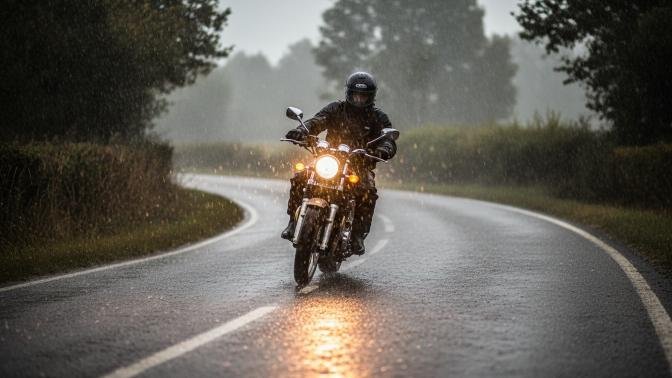
I adjust how and when I signal if rain, fog, or snow reduces visibility. I use my turn signal earlier than usual — typically 3–5 seconds before the maneuver at city speeds and earlier at highway speeds — so drivers have more time to see me. If my signal lights are obscured by grime or ice, I clean them before I ride; malfunctioning signals require repair.
When visibility is very poor, I combine signals: I use my turn signal and make the lane change or turn more slowly, and I check mirrors and over my shoulder for confirmation. If my vehicle’s electrical signals fail, I use clear hand signals and pull to a safe spot to fix the issue. For guidance on safe practices in bad weather, I refer to resources like the National Highway Traffic Safety Administration (NHTSA) for up-to-date safety tips.
Common Mistakes Riders Make with Turn Signals
I see two main errors riders repeat: leaving a blinker on after a turn, and signaling in the wrong way or at the wrong time. Both create confusion for other road users and raise crash risk.
Forgetting to Turn Off Signals
I often notice riders who leave signals on after completing a turn or lane change. This happens most with motorcycles that lack self-canceling switches. An active blinker tells drivers I plan to move when I may already be straightening up, and that mixed message can cause someone to pull in front of me.
I check my mirrors and dash immediately after finishing a maneuver. If the signal stays on, I cancel it by hand or press the switch again. When riding in groups or heavy traffic, I make a habit of glancing down every few seconds until I’m back in my lane to avoid the mistake.
Incorrect Signal Usage
I see two common forms of incorrect use: signaling too late or signaling unnecessarily early. Signaling with only a glance at the last second gives other drivers no time to react. Signaling too far in advance—like several blocks before a planned turn—can mislead drivers about my current intent.
I use signals at a predictable distance: usually 100–200 feet before a turn on city streets and about 5–10 seconds on faster roads. I also avoid relying solely on mirrors; I combine the blinker with a quick head check when changing lanes. If my indicators fail, I use standard hand signals and make eye contact when possible.
Improving Rider Safety Through Signaling
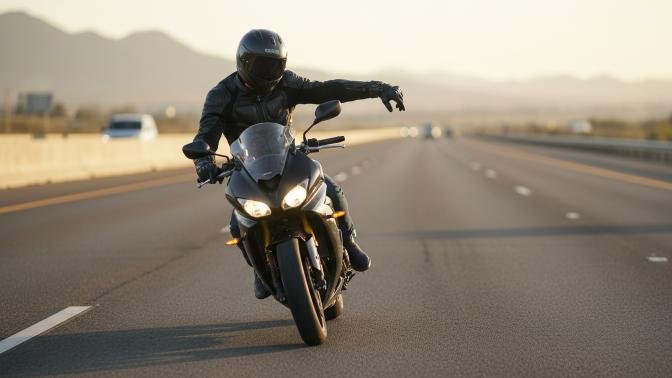
I use turn signals every time I plan to change direction because they give other road users clear notice of my intentions. Signaling early helps drivers, cyclists, and pedestrians predict my next move and reduces sudden surprises.
I also combine signals with shoulder checks and mirrors. A working signal alone is not enough; I confirm the lane is clear before I steer. This extra check prevents blind-spot collisions.
I keep my signals on long enough for others to see them, typically several seconds before the maneuver. Quick taps or late signaling can confuse others and raise the risk of crashes.
I practice hand signals when my bike’s lights fail or when visibility is poor. Hand signals back up electrical signals and are useful in small-group rides or heavy traffic.
Bold habits improve safety:
- Signal early — give others time to react.
- Maintain signals — don’t cancel too soon.
- Check visually — mirrors and shoulder checks matter.
- Use hand signals — for backup or group coordination.
I inspect my turn signals as part of regular maintenance. Functional lights and clear habits together make my rides safer and more predictable for everyone on the road.
FAQs
How long before the move should I signal?
I recommend signaling at least 3 to 5 seconds before you act. On faster roads, signal earlier so drivers have more time.
Do I need to signal in empty streets or quiet neighborhoods?
Yes. I signal every time I change direction. It stays safe and predictable, even if no one seems nearby.
What about hand signals versus electronic blinkers?
I use electronic signals when available because they are clearer. Hand signals work if lights fail or for cyclists, but make them large and obvious.
Can failing to signal cause a ticket or crash?
Yes. I view signaling as both a legal and safety step. Not signaling can increase crash risk and may lead to traffic citations.
Should I cancel the signal after my turn?
I check that my signal stops after the maneuver. If it keeps flashing, I turn it off to avoid confusing others.
What if my vehicle’s signals don’t work?
I fix or replace them right away. Until then, I use clear hand signals and avoid risky lane changes.
Conclusion
I use turn signals every time I plan to change direction or lane. They tell others what I will do and give them time to adjust.
I signal well before I move. On slow roads I signal at least 100 feet ahead; on faster roads I give more distance so drivers can react.
I keep signals on until the maneuver is complete. If a switch fails, I use hand signals or reposition to make my intent clear.
I follow local laws and bike setup rules. Some places and bikes have different equipment needs, so I check both before I ride.
- Be predictable: I avoid sudden moves without signaling.
- Be early: I signal early enough to be seen.
- Be consistent: I signal every time, even when I think no one is nearby.
I find these habits reduce close calls and make riding less stressful. They also show respect for other road users and help me ride with more confidence.