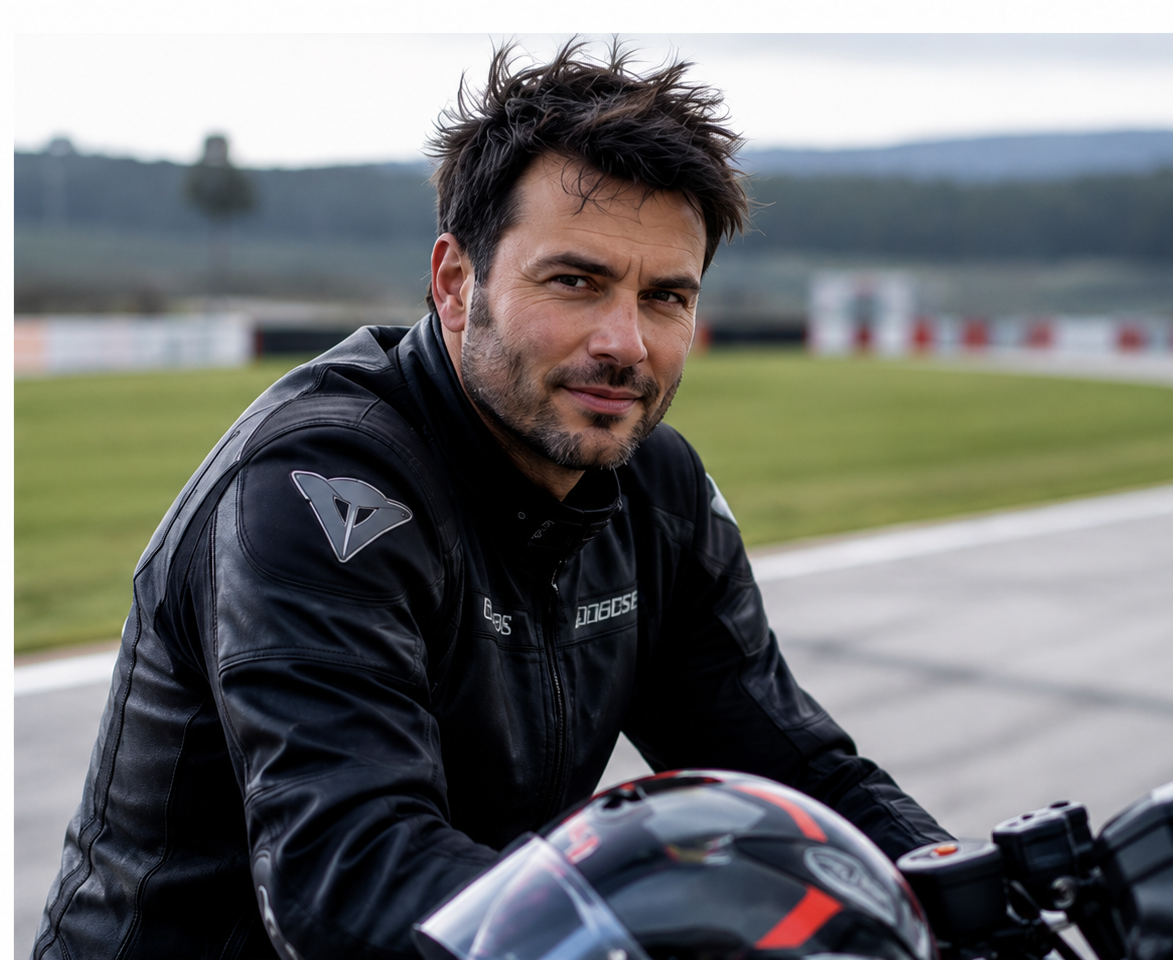
You face several common risks every time you ride: cars turning left, distracted drivers, speeding, alcohol or drug impairment, bad road surfaces, and riders with little training. Wear proper gear, ride defensively, and assume other drivers may not see you to cut your crash risk.
I’ll show how these causes happen, what you can do to avoid them, and simple habits that reduce your chances of a crash. Keep reading to learn the practical steps that make riding safer and more predictable.
Key Takeaways
- Most crashes happen because other drivers or you make mistakes.
- Road and weather hazards raise your risk quickly.
- Good training, gear, and cautious choices lower crash odds.
Driver Error and Inattention
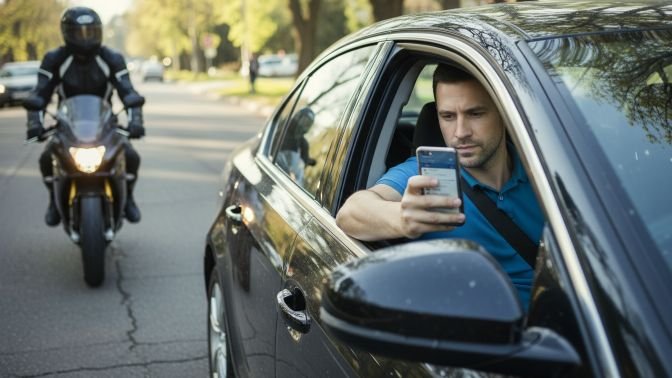
I focus on the rider and other drivers making mistakes that lead to crashes. Common faults include distracted behavior, wrong judgments about speed and distance, and failing to yield when required.
Distracted Riding
I see distractions as one of the top avoidable risks on the road. For riders, common distractions include using a phone, adjusting a GPS, tuning audio, or interacting with passengers. Even quick glances away from the road reduce reaction time and can hide hazards like a car entering an intersection.
For drivers of cars, the failure to notice a motorcycle often stems from similar distractions—texting, passenger conversations, or looking at mirrors. I recommend minimizing cockpit fiddling, using voice navigation, and pulling off the road to change settings. Small habits, like scanning intersections and keeping both hands ready for control, make a measurable difference.
Misjudging Speed and Distance
I find that many crashes occur because drivers misread how fast a motorcycle is coming. Motorcycles can appear smaller and farther away than they really are, which causes a turning driver to pull out too soon. Riders also misjudge gaps when passing or merging, especially at higher speeds.
I advise keeping larger safety margins and avoiding assumptions about another road user’s speed. For riders, using a two-second following gap in good conditions and increasing it in rain or poor light helps. For drivers, pausing an extra second before turning across traffic gives a clearer sense of the motorcycle’s true speed.
Failure to Yield Right of Way
I often encounter collisions where a driver simply fails to yield. Left-turn crashes at intersections are common when a driver doesn’t see the motorcycle or assumes the rider will stop. Stop-sign and driveway incidents happen for the same reason.
I stress active scanning and eye contact when possible. Riders should position themselves for visibility, use headlights during the day, and avoid blind spots. Drivers must check all lanes and mirrors before completing turns or entering traffic. When both parties expect others to yield, the risk of collision rises—so I focus on clear, defensive actions.
Environmental and Road Conditions
I focus on specific road and weather issues that often cause motorcycle crashes. These include slippery surfaces, hidden hazards, and low visibility that reduce reaction time and traction.
Wet or Slippery Surfaces
I see wet roads, oil patches, and painted lines as top risks after rain or in early morning dew. Water reduces tire grip and increases braking distance, so I always lower my speed and increase following distance when pavement looks dark or reflective.
Riders should avoid sudden braking or sharp steering on wet surfaces. I recommend using both brakes smoothly and easing off the throttle before corners. Tires with good tread help a lot; check pressure and tread depth regularly.
Watch for mixed surfaces where dry and wet patches meet. Those transitions can cause the bike to slide unexpectedly. For more guidance on tire care and wet-weather riding techniques, I review resources from the Motorcycle Safety Foundation.
Potholes and Road Hazards
Potholes, loose gravel, fallen branches, and uneven pavement can cause loss of control or sudden swerves. I scan far ahead to spot hazards early and plan a path that avoids them while keeping a safe line.
If I must cross gravel or a pothole, I stand on the pegs when appropriate and keep the throttle steady to maintain balance. Avoid braking hard while turning; that can increase the chance of a slide.
Report large hazards to local road authorities so others are warned. For local reporting procedures and safe hazard handling tips, I check state transportation sites like the Federal Highway Administration for links to local contacts .
Poor Visibility
Dusk, fog, heavy rain, and glare from low sun all make riders harder to see and reduce my ability to see obstacles. I use high-visibility gear, keep my headlights on, and use reflective strips on luggage or jackets.
I position myself in the lane where drivers can see me in mirrors and avoid lingering in blind spots. Slow down in fog or heavy rain and use the lowest safe speed that still allows you to respond to sudden hazards.
If visibility drops too low, I find a safe place to stop until conditions improve. Night riding also calls for clean visors and properly aimed lights to maximize what I can see.
Impaired and Reckless Operation
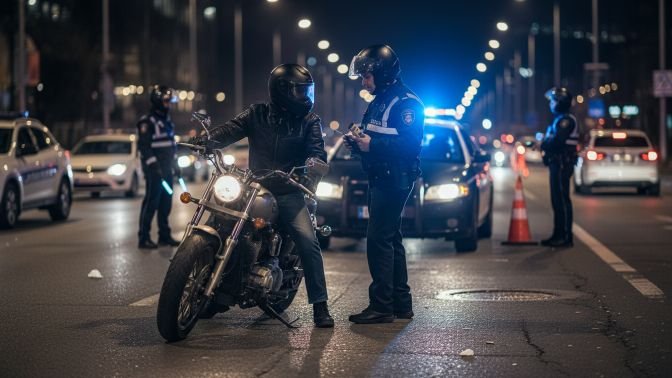
I focus on behaviors that raise crash risk quickly: alcohol or drug impairment, extreme speeds, and risky aggressive moves. These actions reduce reaction time, make judgment poor, and often cause the worst injuries on a motorcycle.
Driving Under the Influence
I have seen alcohol and drugs blunt a rider’s ability to judge distance, speed, and hazards. A blood alcohol concentration of 0.08% or higher greatly raises crash risk, and even lower levels impair balance and coordination. Prescription drugs and cannabis can also slow reactions or change perception.
I advise avoiding riding if I have used any impairing substance. Check state laws and limits before you ride, and use a sober ride service or public transit when needed. For more data on impairment and crash risk, the NHTSA offers clear statistics and guidance.
Excessive Speed
I find speed reduces the time I have to react and makes maneuvers much harder to control. Higher speeds increase stopping distance and the force of impact, which on a motorcycle often equals severe injury or death. Speeding also makes common hazards—gravel, wet pavement, or sudden stops—far more dangerous.
I recommend matching speed to road and traffic conditions, not just the posted limit. Use defensive riding techniques and leave extra space ahead. For guidance on speed and safe stopping distances, the IIHS provides useful research.
Aggressive Maneuvers
I consider weaving, tailgating, and sudden lane changes aggressive behavior. These moves surprise other drivers and often lead to collisions because cars may not see a motorcycle in blind spots or may react unpredictably. Lane splitting at high speed or squeezing between lanes increases the chance of losing control.
I practice calm, predictable riding: signal early, keep a safe following distance, and avoid cutting through traffic. If another driver acts unpredictably, I reduce speed and create space rather than matching the aggression.
Vehicle-Related Causes
I focus on parts and upkeep that stop a bike from working as expected. Faulty components and poor maintenance both raise the chance of a crash by reducing control or causing sudden failures.
Mechanical Failures
I look first at parts that can fail without warning: brakes, tires, steering, and suspension. Worn brake pads or seized calipers cut stopping power. A sudden tire blowout at speed can throw the bike off line and make steering impossible.
Electrical faults matter too. A dead headlight or faulty turn signal lowers visibility and communication with other drivers. Fuel system problems — clogged fuel lines or a failing petcock — can stall the engine mid-ride.
I recommend checking brake lever feel, tire condition and pressure, and that all lights work before every ride. Replace parts at the first sign of wear to reduce odds of an unexpected failure.
Inadequate Maintenance
I consider routine care that riders often skip: oil changes, chain adjustments, and brake system service. Old oil increases engine wear and can cause overheating or loss of power. A loose or rusty chain can skip or break and suddenly jam the rear wheel.
Neglecting tire age and pressure is common. Even with tread, aged tires can fail. Ignoring fork seals or worn suspension parts reduces stability over bumps and during cornering.
I advise keeping a simple maintenance log and following the manufacturer’s service intervals. Regular inspections catch small problems early and prevent them from becoming crash risks.
Other Motorists’ Actions
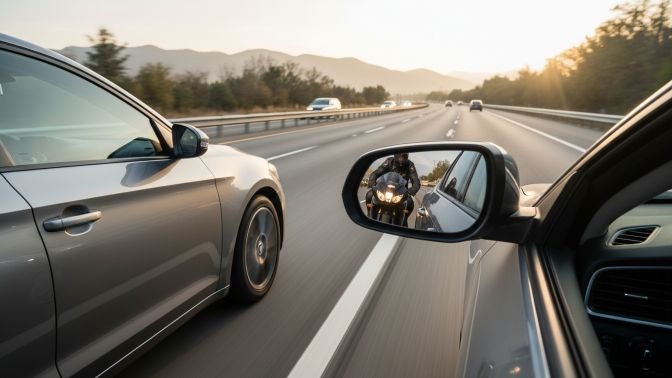
I focus on actions by other drivers that put motorcyclists at risk and what riders can do in response. These include mistakes when turning, failing to check blind spots, and opening doors without looking.
Left-Turn Collisions
Left-turn crashes happen when a driver turns across the path of a motorcycle that is going straight. I see this most often at intersections and private driveways where drivers misjudge a bike’s speed or do not see it at all.
I recommend reducing speed and scanning intersections early. Make eye contact with drivers when possible, and be ready to brake or swerve if a vehicle begins to turn. Use your lane position to increase visibility—ride slightly left of center in your lane when safe.
If a car starts to turn in front of you, brake firmly and sound your horn. Note the vehicle make, color, and plate if a crash occurs; witnesses and camera footage often help after the fact.
Blind Spot Accidents
Drivers change lanes without checking blind spots, cutting into a motorcycle that is harder to see due to its smaller profile. I find this risk higher on multi-lane roads and highways where speed and lane changes happen quickly.
Position yourself so you are visible in mirrors or the driver’s peripheral view, not just in a blind spot. When overtaking, pass quickly and avoid lingering alongside another vehicle. Use your headlight and lane position to draw attention.
If you see a car drift toward you, slow and create space. Assume drivers might not notice you and prepare to take evasive action. Reporting aggressive or distracted drivers can prevent repeat dangerous behavior.
Opening Car Doors
Dooring occurs when someone in a parked car opens a door into the path of a passing motorcycle. I often notice this on urban streets, bike lanes next to parked cars, and when passengers exit suddenly.
Ride at least three feet from parked cars when space allows. Scan for brake lights, turn signals, or movement inside vehicles that suggest a door might open. Reduce speed in parking zones and stay ready to swerve into adjoining lane or stop safely.
If a door opens in your path, avoid swerving into oncoming traffic; instead brake firmly and sound your horn. After any collision, record details and seek medical care even if injuries seem minor.
Rider Experience and Training
I focus on how skill gaps and missing formal training raise crash risk, and what riders can do to fix those gaps quickly and safely.
Inexperienced Riders
I see inexperienced riders make predictable errors that increase crash chances. They often misjudge braking distances and cornering speed. That leads to loss of control in everyday situations like sudden stops or tight turns.
New riders also struggle with lane placement and scanning for hazards. They may ride too close to cars, stay in blind spots, or fail to spot debris and potholes. These positioning mistakes reduce reaction time and make collisions with other vehicles more likely.
I recommend steady practice in low-traffic areas and slow-speed drills. Track time or controlled parking-lot exercises help build clutch, brake, and balance skills without real traffic risks.
Lack of Proper Training
I find many riders skip formal courses and learn from friends or online videos, which leaves gaps in technique and judgment. Formal training teaches emergency braking, threshold braking with ABS, evasive steering, and proper body position for turns.
Certified courses also stress risk management—how to scan intersections, anticipate other drivers’ actions, and choose safer lanes. These lessons cut both minor and severe crashes because riders apply taught countermeasures under stress.
I advise taking a basic rider course first and returning for advanced classes every couple of years. Many programs include on-bike practice and classroom sessions, and some insurers offer discounts for completion.
Weather-Related Factors
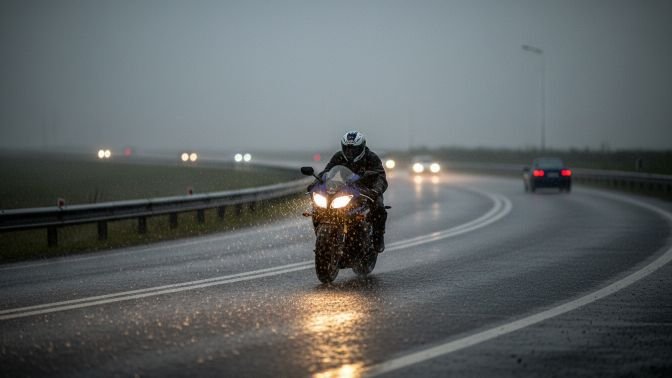
I focus on specific weather risks that change traction, visibility, and bike stability. These conditions often force split-second decisions and increase the chance of crashes.
Rain and Storms
Rain reduces traction and creates slick surfaces from oil and road deposits. I slow down and avoid sudden braking because tires grip less on wet pavement. Puddles can hide potholes; I steer around standing water when safe to do so. Heavy rain also reduces visibility for me and for drivers around me, so I use bright, steady lights and keep a larger following distance.
During storms, wind-driven rain and debris add hazards. I check tire pressure and tread before riding in wet weather. For technical guidance on wet-weather riding and tire safety, I consult resources like the American Motorcyclist Association and NHTSA.
Foggy Conditions
Fog cuts visibility to a few feet in dense patches and makes it hard to judge speed and distance. I slow to a safe pace and avoid overtaking in fog. Riding with low beam lights or fog lights helps me be seen without causing glare that bounces back from the fog.
Moisture from fog can make painted lines and metal surfaces slippery. I avoid sudden lane changes and stop if visibility drops below what feels safe. For tips on visibility and safe riding practices in low-visibility conditions, I reference guidance from the National Highway Traffic Safety Administration.
Strong Winds
Crosswinds and gusts can push a motorcycle sideways and upset balance, especially for tall or lightly loaded bikes. I reduce speed and ride a looser line through gusty zones, keeping a firm, but flexible, grip on the bars. I shift my body weight to counter a steady crosswind and brace slightly for sudden gusts.
Open areas, bridges, and gaps between trucks amplify wind effects. I give larger space to large vehicles and avoid passing when winds are strong. If winds feel too strong to control the bike, I find a safe place to stop until conditions ease.
FAQs
Which causes show up most often in crashes?
I see left-turn collisions, speeding, and alcohol or drug impairment listed most frequently. Road hazards and drivers missing motorcycles also appear often.
Can riders reduce their risk?
Yes. I recommend helmets, visible gear, and defensive riding. Taking a safety course and avoiding alcohol are simple, effective steps.
Do motorcycle defects cause many crashes?
Defects can cause crashes, but they are less common than human error and road conditions. Regular maintenance cuts that risk.
How does experience affect safety?
Novice riders face higher risk, especially on powerful bikes. I advise practicing skills, riding within limits, and gaining experience gradually.
Are there rider behaviors that help prevent accidents?
I suggest keeping distance, using signals, checking blind spots, and scanning intersections. Those habits lower the chance of common collisions.
What should I do after a crash to protect myself?
Get medical care, document the scene, and report the crash to police. I also advise contacting your insurer and, if needed, a lawyer.
Conclusion
I have shown the main causes of motorcycle accidents and how they often happen. Drivers turning left, speeding, alcohol use, poor road conditions, and rider inexperience appear most often. Each cause calls for a specific response to lower risk.
I recommend simple, practical steps riders can use every time they ride. Wear a helmet and protective gear, ride defensively, obey speed limits, and avoid alcohol or drugs. Regular bike checks and choosing safer routes help too.
I also urge drivers to watch for motorcycles, check blind spots, and signal clearly. Better awareness from all road users reduces common crashes like left turns and lane changes. Education and training for both riders and drivers make a measurable difference.
If a crash still happens, seek medical care right away and document the scene. Evidence and prompt treatment protect your health and any legal or insurance claims. I encourage riders to balance caution with confidence so they can ride safely.