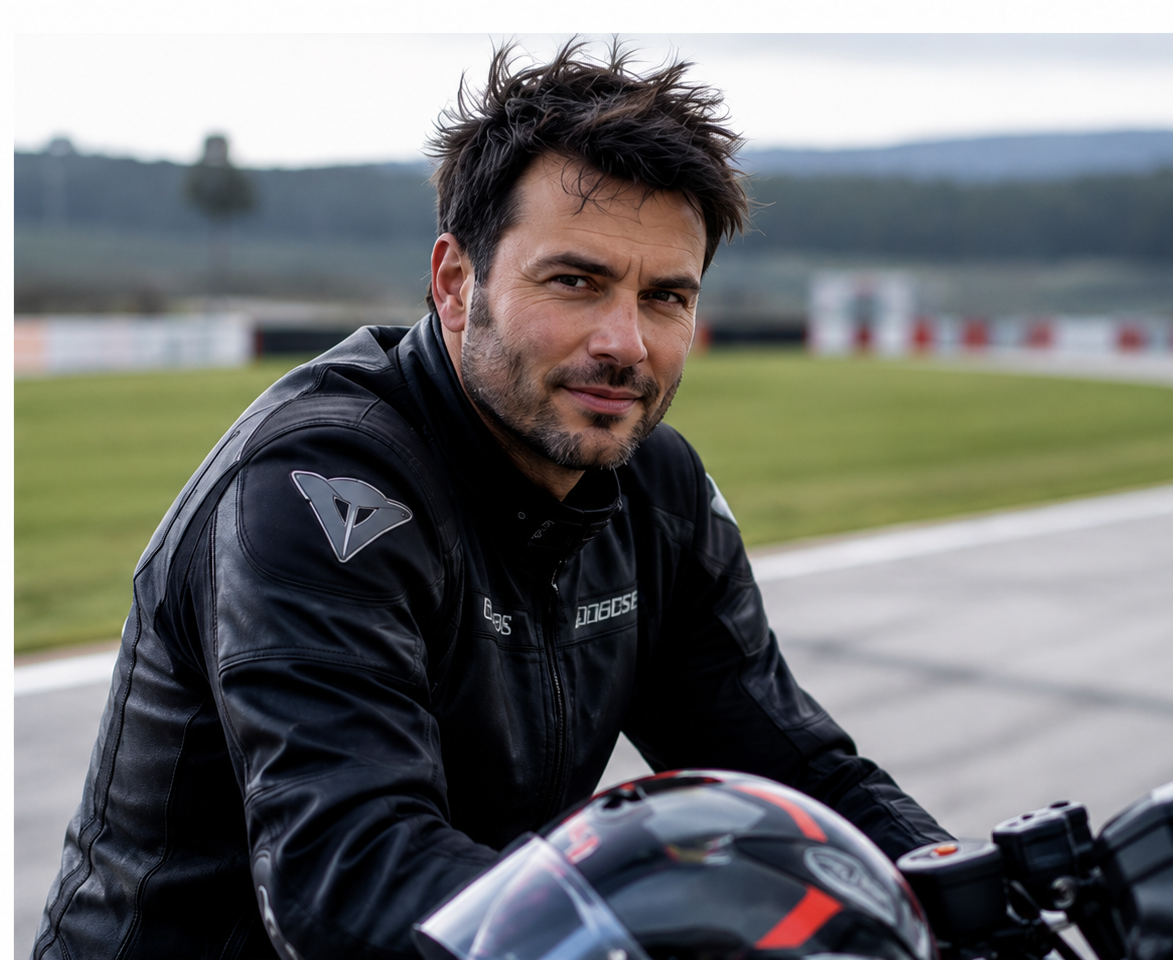
You keep control in traffic by spotting danger early, keeping space around your bike, and making choices that lower risk. Defensive riding means riding with a plan: stay visible, expect mistakes from other drivers, and position yourself so you can react safely. That simple approach cuts your chances of a crash and helps you stay calm when traffic gets tense.
You will learn practical steps like scanning for hazards, using lane position to be seen, and signaling clearly so others know your moves. These tactics turn busy streets into manageable rides and give you the confidence to handle surprises without panic.
Key Takeaways
- Ride with an active plan to spot and avoid hazards.
- Use lane position and signals to stay visible and predictable.
- Practice spacing and scanning to improve safety and control.
Definition of Defensive Riding
Defensive riding means you act to prevent crashes by watching others, keeping distance, and planning escape paths. You must expect mistakes from other road users, manage risk, and control your bike so you can react safely.
Core Principles
You keep a safety cushion around your motorcycle by using space, speed, and position. Maintain a following gap of at least two seconds in good conditions and increase it in rain, heavy traffic, or at night. Ride where drivers can see you; avoid blind spots and position your lane to maximize visibility and escape routes.
Anticipation matters. Scan intersections, check mirrors often, and read brake lights, turn signals, and body language of drivers and pedestrians. Always have at least one clear evasive option—slow, change lane, or brake—and practice smooth throttle and brake control to use them effectively.
Comparison to Aggressive Riding
Aggressive riding pushes speeds, closes gaps, and surprises other road users. You might weave through traffic, tailgate, or dart across lanes when you ride aggressively. Those actions reduce your time to react and raise the chance of collisions.
Defensive riding trades arriving a few seconds earlier for staying upright and intact. You keep predictable lines and signal early so others can plan around you. Where aggressive riders force choices on others, you choose safer options and give others room to make mistakes.
Importance in Traffic Environments
Traffic adds many unpredictable elements: distracted drivers, sudden lane changes, debris, and stopped vehicles. In urban or highway traffic, your margin for error is smaller, so you must increase vigilance and space to compensate.
You reduce risk by adjusting speed to flow, using position to be seen, and scanning far ahead for brake lights and road hazards. When traffic is dense, plan exits and avoid getting boxed in. Defensive riding helps you spot threats early and use better, safer responses under pressure.
Key Techniques for Defensive Riding
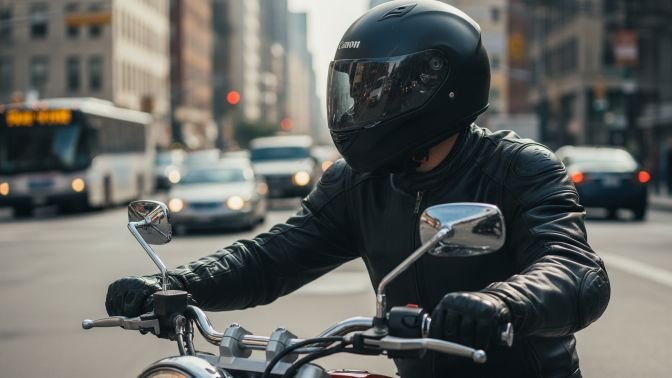
You need clear habits to spot hazards, keep safe space, read other drivers, and use mirrors and signals correctly. Each skill below shows what to do and when to act.
Situational Awareness
Scan the whole scene every few seconds. Look far ahead for brake lights, stalled cars, or debris. Check roadside activity like pedestrians, cyclists, or vehicles pulling out from driveways.
Use a pattern: far-middle-near and left-center-right. This helps you catch changing threats and gives time to plan an escape path. Watch intersections closely; most crashes start there. When approaching intersections, slow slightly and cover the brake so you can stop faster.
Keep your head and eyes moving; don’t fixate on one lane. Reduce distractions — phone, music, and loose maps all hurt your focus. For more training on scanning and hazard recognition, see the Motorcycle Safety Foundation.
Maintaining Safe Distances
Always leave at least a two-second gap behind the vehicle ahead in good conditions. Increase that gap to four seconds in rain, at night, or with heavy traffic. A bigger gap gives you time to brake and maneuver.
When following larger vehicles, add more space. Trucks and SUVs block your view and can stop fast. Use the lane position to increase visibility: move slightly left-of-center to see past a vehicle’s rear and give yourself an escape route.
Keep lateral distance from parked cars to avoid opening doors and people stepping out. When stopped, leave room on your strong foot side so you can put a foot down and push off if needed.
Predicting Other Drivers’ Actions
Read other drivers’ behavior, not just their signals. Watch body language: drivers glancing into mirrors, slowing without signaling, or drifting in a lane often mean a lane change or turn. Note brake lights and wheel position as early clues.
Expect the unexpected at intersections and driveways. If a car ahead slows at a driveway, assume it may stop or pull out. Treat any vehicle without clear signaling as a potential threat and adjust speed or position.
Use defensive speed: arrive slower so you have time to react. If a driver looks distracted — phone in hand or head turned — prepare to create space or change lanes. The National Highway Traffic Safety Administration offers data and tips that can help you understand common driver errors.
Effective Use of Mirrors and Signals
Check mirrors frequently: glance every 5–8 seconds and before changing speed or position. Mirrors give you quick updates on closing vehicles and help you judge when a lane change is safe.
Signal early and clearly every time you plan to turn or change lanes. Use both turn signals and body language when appropriate. A signal alone doesn’t guarantee drivers will yield, so look for a gap before moving.
Use your horn sparingly to warn, not startle. Flash your brake light (if equipped) to alert a tailgater gently. Combine mirror checks, shoulder checks, and signals to make your move deliberate and visible.
Hazard Identification and Response
You should spot risks early, predict what might happen, and pick the safest action. Focus on where hazards come from, how fast situations can change, and how weather or road surfaces alter your options.
Recognizing Common Traffic Hazards
Scan 12 seconds ahead for stopped cars, brake lights, pedestrians, and turning vehicles. Check mirrors every 5–8 seconds to monitor traffic behind and beside you. Watch for hidden driveways, cyclists near parked cars, and children around schools.
Use a simple checklist while riding:
- Space: clear escape path left or right.
- Speed: adjust to the traffic flow and conditions.
- Position: ride where other drivers can see you.
If you notice brake lights or a driver drifting, reduce speed and move to a safer lane position. For pedestrians, assume they might step into the road and be ready to stop.
Responding to Sudden Changes
When something changes quickly, act in this order: slow, steer, signal. First, reduce throttle to lower speed. Then steer smoothly to the safest line, and use your horn or lights if a driver doesn’t see you.
Practice emergency braking to shorten your reaction time. Keep both hands on controls and squeeze brakes progressively rather than grabbing them. If a car cuts across you, give space: drop a gear or use engine braking to control speed while you steer away.
Use predictable movements so other drivers can read your intentions. If you must swerve, pick one direction and commit—hesitation often causes loss of control.
Adapting to Weather and Road Conditions
Slow further in rain, fog, or on gravel. Grip is lower, so increase following distance to at least three times normal in wet conditions. Avoid sudden inputs to brakes, throttle, or steering.
Move to higher-traction lines and away from painted surfaces or metal grates. In cold weather watch for black ice near bridges. If visibility is poor, use low beams and reflective gear so drivers can spot you; the NHTSA site has guidance on visibility and safety that can help you plan rides (https://www.nhtsa.gov).
Inspect tire tread and pressure before you leave. Small adjustments to speed and lane position let you handle slick or uneven surfaces without overreacting. For motorcycle-specific tips on defensive riding and hazard scanning, check reputable rider safety resources like the Motorcycle Safety Foundation (https://www.msf-usa.org).
Traffic Laws and Compliance
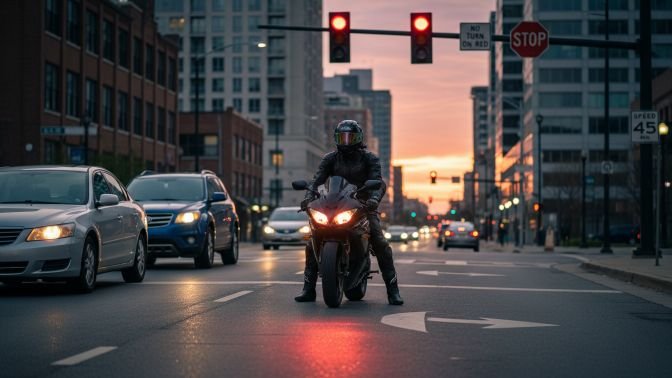
You must follow traffic laws, yield when required, and know how those laws affect your decisions on the road. These rules shape how you position your bike, when you slow down, and how you react to other road users.
Understanding Road Rules
You must obey posted speed limits, traffic signals, and lane markings at all times. Speed limits tell you the maximum safe speed for a stretch of road; riding faster reduces your time to react and increases crash risk. Stop signs and red lights require a full stop; rolling through can cost you control and legal penalties.
Use the correct lane for your direction and avoid weaving between lanes. Signaling your intentions gives other drivers time to adjust. Wear required protective gear where laws demand it, because compliance may affect fines and insurance claims.
Key items to remember:
- Observe speed limits and adjust for weather.
- Stop fully at red lights and stop signs.
- Use turn signals and lane position clearly.
- Follow local helmet and equipment laws.
The Role of Right-of-Way
Right-of-way rules tell you who should go first at intersections, crosswalks, and merges. You must yield to pedestrians in crosswalks and to vehicles already in the intersection or lane you want to enter. Knowing these rules prevents conflicts and reduces sudden braking or swerving.
When approaching uncontrolled intersections, slow down and make eye contact with drivers when possible. At merges and roundabouts, match the flow of traffic and only merge when there is a safe gap. Even when you have the right-of-way, be ready to yield if another road user acts unpredictably.
Practical steps:
- Yield to pedestrians and traffic already in the lane.
- Make eye contact and communicate with lights or gestures.
- Take the safe option if another driver ignores rules.
Legal Implications of Defensive Riding
Defensive riding can help you avoid crashes, but it does not remove legal responsibility. If you violate traffic laws while claiming self-defense, you can still face tickets or fines. Courts and insurance companies will assess whether your actions met the standard of a reasonable rider under the circumstances.
Keep records after an incident: photos, witness contacts, and a written account of events. This evidence can support your version of events when liability is disputed. Also understand that some states offer defensive riding courses that can reduce fines or points; completing an approved program may benefit your driving record.
What you should do:
- Never break laws to avoid danger unless immediate action is necessary.
- Document incidents thoroughly.
- Check local programs that may mitigate penalties through certified courses.
Vehicle Positioning Strategies
Position your motorcycle so you see hazards early, other road users see you, and you have room to escape. Small shifts in lane placement change your visibility, braking options, and crash risk.
Choosing Optimal Lane Position
Pick a lane position that maximizes your sightlines and keeps you out of others’ blind spots. On multi-lane roads, ride in the left or right third of the lane—never the very center—so drivers in adjacent lanes can spot you in mirrors and you can see potholes or debris ahead.
Adjust your position based on speed and traffic. Move toward the left third when preparing to turn left or when a right-side hazard appears. Move to the right third when passing parked cars or when a vehicle may drift into your lane.
When following, maintain a staggered position relative to the vehicle ahead. This gives you better forward visibility and places you where cars behind can see you. Always leave enough space to brake or swerve without hitting the vehicle ahead.
Visibility to Other Road Users
Make yourself easy to see by staying out of drivers’ blind zones and using lane position to increase contrast. Avoid riding beside large trucks or vans; instead, create a clear view of their mirrors and drivers.
Use your lane position to signal intent. Moving slightly left or right before a turn or lane change warns drivers of your planned path. Keep your headlights, reflective gear, and brake light clean and on to reinforce visibility, especially at dusk or in rain.
If a driver looks distracted or hesitant, change position to increase distance. Visibility is not only about being seen; it’s about being seen in time for others to react.
Planning Escape Routes
Constantly scan for at least two escape options: a clear gap ahead and an adjacent lane you can move into. Position your bike so you can use either option quickly—this usually means keeping a buffer on both sides and not hugging the curb.
When riding near parked cars, leave room to maneuver around an opening door. Near intersections, avoid riding in places where you’d be boxed in by cross traffic. If a hazard appears, pick the escape route that keeps you away from oncoming traffic and fixed obstacles.
Practice small, controlled swerves and emergency stops in a safe area so you can execute an escape route when needed. Knowing your bike’s braking and handling limits helps you choose the safest path under pressure.
Communication with Other Road Users
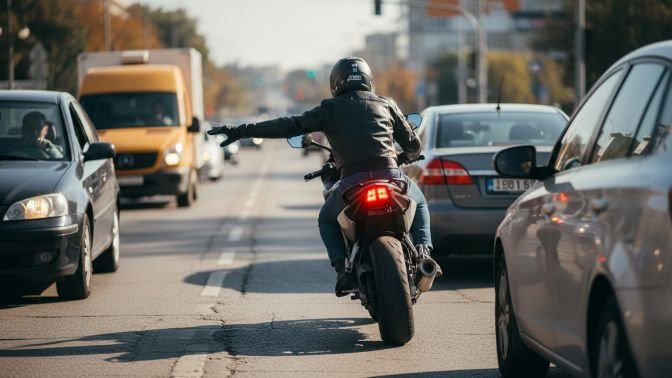
Clear, early signals and reading other drivers’ cues help you stay seen and avoid surprises. Use body position, lights, and hand signals to tell others your intent, and watch mirrors, brake lights, and steering for signs of what they might do next.
Nonverbal Signals
Use lights, body placement, and hand signals to communicate. Flash your brake light briefly when slowing on a busy road to warn drivers behind. Tap your turn signal early and cancel it after the maneuver.
Ride where drivers can see you. Position toward the left or right of a lane to avoid blind spots near trucks and cars. Move slightly off the center when preparing to turn so others notice your intent.
Make eye contact when possible. Look at drivers at intersections or when a driver may merge; a nod or raised hand often confirms they saw you. Keep gestures simple and legal.
Keep signals consistent and obvious. Avoid sudden, small movements that confuse others. Maintain a steady speed when signaling to give drivers time to react.
Anticipating Other Drivers’ Behavior
Scan ahead for brake lights, turn signals, and tire movement. Spot a car drifting toward lane markings? Assume the driver might change lanes and back off to increase your space.
Watch for subtle cues: a driver checking mirrors, steering corrections, or slowing on a highway shoulder. Treat any gap as potentially closing and slow down rather than trying to squeeze through.
Predict common errors near intersections and driveways. Expect drivers to turn without signaling, pull out too quickly, or stop suddenly for pedestrians. Reduce speed and create escape routes—cover the brake and leave a clear lane to move into.
Adjust your speed and position based on what you read. If a truck shows wide-turning signs, fall back; if a cyclist swerves, give extra room. Your goal is to force fewer surprises and give both you and the other road users time to react.
Benefits of Defensive Riding in Traffic
Defensive riding helps you spot hazards early, keep safe distances, and make clearer decisions. These actions lower your crash risk, reduce stress, and help traffic move more smoothly.
Accident Prevention
Defensive riding cuts the chance of crashes by keeping you aware and ready to act. You watch for common risks like cars changing lanes without signaling, sudden stops, and pedestrians stepping off curbs. You position your bike where drivers can see you, maintain a safe following gap, and scan intersections for turning vehicles.
Use specific habits: check mirrors every 5–10 seconds, cover the clutch and brake when approaching traffic, and slow before blind spots. If a driver drifts toward you, you already have space to brake or move aside. These small moves give you more time to react and avoid collisions.
Reducing Stress
When you ride defensively, you control what you can and accept what you cannot. That lowers surprise and tension during your trip. Knowing you have a plan for hazards—like scanning for brake lights or identifying escape routes—keeps your breathing steady and focus sharp.
You also avoid last-second maneuvers that spike adrenaline. By leaving extra space and keeping a steady speed, you reduce sudden braking and horn-blaring moments. This makes each ride feel calmer and helps you stay alert for longer.
Improved Traffic Flow
Defensive riders create predictable behavior on the road that others can read easily. When you signal early, hold lanes cleanly, and match traffic speed safely, drivers around you adjust smoothly. That reduces sudden lane changes and braking waves.
Predictable riding also helps group traffic move at a steady pace. You prevent bottlenecks by avoiding abrupt moves and by merging early and safely. Other road users react less abruptly, which lowers stop-and-go conditions and reduces the chance of chain-reaction incidents.
Developing Defensive Riding Skills
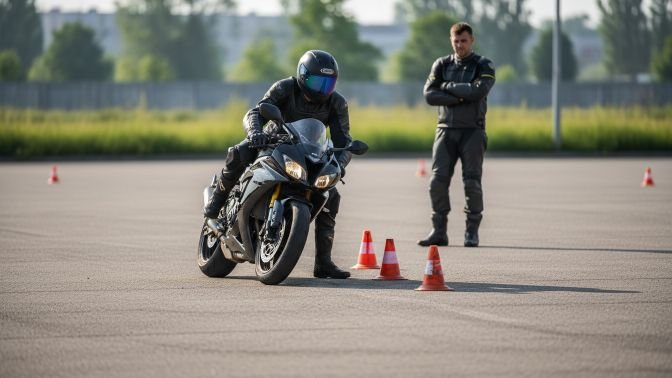
You will build skills through structured training, deliberate practice, and honest self-assessment. Focus on practical drills, repeated exposure to real traffic, and tracking habits that put you at risk.
Training Programs
Enroll in a reputable course that covers emergency braking, slow-speed control, and collision avoidance. Look for programs run by certified instructors, such as the Motorcycle Safety Foundation (MSF) or a local advanced-rider school. These courses give hands-on drills where you practice threshold braking, quick lane changes, and controlled swerves in a safe setting.
Choose a class that includes on-road coaching and classroom sessions about traffic scanning and road position. Ask about low-traffic, staged scenarios that mimic intersections and merge situations. Bring proper gear—helmet, jacket, gloves, and boots—so you learn skills while protected.
Ongoing Practice
Set a weekly plan that mixes skill drills and real-traffic rides. Practice emergency stops from highway speeds, tight turns at low speed, and slow-speed balance in a parking lot. Repeat each drill until your reactions are smooth and consistent.
Ride in varied conditions to build confidence: day and night, wet pavement, and different traffic volumes. Use short sessions focused on one skill rather than long unfocused rides. Keep a simple log of what you practiced and what went wrong to guide your next session.
Assessing Your Riding Habits
Record and review your rides to spot risky patterns. Mount a small camera or use a phone app to capture near-misses, lane positioning, and braking choices. Watch clips to see if you follow safe following distances, scan intersections, and use escape routes.
Track specific metrics: number of close passes, hard brakes per 100 miles, and times you rode in another driver’s blind spot. Set clear goals—reduce hard brakes by half in three months, or always keep a two-second following gap in city traffic. Use feedback from peers or an instructor to correct bad habits you might not notice.
FAQs
What is defensive riding?
Defensive riding means you stay alert, predict others’ actions, and use safe choices to avoid crashes. You watch traffic, keep distance, and adjust for weather or road conditions.
Why is it important for you?
Defensive riding cuts your risk of collisions and injury. It helps you react earlier and choose safer routes or speeds.
What basic skills should you practice?
Scan the road ahead and behind. Keep a safe following gap. Use signals and position your bike so other drivers can see you.
Can defensive riding stop other drivers’ mistakes?
It can’t stop them, but it reduces harm. Expect errors from others and give yourself room to maneuver or brake.
Do you need special training?
Training helps. Courses teach braking, cornering, and hazard awareness. They also build safer habits that you can use every ride.
What gear should you wear?
Wear a DOT-approved helmet, eye protection, gloves, and bright or reflective clothing. Proper gear reduces injury if a crash happens.
Conclusion
Defensive riding means you stay alert and make choices that lower your chance of a crash. You watch other road users, keep space around your bike, and expect that someone might make a mistake.
Practice simple habits every ride. Scan ahead, use your signals, and position yourself where drivers can see you. These actions help you react faster and avoid hazards.
Defensive riding also asks you to manage speed and risk. Slow down in poor light or bad weather. Give extra room to big vehicles and distracted drivers.
Keep learning and practicing. Take a course, review real incidents, and reflect on near-misses. Small improvements in your habits add up to much safer rides.
Your goal is to be predictable, visible, and ready. That mindset helps protect you, your passengers, and others on the road.