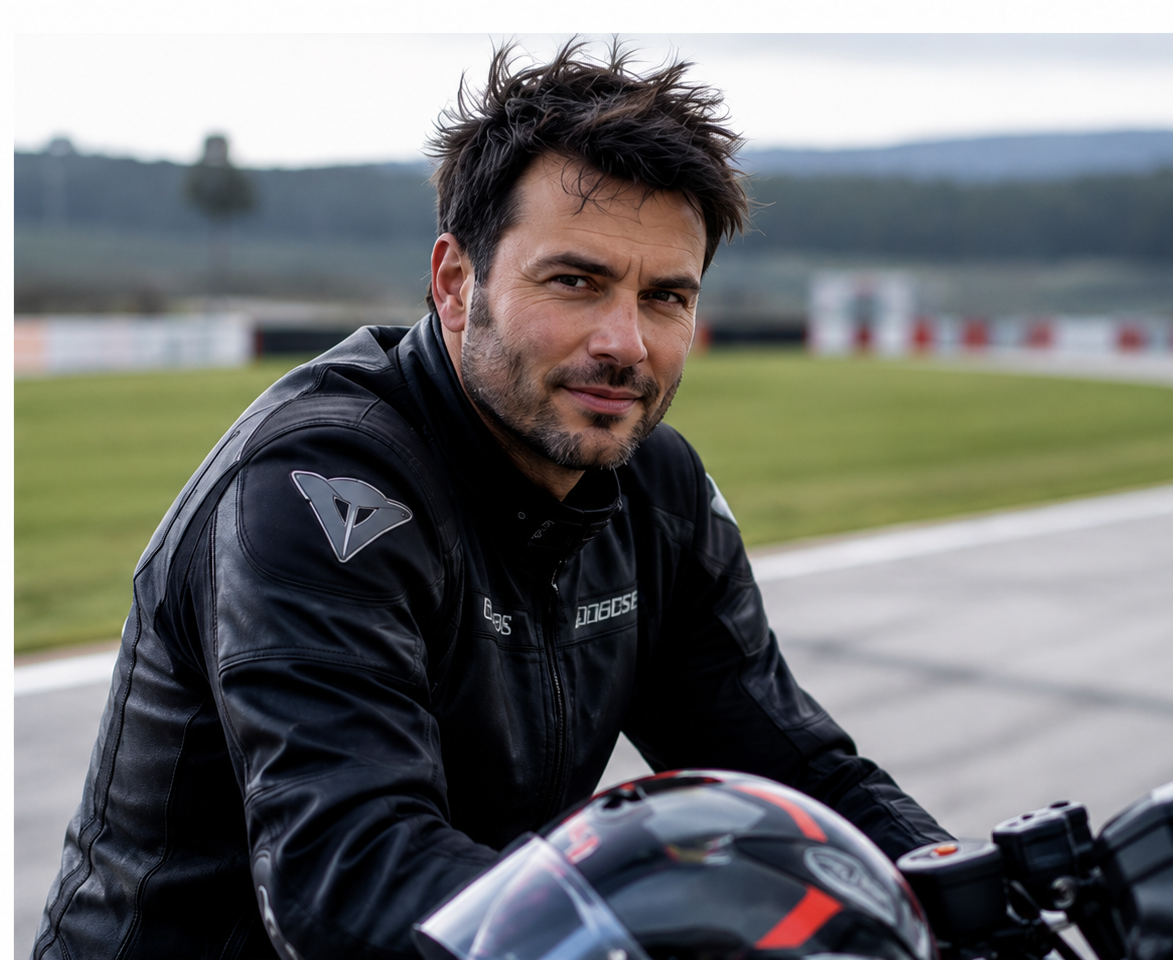
You want to learn to ride a motorcycle and stay safe. I recommend starting with a certified, hands-on safety course that mixes classroom lessons with on-bike training, because it teaches the core skills, traffic awareness, and emergency maneuvers you need without guessing. Taking a formal course with a qualified instructor and controlled practice gives you the safest, fastest way to build real riding skills.
I’ll show practical steps to choose the right course, what skills you’ll learn, how to practice safely, and common mistakes to avoid so you can gain confidence and keep yourself protected on the road.
Key Takeaways
- Choose a certified, hands-on course to learn real riding skills.
- Build skills gradually through guided practice and repetition.
- Keep learning and review common safety habits to reduce risk.
Understanding Motorcycle Safety Fundamentals
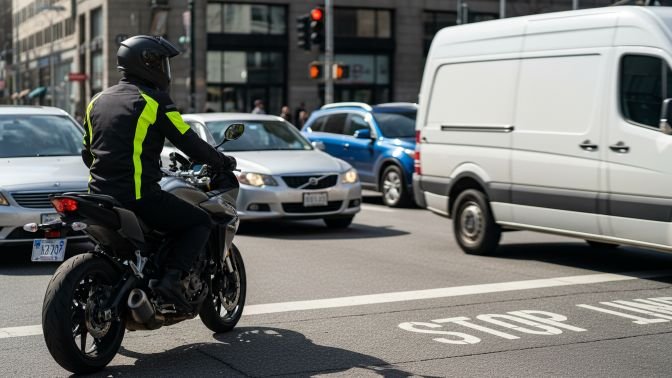
I focus on clear steps you can take to reduce risk when learning to ride. I cover how awareness, bike choice, and protective gear work together to keep you safer on the road.
The Importance of Safety Awareness
I check the road and traffic before every ride. Scanning for hazards—cars backing out, potholes, slick patches, and changing light—helps me react earlier. I keep a safe following distance: at least two seconds in dry conditions and more when it is wet or visibility is poor.
I practice defensive riding. That means I assume other drivers may not see me and I position myself where I am most visible, often in the left portion of my lane. I avoid riding in blind spots and I use lane placement to give escape space.
I manage speed and angle into turns. Slow down before the curve, look through the turn, and roll on the throttle smoothly. I also plan escape routes and rehearse emergency braking in a controlled setting so I can stop safely when needed.
Choosing the Right Motorcycle
I pick a bike that fits my height, weight, and experience. A low seat height and reachable controls let me plant my feet firmly at stops. I start with a light, low-power bike—typically 300–500cc for many new riders—so I can build control without being overwhelmed.
I check ergonomics before buying. I sit on the bike, test the clutch, brakes, and foot controls. I make sure I can comfortably reach the handlebars and that the mirrors give a clear view without straining my neck.
I consider practical features. Anti-lock brakes (ABS) reduce stopping distance in emergencies. A narrow seat and manageable weight help with low-speed balance. I avoid high-performance sportbikes early on because quick power and aggressive geometry increase risk for beginners.
Essential Gear for Protection
I always wear a DOT- or ECE-certified full-face helmet to protect my head and face. A helmet with a proper fit and clear visor improves vision and reduces wind fatigue. Replace helmets after any crash or every five to seven years.
I wear armored jacket and pants made of leather or reinforced textile to protect skin and joints. Look for CE-rated armor at shoulders, elbows, back, hips, and knees. Bright colors or reflective panels increase visibility to other drivers.
I use gloves and boots designed for riding. Gloves should cover the wrist and have palm protection. Boots need ankle support and non-slip soles. A simple checklist:
- Helmet: certified, snug fit
- Jacket & pants: abrasion-resistant with armor
- Gloves: full-coverage, reinforced
- Boots: ankle support, oil-resistant soles
I also carry a small first-aid kit and basic tools. Regularly inspect gear for wear and replace padding, zippers, or reflective strips as needed.
Finding Qualified Instruction
I focus on instructors who teach proven skills, use good equipment, and follow safety standards. Picking the right course, checking instructor credentials, and comparing local options will lower your risk while you learn.
Certified Motorcycle Training Courses
I look for courses with formal certification like the Motorcycle Safety Foundation (MSF) Basic RiderCourse. These courses include classroom lessons and on-bike drills that cover clutch control, braking, cornering, and traffic strategies. The MSF course often has two 5-hour on-bike sessions over a weekend, which gives focused practice time and paced skill building.
Certification matters because many state licensing programs accept these courses for a license endorsement or waiver of a road test. Check the program page on a trusted site such as the MSF to confirm curriculum and licensing benefits. Certified courses also provide rented bikes and helmets, so you can learn on consistent, well-maintained machines.
Professional Instructors vs. Self-Teaching
I prefer professional instruction over self-teaching for safety and habit formation. Instructors give real-time correction on body position, throttle control, and hazard scanning that I would likely miss on my own. They also run controlled drills that simulate emergency stops and quick turns in a low-risk environment.
Self-teaching can lead to missed bad habits and unsafe practices. If I must practice alone, I use structured drills from a reputable course manual and limit riding to empty lots until I build core skills. Professional instructors reduce common beginner mistakes and often provide insurance of experience that self-study cannot match.
Evaluating Local Training Programs
I compare local schools on several concrete points: instructor certification, student-to-instructor ratio, on-bike time, course length, and bike condition. I ask for an instructor resume or ask which certifying body trained them. Small class sizes (6–10 students) mean more individualized feedback, so I prefer those.
I also read recent student reviews and check whether the school uses modern training bikes and safety gear. Contacting your state motor vehicle agency site can confirm whether the course qualifies for a licensing waiver. For program standards and safety tips, I reference resources like the American Motorcyclist Association when evaluating claims.
Developing Core Riding Skills
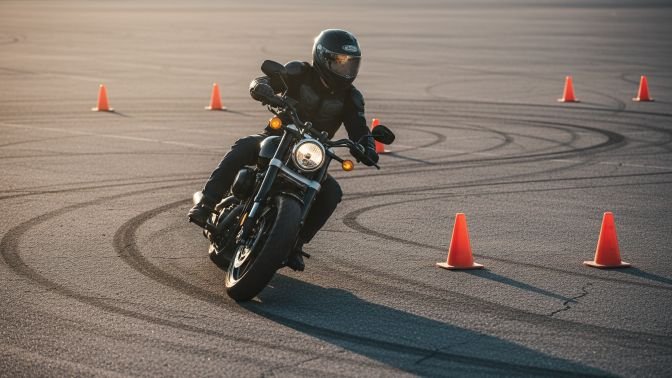
I focus on the hands-on skills that let you control the bike, stop safely, and spot hazards early. Practice deliberately, wear full gear, and repeat drills until actions become automatic.
Basic Controls and Balancing
I start by mastering the bike’s controls before riding fast. I practice using the throttle, clutch, front and rear brakes, and gear shift in a parking lot at walking speed. I use the friction zone on the clutch to move off smoothly and practice slow-speed figure-eights to build balance.
I work on body position: eyes up, shoulders relaxed, and weight centered. I use the footpegs and gentle countersteering inputs to steer, not the handlebars. I also practice putting a foot down and restarting without tipping the bike.
Useful drill list:
- Walk the bike while seated to feel clutch bite.
- Slow figure-eights for balance.
- Short, controlled accelerations to learn throttle feel.
Safe Braking and Turning Techniques
I train braking in stages: cover the front brake lever, then apply firm progressive pressure while using rear brake lightly. I practice emergency stops from moderate speed on different surfaces to learn stopping distances and avoid skids.
For turns, I use slow-speed countersteering for quick direction changes and lean with the bike at higher speeds. I always reduce speed before the curve and look through the turn. I keep a steady throttle through the apex to stabilize the bike.
Checklist for practice:
- Controlled emergency stops at 20–40 mph.
- Progressive front-brake application drills.
- Entry-speed reduction, look-through, steady throttle in turns.
Defensive Riding Practices
I adopt a scanning routine: check mirrors every few seconds and sweep intersections for vehicles and pedestrians. I keep a two-second following gap in good conditions and increase it with speed, weather, or traffic.
I position my lane where drivers can see me and avoid blind spots. I plan escape routes—open lanes I can use if someone drifts into me. I also practice braking and swerving together so I can stop or avoid obstacles without locking the wheels.
Quick reminders:
- Increase following distance in poor conditions.
- Use eye contact with drivers when possible.
- Scan 12–15 seconds ahead for hazards.
Gradual Skill Progression
I focus on building one skill at a time, testing each skill in a safe setting, and only moving on when I can repeat it reliably. I prioritize balance, clutch control, braking, and slow-speed turns before adding speed or complex traffic.
Practicing in Controlled Environments
I start in an empty parking lot or closed course where I can practice without traffic. I lay out cones to create exercises for slow turns, figure-eights, and emergency stops. These drills teach throttle control, clutch modulation, and smooth braking in a low-risk space.
I use low speeds to build balance and confidence first. Then I increase speed in small steps, repeating each drill until I can do it consistently three or four times in a row. I also practice mounting and dismounting, gear shifts, and quick scanning for hazards.
If available, I take a certified beginner course that gives structured drills and instructor feedback. I record short practice sessions on my phone so I can watch and correct posture and body position later.
Advancing to Complex Traffic Situations
Once I handle basic maneuvers reliably, I move to quiet side streets and then busier roads. I plan specific goals for each ride, such as merging, lane changes, or negotiating four-way stops, and I avoid peak traffic times at first.
I ride with a mentor or experienced partner when possible. They point out blind spots, correct lane positioning, and model safe gap selection. I also practice defensive behaviors like scanning intersections, managing escape paths, and assuming other drivers may not see me.
I gradually expose myself to highway speeds, night riding, and wet conditions only after I can maintain control and make safe decisions under normal conditions. I keep practice sessions short and focused, and I review what went well and what I need to improve after every ride.
Ongoing Learning and Practice
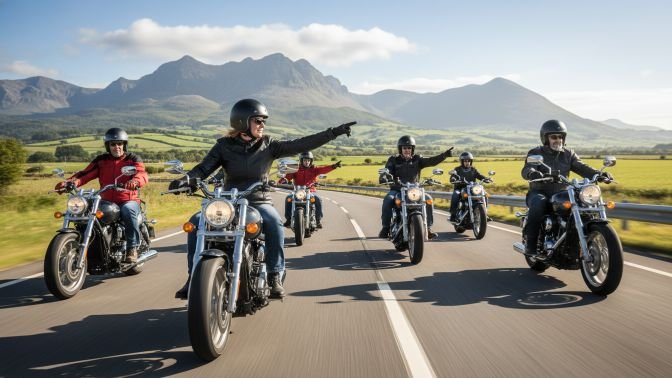
I keep sharpening skills by taking structured courses and riding with experienced people. That helps me stay safe, spot bad habits, and learn new techniques for real traffic situations.
Continued Education and Refresher Courses
I take refresher courses every 1–3 years or after a crash or long break. These courses focus on emergency braking, low-speed balance, cornering lines, and hazard avoidance. I choose programs that offer hands-on on-bike practice, not just classroom time.
When I sign up, I check the instructor ratio and course length—short drills with lots of repetitions teach muscle memory best. I bring my riding gear and a bike that fits me. Many safety schools also cover new tech like ABS and traction control, so I learn how to use those systems safely.
Participating in Group Rides
I join group rides led by experienced riders to practice scanning, spacing, and rider-to-rider communication. I follow simple rules: maintain a safe staggered formation, avoid sudden lane changes, and call out hazards early. That keeps the group predictable and reduces surprises.
Before a ride, I check the route, fuel stops, and expected pace. I ride my own pace and speak up if I’m uncomfortable. After the ride, we often debrief on tricky sections, which helps me learn others’ decision-making and spot areas I need to practice.
Avoiding Common Early Mistakes
I focus on the two mistakes that cause the most crashes and injuries for new riders: overestimating skill and skimping on protective gear. Fixing these early makes learning safer and faster.
Overestimating Abilities
I see new riders push speed, lean, or traffic maneuvers before they master basics. You must learn smooth throttle control, clutch use, and progressive braking in low-risk places first, like an empty parking lot. Practice slow-speed U-turns, emergency stops from moderate speeds, and shifting without looking down until those actions feel automatic.
I track errors that come from rushing: late braking, overleaning in corners, and panic when a car cuts in. I set small, measurable goals—hold a steady 15–20 mph circle for five minutes, make three clean emergency stops in a row—and increase challenge only when I meet them. Ride within limits, not ego. A controlled, slow progression prevents bad habits that are hard to break.
Neglecting Safety Equipment
I never skip proper gear. A DOT- or ECE-rated full-face helmet, armored jacket, gloves, pants, and boots reduce injury risk dramatically. Fit matters: a loose helmet moves in a crash and gloves that slip leave your hands exposed.
I keep a checklist before each ride:
- Helmet (snug, chin strap fastened)
- Jacket and pants with armor
- Gloves and over-the-ankle boots
- Bright or reflective outer layer for visibility
I replace gear after any crash or when protective elements show wear. Good gear can limit harm even when mistakes happen, so I treat it as essential, not optional.
Legal and Regulatory Considerations
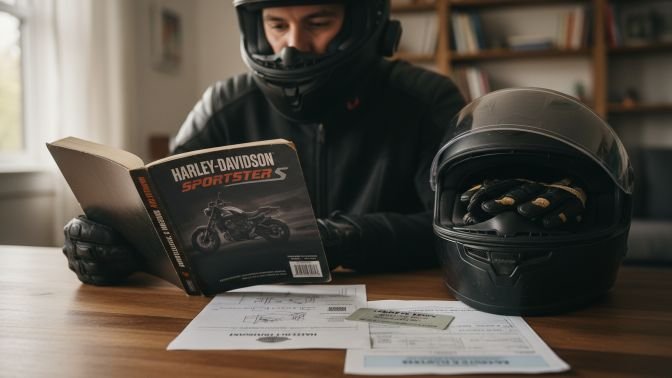
I focus on the rules you must follow, the permits to get, and the laws that affect where and how you ride. Knowing these details keeps you legal and safer on the road.
Obtaining Motorcycle Licenses
I recommend starting with your state’s motorcycle handbook and taking the written knowledge test for a learner’s permit. Most states require this permit before you ride alone; it often limits passengers, nighttime riding, and highway use. Many states accept completion of an approved rider course in place of parts of the licensing process, and some waive the road skills test after course completion.
I advise checking your state DMV website for exact steps, fees, and age rules. For rated training, I trust programs like the Motorcycle Safety Foundation and state rider courses; they often list approved providers and give course schedules.
Understanding Local Road Laws
I learn the specific traffic laws where I ride, such as helmet requirements, lane splitting rules, and legal blood alcohol limits. Helmet laws vary: some states require helmets for all riders, others for only certain ages. Lane splitting is legal in a few places but illegal in most; verify local guidance before attempting it.
I also pay attention to equipment laws—mirrors, lights, and mufflers must meet standards—and insurance requirements. For reliable legal details, I use state DMV pages and the NHTSA site for federal safety guidance and statistics.
Staying Informed on Advanced Safety Strategies
I keep learning to stay safer. I focus on practical checks and useful tech that directly lower my crash risk and keep my bike reliable.
Regular Motorcycle Maintenance
I check tire pressure, tread depth, and brakes before every ride. Low tire pressure or thin tread cuts traction and increases stopping distance. I use a tire gauge and inspect sidewalls for cuts or bulges.
I change engine oil and filter per the manual, and I inspect the drive chain or belt every 500–1,000 miles. Proper lubrication and correct chain tension prevent sudden failures and uneven power delivery. I also test lights, signals, and horn on a weekly basis.
I follow a simple pre-ride checklist: tires, fluids, brakes, lights, and controls. I log service dates and mileage so I don’t miss scheduled maintenance. Small fixes now stop big problems later.
Using Technology for Increased Safety
I use ABS and traction control when available; they cut wheel lockups and help keep the bike upright during hard braking or slippery conditions. I ride models with these systems or add aftermarket ABS-compatible upgrades where feasible.
I wear a Bluetooth-enabled helmet for voice navigation and emergency calling. Clear route guidance reduces stress and keeps my eyes on the road. I pair a tire-pressure monitoring system (TPMS) to get real-time alerts for sudden pressure loss.
I also review riding apps and training videos to learn new techniques. I pick sources from certified instructors and verified safety organizations. Practical tech plus good information improves my decision-making on the road.
FAQs
What’s the safest way to start learning?
I recommend a certified motorcycle safety course first. These courses teach controls, balance, and traffic skills in a controlled setting with instructors and practice bikes.
Do I need special gear to begin?
Yes. I always wear a DOT-approved helmet, gloves, a jacket, long pants, and sturdy boots. Proper gear reduces injury risk and helps you feel more confident.
How long does it take to get comfortable?
It varies. Some riders gain basic control in a weekend course, while others need weeks of practice. I practice short, frequent sessions to build skills steadily.
Should I use my own bike or a training bike?
Training bikes are safer for beginners because they are lower-powered and designed for learning. I use a training bike during courses and switch to my own bike only after I feel confident.
How often should I practice?
I practice regularly—several short sessions per week is best. Consistent practice helps turn conscious skills into habits.
Do I need a license or permit first?
Most places require a learner permit or license. I check local rules and often take the safety course to meet licensing requirements and sometimes get exam waivers.
Can I learn from online videos?
Videos help with theory, but they can’t replace hands-on training. I use videos for review, then practice skills in a safe, supervised setting.
Conclusion
I recommend starting with a certified basic rider course. It teaches control, rules, and safe habits in a structured, low-risk setting. I find hands-on practice with an instructor shortens the learning curve.
I always wear full protective gear when I ride or practice. A full-face helmet, gloves, boots, and armored jacket cut injury risk. Bright or reflective clothing helps drivers see me.
I practice slow-speed maneuvers, emergency stops, and cornering in an empty lot. I repeat drills until they feel automatic. That builds confidence and reduces panic in real traffic.
I use a small, manageable bike at first. A lighter bike feels easier to control while I learn balance and clutch work. I avoid powerful motorcycles until I master basics.
I follow a simple safety checklist before every ride: tires, lights, brakes, and fuel. I also scout routes with less traffic when I’m still learning. These small habits keep me safer on the road.
I keep learning after the first course. Riding experience, refresher classes, and defensive riding practice help me stay skilled. I expect steady improvement when I train deliberately and ride responsibly.