You face a simple rule every time you ride: obey the posted speed limit. You should follow speed limits most of the time because they set a safe, consistent pace that protects you, pedestrians, and other road users. That rule also helps you avoid tickets, insurance hikes, and needless risk.
I’ll show when you must slow down further and when it might be safe to drive below the limit because of weather, traffic, or road layout. You’ll learn how following limits fits with good judgment, legal duties, and keeping your community safer.
Key Takeaways
- Follow posted limits to keep yourself and others safe.
- Adjust your speed below the limit when conditions make the road risky.
- Obeying limits reduces legal trouble and supports safer streets.
Understanding Speed Limits
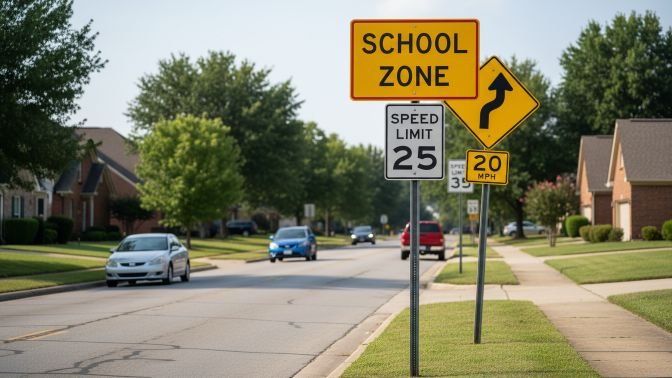
I explain why speed limits exist, how officials choose numbers, and the different types riders will meet. This helps you decide when to follow limits exactly and when to adjust speed for safety.
Purpose of Speed Limits
I view speed limits as rules set to reduce crashes and protect everyone on the road. They lower the chance and severity of collisions by giving riders time to see hazards and stop.
Speed limits also guide traffic flow. Consistent speeds reduce sudden braking and weaving, which cuts down on rear-end crashes.
They protect people outside vehicles too. Lower limits near schools, parks, and work zones reduce harm to pedestrians and bicyclists.
Finally, speed limits support enforcement and legal clarity. Posted numbers let police enforce safe behavior and help determine fault after a crash.
How Speed Limits Are Set
I rely on data and on-the-ground checks when limits are chosen. Engineers measure the 85th percentile speed—the speed at which 85% of drivers travel under good conditions—and often set limits near that number.
Officials also look at road design: lane width, curvature, sight distance, and intersection spacing matter. Areas with heavy foot or bike traffic get lower limits.
Traffic volume and crash history play a role too. High crash rates or many pedestrians push limits down. Environmental factors like hills, weather, and nearby land use are included in decisions.
Local laws and policy goals, such as promoting walkable streets, can override pure engineering choices.
Types of Speed Limits
I group speed limits into several common types: statutory, posted, advisory, and variable. Statutory limits are default speeds set by law when no sign is present. Posted limits appear on signs and are enforceable.
Advisory speeds give recommended maximums for curves or ramps; they are not always legally binding but signal danger. Variable speed limits change with conditions—like congestion or weather—and are shown on electronic signs.
Work zone limits are temporary and lower to protect workers. School zone limits apply during specific hours and often use flashing lights. Each type targets a specific safety concern.
Safety Considerations for Riders
I focus on how speed choices affect crash risk, other road users, and how weather or road surfaces should change riding choices.
Impact on Accident Rates
I watch speed because it changes both how often crashes happen and how bad they are. Higher speeds cut the time I have to spot hazards and increase stopping distance. For motorcycles, that means a small error—like a missed signal or a car changing lanes—can become a crash at highway speeds but might be avoidable at lower speed.
Crash severity rises with speed. Energy in a collision grows quickly as speed increases, so injuries are often worse when I ride fast. I also consider local speed limits and enforcement; they reflect road design and typical traffic. For more data on speed and crash risk, I check resources like the NHTSA for motorcycle crash statistics.
Protection for Vulnerable Road Users
I slow down where people walk, bike, or work near the road. Pedestrians and cyclists have much higher injury risk in collisions than vehicle occupants. At lower speeds I stop faster and have more time to see someone stepping into the road.
When riding near schools, parks, or busy urban streets, I match speed to visibility and density of people. I also give extra space—lateral and following distance—because a sudden maneuver by another road user can force me to brake or swerve. Design guidance from agencies like FHWA helps me understand where lower speeds make sense for safety and equity.
Weather and Road Conditions
I change speed based on surface grip, visibility, and drainage. Rain, ice, leaves, and gravel reduce traction; on slick roads I reduce speed well below the posted limit to avoid sliding or long braking distances. Puddles and standing water raise the risk of hydroplaning, especially at higher speeds.
I also factor in wind and temperature. Strong crosswinds can push a motorcycle off line, and cold tires give less grip until warmed. When visibility falls—fog, heavy rain, or nighttime—I ride slower, use lights, and increase following distance so I can react to hazards safely.
Legal and Ethical Responsibilities
I explain what can happen when riders ignore speed rules and what the law expects of them. I focus on real penalties, duty of care, and when ethical choices matter on the road.
Consequences of Exceeding Speed Limits
Speeding raises the chance of crashes and makes injuries worse for everyone involved. I note common legal penalties: fines, points on a license, higher insurance rates, and possible license suspension for repeated or extreme violations. Criminal charges can apply if speeding causes death or serious injury.
Riders face immediate safety risks too. Higher speed reduces reaction time and increases stopping distance. That makes hitting a pedestrian or cyclist more likely and increases crash energy.
I track how jurisdictions treat speeding differently. Some use fixed fines; others scale fines by speed over the limit. Work zones and school zones carry higher penalties. I advise checking local rules before riding fast.
Obligations Under the Law
The law requires riders to follow posted limits and drive at a safe speed for conditions. I must point out that “safe” can mean below the posted limit when weather, traffic, or road damage makes higher speeds dangerous.
I describe legal doctrines often applied: negligence and strict liability in some cases. If a rider’s speed shows clear recklessness, courts may award higher damages or criminal penalties.
I also mention duties to others: yield to pedestrians, respect bike lanes, and obey traffic-control devices. Following these rules reduces legal exposure and aligns with my ethical duty to protect others.
Situational Awareness and Adaptation

I watch the road, other users, and the conditions around me so I can adjust my speed safely. I balance legal limits with what the road and traffic actually require.
Adapting to Traffic Flow
I match my speed to the flow when it keeps traffic moving safely. If vehicles around me travel slightly above the posted limit but road and visibility are good, I avoid abrupt speed changes that cause crashes or congestion. I keep a steady following distance of at least two seconds in clear conditions and increase it in rain, low light, or heavy traffic.
I scan ahead for brake lights, lane changes, and merging vehicles. When traffic slows, I reduce speed gradually rather than braking hard. I also watch for cyclists and pedestrians, and I slow earlier near schools, bus stops, and shopping areas.
Exceptional Circumstances
I slow well below the posted limit when conditions make the legal speed unsafe. In fog, heavy rain, ice, or on worn pavement, I cut speed enough to maintain control and stop within the visible distance. I use low beams in fog and avoid sudden steering inputs.
If emergency vehicles approach or road workers are present, I reduce speed promptly and move over when safe. When towing, carrying heavy loads, or riding a high center-of-gravity vehicle, I reduce speed to reduce rollover and braking risk.
Community and Environmental Impact
I focus on how rider speed choices shape neighbor attitudes, street use, and local air and noise quality. Slower speeds can change how people see streets and cut pollution from engines and tires.
Influence on Public Perception
I have seen lower speeds make neighborhoods feel safer and invite more walking, biking, and outdoor play. When riders obey posted limits, residents report less stress and more willingness to let children use nearby sidewalks and parks.
Local businesses also notice changes. Customers tend to linger more where traffic feels calm, which can boost foot traffic and sales. City officials use crash and traffic data from sources like the NHTSA to show how speed affects safety and public trust .
Enforcement matters too. Fair, visible enforcement and clear signage build support, while arbitrary ticketing erodes trust. I recommend consistent rules and community outreach to keep perceptions positive.
Reducing Noise and Emissions
I focus on how speed affects engine load, fuel use, and tire noise. Riding at moderate speeds typically lowers fuel consumption and reduces tailpipe emissions, which helps local air quality. Research from the European Environment Agency shows modest speed reductions can cut fuel use noticeably.
Noise drops when vehicles travel slower because engines and tire-road interaction produce less sound. Less noise improves sleep, lowers stress, and makes public spaces more usable. For planners, mixing lower limits with traffic-calming measures—like narrowed lanes or raised crosswalks—yields bigger gains than limits alone.
I advise combining speed limits with maintenance and traffic design changes to lock in emission and noise benefits over time.
Technology and Speed Regulation
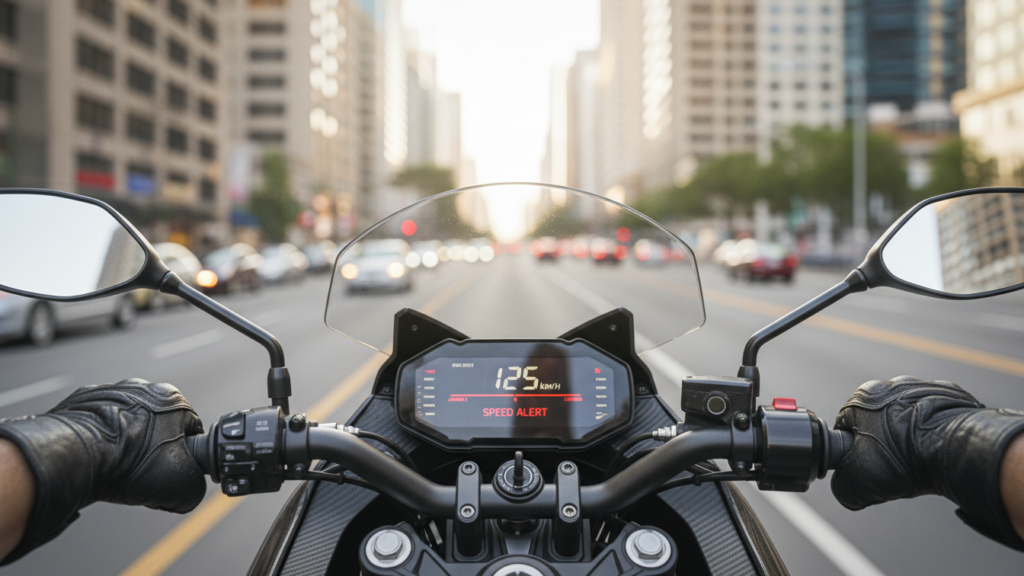
I explain how devices track and limit speed, and how rider assistance tech can warn or intervene. I focus on what these systems do, how accurate they are, and what riders need to know to use them safely.
Role of Speed Monitoring Devices
I rely on speed monitoring tools to show when riders go over the limit and to guide behavior change. Devices include GPS-based recorders, motorcycle telematics units, and portable radar alarms. GPS systems read mapped speed limits and log speed over time, but they can be wrong on roads with outdated maps or temporary signs. Telematics units add accelerometer data and engine RPM to improve accuracy and give richer crash-risk reports.
I recommend checking device settings and map updates often. Some systems share data with insurers or employers, so riders should know who can access their logs. I also note that monitoring devices warn and document; they do not always prevent speeding without active intervention.
Emerging Rider Assistance Systems
I evaluate Rider Assistance Systems that can nudge or limit speed in real time. Basic systems provide visual or haptic alerts when you exceed the posted limit or a custom safe speed. More advanced systems use Intelligent Speed Assistance (ISA) to reduce throttle or limit top speed electronically. These can work well in urban areas but struggle with temporary changes like work zones or variable speed limits.
I advise riders to treat assistance systems as backups, not replacements for attention. They may fail in tunnels, on private roads, or when GPS maps are wrong. Riders should learn how to override or disable interventions safely and keep software updated to maintain correct speed-limit behavior.
FAQs
What about riding slower than the limit?
I say that’s often safer, especially in crowded or wet conditions. Riding too slowly can also be dangerous on fast roads, so use judgment and move to a safer route if needed
Can I exceed the limit in an emergency?
I advise against it unless a true emergency demands it. Laws usually allow exceptions for emergency vehicles, not private riders, and speeding can cause more harm than it prevents.
How do speed limits affect different riders?
I explain that limits aim to protect drivers, pedestrians, and cyclists. Properly set limits consider vehicle, bike, and foot traffic. Lower speeds make crashes less severe and streets safer for active travel.
Any tips for staying legal and safe?
I recommend knowing local laws, using designated bike lanes, wearing protective gear, and choosing routes that match your comfort and speed. I also suggest signaling and staying visible to reduce conflicts.
Conclusion
I believe following speed limits is the safest default for riders. Speed limits protect people, reduce crash severity, and help drivers predict each other’s actions.
I also recognize situations where judgment matters. I slow down more than the limit in bad weather, near schools, and where visibility is poor. I may drive below the limit to keep others safe.
I know some drivers argue for flexibility on open roads. Still, that flexibility should not replace clear rules that protect vulnerable road users like cyclists and pedestrians.
I recommend these practical habits:
- Always check posted limits and road signs.
- Adjust speed for conditions, not just the number on the sign.
- Aim to make predictable, defensive choices that lower risk.
I accept that limits are not perfect, but they give a fair, simple guide for most situations. They work best when riders use common sense and respect other road users while applying them.