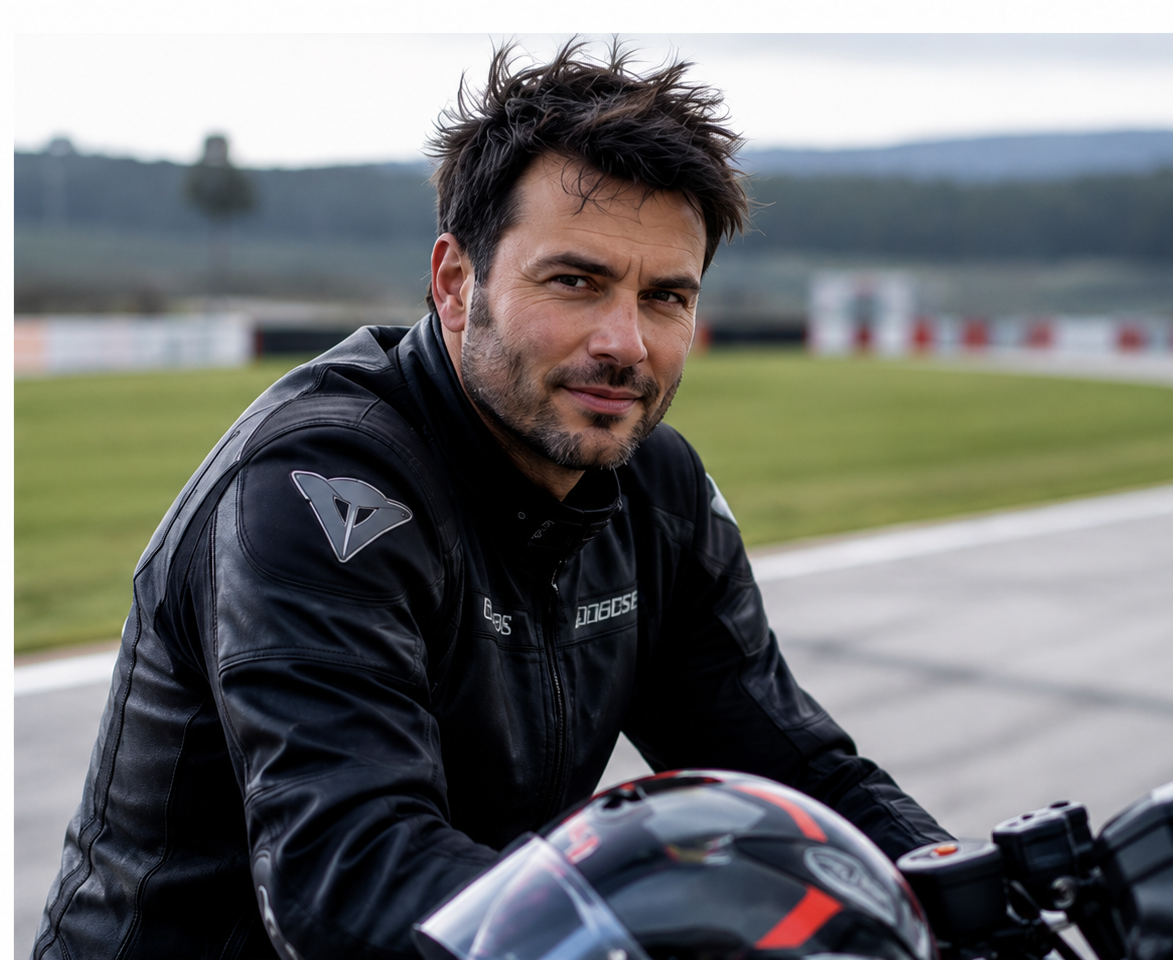
You want a clear answer: lane splitting can be safer than staying in traffic in some situations, but it also raises real risks depending on speed, traffic, rider skill, and local laws. When you lane split slowly and predictably in stop-and-go traffic, you often reduce your chance of a rear-end crash, but faster or unpredictable splitting raises the odds of side impacts and collisions with opening doors.
I’ve ridden and studied crash data enough to know the safety balance depends on choices you make: speed, spacing, visibility, and whether your state allows it. I’ll show what research, laws, and practical steps say so you can judge whether lane splitting makes sense for you.
Key Takeaways
- Lane splitting can lower rear-end risk but increases side-impact exposure.
- Safety depends on speed, spacing, visibility, gear, and rider skill.
- Laws and good technique matter more than whether lane splitting is allowed.
Understanding Lane Splitting
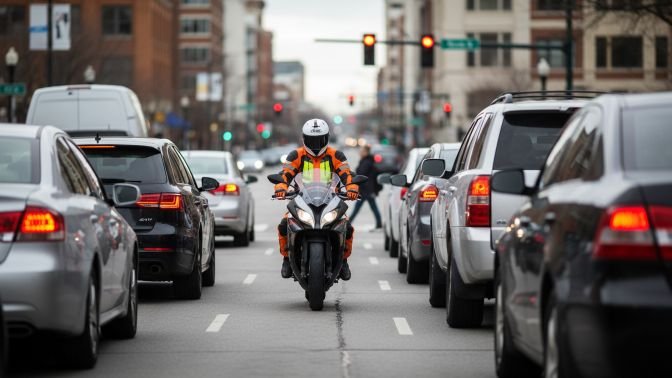
I explain what lane splitting is, how it started, and the typical situations where riders use it. Read the definitions, brief history, and common scenarios to judge when and how it might apply to your riding.
Definition and Basics
I define lane splitting as a motorcycle riding between lanes of slow-moving or stopped vehicles traveling in the same direction. This can mean moving through stopped traffic at a crawl or riding steadily between lanes when traffic is slow.
Key points to remember:
- Lane splitting differs from lane filtering. Filtering usually refers to moving through stopped traffic at very low speeds, while splitting often implies moving at a higher relative speed.
- Safety depends on speed differential, space, visibility, and driver behavior. I watch for narrow gaps, open car doors, and vehicles changing lanes.
- Laws vary by state. In a few U.S. states some form of lane splitting or filtering is allowed under defined limits, but many states ban it.
I recommend keeping speed close to surrounding traffic and leaving a clear escape path. Wearing high-visibility gear and using lights helps drivers notice you.
History of Lane Splitting
I track lane splitting from informal urban practice to formal study and partial legalization. Riders in dense cities began using it decades ago to avoid gridlock and reduce rear-end collisions.
California led formal recognition, where agencies studied safety and traffic effects before allowing regulated lane splitting. Other states and countries reviewed data, sometimes allowing limited filtering or issuing guidance instead of full legalization.
Research studies influenced policy by comparing collision rates for riders who split versus those who did not. Public opinion, motorcycling groups, and traffic safety agencies all shaped the legal landscape. I note that policy continues to change as more data and experience accumulate.
Common Lane Splitting Scenarios
I describe frequent situations where riders consider lane splitting and the risks in each.
- Urban rush hour: Traffic moves slowly or stops. I use low speed and narrow gaps, watching mirrors and brake lights.
- Highway slowdowns: Speeds can be higher. I avoid splitting unless traffic is crawling and gaps are wide enough for safe passage.
- Intersections and exits: Drivers may change lanes unexpectedly. I keep clear distance from merging lanes and avoid splitting near exits.
- Stopped emergency or breakdown lanes: I avoid squeezing past emergency vehicles or first responders.
I prioritize situational awareness: check mirrors, read drivers’ body language, and plan escape routes. When conditions feel risky, I do not split.
Safety Considerations for Motorcycle Riders
I focus on the specific dangers, proven benefits, and clear steps riders can take to reduce risk while lane splitting. Attention to speed, space, and driver behavior matters most.
Risks Associated With Lane Splitting
I face sudden door openings, drivers changing lanes without signaling, and limited escape routes when I ride between lanes. These events can cause collisions or force abrupt maneuvers that lead to loss of control.
Riders can be struck by a vehicle moving laterally or rear-ended if traffic speeds change quickly. Low visibility at night and blind spots on large vehicles make these risks worse. Weather and road surface hazards, like oil or gravel, reduce traction in narrow gaps.
Legal uncertainty in many states adds risk: a rider may be cited or have reduced legal protection after a crash. I recommend checking state laws and insurance coverage before attempting lane splitting.
Benefits of Lane Splitting
When done correctly, lane splitting can reduce the chance of being rear-ended and cut commute time in heavy traffic. A California study found lower rear-end crash rates and fewer head injuries for some lane-splitting riders, which suggests benefits in stop-and-go congestion.
Lane splitting can also lower heat and fatigue for riders stuck in traffic and reduce overall congestion when practiced safely. These benefits rely on low relative speeds and careful space management between vehicles.
I balance potential benefits against legal and situational risks before deciding to split lanes.
Best Practices for Safe Lane Splitting
I stay at low relative speed—typically under 10–15 mph faster than surrounding traffic—and avoid splitting when traffic moves fast. Keeping speed differentials small gives me time to react.
I position my bike where drivers can see me, usually toward the center of the gap but clear of mirrors and doors. I watch drivers’ heads and turn signals to anticipate lane changes. Use of high-visibility gear and a functioning brake light improves my visibility.
I avoid splitting at night, in poor weather, or beside large trucks and buses. I leave a clear escape path and scan for road hazards. For legal guidance and local rules, I consult state resources such as the California Highway Patrol or the National Highway Traffic Safety Administration (NHTSA) for safety recommendations and laws.
Legal Status of Lane Splitting
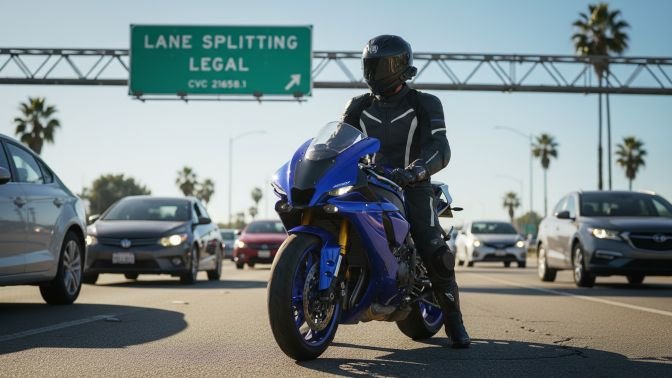
I explain which places allow or restrict lane splitting, recent law changes, and the penalties riders face if they split illegally. The rules vary by state and can change quickly, so check local laws before you ride.
Laws by Region
I note that California is the only U.S. state that clearly permits lane splitting for moving traffic under current law and guidance. Other states treat the practice differently: some allow limited lane filtering when traffic is stopped or crawling, while many states either ban lane splitting outright or leave it legally unclear.
In a few states like Arizona, Utah, and Montana, authorities or case law have created narrow allowances or tolerated filtering at low speeds. Most states rely on traffic codes that mention “unsafe lane changes” or prohibit driving between lanes, which law enforcement interpret against lane splitting.
If you ride near state lines, know that definitions differ: “lane filtering” often means moving between stopped cars, while “lane splitting” means riding between moving lanes. That distinction matters for both safety and enforcement.
Recent Legislative Changes
I track that the legal landscape has shifted since 2010, with some states debating bills to clarify rules. California updated guidance and engineering studies prompted clearer rider advice and motorcycle safety campaigns.
In recent years, a few states have considered bills to legalize limited filtering or to explicitly ban splitting, usually after public hearings and accident data reviews. Lawmakers focus on speed limits for filtering, visibility requirements, and whether police may cite riders for “unsafe maneuvers.”
I recommend checking state DMV or legislative websites for current statutes. Advocacy groups and motorcycle coalitions continue pushing for specific language that balances safety with commuter needs.
Consequences of Illegal Lane Splitting
I point out that penalties vary from fines and traffic citations to points on your license and higher insurance rates. In some states, a citation for unsafe lane changes can add fines of several hundred dollars and increase premiums.
Beyond fines, illegal splitting can affect accident liability. If a rider splits illegally and gets into a crash, insurers or courts may assign greater fault to the rider, reducing or denying claims. Criminal charges are rare but possible if a crash causes serious injury.
I advise keeping documentation: photos, witness contact info, and a clear account of speeds and distances, since these details matter in citations and claims.
Factors Influencing Lane Splitting Safety
I focus on the specific things that most affect whether lane splitting helps or harms a rider. Key factors include how fast traffic moves, the motorcycle and rider skills, weather and road surface, and how well other drivers can see you.
Traffic Conditions
I watch traffic speed and spacing first. Lane splitting in stop-and-go traffic at low speed (under about 10–15 mph relative to cars) lowers the chance of rear-end crashes. Tight gaps or heavy flow where cars change lanes often raise collision risk.
I avoid splitting when vehicles move at high speed or when drivers show unpredictable behavior, like frequent lane changes or sudden braking. I also check for large vehicles; buses and trucks have wider blind spots and can drift unexpectedly into the lane gap.
Motorcycle Type and Skill Level
My bike’s size and handling matter. Narrow, agile motorcycles make close-gap maneuvers easier, while heavy cruisers require more room and slower turning. Tire grip and brake condition directly affect my stopping distance between cars.
My riding skill and experience are critical. I practice slow-speed balance, clutch control, and precise throttle use before attempting lane splitting. I also keep training current and avoid risky maneuvers if I feel unsure or fatigued.
Weather and Road Surface
I never ignore surface conditions. Wet, icy, or oily roads cut traction and increase stopping distance, making lane splitting much more dangerous. Potholes, gravel, lane markings, and railroad tracks can force sudden steering inputs in tight gaps.
Wind and rain also reduce my stability and visibility. I postpone lane splitting in strong crosswinds or heavy rain and choose the lane position that gives me the most escape space if a vehicle drifts toward me.
Visibility and Awareness
I make myself visible and predict my actions. A high-visibility jacket, reflective gear, and a bright headlight help drivers spot me in a lane gap. I avoid passing on the blind side of vehicles and watch mirrors and shoulder checks constantly.
I read driver behavior: turn signals, brake lights, and eye contact give clues. If a driver is distracted, using a phone, or not checking mirrors, I back off. I assume drivers do not expect a motorcycle between lanes and leave an escape route at all times.
Data and Research on Lane Splitting Safety
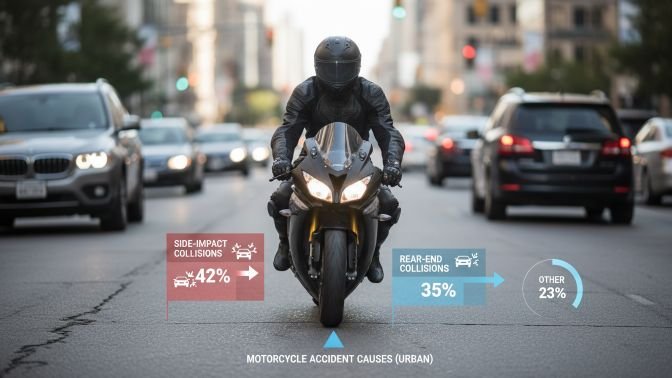
I looked at crash counts, rider behavior studies, and direct comparisons to other practices. The evidence shows lane splitting can lower some crash types but raises other risks that depend on speed and rider choices.
Accident Statistics
I found multiple studies that compare crash types for lane-splitting riders versus those who stay in lanes. A key finding from California data shows lane-splitting riders were less often rear-ended — for example, rates like 2.6% versus 4.6% in one large study.
However, some reports attribute up to 20% of motorcycle crashes in California to lane-splitting when higher speeds or risky maneuvers are involved.
Important risk factors in the statistics:
- Speed differential: crashes rise when riders exceed surrounding traffic by more than ~15 mph.
- Absolute speed: incidents increase when riders lane split above about 30–50 mph.
- Time of day: more crashes occur during daylight, often tied to heavier traffic and more lane changes.
These numbers show benefits in slow, dense traffic and higher risk when riders move fast or squeeze between moving vehicles.
Studies on Motorcycle Rider Behavior
I reviewed behavior studies that track how riders position themselves, choose speed, and scan gaps. Riders who follow recommended practice—matching speed within about 10–15 mph of surrounding cars and keeping clear sightlines—show fewer collisions and fewer head injuries in the data.
Conversely, riders who rush, weave, or fail to anticipate door openings and lane changes create higher crash odds.
Key behavior patterns linked to safer outcomes:
- Controlled speed and small speed differentials.
- Maintaining a visible lane gap and avoiding blind spots.
- Predictable lines that make riders’ movements clearer to drivers.
Education and clear legal guidance in jurisdictions like California appear to change rider choices and lower certain injury types.
Comparative Analyses With Other Practices
I compared lane splitting to practices such as filtering in slow traffic, riding between lanes at stops, and riding in lane centers. Studies show lane splitting in slow traffic often reduces rear-end crashes relative to staying in a lane.
Filtering at very low speeds and riding in the center of a lane both reduce specific risks—filtering lowers exposure to tailgates, while center-lane riding reduces side-swipe risk.
Trade-offs across practices:
- Lane splitting: fewer rear-end crashes, higher risk if speed or gap choice is poor.
- Filtering: good at very low speeds but limited when traffic flows faster.
- Staying centered: safer in many mixed-speed environments but may increase chance of being boxed in or rear-ended.
These comparisons indicate no single practice fits all situations; outcomes depend on speed, rider skill, and how drivers behave.
Technology and Gear Advancements
I focus on the gear and tech that help riders stay safer when lane splitting. The right helmet, jacket, and electronic aids can reduce injury risk and improve awareness in tight spaces.
Protective Equipment
I always start with a certified helmet. A DOT or ECE-rated full-face helmet protects the head and face during impacts and from debris when moving between cars. Look for helmets with good ventilation and an anti-fog visor to keep vision clear in stop-and-go traffic.
Body protection matters too. A CE-rated armored jacket or a backpack-style airbag system can reduce chest and spine injuries. Gloves with knuckle protection and reinforced palms improve grip and protect hands if a rider clips a mirror or scrapes a panel.
Boots with ankle support and non-slip soles help when putting a foot down in gaps. High-visibility clothing or reflective strips increase contrast with car drivers, helping reduce the chance a driver moves into your path while lane splitting. For more on standards, I check guidance from organizations like the U.S. National Highway Traffic Safety Administration.
Motorcycle Safety Features
Modern bikes include electronic aids that make lane splitting safer when done legally and carefully. Anti-lock braking systems (ABS) shorten stopping distance and keep the wheel from locking on sudden stops between lanes.
Traction control prevents wheel spin when accelerating out of tight gaps. Cornering ABS and lean-sensitive traction control add stability when a bike is angled between vehicles. I value quick-shifting clutches and smooth throttle mapping to control speed precisely in confined spaces.
Visibility tech also helps. LED headlights, adaptive headlights, and additional daytime running lights make the motorcycle easier to spot. Some bikes now offer blind-spot detection and rear cross-traffic alerts; these systems warn me when a car might change lanes into my path. For technical details and safety ratings, I reference resources like the Insurance Institute for Highway Safety.
Public Perception and Cultural Attitudes
I note two main tensions: many drivers worry about safety and blind spots, while some riders and advocates point to reduced rear-end crashes and faster commutes. These views shape laws and how people behave on the road.
Driver Attitudes Toward Lane Splitting
I find drivers often report fear and uncertainty about motorcycles moving between lanes. Many say they struggle to spot motorcycles in blind spots and worry riders will pass too fast or unpredictably.
Surveys and studies show drivers’ knowledge varies by region and exposure. In places where lane splitting is legal, like California, some drivers become accustomed and report less surprise. Elsewhere, drivers tend to see it as risky and oppose legal changes.
Driver attitudes influence safety through behavior. Nervous drivers may change lanes or brake suddenly, which raises collision risk. Clear public education and consistent rules can reduce confusion and improve driver responses.
Impact on Traffic Flow
I see lane splitting can affect congestion and the risk of rear-end crashes. Research indicates riders who split lanes at low speeds can avoid being rear-ended, which lowers some injury types.
However, the effect on overall traffic depends on speed differentials and rider technique. When riders move slowly between stopped cars, traffic can clear faster. But fast or erratic splitting can cause drivers to brake or swerve, which disrupts flow.
Policy and culture matter. Where riders follow speed limits and filter cautiously, traffic tends to move more smoothly. Where practices vary widely, the result is unpredictability and mixed effects on congestion.
FAQs
Is lane splitting safer than staying in a lane?
Research shows lane splitting can reduce rear-end crashes in some conditions. Safety depends on speed differential, traffic flow, and rider skill.
What speed difference is safe?
I recommend keeping your speed close to surrounding traffic—many guides suggest no more than 10–15 mph faster than cars. Higher differences raise crash risk.
When should I never lane split?
Never attempt it in heavy rain, low visibility, or when traffic moves unpredictably. Avoid narrow gaps, distracted drivers, or when you feel unsure.
What protective gear should I use?
I always wear a DOT or ECE-certified helmet, armored jacket, gloves, and sturdy boots. Good gear reduces injury if a collision happens.
How do I handle a crash while lane splitting?
If safe, move out of traffic and call emergency services. Document the scene, get witness info, and contact your insurer and a lawyer if needed.
Can insurance deny a claim for lane splitting?
Insurance rules differ. I tell riders to read their policies and ask insurers directly, since legality and company rules affect coverage.
Conclusion
I weigh the evidence and see that lane splitting can lower some risks, like rear-end crashes, when riders follow clear limits on speed and spacing. Research from careful studies supports that benefit in certain traffic conditions.
I also recognize real dangers. Close quarters, inattentive drivers, and high speed differentials raise the chance of side impacts and serious injury. Legal rules, rider skill, and driver awareness matter a great deal.
I recommend riders treat lane splitting as a conditional tool, not a default habit. Use it only where laws allow, traffic is slow, and you can keep speed differences small. Stay visible, predictable, and ready to stop.
I expect safer outcomes when states set clear rules and when riders and drivers share responsibility. Training, sensible laws, and public awareness reduce conflicts and improve safety for everyone on the road.