You want your bike to run well and stay safe, so plan service based on miles and time. Most motorcycles need a basic service every 4,000–6,000 miles or about every six to twelve months, but check your owner’s manual and your riding conditions to decide what fits your bike.
If you ride in hot weather, stop-and-go traffic, or on dusty roads, you’ll need service more often. I’ll show what tasks to do at each interval, signs that mean you need work now, and how to balance DIY checks with pro service so you don’t get stuck on the road.
Key Takeaways
- Follow a regular service schedule tied to miles and months to protect your bike.
- Adjust service frequency for harsh riding conditions and seasonal use.
- Watch for clear signs that need immediate attention and keep a simple log.
Recommended Motorcycle Service Intervals
I recommend clear service points to keep your bike safe and reliable. Follow the initial break-in check, routine mile- or time-based services, and a yearly full inspection to catch wear before it becomes a problem.
Initial Service After Purchase
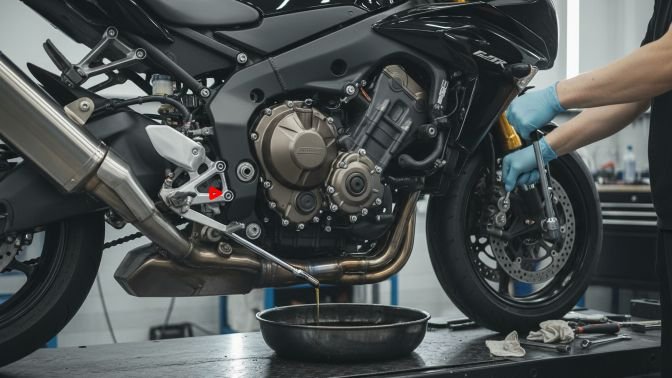
I get the first service done at the dealer or a trusted shop after the break-in period specified in the owner’s manual. That often falls between 300 and 1,000 miles (500–1,600 km) depending on the make. The technician will change engine oil, inspect the chain or final drive, check fasteners, and adjust cables or valves as needed.
I also ask them to check wheel bearings, brakes, coolant and clutch operation. If the bike is new with a warranty, I keep the service records to protect coverage. Early attention helps prevent mechanical issues that show up after the initial running-in.
Routine Maintenance Frequency
I follow the manufacturer’s recommended mileage or time intervals, usually every 3,000–5,000 miles (4,800–8,000 km) or every 6 months, whichever comes first. Key tasks at these intervals include oil and filter change, chain lubrication and tension check, brake pad inspection, and tire wear/pressure check.
For models with valve checks or coolant replacement, I plan those at longer intervals (often 12,000–15,000 miles). Riding style matters: frequent short trips, heavy loads, or dusty conditions mean I shorten intervals. I keep a simple log with date, miles, and services done so I can spot patterns and avoid missed maintenance.
Annual Service Checklist
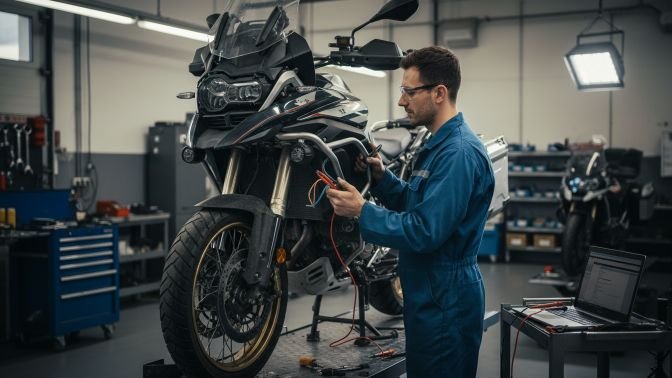
Each year I book a full inspection even if mileage is low. I include valve clearance checks, coolant and brake fluid replacement, battery load test, and a thorough electrical and frame inspection. I also ask for wheel alignment and suspension check.
I replace parts that age rather than just wear—rubber hoses, brake lines, and tires if they show dry rot or low tread. I update software or recall fixes at this visit. A yearly service gives me confidence that small issues won’t become roadside failures.
Key Factors Affecting Service Schedule
I look at three main things that change how often a bike needs service: how and where you ride, the type and use of the motorcycle, and the maker’s recommended intervals. Each of these affects oil, brake, chain, and valve checks differently.
Riding Habits and Conditions
How I ride changes service needs a lot. Short trips and stop-and-go city riding heat the engine more and can foul oil faster, so I check oil and filters every 3,000 miles or 6 months. Long highway rides put steady loads on the engine and tires, so I focus more on chain tension, tire wear, and suspension at each long-trip interval.
Riding in wet, salty, or dusty environments forces me to clean and lubricate the chain, inspect brake lines, and check for corrosion more often. If I ride off-road or carry heavy loads, I shorten service intervals for air filters, fork seals, and wheel bearings.
I follow safety checks before every ride: brakes, lights, tire pressure, and chain slack. For routine items, I track odometer and calendar reminders so nothing slips between rides.
Motorcycle Types and Usage

Different bikes need different care. Small-displacement commuter bikes often require oil and filter changes around every 3,000–4,000 miles. Sportbikes and high-performance machines may need more frequent valve checks and oil changes because they run hotter and rev higher.
Cruisers and touring bikes carry weight and long-distance loads. I inspect final drive, suspension, and cooling systems more frequently on these. Electric motorcycles skip oil changes but still need brake, battery, and software checks.
For tracked or competition bikes, I set tight service schedules: post-ride inspections, frequent chain and sprocket replacement, and detailed engine checks after races. Match service intensity to use: daily commuter vs. occasional weekend rider.
Manufacturer Specifications
I always consult the owner’s manual first. Manufacturers list mileage and time intervals for oil, filters, valve clearance, and major inspections. Following those recommendations protects warranties and targets the parts most likely to wear on that model.
If my riding conditions are harsher than the manual’s “normal” case, I follow the “severe” or “heavy” service schedule the maker provides. Many manufacturers publish online service guides and recall info; I check the official site or a trustworthy source like the NHTSA for updates.
I keep a service log with dates, miles, and work done to match future service to the manufacturer’s schedule and my actual riding patterns. This makes maintenance predictable and easier to budget.
Essential Maintenance Tasks
I focus on a few key items that keep a bike safe and reliable: regular oil and filter changes, routine brake checks, and steady chain and sprocket care. These tasks protect the engine, ensure stopping power, and preserve drivetrain life.
Oil and Filter Changes
I change the oil and filter at intervals recommended in the owner’s manual, which is usually between 3,000 and 5,000 miles for many bikes, or about once a year for low mileage. I use the oil viscosity and grade the manufacturer specifies, and I prefer synthetic if the engine calls for it.
When I drain the oil, I inspect it for metal particles or a burnt smell; either can mean engine wear or overheating. I always replace the filter when I change the oil and tighten the drain plug to the correct torque.
I note the date and mileage after each service. This helps me track the next change and spot accelerated consumption or leaks early.
Brake System Inspection
I inspect brake pads, rotors, and fluid as a single system. I check pad thickness visually or with a feel; most pads need replacing when the friction material drops below about 2–3 mm. I look for scoring or warping on rotors and listen for grinding noises.
I check brake fluid level and color. If the fluid looks dark or contains particles, I replace it. I bleed the system if the lever or pedal feels spongy to remove air and restore firm feel.
I also test both front and rear brakes on a slow ride after service to confirm proper response and to bed new pads if installed.
Chain and Sprocket Care
I check chain slack and adjust to the range the manual specifies. I measure slack at the chain midpoint and adjust the rear axle to get the correct free play. Too tight stresses bearings; too loose risks derailment.
I clean the chain with a mild degreaser, then dry and lubricate each link while rotating the wheel. I use a chain-specific lube and apply it to the inside of the chain for better penetration.
I inspect sprockets for hooked or worn teeth and replace the chain and sprockets together if wear appears. Replacing them as a set prevents premature wear and keeps power transfer smooth.
Seasonal and Mileage-Based Servicing
I focus on two things: prepare the bike for riding or storage, and follow mileage checks for wear items. Proper oil, battery, brakes, tires, and fluids make the biggest difference.
Pre-Riding Season Preparation
I start with fresh oil and an oil filter if the last change was near the recommended interval or six months ago. Clean or replace the air filter and check coolant level if the bike is liquid-cooled.
I inspect tires for tread depth, cracks, and correct pressure. I lubricate and set chain tension to the spec in my owner’s manual. I test brakes — pads, rotor condition, and lever feel — and top up brake fluid if it looks low or dirty.
I charge the battery fully and load-test it if it’s over three years old. I verify lights, signals, and horn work. I do a quick leak check under the bike and tighten visible fasteners. If anything feels loose or abnormal, I book a shop visit before riding.
Long-Term Storage Procedures
I drain or stabilize fuel depending on how long I’ll store the bike. For more than one month, I add a fuel stabilizer, run the engine five minutes to circulate it, then top the tank to limit air and corrosion.
I change the oil and filter before storage to remove acids and contaminants that can harm the engine. I disconnect the negative battery terminal or use a battery maintainer to keep the battery healthy. I inflate tires to the recommended pressure and, if possible, put the bike on stands to prevent flat spots.
I fog the engine cylinders with fogging oil if storage exceeds three months. I cover the bike with a breathable cover in a dry place and check it monthly for pests, leaks, or moisture. I also spray light corrosion-prone parts with a corrosion inhibitor.
High-Mileage Considerations
I follow the owner’s manual for major service intervals, such as valve clearance checks, coolant replacement, and final drive or gearbox inspections. At 10,000–20,000 miles many bikes need valve checks, cam chain inspection, and sometimes clutch adjustments.
I replace wear items more often: tires, brake pads, chain and sprockets, and battery life drops with heavy use. I watch for oil consumption, odd noises, or vibration; these can signal higher-wear issues like worn bearings or transmission problems.
I keep a log of mileage and services. That lets me plan larger jobs and avoid unexpected breakdowns. If I’m unsure about a symptom, I consult a mechanic rather than delaying a potentially costly repair.
Signs Your Motorcycle Needs Immediate Service
I watch for sounds, lights, and changes in how the bike steers or accelerates. These clues tell me when to stop riding and get help before a small problem becomes dangerous.
Unusual Noises or Vibrations
If I hear knocking, grinding, or metal-on-metal sounds from the engine, I stop riding soon and have it checked. Tapping or loud rattling at idle can point to valve or timing issues. Grinding when shifting or a whine from the gearbox needs urgent attention.
Strong or new vibrations through the handlebars, footpegs, or seat are warnings too. Wheel imbalance, bent rims, loose engine mounts, or failing bearings can cause them. I note when the vibration started and whether it gets worse with speed.
For brakes, a squeal, scraping, or pulsing under braking usually means worn pads, warped rotors, or stuck calipers. I avoid long rides when these noises appear and book service right away.
Warning Lights and Service Indicators
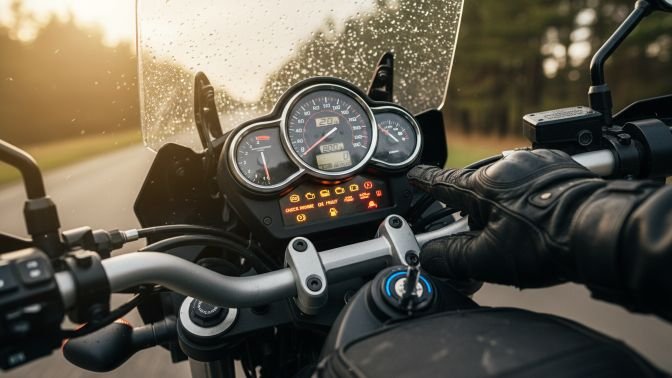
When a check-engine light or ABS warning comes on, I treat it like an immediate issue. These lights often mean sensor failures, low oil pressure, or ABS faults that affect safety. I don’t ignore intermittent flashes; they can point to wiring or connector problems that get worse.
Oil-pressure or temperature warnings require immediate shutdown of the engine. Low oil pressure can cause rapid engine damage. I check oil level only after the engine cools and avoid riding if levels are low.
Maintenance reminders tied to mileage or time are helpful, but I act faster for fault lights. I record the exact light pattern and bring it up with my mechanic for faster diagnosis.
Handling and Performance Issues
If the bike pulls to one side, wanders, or feels unstable in corners, I inspect tires, wheel alignment, and suspension. Uneven tire wear, low pressure, or bent forks can cause those symptoms. I correct tire pressure before long rides and schedule repairs for alignment problems.
Difficulty starting the engine, frequent stalling, or loss of power under load signal fuel, ignition, or compression problems. I check the battery, spark plugs, and fuel delivery if I can, but I get professional help for persistent issues.
Reduced braking power or a soft brake lever means air in the lines, worn pads, or fluid problems. I avoid heavy braking until a brake bleed, pad change, or fluid flush fixes the issue.
Consequences of Skipping Regular Maintenance
I’ve seen how small issues grow when ignored. Skipping service raises risks on the road, cuts what you can sell the bike for, and makes repairs cost far more later.
Decreased Safety and Reliability
If I delay brake checks or pad changes, stopping distance can grow. Worn brake pads, low brake fluid, or air in lines reduce braking power and increase crash risk. Tires that sit or lose pressure develop flat spots or tread wear. That lowers grip in corners and on wet roads.
Engine oil that isn’t changed breaks down and fails to lubricate. I risk overheating, clogged oil passages, and sudden loss of power. A clogged air filter or old spark plugs make starts harder and throttle response poor. Electrical and charging faults left unchecked can strand me with a dead battery.
I inspect lights, controls, and suspension regularly because small failures often appear as odd noises, pulling to one side, or spongy brakes. Addressing them early keeps the bike predictable and safe.
Reduced Resale Value
I know buyers look for service records first. A bike with gaps in maintenance history loses trust and sells for less. Visible neglect — faded chain, rusty bolts, crusted brake calipers — signals deeper problems. That cuts offers by hundreds or even thousands depending on the model and market.
Mechanical issues discovered at inspection lead buyers to subtract repair estimates from their offer. Dealers and private buyers expect routine services: oil changes, valve checks, tire replacements. Without them, I face lower trade-in values and longer listing times.
Keeping receipts and a clear log often recovers value. It proves the bike was cared for and justifies a higher asking price.
Increased Long-Term Repair Costs
Small fixes cost little; ignored ones become big jobs. I’ve seen a $50 chain replacement turn into a $500 clutch or gearbox repair when wear spreads. Neglected valve clearances or oil changes can cause engine damage that requires a rebuild.
Corrosion and seized fasteners from moisture build up raise labor time during repairs. That multiplies shop bills. Electrical gremlins left unattended can lead to expensive wiring harness or ECU replacements.
Regular service catches wear items before they damage related components. Investing in scheduled maintenance typically saves money versus paying for major parts and extra labor later.
Professional Versus DIY Motorcycle Servicing
I weigh cost, time, and safety when I decide between working on my bike and taking it to a shop. Some routine jobs are simple and low-risk; others need special tools, experience, or warranty-safe work.
Basic Tasks You Can Perform Yourself
I handle oil changes, air filter swaps, chain cleaning and adjustment, and basic brake pad checks at home. These tasks need common tools: a torque wrench, oil pan, cleaning brush, and a good service manual for torque specs. I change oil every 3,000–5,000 miles depending on my bike and the oil type, and I lube and check chain tension about every 300–600 miles or after wet rides.
I use OEM parts or high-quality aftermarket parts to avoid damage. For how-to steps and torque numbers I trust my motorcycle’s owner manual and guides from sites like Motorcycle Safety Foundation or manufacturer service pages. I keep a maintenance log with date, miles, and parts used.
When to Seek Expert Assistance
I bring the bike to a pro for valve adjustments, fork or shock service, clutch repairs, electrical diagnostics, and complex engine work. These jobs often require special tools, dealer software, or press-fit procedures that can cause more damage if done wrong. If my bike is under warranty, I avoid DIY that might void coverage.
I also consult a mechanic when I notice unexplained power loss, persistent overheating, odd noises under load, or ABS/electronic failures. For tire replacement and balancing I prefer a shop with a wheel balancer and proper torque equipment. For reliable recalls and technical service bulletins, I check manufacturer sites and local dealers.
Maintaining a Service Log
I keep a service log for every motorcycle I own. It helps me track oil changes, chain adjustments, brake checks, and any parts I replace.
I record the date, mileage, work done, and who did it. I also note costs and part numbers so I can compare future quotes and spot repeating issues.
Use a simple table or list to make entries clear. For example:
- Date: 2026-01-10
- Mileage: 8,200 mi
- Work: Oil change, chain lube, tire pressure check
- Cost: $85
- Notes: Rear pad at 40% life
I back up my paper log with a photo or a small app entry. That gives me quick access when I sell the bike or need warranty proof.
A good log helps me follow the manufacturer’s service schedule and the real-world intervals I ride. It also makes troubleshooting faster when a problem returns.
FAQs
What about oil and chain checks?
I recommend checking oil and the chain every 3,000–4,000 miles or every six months. Tire pressure should be checked at least once a month, or more often in changing weather.
Do riding style and conditions matter?
Yes. I advise more frequent checks if you ride hard, carry heavy loads, or ride in dust, rain, or stop-and-go traffic. These conditions wear parts faster and shorten service intervals.
Is the first service special?
Most new motorcycles need an initial service after 500–1,000 miles to inspect and tighten parts. I always treat that visit as important; it catches early issues.
Can I skip dealer service if I do my own work?
If you’re confident and skilled, I support doing your own maintenance. Keep detailed records and follow the manual so warranty rules and safety aren’t affected.
Quick checklist I use:
Monthly: tire pressure, lights, fluid levels.
Every 3,000–5,000 miles: oil, filter, basic inspection.
Annual or per manual: full service and valve checks.
Conclusion
I recommend following your owner’s manual as the first rule for service intervals. It gives the manufacturer’s specific schedule for oil changes, valve checks, and other key items. Stick to it when you can.
I also check my bike more often than the manual if I ride hard, carry heavy loads, or ride in dusty or wet conditions. Those factors speed up wear and can make shorter intervals safer. Small checks between services—tires, lights, oil level—catch problems early.
I balance mileage-based services (like every 3,000–5,000 miles for many bikes) with time-based checks (at least once a year). If you ride little, time matters more than miles. If you ride a lot, shorten the time between major services.
I suggest keeping a simple log of dates, miles, and work done. It saves money and helps mechanics spot trends. Use bold notes for major work like valve adjustments or fork services.
- Check oil and tires monthly.
- Inspect brakes and chain every few hundred miles.
- Follow major service intervals from your manual.
I trust regular maintenance to keep my bike safe and reliable. A small amount of routine care prevents bigger repairs and keeps the ride enjoyable.