You feel sharp on a bike when you’re rested, but fatigue strips that control fast. Tiredness slows your reactions, blurs focus, and weakens the small muscle movements you need to steer, brake, and avoid hazards. Fatigue directly raises the chance of mistakes and crashes by impairing your judgment, attention, and physical control.
I’ll show how fatigue builds on long rides, hot or cold conditions, and poor sleep, and how simple checks and breaks keep you safer. Stay with me to learn clear signs to watch for and easy steps you can use right away to reduce risk on every ride.
Key Takeaways
- Fatigue reduces reaction time and decision-making on a motorcycle.
- Environmental stress and long rides make fatigue worse.
- Short breaks, good rest, and simple habit changes lower crash risk.
Understanding Fatigue in Motorcyclists

I explain what usually wears riders down, how different kinds of tiredness show up, and why those differences matter for safe riding.
Common Causes of Fatigue While Riding
I find that long hours in the saddle are the top cause of rider fatigue. Continuous riding for more than two to three hours without a break raises muscle strain and reduces alertness. Wind buffeting and engine vibration add steady, low-level stress that wears you down over time.
Poor posture and an ill-fitting bike amplify fatigue quickly. Reaching for handlebars, gripping too hard, or an awkward seat height stresses the lower back, shoulders, and forearms. Dehydration and low blood sugar also reduce concentration, so skipping water or food on a long ride makes fatigue come on faster.
Environmental and mental demands matter too. High traffic, bad weather, and constant scanning for hazards increase mental drain. Night riding and monotony on long highways both speed up onset of drowsiness.
Types of Fatigue Affecting Riders
I separate fatigue into a few practical types so you can spot them early.
- Physical fatigue: muscles ache, hands numb, neck or lower back pain. You feel heavy and your movements become slower or shaky.
- Mental fatigue: attention lapses, slower decision-making, zoning out for seconds at a time. You may miss lane markers or stop reacting to merging traffic.
- Sleep-related fatigue: hard to stay awake, frequent yawning, microsleeps. This is the most dangerous because it mimics impairment from alcohol.
- Task-specific fatigue: happens when one activity overwhelms a body part, like forearm fatigue from constant throttle control on twisty roads.
These types often overlap. For example, a sore lower back can worsen mental fatigue by distracting you, which then slows reaction time.
Differences Between Physical and Mental Fatigue
I describe physical fatigue as local and measurable. You notice aching muscles, reduced grip strength, and slower physical responses. Stretching, rest breaks, and posture changes tend to restore physical function within minutes to hours.
Mental fatigue shows as reduced vigilance and poor judgment. It affects hazard perception and memory for recent events. Short breaks help, but sleep is the only full remedy for severe mental or sleep-related fatigue.
Practical differences for riding:
- Physical signs: stiff hands, sore shoulders, leg tingling.
- Mental signs: missed exits, delayed braking, tunnel vision. I recommend treating mental fatigue as higher risk: if I feel mentally worn, I stop riding and rest or nap rather than push on.
How Fatigue Impacts Motorcycle Riding Safety
Fatigue lowers alertness, weakens muscles, and clouds judgment. These effects combine to make routine tasks—like braking, steering, and scanning intersections—more dangerous.
Decreased Reaction Times
I notice my reactions slow when I’m tired. A delayed brake or late swerve can turn a close call into a crash. Studies and safety agencies show fatigue reduces the speed of visual processing and motor response, so I take longer to see hazards and move my hands or feet.
When reaction time lengthens by even a fraction of a second, stopping distance increases noticeably at highway speeds. I plan rides with regular breaks and avoid long stretches without rest to keep my reaction time sharp. For more guidance on sleep and driving risk, I refer to resources from the Centers for Disease Control and Prevention (CDC).
Impaired Judgment and Decision-Making
Fatigue blurs my judgment about speed, gaps in traffic, and safe following distance. I become overconfident or indecisive, which leads to poor choices like misjudging an overtaking gap or delaying a lane change.
Mental fatigue also reduces my ability to prioritize tasks—I might focus on a minor instrument light instead of a truck entering my lane. I use checklists before long rides and set clear turn and rest plans to reduce on-the-fly choices. The National Highway Traffic Safety Administration (NHTSA) offers useful materials on how drowsiness affects driving decisions.
Reduced Coordination and Balance
When I’m tired, fine motor skills suffer. Grip strength weakens, throttle and clutch inputs become less smooth, and I have more trouble keeping balance at low speeds. These small control losses make maneuvers like slow-speed turns, sudden swerves, and emergency braking riskier.
Muscle fatigue also increases the chance of numbness and cramps on long rides, which further disrupts control. I adjust my posture, use ergonomic grips, and schedule standing or stretching breaks to restore muscle function and balance.
Increased Risk Factors When Riding Fatigued

Fatigue cuts my attention, slows my reactions, and wears down my body. These effects raise the chances of crashes and make difficult road situations harder to handle.
Accident Probability and Seriousness
When I ride tired, my reaction time slows. I take longer to spot hazards like a car braking, a pothole, or debris. Slower braking and delayed steering adjustments make collisions more likely.
Fatigue also reduces judgment. I misread gaps in traffic, underestimate speeds, or fail to choose safe escape routes. Those errors increase crash severity because I may hit a vehicle or object at higher speed or with poorer control.
Micro-sleeps and nodding off are real risks on long rides. Even a brief loss of awareness at 55 mph covers dozens of yards. That short lapse can turn a close call into a serious crash.
Vulnerability in Challenging Road Conditions
Tired muscles and stiff posture make precise inputs harder. On gravel, wet roads, or tight curves I need steady throttle, clutch, and brake control. Fatigue weakens that control and raises the chance of low-side or high-side falls.
My vision narrows when I’m fatigued. I scan less and miss lane markings, merging vehicles, or changes in pavement. Reduced peripheral awareness is especially dangerous on winding roads and at night.
Fatigue also worsens my tolerance for stress. Heavy traffic, strong crosswinds, or rapid weather changes can overwhelm me faster. That makes recovery from slips or sudden obstacles less likely, increasing both crash risk and injury severity.
Recognizing Warning Signs of Fatigue
I watch for clear, specific signs that tell me my body or mind are too tired to ride safely. These signs fall into physical/cognitive changes and shifts in how I behave on the bike.
Physical and Cognitive Symptoms
I feel changes in my body first: heavy eyelids, frequent yawning, and a steady drop in energy. My vision blurs slightly at times or I notice tunnel vision on long straight roads. I also get slower to react — braking or steering feels delayed by a fraction of a second.
My hands may go numb or grip the bars too tightly without meaning to. Headaches, dizziness, or lightheadedness are red flags I don’t ignore. Mentally, I experience zoning out, trouble focusing on road signs, and difficulty keeping a steady speed or lane position.
Behavioral Indicators During Riding
I notice my riding habits shift when fatigue sets in. I miss planned turns, overshoot exits, or drift within the lane more often than usual. My scanning pattern tightens; I stop checking mirrors and blind spots as frequently.
I make small errors that add up: late braking, jerky throttle control, and poor gear choices. I also find myself reducing speed or stopping more often without a good reason, or conversely, pushing on to finish miles despite poor focus. These behaviors signal I need to rest before continuing.
Preventive Strategies to Reduce Fatigue
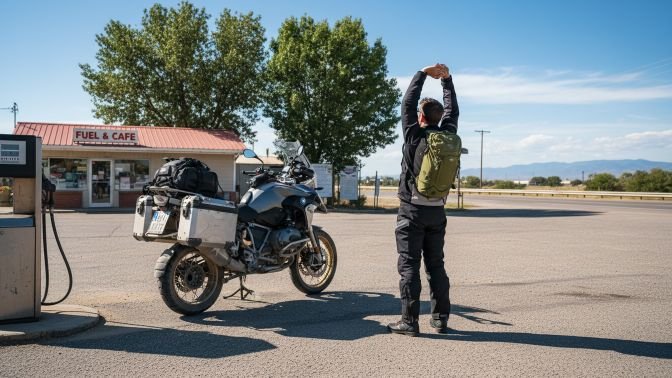
I focus on three areas that cut fatigue risk: getting quality sleep before a ride, fueling and hydrating properly, and planning rides with realistic distances and breaks.
Proper Rest and Sleep Management
I aim for 7–9 hours of sleep the night before any long ride. Short naps don’t replace deep sleep, so I avoid all-night packing or late-night socializing before a big trip. If I feel drowsy the next morning, I delay departure until I’ve rested.
On multi-day trips, I keep a consistent sleep schedule and avoid alcohol within six hours of bedtime. For daytime rides, I use a 20–30 minute power nap before riding when I feel heavy eyes or slow reactions. I also watch for signs of microsleeps—brief lapses in attention—and stop immediately if they occur.
When planning overnight stays, I pick accommodations with quiet, dark rooms to help me sleep deeply. If I have chronic sleep problems, I consult my doctor; untreated sleep apnea or other disorders greatly raise crash risk. Resources like the National Sleep Foundation explain healthy sleep habits.
Hydration and Nutrition
I drink water regularly, not just when thirsty. On rides over two hours I carry a 1–2 liter hydration pack or bottles and sip every 20–30 minutes to avoid concentration drop and muscle fatigue. I reduce caffeine after mid-afternoon because it can disrupt nighttime sleep.
I eat small, balanced meals every 2–3 hours. I choose lean proteins, whole grains, and fruits to keep blood sugar steady. Heavy, greasy meals make me sluggish and slow my reactions. I keep high-protein snacks—nuts, jerky, or protein bars—within reach for quick energy without sugar crashes.
Electrolyte replacement helps on hot days or after heavy sweating. I use sports drinks or electrolyte tablets as needed. For more guidance on hydration and performance, I refer to trusted sources like the CDC’s tips on water and food safety for travelers.
Effective Trip Planning
I limit single-day riding to distances I can handle without stress—often 300 miles or less for most riders. I plan routes with rest stops every 60–90 minutes or every 50–70 miles, whichever comes first. I mark safe pullouts, gas stations, and cafes on my map or GPS before I leave.
I stagger riding with my group so everyone can take breaks when needed, and I share my planned schedule with someone not on the ride. I set realistic daily goals that account for weather, road type, and traffic. I also check weather forecasts and daylight hours; I avoid riding late when fatigue and visibility problems rise.
I perform a quick self-check before each leg: hydration, hunger, mood, and alertness. If any item flags, I take a proper break or stop riding for the day.
Role of Motorcycle Design and Equipment
I focus on how the bike and my gear cut fatigue and keep my attention sharp. Small design choices can change how long I stay alert and how quickly I react.
Importance of Ergonomics
I check seat height, handlebar reach, and footpeg position to reduce muscle strain. If my hips sit too far forward or my arms are fully extended, I tense shoulders and neck, which speeds up fatigue. A seat with proper padding and shape spreads pressure and prevents numbness on long rides.
Suspension setup matters for vibration and shock. Harsh suspension transmits bumps to my spine, causing fatigue and reduced control. Adjustable suspension and bar risers let me tailor posture for touring or sport riding.
I also consider cockpit layout and weight distribution. Controls placed within easy reach cut awkward movements. A lower windscreen and good tank shape let me relax my upper body at highway speeds.
Impact of Protective Gear and Accessories
I choose a helmet that fits well and is ventilated to avoid neck strain and overheating. A heavy or poorly balanced helmet tires my neck muscles quickly. A helmet with good ventilation and proper padding reduces discomfort and helps me stay focused.
My jacket, gloves, and boots must fit without restricting movement. Stiff or tight gear causes early muscle fatigue. Protective armor that sits correctly absorbs impacts but should not force me into a cramped posture.
I use accessories that reduce effort: cruise control or throttle lock eases wrist strain on long straights. Heated grips and seats prevent muscle tightening in cold weather. Mirrors with wider fields of view cut the need for head turns, lowering neck strain and keeping my attention on traffic.
FAQs
How does fatigue change my riding?
I become slower to react and I may miss hazards. Fatigue reduces balance, coordination, and decision-making, which raises crash risk.
How can I tell if I’m too tired to ride?
I feel heavy eyelids, yawning, blurred vision, or wandering thoughts. My hands might cramp or I lose focus on the road.
Are short breaks enough on long rides?
Short breaks help, but I need restful stops every 90–120 minutes on long trips. Stretching, walking, and a brief nap restore alertness more than just a coffee.
Does physical fitness matter?
Yes. If I’m fitter, I resist fatigue better and handle the bike more easily. Poor conditioning, dehydration, and low blood sugar make fatigue worse.
Can caffeine or energy drinks replace sleep?
No. Caffeine gives a temporary boost but cannot replace sleep. I must not rely on stimulants to mask sleepiness.
What gear or setup reduces fatigue?
A comfortable seat, proper suspension, and ergonomic controls cut strain. I also check tire pressure and load distribution to avoid extra effort.
When should I stop riding?
I stop immediately if I can’t focus, feel drowsy, or my reactions feel slow. It’s safer to rest than to push through tiredness.
Any quick tips to stay alert?
I stay hydrated, eat light meals, plan regular stops, and ride with others when possible. Planning reduces fatigue before it starts.
Conclusion
I find that fatigue reduces a rider’s physical and mental sharpness in clear, measurable ways. It slows reflexes, narrows attention, and makes judgment less reliable. Those changes raise the chance of missing hazards or failing to respond correctly.
I recommend simple, concrete steps to lower risk. Get enough sleep before rides, take breaks every 1–2 hours, drink water, and stretch to ease muscle strain. Adjust posture and bike setup to reduce fatigue on long trips.
I also point out practical signs that fatigue is building: heavy eyelids, wandering thoughts, frequent yawning, or a steady drop in riding smoothness. When I see those signs, I stop riding and rest or find safe transport home.
I trust that combining good habits, self-awareness, and bike ergonomics makes riding safer. Small changes prevent many fatigue-related problems and keep me sharper on the road.