Wondering are full face helmets safer? This guide breaks down the safety benefits of full face helmets, showing how they protect your head better than other types. You’ll learn what makes these helmets a top choice for riders who want maximum protection every time they hit the road.
Key Takeaways
- Full face helmets offer superior protection: They cover the entire head, including the chin and jaw, reducing injury risks.
- Impact absorption is enhanced: Their design helps absorb shocks better during crashes.
- Face shields protect against debris: They guard your eyes and face from wind, dust, and insects.
- Better noise reduction: Full face helmets reduce wind noise, improving rider focus and comfort.
- Modern materials improve safety: Advanced composites and EPS liners boost helmet strength without extra weight.
- Proper fit is crucial: Even the safest helmet won’t protect well if it doesn’t fit correctly.
- Regular replacement is important: Helmets need to be replaced every 3-5 years or after impact to maintain safety.
Are Full Face Helmets Safer? A Complete How-To Guide for 2025
When it comes to motorcycle safety, choosing the right helmet is one of the most important decisions you can make. In this guide, we’ll explore are full face helmets safer and why many riders trust them for maximum protection. You’ll learn about the safety features, benefits, how to pick the right one, and tips for proper use. Let’s get started!
What Makes Full Face Helmets Different?
Full face helmets cover your entire head, including your chin and jaw, unlike open-face or half helmets. This design provides a complete barrier against impacts, wind, and debris. Understanding these differences helps you see why they are often considered safer.
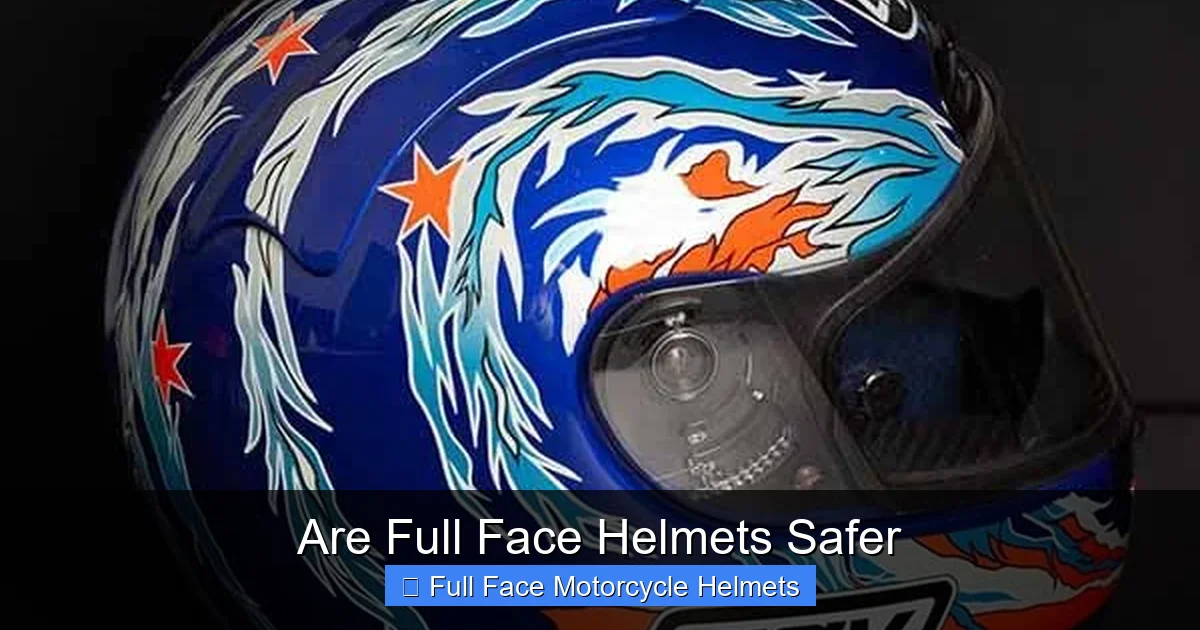
Visual guide about Are Full Face Helmets Safer
Image source: agvsport.com
Full Coverage Protection
Full face helmets protect the skull, face, and jaw. The chin bar, unique to full face helmets, shields your lower face during accidents. This reduces the risk of facial fractures, which are common in motorcycle crashes.
Integrated Face Shields
The clear shield on full face helmets guards your eyes from wind, rain, bugs, and road debris. This ensures better visibility and helps prevent distractions that can lead to accidents.
Step 1: Understand the Safety Standards
Before buying a full face helmet, check for safety certifications. These prove the helmet meets strict impact and penetration standards.
Common Safety Certifications
- DOT (Department of Transportation): Required in the U.S., ensures minimum safety standards.
- ECE 22.06: European standard known for rigorous testing.
- Snell: Voluntary but very strict certification trusted worldwide.
Choose helmets with at least one of these certifications for reliable protection.
Step 2: Select the Right Helmet Size and Fit
A helmet must fit snugly but comfortably. A poorly fitting helmet can shift during impact, reducing its effectiveness.
How to Measure Your Head
- Use a soft measuring tape.
- Measure around your head just above your eyebrows.
- Check brand sizing charts as sizes vary.
Try Before You Buy
Put the helmet on and check for pressure points. It should feel tight enough to stay in place but not cause pain. Move your head side to side; the helmet should not slide.
Step 3: Explore Materials and Construction
Modern full face helmets use advanced materials for strength and lightweight comfort.
Outer Shell Materials
- Fiberglass Composite: Strong and flexible, absorbs impact well.
- Polycarbonate: Affordable, decent protection but heavier.
- Carbon Fiber: Lightest and strongest, often premium-priced.
Inner Liner
The EPS (expanded polystyrene) foam liner absorbs shock during impacts. Multiple density layers can improve energy absorption for better safety.
Step 4: Check Additional Safety Features
Some full face helmets include features that enhance safety beyond basic protection.
Emergency Release System
Allows easy helmet removal by emergency personnel without hurting your neck.
Anti-fog and UV Protection
Some face shields have coatings to prevent fogging and block harmful UV rays, improving clarity and eye safety.
Ventilation
Good airflow keeps you comfortable and alert, reducing fatigue.
Step 5: Maintain and Replace Your Helmet
Proper care extends helmet life, but helmets have a lifespan and must be replaced regularly.
Helmet Lifespan
Most manufacturers recommend replacing helmets every 3-5 years due to material degradation.
After an Impact
Replace your helmet immediately if you’ve had a crash, even if it looks undamaged. Internal protection may be compromised.
Cleaning Tips
- Use mild soap and water for the shell and liner.
- Avoid harsh chemicals that can weaken materials.
- Store helmet away from direct sunlight and extreme heat.
Step 6: Use Full Face Helmets Properly
Wearing your helmet correctly maximizes safety benefits.
Secure the Chin Strap
Always fasten the chin strap snugly to keep the helmet in place.
Keep the Face Shield Closed
Keep the shield down while riding to protect your face and eyes.
Wear Additional Protective Gear
Pair your helmet with gloves, jackets, and boots for full protection.
Troubleshooting Common Issues
Helmet Feels Too Tight or Too Loose
If your helmet is uncomfortable, try a different size or brand. Helmet shapes vary by manufacturer, so don’t settle for poor fit.
Fogging Face Shield
Use anti-fog sprays or pinlock inserts. Make sure vents are open for airflow.
Helmet Noise
Check that the helmet fits well; a loose helmet produces more wind noise. Consider a helmet with better aerodynamics or added padding.
Conclusion
So, are full face helmets safer? The answer is a confident yes. They offer the best all-around protection for your head, face, and jaw. With proper fit, quality materials, and maintenance, a full face helmet is your best bet for riding safety in 2025. Remember, no helmet can fully prevent injury, but choosing the right one dramatically reduces risk. Ride smart and stay protected!
🎥 Related Video: Half face or full face helmet?
📺 Aakash Dhawan
