Full face helmets offer superior protection for mountain biking (MTB) by shielding the entire head and face. This guide explains why they are safer, how to pick the best one, and practical tips for comfortable, secure riding.
Key Takeaways
- Full face helmets provide comprehensive protection: They guard the chin, jaw, and face, areas often vulnerable in MTB crashes.
- Improved safety in high-risk trails: Riders tackling technical and downhill trails benefit most from full face helmets.
- Proper fit is crucial: A helmet must fit snugly without discomfort to offer maximum safety.
- Ventilation matters: Good airflow prevents overheating during intense rides.
- Helmet certification: Look for helmets meeting safety standards specific to MTB or downhill riding.
- Weight and comfort influence usage: Lightweight materials and padding increase wear time and protection.
- Maintenance extends helmet life: Regular checks and proper storage keep helmets effective.
Are Full Face Helmets Safer for MTB?
If you love mountain biking, safety is a top priority. One big question riders often ask is: Are full face helmets safer for MTB? In this guide, we’ll explore why these helmets are considered safer, how to choose the best one, and tips for comfortable use on the trails. Whether you’re a beginner or a seasoned rider, understanding helmet safety can save your life.
Step 1: Understand the Basics of Full Face Helmets
What Are Full Face Helmets?
Full face helmets cover the entire head, including the chin and jaw. Unlike open-face or half-shell helmets, these provide more protection for your face. They are popular in downhill and freeride mountain biking due to the higher speeds and risks involved.
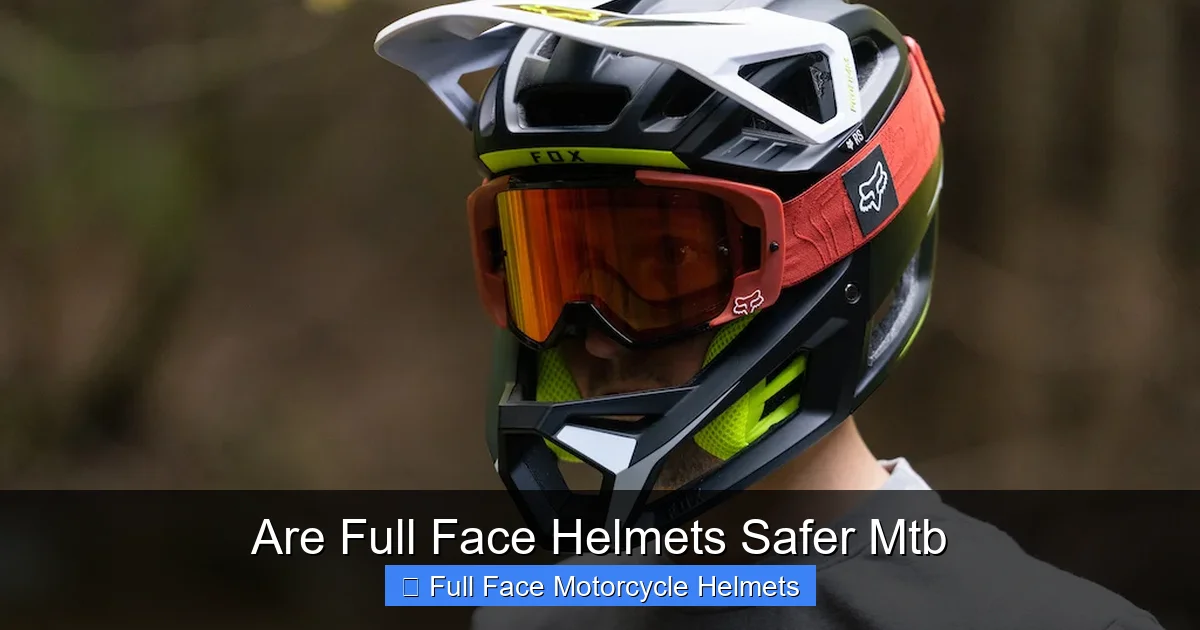
Visual guide about Are Full Face Helmets Safer Mtb
Image source: ep1.pinkbike.org
Why Are They Considered Safer?
In MTB accidents, impacts often happen to the front of the face or lower jaw. Standard helmets don’t protect these areas. Full face helmets reduce the chance of serious facial injuries by shielding these vulnerable spots.
Step 2: Assess Your Riding Style and Risk Level
Match Helmet Type to Riding Discipline
If you mostly ride smooth trails or cross-country, a lightweight open-face helmet might work. But for aggressive downhill, freeride, or technical trails, full face helmets offer essential protection. Assess your typical trails and speeds to decide.
Consider Your Comfort and Confidence
Wearing a helmet that feels secure boosts your confidence. Full face helmets can feel bulky at first but provide peace of mind. Try different models to find one that balances protection and comfort.
Step 3: Choose the Right Full Face Helmet
Look for Certified Safety Standards
Check that your helmet meets recognized safety standards like CPSC, ASTM F1952, or CE EN 1078. These certifications prove the helmet has passed rigorous impact tests.
Check the Fit and Sizing
Measure your head circumference and try on helmets in that size range. The helmet should fit snugly without gaps or pressure points. Use the manufacturer’s sizing chart as a guide.
Evaluate Ventilation
Good airflow prevents overheating and sweat buildup. Look for helmets with multiple vents and channels that allow air to flow freely while maintaining protection.
Consider Weight and Materials
Lighter helmets reduce neck strain on long rides. Materials like carbon fiber or advanced polycarbonate shells offer a good strength-to-weight ratio.
Step 4: Properly Wear and Adjust Your Helmet
Position the Helmet Correctly
Your helmet should sit level on your head, covering your forehead without tilting back. The front edge should be about one or two finger-widths above your eyebrows.
Buckle and Tighten Straps Securely
Fasten the chin strap firmly but comfortably. You should be able to fit one or two fingers between the strap and your chin. Adjust side straps so they form a “V” just below your ears.
Check for Movement
Try shaking your head gently. The helmet should stay in place without excessive movement. If it shifts easily, tighten straps or try a different size.
Step 5: Maintain and Replace Your Helmet
Regular Cleaning
Use mild soap and water to clean the helmet shell and padding. Avoid harsh chemicals that can weaken materials. Let it air dry completely after cleaning.
Inspect for Damage
After every crash or impact, check the helmet for cracks, dents, or compression. Even if it looks fine, internal damage can reduce protection. Replace helmets after serious impacts.
Replace Every Few Years
Helmets degrade over time. Experts recommend replacing MTB helmets every 3-5 years, even without visible damage, to ensure safety.
Troubleshooting Common Helmet Issues
Helmet Feels Too Hot or Uncomfortable
If your helmet overheats, try models with more ventilation or wear moisture-wicking liners. Also, take short breaks during rides to cool down.
Straps Irritate Skin
Use soft strap covers or padding to prevent chafing. Adjust strap tightness to avoid excessive pressure.
Helmet Fogging Up
Consider helmets with built-in visors or anti-fog coatings. Using anti-fog sprays on goggles or glasses can also help.
Conclusion
So, are full face helmets safer for MTB? The answer is a strong yes, especially for riders tackling challenging trails and high speeds. They offer unmatched protection for the face and head, areas often exposed in crashes. By choosing the right helmet, ensuring a proper fit, and maintaining it well, you can enjoy mountain biking with greater safety and confidence. Remember, the best helmet is one you wear consistently and correctly.
🎥 Related Video: Do You Need A Full Face Helmet For Mountain Biking? | Full Face Vs Half Shell MTB Helmets
📺 Global Mountain Bike Network
Do you need a full face helmet? In this video we’ll talk you through the advantages and disadvantages of the two different types of …
