Full face motorcycle helmets offer superior protection by covering the entire head and face, making them one of the safest helmet types available. This guide explores why full face helmets are safer, how to choose the right one, and practical tips to maximize your riding safety in 2025.
Key Takeaways
- Comprehensive Protection: Full face helmets cover the entire head, including the chin and jaw, reducing injury risk.
- Better Impact Absorption: They use advanced materials and designs to absorb shocks more efficiently than other helmets.
- Improved Weather Shielding: These helmets protect riders from wind, rain, debris, and bugs, enhancing comfort and focus.
- Enhanced Noise Reduction: Their design helps reduce wind and road noise, making rides less fatiguing.
- Safety Certifications Matter: Look for DOT, ECE, or Snell ratings to ensure your helmet meets high safety standards.
- Proper Fit is Key: A well-fitted helmet maximizes protection, so always measure your head and try helmets on before buying.
- Maintenance and Replacement: Regularly inspect and replace your helmet after impacts or every 5 years for optimal safety.
Are Full Face Motorcycle Helmets Safer?
If you ride a motorcycle, safety is your top priority. One of the most important decisions you make is choosing the right helmet. Full face motorcycle helmets have become increasingly popular, but are they really safer than other types? In this guide, you’ll learn everything about why full face helmets offer superior protection, how to select the right helmet for you, and tips to keep yourself safe on the road in 2025.
Understanding Full Face Motorcycle Helmets
A full face motorcycle helmet covers your entire head — including the chin, jaw, and face — with a solid outer shell and a visor. Unlike open face or half helmets, full face helmets provide more coverage and protection. This design helps protect against impacts from all angles, as well as environmental elements like wind and debris.
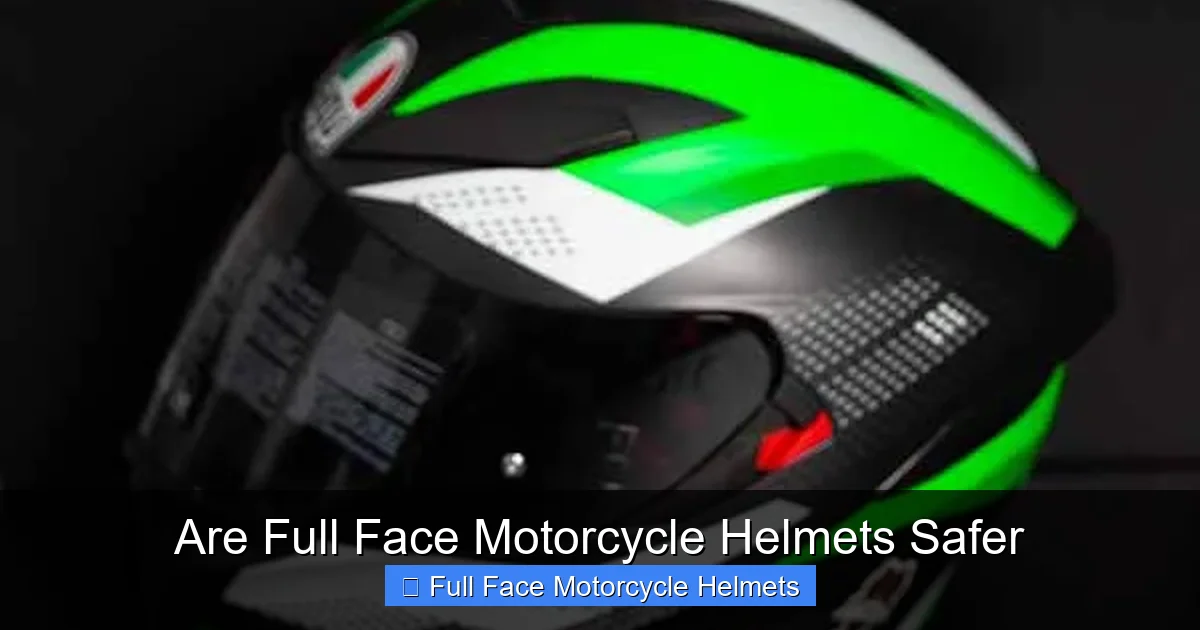
Visual guide about Are Full Face Motorcycle Helmets Safer
Image source: agvsport.com
What Makes Full Face Helmets Different?
- Full Coverage: The helmet fully encases the head and face.
- Visor Shield: Clear visor protects your eyes and face from dust and bugs.
- Advanced Padding: Multiple layers of foam absorb shocks.
- Ventilation System: Designed to keep you cool without compromising protection.
Step 1: Learn How Full Face Helmets Enhance Safety
Impact Protection
Full face helmets use a hard outer shell made from fiberglass, polycarbonate, or carbon fiber. This shell disperses impact forces over a larger area. Inside, energy-absorbing foam reduces the force transferred to your skull. The chin bar also protects the lower face, which is vulnerable in crashes.
Facial and Eye Protection
The face shield guards your eyes against bugs, dust, and wind. It also prevents road debris from injuring your face, which is a common cause of accidents or distractions.
Neck and Jaw Safety
Unlike open face helmets, full face helmets protect your jawbone and reduce injury risks to your neck by providing a more stable structure around the head.
Step 2: Understand Safety Standards and Certifications
Not all helmets are created equal. Look for these certifications to ensure your full face helmet meets safety requirements:
- DOT (Department of Transportation): Required in the U.S., indicates minimum safety standards.
- ECE 22.06: European standard with rigorous testing.
- Snell: A voluntary, very strict standard often used in racing.
Helmets with multiple certifications tend to offer the best protection.
Step 3: Choose the Right Full Face Helmet
Measure Your Head
Use a soft tape measure to find the circumference of your head above your eyebrows and ears. This measurement helps you select the right helmet size.
Try It On
The helmet should fit snugly but not be painful. It should sit firmly on your head and not shift when you move. Check that the chin strap fastens securely.
Consider Helmet Weight
Lighter helmets reduce neck fatigue, especially on long rides. Materials like carbon fiber offer strength with less weight.
Ventilation and Comfort
Look for adjustable vents and comfortable inner padding that can be removed and washed.
Choose a Trusted Brand
Brands with a solid reputation usually invest more in safety technology and quality control.
Step 4: Use and Maintain Your Helmet Properly
Wear Your Helmet Every Ride
Even short trips pose risks. Full face helmets provide consistent protection, so make it a habit to wear one every time you ride.
Keep the Visor Clean
Use a soft cloth and mild soap to clean the visor. Avoid abrasive materials that can scratch or reduce visibility.
Inspect for Damage
Check for cracks, dents, or worn padding regularly. Replace your helmet if you notice any damage or after a significant impact.
Replace Every 5 Years
Helmet materials degrade over time. To ensure maximum safety, replace your helmet every 5 years, even if it looks fine.
Step 5: Practical Tips for Maximizing Helmet Safety
- Use Anti-Fog Inserts: These prevent your visor from fogging up in cold or humid weather.
- Wear a Neck Brace: For added neck protection, especially for sport riders.
- Check Helmet Fit With Accessories: If you wear glasses or Bluetooth headsets, test the fit with these on.
- Choose Bright Colors: High visibility helmets help other drivers see you better.
- Invest in a Helmet Lock: Protect your helmet from theft when you park.
Troubleshooting Common Helmet Issues
Helmet Feels Too Tight or Loose
If your helmet causes headaches or moves excessively, try a different size or model. Padding thickness can vary, so consider swapping liners if available.
Visor Fogging Up
Use anti-fog sprays or inserts. Make sure the ventilation system is open to allow airflow.
Uncomfortable Pressure Points
Wear the helmet for short periods indoors to break it in. If discomfort persists, try a different shape or brand suited to your head shape.
Noise is Too Loud
Check the fit and seal around your ears. Adding earplugs can reduce wind noise significantly.
Conclusion: Why Full Face Helmets Are the Safer Choice in 2025
Choosing a full face motorcycle helmet is one of the best safety decisions a rider can make. They offer unmatched protection for your entire head and face, reduce distractions, and improve comfort. In 2025, helmet technology continues to advance, making full face helmets lighter, stronger, and more comfortable than ever. Remember to choose a helmet with proper certifications, ensure a perfect fit, and maintain it well. By following this guide, you’ll be better equipped to ride safely and confidently with a full face helmet.
🎥 Related Video: Full Face VS Modular: Which Helmet Is Right For You?
📺 Joe Goe Motorcycle Adventures
In this video, we dive into the world of motorcycle helmets and explore the pros and cons of two popular types: full face helmets …
