
Do full face helmets break in? Many riders wonder if their helmet will become more comfortable with use. This guide explores how full face helmets adjust to your head shape, offers practical steps for breaking in your helmet safely, and shares tips to enhance comfort without compromising safety.
Key Takeaways
- Full face helmets can slightly break in: The padding and liner soften and conform to your head over time for improved comfort.
- Proper fit is key: A helmet that fits well initially feels better faster and offers better protection.
- Breaking in takes time: Typically, 1-2 weeks of regular wear helps the helmet adapt to your head shape.
- Use gentle techniques: Avoid extreme heat or stretching methods that can damage helmet materials.
- Maintain helmet hygiene: Clean liners and pads regularly to prevent odors and skin irritation.
- Replace helmets after impact: No break-in will fix damage from crashes; always prioritize safety.
- Comfort upgrades: Custom cheek pads or liners can improve fit without compromising protection.
Do Full Face Helmets Break In?
If you’re a motorcycle rider, you’ve probably asked yourself, “Do full face helmets break in?” It’s a common question because helmets can feel tight or stiff when new. This guide will help you understand how full face helmets adjust over time, how to speed up the break-in process safely, and ways to keep your helmet comfortable and protective.
Understanding Helmet Break-In
First, let’s clarify what “breaking in” means for helmets. Unlike leather boots or gloves, helmets don’t stretch a lot because they’re made from hard shells and dense foam. However, the interior parts—like the comfort liner and cheek pads—do soften and mold slightly to your head shape as you wear the helmet. This can make your helmet feel more comfortable over a few rides.
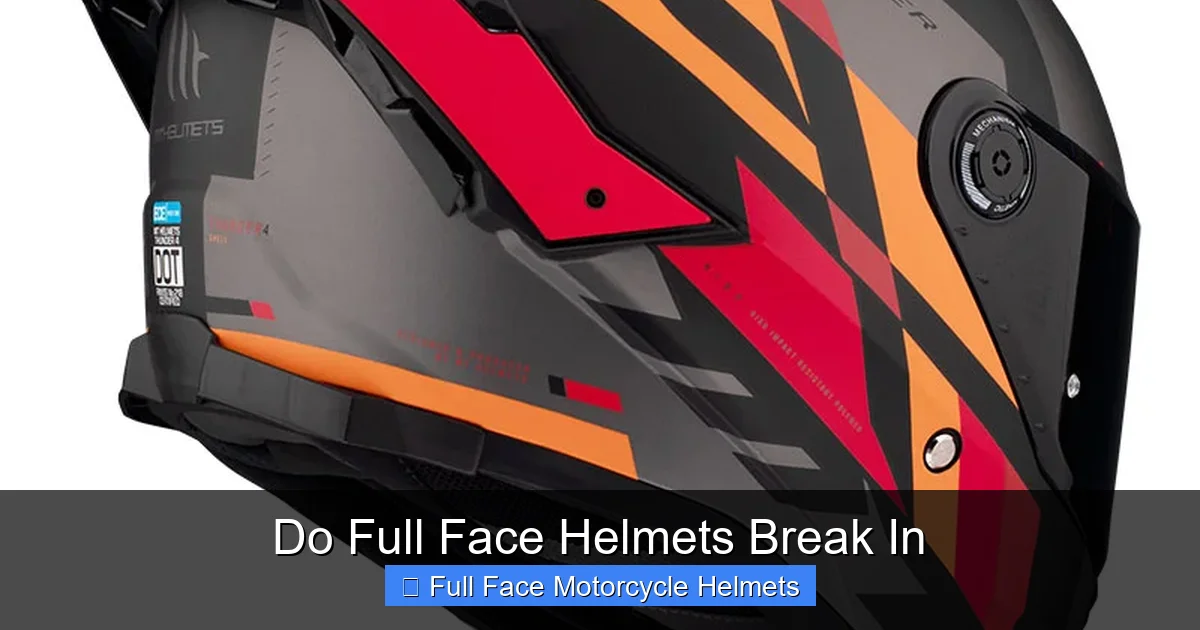
Visual guide about Do Full Face Helmets Break In
Image source: motostorm.it
It’s important to remember that the shell and safety components don’t change shape or size during break-in. So, a helmet that’s too tight or loose initially won’t become safe or comfortable simply by wearing it.
Step 1: Choose the Right Fit from the Start
Before thinking about breaking in a helmet, ensure you have the right size and fit. Here’s how:
Measure Your Head
- Use a flexible tape measure around the largest part of your head, just above your eyebrows.
- Note the measurement in centimeters or inches.
Try Multiple Helmets
- Visit a store to try on helmets in your size range.
- The helmet should feel snug but not painfully tight, especially around the cheeks and forehead.
- Check for any pressure points or discomfort.
Perform the Fit Test
- Fasten the chin strap securely.
- Move your head side to side and up and down; the helmet should move slightly but not shift excessively.
- Try to pull the helmet off by the chin strap—if it slides off easily, it’s too big.
Step 2: Wear Your Helmet Regularly
Once you have the right helmet, wearing it frequently helps the padding soften and conform to your head.
Start With Short Sessions
- Wear your helmet for 15-30 minutes at a time, especially indoors or in a comfortable environment.
- Gradually increase the duration as the helmet feels more comfortable.
Wear It While Riding
- Use your helmet during rides even if they’re short; the motion and warmth help liner materials adjust.
- Make sure the helmet is clean and dry before use.
Step 3: Maintain Your Helmet’s Interior
Keeping the liner and pads clean makes the breaking-in process more pleasant and hygienic.
Remove and Wash Removable Liners
- Follow your helmet’s manual for removing liners and cheek pads.
- Hand wash with mild soap and let them air dry completely.
Use Helmet Fresheners
- Spray helmet disinfectants or use deodorizing inserts to prevent odor buildup.
- Avoid harsh chemicals that can damage foam or fabric.
Step 4: Use Gentle Break-In Techniques
Some riders try to speed up the break-in process with heat or stretching. Here’s what you should know:
Avoid Excessive Heat
- Do not use hair dryers, ovens, or microwaves—these can degrade helmet materials and safety features.
Use a Helmet Stretcher Carefully
- Helmet stretchers designed for padding can help slightly increase comfort areas.
- Use only as per manufacturer recommendations to avoid damage.
Step 5: Consider Comfort Upgrades
If you find your helmet uncomfortable even after break-in, consider these upgrades:
Replace Cheek Pads
- Many brands offer different thicknesses of cheek pads to customize fit.
- Thinner or thicker pads can relieve pressure or reduce looseness.
Custom Liners
- Some companies provide custom-molded liners based on your head shape.
- This option is more expensive but significantly improves comfort.
Troubleshooting Common Issues
Helmet Feels Too Tight After Break-In
If your helmet remains uncomfortably tight after two weeks of regular use, it might be the wrong size. Trying a new size or model may be necessary.
Helmet Causes Pressure Points
Pressure points could indicate uneven padding or head shape mismatch. Adjusting or replacing cheek pads can help.
Persistent Odor or Discomfort
Ensure regular cleaning of liners and pads. If odor persists, consider replacing liners or using helmet-specific deodorants.
Safety Reminder: When to Replace Your Helmet
Breaking in doesn’t make a helmet safer if it’s damaged. Replace your helmet immediately after any significant impact or after five years of use, whichever comes first.
Conclusion
So, do full face helmets break in? The answer is yes, but in a limited way. The interior padding softens and molds slightly to your head, improving comfort over time. However, the helmet’s shell and safety features remain rigid and unchanged. To get the best fit and comfort, start with the right size, wear your helmet regularly, maintain it properly, and consider comfort upgrades if needed. Always prioritize safety and replace your helmet when necessary. With patience and care, your full face helmet will become a comfortable, protective companion on every ride.
🎥 Related Video: Helmet Hack: Break in your helmet the easy way! #shorts
📺 Throttle Blip
In this video I show how I break in my helmet the fast and easy way. Soccer Ball and pump https://amzn.to/3zVrez1 Insta360 One …
